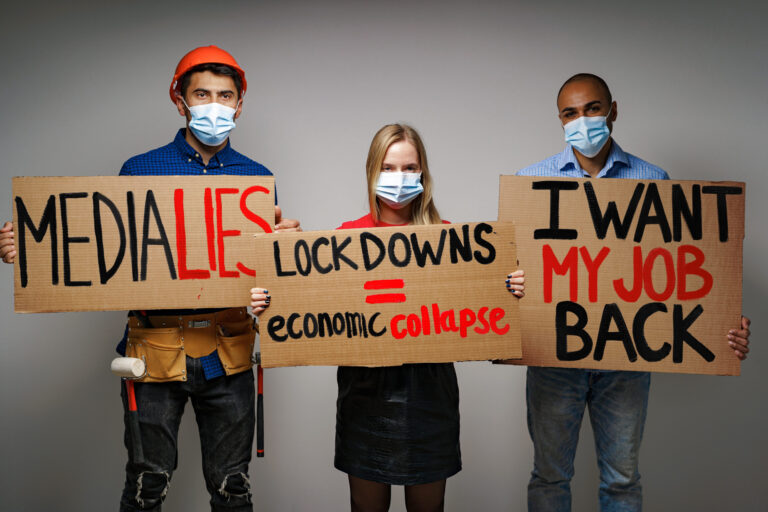
Scrolling through world news can feel like opening a Pandora’s box you never asked for. Every headline seems designed to spike anxiety, spark outrage, and leave readers drained by the end of the day. If you have noticed your mood dipping after just a few minutes online, these signs explain why global news coverage is stressing Americans out.
Constant Stream of Negative Headlines
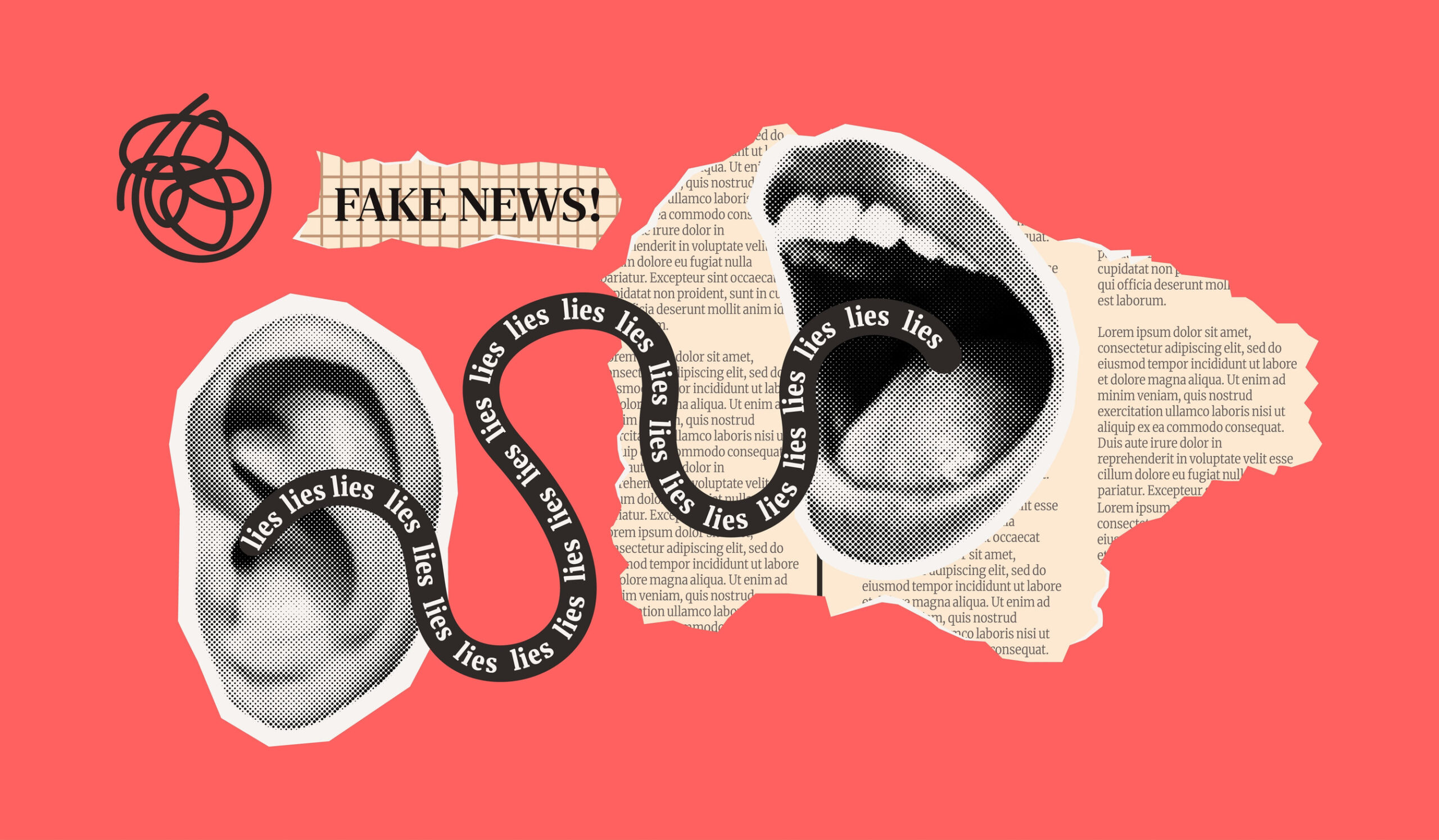
The news often prioritizes conflict, disaster, and crisis over uplifting stories. Every notification on your phone can feel like a mini heart attack waiting to happen. Over time, this flood of negativity heightens stress, making it hard to focus on daily life.
Readers are drawn into a cycle of doom scrolling, consuming story after story. The brain reacts to perceived threats, releasing stress hormones that keep anxiety levels elevated. Even casual observers find themselves tense and irritable after consuming just a few updates.
This constant exposure leaves little room for context or nuance. Important developments get buried under sensationalism, distorting reality. The sheer volume of alarming news contributes to a sense of helplessness and exhaustion.
Graphic Imagery That Triggers Stress
News outlets frequently use intense visuals to convey urgency. Images of conflict, natural disasters, or human suffering can trigger a physical stress response. Eyes can barely scan a single article without encountering content that makes the heart race.
Such imagery activates the amygdala, the part of the brain responsible for fear. Over time, repeated exposure trains the brain to constantly anticipate danger. This conditioning can create lingering tension, even when no immediate threat exists.
Viewers may notice they feel jittery or distracted after brief exposure. Nighttime scrolling can disrupt sleep cycles, increasing stress levels. Visual storytelling that relies on shock value can quickly exhaust mental resilience.
Overexposure to Political Turmoil
International politics dominate headlines, and the coverage is rarely calming. Leaders clash, treaties falter, and crises escalate before the public has time to process the last update. Americans are left juggling global tensions alongside their personal responsibilities.
Even those not politically inclined can feel the ripple effects of ongoing turmoil. Nonstop reporting fosters the sense that the world is perpetually unstable. Constant political coverage creates a mental load that is hard to ignore.
Social media accelerates the spread of sensational political stories. Algorithms reward content that sparks outrage or fear, keeping users engaged but stressed. The result is a continuous loop of tension and heightened alertness.
Economic Anxiety Fueled by Global News

News of global market fluctuations, inflation, and trade disputes can increase financial stress. Even remote events influence the domestic economy, making Americans feel vulnerable. Watching headlines about uncertainty can prompt worry that goes beyond personal control.
Readers may experience sleepless nights pondering how world events affect their wallets. Financial insecurity compounds the stress caused by other negative coverage. This constant pressure undermines both emotional wellbeing and rational decision-making.
Coverage often exaggerates risks to capture attention. Sensational economic reporting can distort perception of actual threat levels. Stress accumulates when individuals feel powerless to influence outcomes.
Natural Disasters and Climate Reporting
Reports on hurricanes, wildfires, and floods dominate both local and international news. Constant reminders of environmental crises make readers feel personally threatened. The unpredictability of disasters fuels anxiety that is difficult to shake.
Media outlets often frame coverage in dramatic terms to maximize engagement. Stories focus on destruction and casualties rather than resilience or solutions. This framing heightens stress instead of offering context or constructive information.
Repeated exposure conditions viewers to expect catastrophic outcomes. The mind begins to anticipate disasters that may never materialize. This ongoing tension contributes to long-term psychological strain.
Social Unrest Across Borders
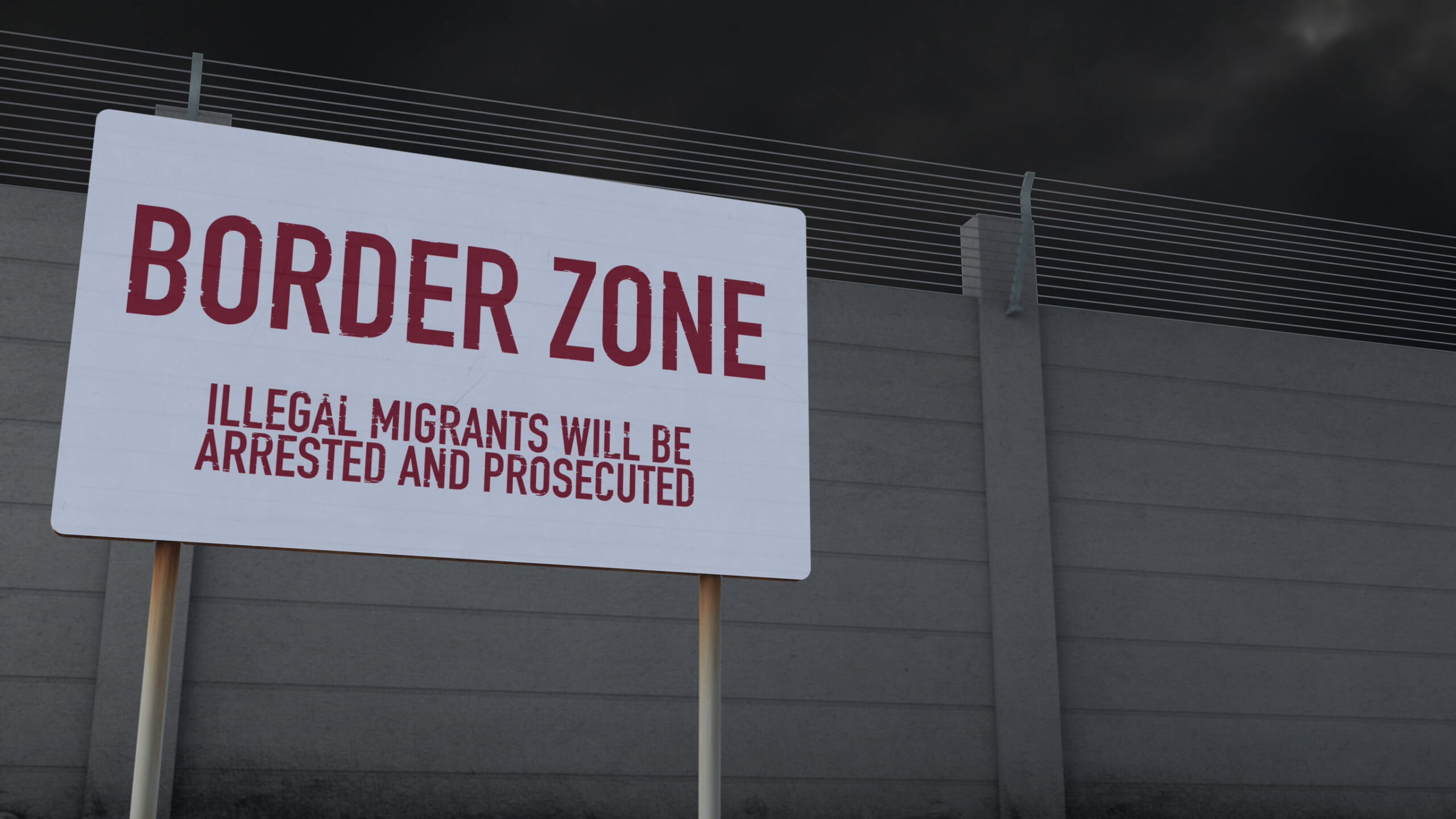
Protests, civil unrest, and political upheavals appear in headlines almost daily. Americans witness turmoil abroad that can spark anxiety and a sense of global instability. Observers feel both sympathy and unease, a combination that intensifies mental load.
Images of clashes and chaos heighten emotional reactivity. Fear for human safety, even at a distance, can trigger physical stress responses. This makes staying informed feel both necessary and exhausting.
Social media amplifies the emotional impact by curating dramatic footage. Viewers repeatedly encounter emotionally difficult scenes. The constant exposure reinforces a sense of vulnerability and unease.
Conflicting Information and Misinformation
Fact-checking often cannot keep pace with breaking news. Contradictory reports, rumors, and misinformation leave viewers unsure of what to believe. Americans feel mentally taxed trying to separate reality from sensational spin.
The challenge of discerning truth from falsehood can leave one feeling helpless. Readers may experience cognitive fatigue from evaluating multiple sources. Confusion amplifies stress as the mind struggles to interpret conflicting signals.
Even trusted outlets occasionally misreport or misframe events. The cycle of correction and revision leaves lingering doubt. People can become wary of all news, further adding to tension.
Fear of Missing Out on Critical Updates
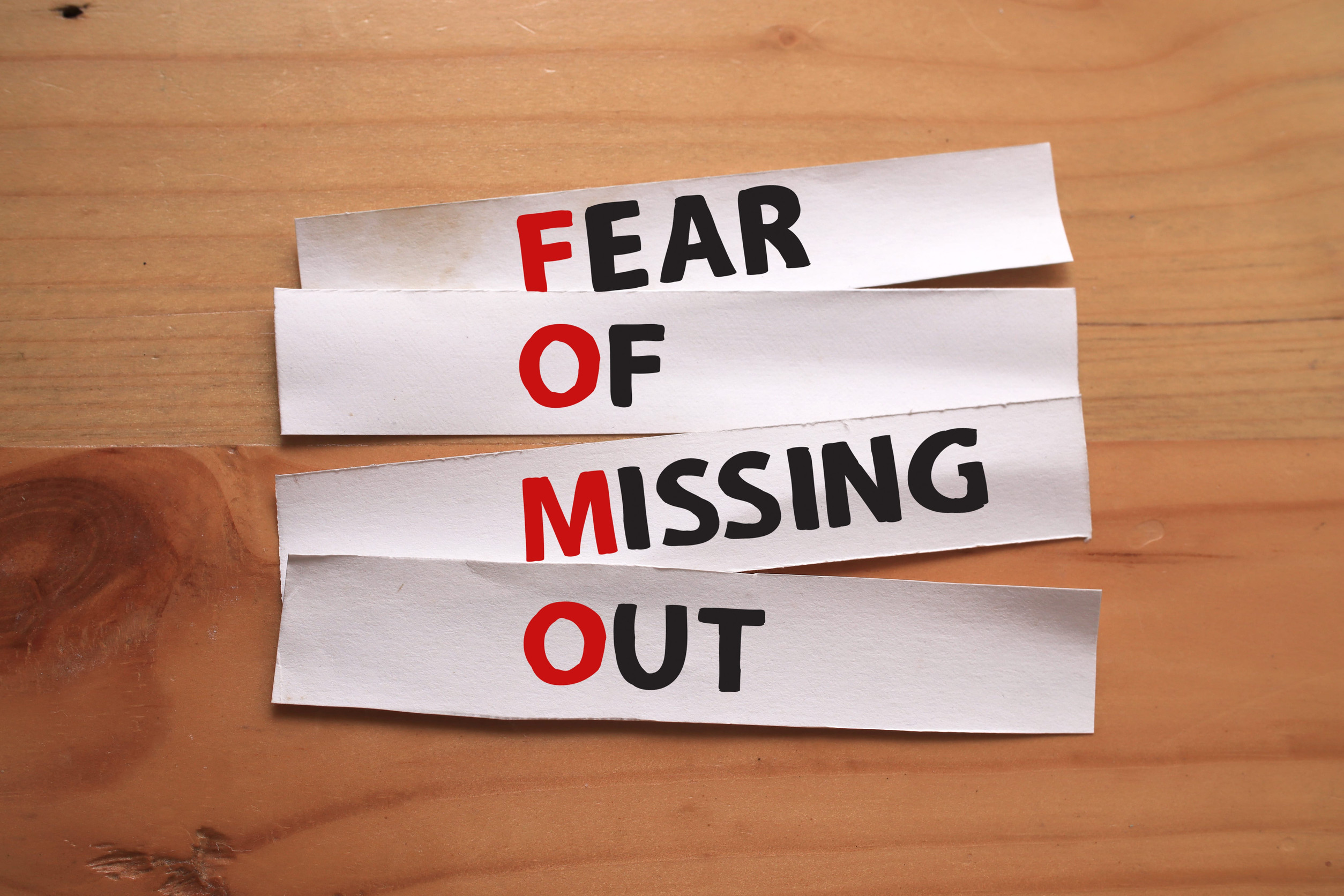
Constant notifications create a sense of urgency to stay informed at all times. Missing a critical update can feel like personal failure or negligence. This fear drives compulsive checking of news feeds, which in turn perpetuates stress.
The need to stay ahead of events often overrides self-care. Americans experience mental fatigue as their attention constantly shifts between work, life, and world events. The pressure to remain vigilant increases anxiety levels daily.
Viewers may develop compulsive scrolling habits, even when aware of their negative impact. Sleep, productivity, and mood all suffer. This perpetual vigilance traps people in a cycle of stress and distraction.
Personal Impact of Tragedy Coverage
Coverage of accidents, violence, and human suffering feels deeply personal. Even when events occur far away, readers imagine themselves or loved ones in similar scenarios. Emotional empathy amplifies stress and can result in anxiety or mood swings.
News stories often focus on the most harrowing details to evoke a strong response. Exposure to repeated tragedy can overwhelm coping mechanisms. The mental load increases with every story consumed.
Audiences may notice emotional exhaustion or irritability after prolonged exposure. This contributes to a pervasive sense of dread. Emotional investment in global tragedies becomes a hidden stressor for Americans.
Uncertainty About the Future

Endless reporting on geopolitical crises, climate threats, and pandemics fuels a sense of unpredictability. Americans feel anxious about what tomorrow might bring. The inability to anticipate outcomes contributes heavily to stress levels.
Uncertainty affects planning, sleep, and daily routines. It can lead to decision paralysis and heightened worry. The combination of constant exposure and unpredictability intensifies mental strain over time.
Even when facts are presented, the volume and complexity of news create a perception of chaos. This perception reinforces stress and apprehension. Americans struggle to balance awareness with emotional wellbeing.
Conclusion
World news increasingly stresses Americans through relentless negativity, graphic content, political tension, economic uncertainty, environmental crises, social unrest, misinformation, compulsive alerts, personal empathy, and future unpredictability.
Each factor contributes to a pervasive sense of anxiety and fatigue. Recognizing these signs can help individuals manage exposure, practice mindfulness, and engage with news strategically to preserve mental health while staying informed.