A parent’s death can shake a family in ways nobody fully expects. One moment, everyone is grieving the same loss, and the next, old wounds, quiet resentments, money disputes, and painful misunderstandings surface. What should be a season of comfort can quickly become a battlefield where siblings stop talking, relatives take sides, and family gatherings feel like courtrooms instead of safe places.
The heartbreaking part is that many families do not fall apart because they lack love. They fall apart because grief exposes every crack that was already there. The parent who kept everyone connected is gone, the emotional balance shifts, and suddenly each person is left carrying pain in a different way. Here are nine alarming ways families can unravel after one parent dies.
Everyone Grieves Differently And Takes It Personally
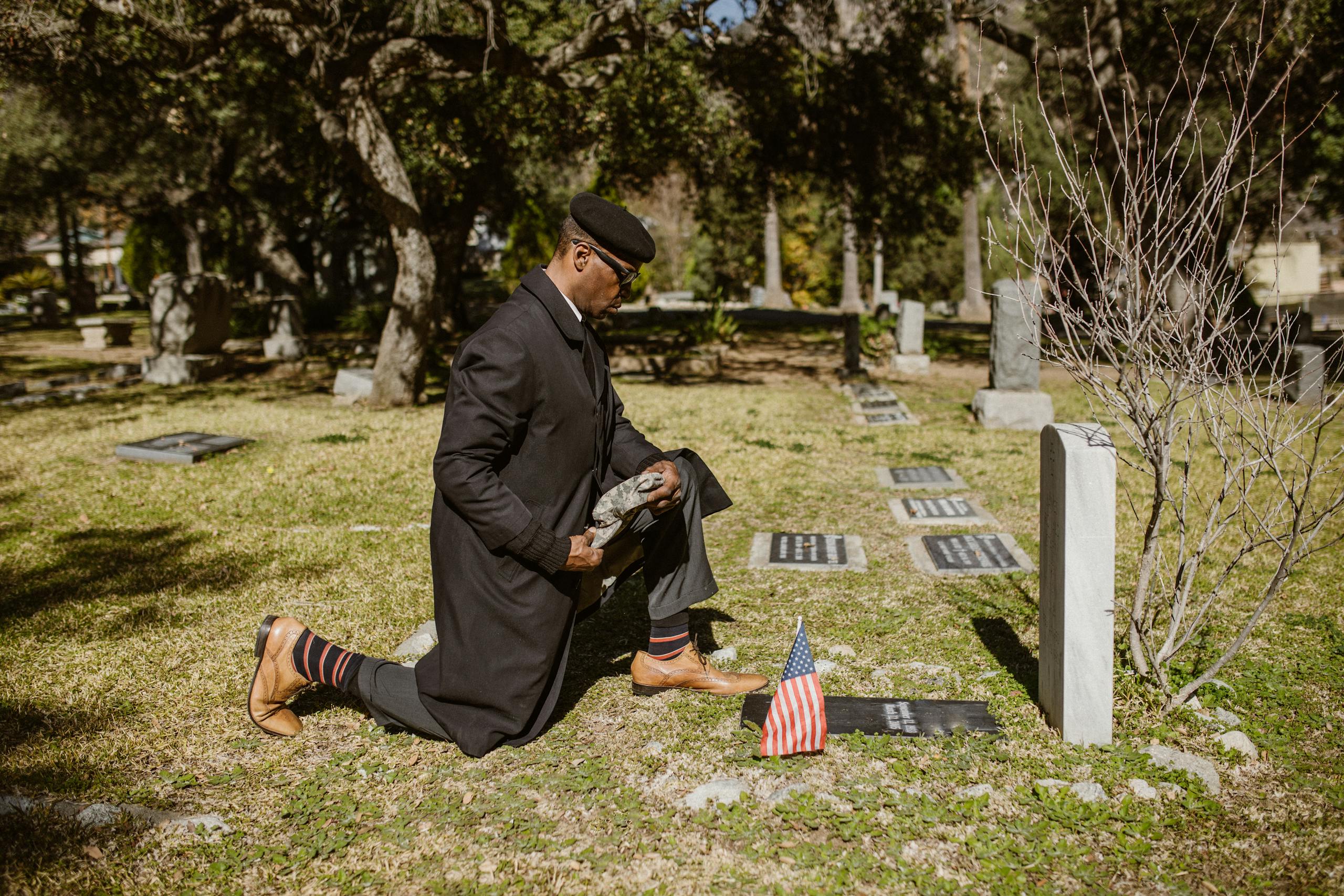
Grief does not arrive with manners. Some people cry openly, some go silent, some stay busy, and some act calm because falling apart feels too dangerous. The problem begins when family members start judging each other’s reactions instead of understanding them.
One sibling may think another moved on too quickly. Another may feel abandoned because nobody checks on them enough. Someone else may avoid calls because every conversation feels too heavy. Before long, grief turns into suspicion, and relatives begin measuring love by how loudly someone mourns.
Old Sibling Rivalries Come Back With Teeth
A parent’s death can drag childhood pain back into the room. The sibling who always felt ignored may suddenly remember every birthday, every school event, and every moment they believed another child received more attention. The sibling who cared for the parent may feel they carried the family while everyone else watched from a distance.
These old rivalries rarely announce themselves honestly. They often hide behind arguments about funeral plans, family photos, hospital visits, or who deserves to make decisions. What looks like a fight over logistics may actually be decades of hurt finally demanding a voice.
The Will Turns Grief Into A War

Money has a strange way of changing the temperature in a grieving family. Even modest estates can create ugly conflict when people feel cheated, surprised, or disrespected. A house, bank account, car, jewelry box, or small sentimental item can suddenly become a symbol of love, fairness, and recognition.
The most painful battles are not always about value. A sibling may fight over a mother’s ring because it represents closeness. Another may resent being left less because they interpret it as proof they were loved less. Once inheritance becomes emotional evidence, the family can split into camps that may never fully reunite.
One Parent Was The Family Glue
In many families, one parent quietly holds everyone together. They remember birthdays, organize holidays, calm arguments, call distant children, and soften harsh words before they become permanent damage. Their role may look ordinary while they are alive, but after they die, everyone realizes they were the bridge.
Without that parent, siblings may stop calling each other. Cousins may drift. Family dinners may disappear. The surviving parent may not have the same emotional influence, or they may be too overwhelmed to keep everyone connected. When the family glue is gone, relationships that were never strong on their own can start to collapse.
The Caregiver Feels Used And Unseen

The person who cared for the dying parent often carries a grief others cannot fully understand. They remember the hospital visits, medication schedules, sleepless nights, paperwork, fear, and emotional exhaustion. After the funeral, they may look around and wonder why everyone suddenly wants an equal voice after offering unequal help.
This resentment can become explosive when relatives minimize what the caregiver sacrificed. A sibling who lived far away may believe they did what they could, but the caregiver may still feel abandoned. Unless the family names that pain honestly, the caregiver’s grief can harden into bitterness that reshapes every future relationship.
Funeral Decisions Become Emotional Landmines
Funeral arrangements can become one of the first places where family tension erupts. People may disagree about burial, cremation, clothing, music, religious customs, guest lists, speeches, money, or where the service should be held. On the surface, these may seem like practical choices, but beneath them is a deeper question: who gets to define the parent’s memory?
That question can hurt badly. One person may feel excluded from decisions. Another may believe the service ignores what the parent truly wanted. A small disagreement can become a painful accusation of disrespect. When emotions are raw, even a flower arrangement can feel like an insult.
The Surviving Parent Becomes A Source Of Conflict
After one parent dies, the surviving parent may need more emotional, financial, or physical support. That can quickly create tension among adult children. One sibling may visit often, another may send money, another may disappear, and another may criticize from the sidelines.
The conflict becomes worse when family members disagree about care decisions. Should the surviving parent move in with someone? Should they sell the family home? Should they remarry? Should they give one child power over finances or medical choices? These questions can turn siblings into opponents, especially when trust is already weak.
New Partners And Blended Family Issues Complicate Everything

If the surviving parent has a new partner or remarries, emotions can become even more complicated. Adult children may feel protective, suspicious, or replaced. They may worry about inheritance, family traditions, or whether the new partner has too much influence over decisions.
Blended family tension can become especially painful when stepchildren, half-siblings, or new spouses become part of estate conversations. Even when nobody intends harm, people may feel threatened. Grief already makes people sensitive, and a new family structure can make old loyalties feel unstable.
Silence Becomes The New Family Language
Some families do not explode after a parent dies. They simply go quiet. Calls become rare. Group chats fade. Holidays shrink. Nobody wants to start the difficult conversation, so everyone pretends distance is normal.
This silence can feel peaceful at first, but it often becomes permanent. The longer people avoid each other, the harder it becomes to reconnect. Pain settles into pride. Pride becomes a wall. Years later, relatives may struggle to remember exactly why they stopped speaking, only that nobody knew how to cross the distance.
Conclusion
A parent’s death does not create every family problem from nothing. More often, it reveals what was already fragile. Grief removes the person who softened conflict, carried on tradition, or made everyone feel connected, and the remaining family members must decide whether to protect the bond or punish each other with pain.
Families can survive this kind of loss, but it takes honesty, patience, and humility. People must accept that grief looks different on everyone, inheritance is never just about money, and silence can become as destructive as shouting. The death of one parent should not become the death of the whole family, but keeping the family together takes more than shared blood. It takes compassion when everyone is hurting.