A pretty plant can make a home feel warm, fresh, and alive, but some of the most innocent-looking leaves and flowers can become a nightmare for pet owners. Cats love to nibble, dogs love to investigate, and a curious bite can quickly turn into vomiting, drooling, weakness, or a frightening emergency.
That is why pet-safe decorating matters more than many people realize. Before bringing a new houseplant, garden shrub, or grocery-store bouquet into your home, it helps to know which plants deserve a hard pass if cats and dogs roam nearby.
Aloe Vera

Aloe vera looks like the kind of plant every home should have. It is easy to grow, useful for minor skin care, and stylish enough to sit on a kitchen windowsill without demanding much attention. The problem starts when pets decide the thick, juicy leaves look like a snack.
In cats and dogs, aloe can cause stomach upset, vomiting, diarrhea, fatigue, and tremors. The plant may feel healing for humans, but it does not offer that same gentle benefit to furry family members. Keep aloe on a high shelf, in a closed room, or skip it completely if your pet is a determined plant chewer.
Lilies
Lilies may be elegant, fragrant, and popular in bouquets, but they are one of the most alarming flowers for cat owners. A small exposure can become serious, especially when curious cats brush against pollen, lick their fur, or chew a petal. This plant is not cat-friendly.
Dogs may also get sick from some lilies, but cats face the biggest danger. Vomiting, loss of appetite, weakness, and kidney trouble can follow exposure. If a bouquet arrives with lilies inside, the safest move is to remove it from the home before your cat treats it like a toy.
Azalea
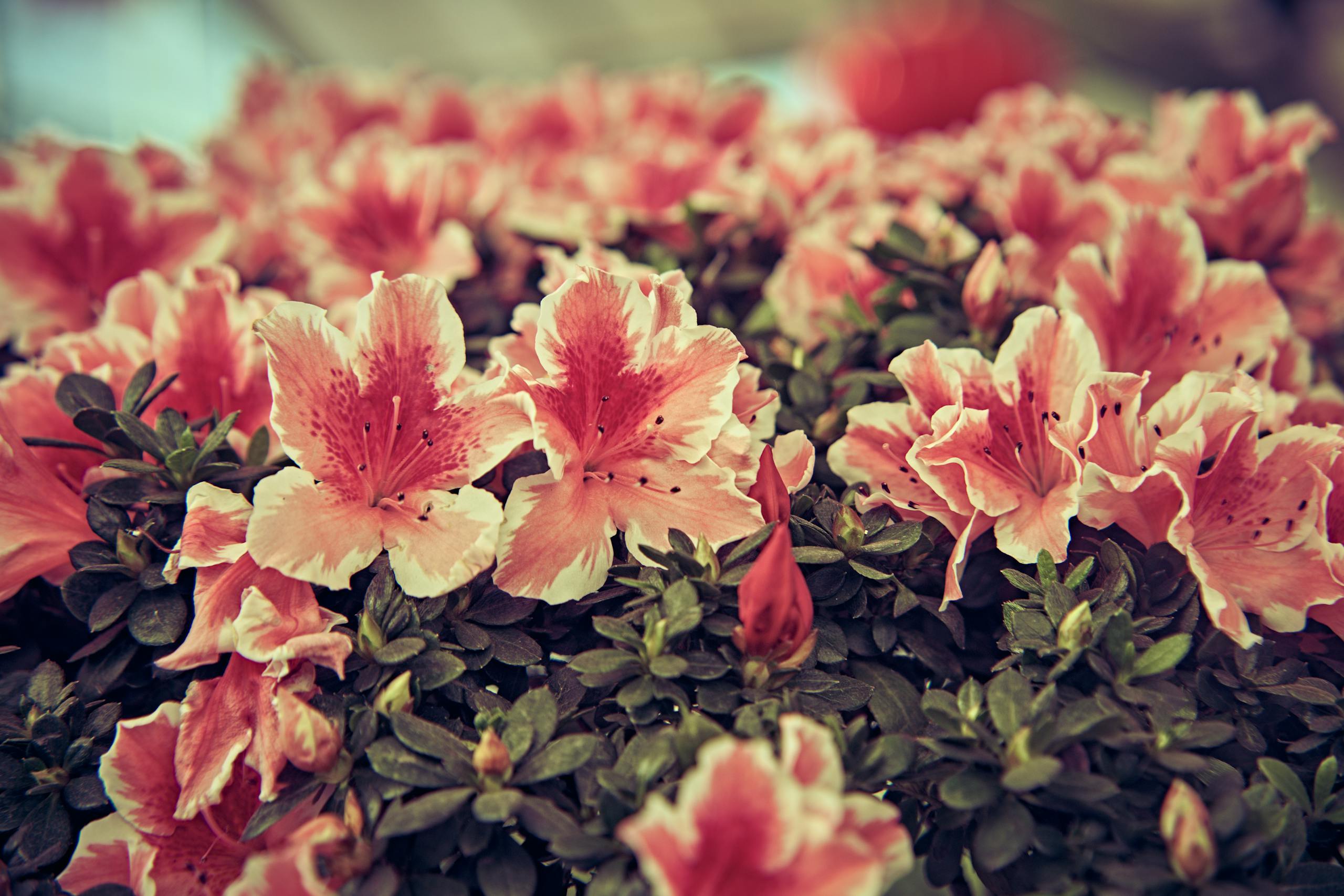
Azaleas look cheerful in gardens, porches, and landscaping beds, but their bright blooms hide a harsh reality for pets. These plants belong to the rhododendron family, and even a small amount can cause trouble when eaten by cats or dogs. The danger can feel especially sneaky because the flowers look soft, colorful, and harmless.
Pets that chew azalea leaves or flowers may develop drooling, vomiting, diarrhea, weakness, or more serious symptoms. In severe cases, the plant can affect the heart and nervous system. If your yard has azaleas, keep pets away from the shrubs and do not let fallen leaves pile up where dogs like to sniff.
Cyclamen
Cyclamen is the kind of plant people buy on impulse because the flowers look delicate and cheerful. It’s often available in supermarkets and garden centers, making it easy to bring home without a second thought. The danger lies mostly in the tubers and roots, which can be especially risky if a dog digs them up or a cat chews the plant.
Pets may develop vomiting, diarrhea, drooling, and weakness after exposure. A large amount can cause more serious reactions, especially for smaller animals. Cyclamen may brighten a table, but it is a poor choice for a home where pets treat plants like personal entertainment.
Oleander
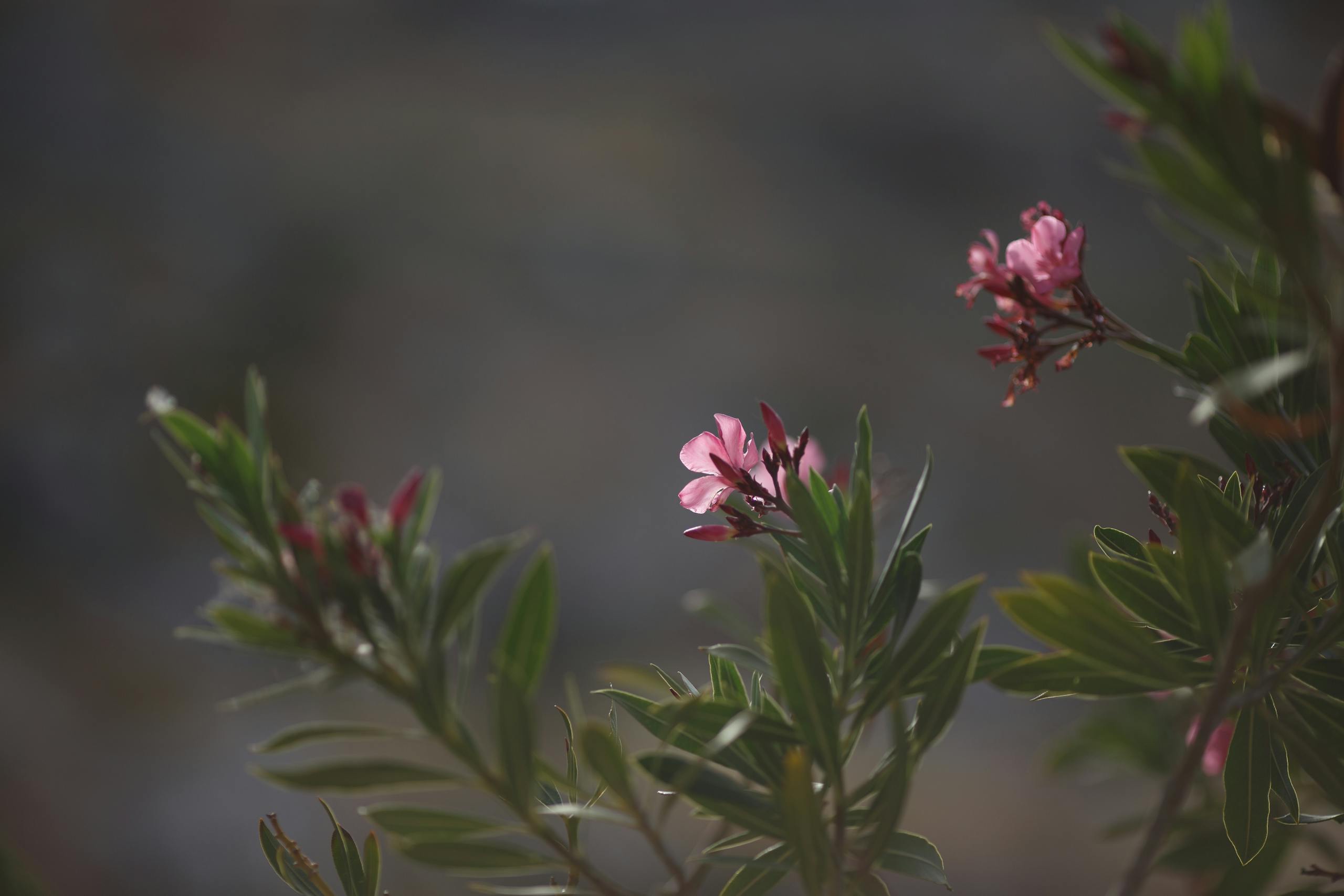
Oleander is beautiful in a dramatic way that makes people stop and stare. Its flowers can brighten fences, yards, and warm-climate landscapes, but this plant is seriously dangerous for animals. Every part of it deserves caution, from the leaves to the flowers.
Cats, dogs, horses, and other animals can become very sick after eating oleander. The plant can affect the heart, leading to abnormal heart rhythms, weakness, drooling, vomiting, and collapse. If you have pets, this ornamental plant poses too much risk for the beauty it offers.
Tulips
Tulips are cheerful, colorful, and everywhere during spring. They show up in gardens, grocery-store bouquets, flower shops, and holiday arrangements. Many pet owners do not realize that tulips can irritate the mouth and stomach, especially when pets chew the bulbs.
The bulb carries the highest risk, so dogs that dig may be more exposed than indoor pets. Symptoms can include drooling, vomiting, diarrhea, and discomfort after chewing or swallowing part of the plant. Tulips can still be enjoyed, but they need careful placement far away from curious paws and noses.
Hyacinths

Hyacinths bring a strong fragrance and a rich burst of color, making them popular in spring pots and garden beds. They belong to the same general group of bulb plants that can pose a problem for pets. The bulb is the biggest concern, though the flowers and leaves can still cause irritation.
Cats and dogs may drool, vomit, or develop diarrhea after chewing hyacinths. A pet that eats the bulb may react more strongly because the irritating compounds are more concentrated there. If your dog loves digging or your cat loves chewing, hyacinths are better admired somewhere pets cannot reach.
Conclusion
Plants can make a home feel peaceful, stylish, and full of life, but pet owners have to choose greenery with extra care. A beautiful leaf or flower is not worth an emergency vet visit, especially when safer options are readily available.
Before buying a new plant, check its name, confirm it is safe for cats and dogs, and place questionable plants out of reach until you know more. Curious pets do not understand toxic leaves, risky bulbs, or dangerous pollen. They only see something new to sniff, chew, and explore, so the safest home is one planned with their habits in mind.