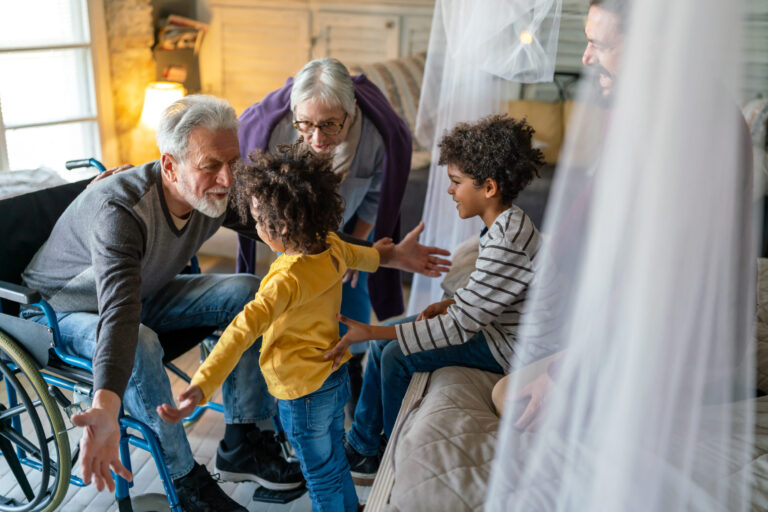
Gender-based violence is not confined to one country, culture, religion, income group, or political system. It appears in private homes, crowded schools, rural villages, refugee camps, corporate offices, online spaces, public transport systems, and courtrooms where survivors still struggle to be believed. At its core, gender-based violence refers to harm committed against a person because of gender, gender identity, gender expression, or unequal power relations shaped by society.
Gender-based violence includes physical, sexual, psychological, economic, social, and digital harm. It may involve a slap in a kitchen, a threat sent through a phone, wages controlled by a partner, sexual coercion in a marriage, harassment at work, forced marriage, trafficking, cyberstalking, or intimidation used to silence someone in public life. The forms differ, but the engine is the same: power used to control another person.
Intimate Partner Violence Remains One of the Most Common Threats
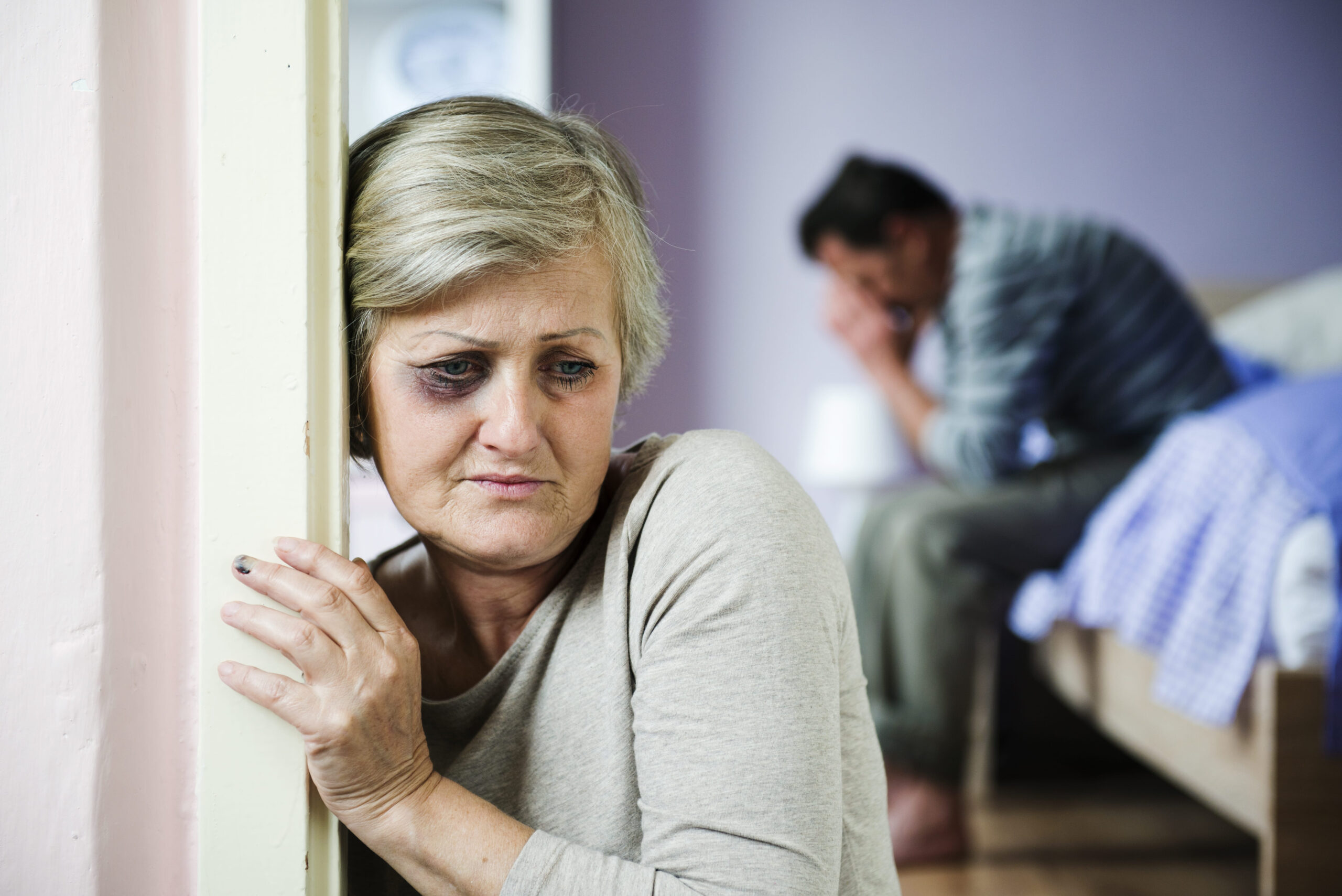
Intimate partner violence is one of the most widespread forms of gender-based violence worldwide. It can include physical assault, forced sex, emotional abuse, stalking, financial control, reproductive coercion, and threats against children or relatives. The danger often grows over time, especially when a survivor tries to leave.
Leaving is not a simple door-opening moment. A survivor may face housing insecurity, custody threats, immigration concerns, financial dependence, community shame, religious pressure, or fear of being killed. Strong support systems must understand this reality instead of asking why survivors stayed.
Child Marriage and Forced Marriage Keep Girls in Cycles of Harm
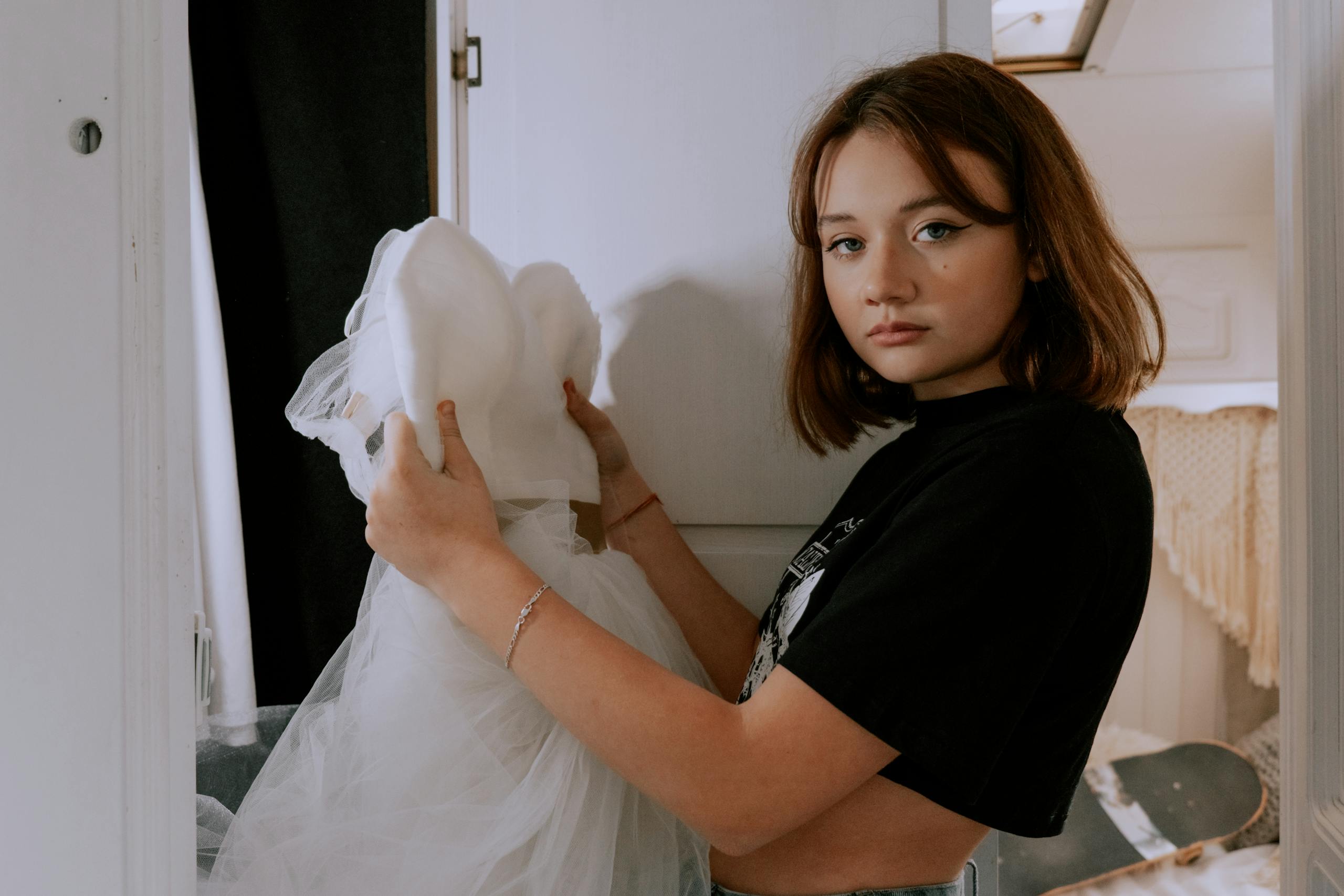
Child marriage is a form of gender-based violence because it removes a girl’s ability to choose her future freely. It can push girls out of school, expose them to early pregnancy, increase dependence on older spouses, and limit their access to work, health information, and legal protection. A wedding ceremony does not erase coercion when a child cannot meaningfully consent.
Forced marriage also affects adults who are pressured through threats, family control, debt, immigration manipulation, or community punishment. The harm reaches beyond the marriage itself. It can shape a person’s education, sexuality, movement, income, friendships, and sense of self.
Female Genital Mutilation Is Violence Disguised as Tradition
Female genital mutilation remains one of the clearest examples of gender-based violence rooted in harmful social norms. It is often defended by arguments about purity, marriageability, obedience, family honor, or religious expectations, even when it offers no health benefits. The practice can cause severe pain, infections, childbirth complications, sexual trauma, and long-term emotional harm.
Ending it requires more than punishment. Communities need health education, survivor-centered services, protection for girls at risk, support for families resisting pressure, and visible leadership from local voices. Cultural change works best when it protects dignity without excusing harm.
Human Trafficking and Sexual Exploitation Target Vulnerability
Trafficking often grows where poverty, displacement, conflict, gender discrimination, and weak enforcement meet. Women and girls may be recruited through false job offers, romantic manipulation, family pressure, debt bondage, migration promises, or online grooming. Once trapped, they may face sexual exploitation, forced labor, document confiscation, threats, and violence.
A serious anti-trafficking response must focus on prevention, safe migration pathways, survivor protection, and prosecution of organized networks. Punishing survivors for crimes linked to their exploitation only deepens the harm. The target should be the system that profits from abuse.
Technology-Facilitated Gender-Based Violence Is Growing Fast
Digital spaces have created new ways for abusers to stalk, threaten, shame, impersonate, and control victims. Technology-facilitated gender-based violence includes cyberstalking, doxxing, image-based abuse, deepfake sexual content, non-consensual sharing of intimate images, online harassment, tracking through devices, and threats sent through social media. The screen does not make the harm less real.
This form of abuse can destroy reputations, limit job opportunities, push women out of public debate, and make survivors feel unsafe inside their own homes. We need laws that treat digital abuse seriously, platforms that design safer systems, and police units trained to handle online evidence properly. Technology should not become a hiding place for violence.
Conflict and Humanitarian Crises Increase the Risk
Gender-based violence often rises during war, displacement, disasters, and humanitarian emergencies. Protective networks collapse, families are separated, housing becomes unsafe, income disappears, and legal systems weaken. In these conditions, women and girls may face sexual violence, exploitation, forced marriage, trafficking, and abuse linked to survival needs.
Humanitarian responses must include gender-based violence prevention from the beginning, not as an afterthought. Safe shelters, lighting, confidential reporting channels, trained health workers, menstrual supplies, legal support, and protection for unaccompanied children can reduce risk. A food distribution plan that ignores safety is not complete.
LGBTQI+ People Face Gender-Based Violence Too

LGBTQI+ people experience violence tied to gender norms, stigma, sexuality, and identity. This can include family rejection, corrective rape, blackmail, public humiliation, police abuse, school bullying, workplace discrimination, forced conversion practices, and online threats. Many victims avoid reporting because the same systems meant to protect them may expose or punish them.
A global perspective on gender-based violence must include these realities. Protection cannot depend on whether a survivor fits a narrow idea of respectability. Safety, dignity, healthcare, justice, and privacy should be everyone’s rights.
Disability Increases Risk and Reduces Access to Help
Women and girls with disabilities face higher risks because abusers may exploit dependence on caregivers, communication barriers, mobility restrictions, stigma, or lack of accessible services. Some survivors cannot physically leave unsafe spaces. Others cannot report abuse because services do not provide sign language support, accessible transport, disability-aware medical care, or private reporting options.
Protection systems must be designed for real people, not imaginary average users. Shelters need ramps, accessible bathrooms, trained staff, flexible communication tools, and partnerships with disability organizations. A service that a survivor cannot physically or safely use is not truly available.
The Health Impact of Gender-Based Violence
Gender-based violence damages physical, mental, sexual, and reproductive health. Survivors may experience injuries, chronic pain, sexually transmitted infections, unwanted pregnancies, miscarriages, anxiety, depression, post-traumatic stress, sleep problems, substance use, and suicidal thoughts. The violence may end, but the body can keep remembering.
Healthcare systems play a powerful role because clinics may be the first safe place a survivor reaches. Providers need training in trauma-informed care, confidential screening, evidence collection, emergency contraception, mental health support, and referral pathways. A careless question can shut a survivor down. A compassionate response can open the first door to safety.
The Economic Cost of Gender-Based Violence
Gender-based violence carries a high economic cost for survivors, families, employers, and governments. Survivors may miss work, lose jobs, leave school, spend money on medical care, relocate suddenly, pay legal fees, or lose access to shared income. Children exposed to violence may struggle academically, emotionally, and socially, which can carry consequences into adulthood.
At the national level, violence increases pressure on healthcare, policing, courts, social services, shelters, and welfare systems. Prevention is not just morally right. It is economically smarter than paying for the damage after violence has already occurred.
How Feminist Movements Changed the Global Conversation
For a long time, domestic violence and sexual abuse were treated as private matters. Feminist organizers, survivors, lawyers, health workers, journalists, and community advocates changed that. They built shelters, hotlines, rape crisis centers, legal aid networks, and public campaigns that forced governments to acknowledge violence as a social and legal issue.
These movements turned silence into testimony and testimony into policy. They showed that violence inside a home is still violence. They also helped connect local struggles to global human rights frameworks, making it harder for governments to dismiss gender-based violence as culture, family conflict, or isolated crime.
International Action Against Gender-Based Violence
Global recognition grew through major human rights agreements, United Nations declarations, regional treaties, and national reforms. The 1993 Declaration on the Elimination of Violence Against Women helped frame violence against women as a human rights issue. The 1995 Beijing Declaration and Platform for Action pushed governments to address violence through law, services, prevention, and data.
These global commitments matter because they create pressure, set the language, and establish accountability. They help activists demand better protection at home. Yet international agreements are only as strong as the budgets, courts, services, and political will that follow them.
Why Laws Matter but Cannot Work Alone.
Domestic violence laws, sexual harassment laws, rape laws, anti-trafficking laws, child protection laws, and cybercrime laws create important tools for justice. They define harm, guide police response, support protection orders, and signal that abuse is not acceptable. Countries with stronger legal protections often show better outcomes than countries where violence remains legally invisible.
Still, the gap between law and life remains wide. A survivor may have a legal right to protection, but no nearby shelter. A girl may be protected by child marriage laws but live in a community where enforcement is weak. A worker may have rights on paper, but fear losing her job if she reports harassment. Law must be backed by access.
Why Survivors Often Do Not Report Abuse
Many survivors stay silent because reporting can feel more dangerous than enduring the abuse. They may fear retaliation, disbelief, public shame, police corruption, family rejection, child custody loss, deportation, religious pressure, job loss, or community gossip. Some survivors have reported abuse before and received no meaningful help.
A serious response must stop treating underreporting as a survivor weakness. It is often a rational reaction to broken systems. When reporting becomes safer, faster, confidential, affordable, and survivor-centered, more people will seek help.