Weight loss can look simple online, but it can feel brutally personal in real life. The brutal truths about weight loss are often hidden behind glossy meal photos, dramatic before-and-after stories, and loud diet promises that make everything sound effortless. These brutal truths about weight loss matter because real progress usually begins when people stop chasing magic and start facing what actually works.
Most Americans have seen the cycle before, and honestly, it gets old fast. A new diet trend, everyone gets excited, grocery carts change overnight, and then normal life crashes the party. So let us talk about the uncomfortable lessons trendy diets rarely put on the front page.
Trendy Diets Sell Speed, But Bodies Prefer Rhythm

Many diets promise fast change because speed grabs attention. Slow progress feels less exciting, even when it builds stronger habits. Who wants patience when the internet keeps serving miracle stories with perfect lighting?
The body usually responds better to routine than panic. Consistent meals, steady movement, good sleep, and realistic portions help people stay grounded. Trendy diets often ignore that because rhythm does not sound flashy enough.
Fast plans can also make people feel broken when results slow down. The problem may not be laziness or weakness. The plan may simply ask the body to live in emergency mode for too long.
Hunger Is Not Always A Badge Of Discipline
Some diet culture treats hunger like proof of commitment. People start believing they must suffer to deserve progress. That idea sounds tough, but it can turn food into a daily argument.
Real weight loss should not feel like constant punishment. A person needs meals that satisfy the body and support energy. If every afternoon feels like a battle with the snack cabinet, something needs to be adjusted.
Hunger can teach people to listen, not panic. It can also signal poor planning, skipped meals, or too little protein and fiber. FYI, being miserable is not a wellness strategy.
The Scale Can Mess With Your Head
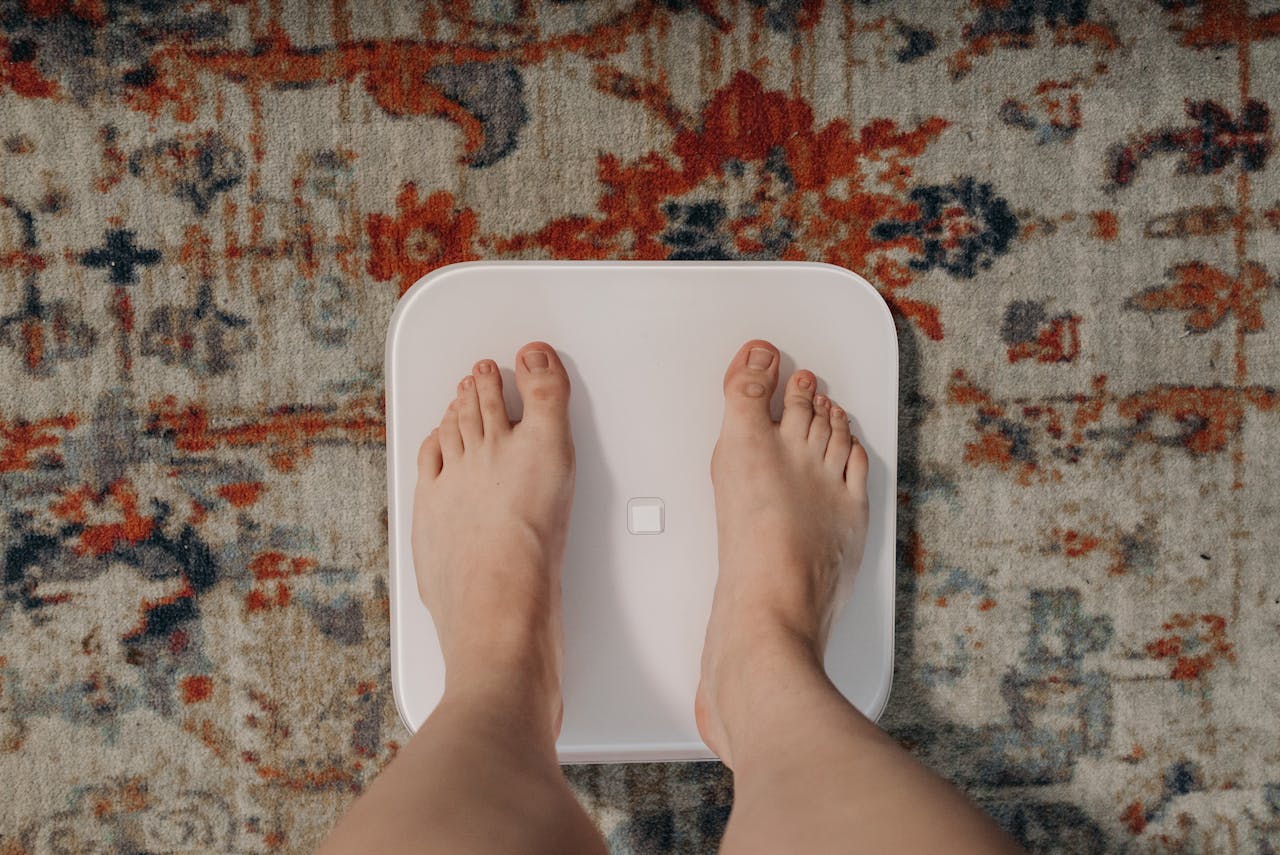
The scale gives information, but it does not tell the whole story. It cannot show better stamina, looser clothes, stronger muscles, or improved confidence. Yet many people let it run their mood like a tiny bathroom dictator.
Weight can shift for many ordinary reasons. Water, hormones, digestion, stress, sleep, and salty meals can change what shows up. That does not mean progress has vanished overnight.
A smarter approach focuses on patterns rather than daily drama. People can track energy, strength, habits, and how clothes fit. The scale can be useful, but it should not become the boss of breakfast.
Your Environment Matters More Than Willpower
Willpower gets too much credit in weight loss conversations. People blame themselves for every craving, but they forget how much their surroundings shape choices. A kitchen full of tempting snacks can test anyone.
The environment can either support progress or quietly sabotage it. Easy meals, visible fruit, planned snacks, and simple routines make healthier choices less dramatic. That matters because tired people rarely make perfect decisions at night.
Trendy diets often emphasize discipline but ignore design. People need homes, schedules, and shopping habits that make success easier. Why fight the same battle daily when you can change the battlefield?
Stress Can Make Healthy Choices Harder

Stress changes how people eat, sleep, move, and think. It can make comfort food feel like emotional first aid after a long day. That does not mean someone lacks control; it means life is pressing hard.
Many trendy diets pretend that food choices happen in a peaceful little bubble. Real people deal with bills, work pressure, caregiving, traffic, family tension, and endless notifications. A strict plan can collapse fast when stress keeps knocking.
Weight loss works better when stress gets attention, too. Walking, rest, planning, boundaries, and calm meals can make a difference. IMO, any diet that ignores stress is selling fantasy with a side of salad.
Exercise Helps, But Food Still Leads The Dance
Exercise matters because it supports strength, mood, heart health, and confidence. It can make a person feel more connected to their body. Still, workouts alone may not offset bad eating habits.
Many people overestimate what exercise can fix. They sweat hard, then feel confused when progress stays slow. The body is not a vending machine where effort always returns instant results.
Food habits usually shape weight loss more directly. That does not mean exercise is pointless, because it absolutely matters. It means movement and meals need to work together, not compete like dramatic roommates.
Sleep is the Quiet Game-Changer

Sleep rarely gets the spotlight in trendy diet talk. It sounds too basic, too boring, and too normal. Yet poor sleep can make cravings louder and energy lower.
A tired body often wants quick comfort. It may reach for sweet, salty, or heavy foods because the brain wants fast relief. That choice can feel automatic when exhaustion takes the wheel.
Better sleep supports better decisions. It also helps people show up for workouts, cooking, and calmer eating. Funny how the most boring habit can become the sneakiest game-changer.
All Or Nothing Thinking Ruins Progress
Many people quit after one messy meal. They believe they failed, so they turn the whole day into a food free fall. That mindset can do more damage than the meal itself.
A flexible plan allows for a normal life. Birthdays, holidays, travel, stress days, and cravings do not need to destroy progress. They simply need a calm next step.
Trendy diets often encourage purity, and purity gets exhausting. Real life requires room for pizza, family dinners, and the occasional snack attack. Progress grows when people return quickly rather than spiraling.
Healthy Food Can Still Be Too Much

Healthy food has a shiny reputation, but portions still matter. Nuts, smoothies, granola, oils, and hearty bowls can support health while adding more energy than expected. The body still notices quantity, even when the label sounds angelic.
This truth frustrates people because healthy choices feel like they should come with a free pass. They do not. A large portion of a nutritious meal can still slow weight loss.
That does not mean people should fear good food. It means awareness matters. A balanced plate should nourish the body without quietly becoming a buffet in disguise.
The Best Plan Is The One You Can Repeat
A diet may look impressive, but repeatability decides its future. If a plan only works during perfect weeks, it probably will not survive real life. People need something they can follow during busy days, tired nights, and social events.
The best plan feels practical, not theatrical. It includes foods a person enjoys, movement they can maintain, and habits that fit their schedule. That kind of plan may not go viral, but it has staying power.
This is where trendy diets often fail hardest. They chase attention instead of sustainability. Weight loss becomes easier when the plan feels like life, not a temporary punishment tour.
Conclusion
Weight loss does not need more noise. People already have enough rules, trends, apps, meal plans, and strangers online acting like they personally invented vegetables. What many people need is a calmer way to understand their body.
The brutal truths about weight loss may feel uncomfortable at first, but they can also feel freeing. They remind people that progress does not require perfection, punishment, or panic. It requires honesty, patience, structure, and a plan that fits real life.
Trendy diets often hide the boring parts because boring does not sell well. Sleep, stress, routine, portions, flexibility, and consistency rarely sound exciting. Still, those plain habits often carry the heaviest results.
So maybe the goal is not to find the loudest diet in the room. Maybe it is to build a lifestyle that still works when motivation gets quiet. That is where real change starts, and yes, it may be less glamorous than a viral smoothie, but it is far more useful.