Child labor isn’t a relic of the past. It isn’t limited to black-and-white photographs of factory floors from a century ago. Today, it hides in your smartphone battery, the chocolate bar on your kitchen counter, the hotel room you just checked into, or the viral family video streaming online.
Millions of children worldwide continue to perform work that robs them of education, endangers their health, and forces them to assume adult responsibilities too young to bear. Despite international laws, activism, and global awareness campaigns, nearly 138 million children remain trapped in child labor in 2024, with 54 million engaged in hazardous work.
The modern problem is insidious: a teen flipping burgers at midnight may look ambitious, a child selling souvenirs at a tourist site may appear enterprising, and a young influencer smiling on camera may seem fortunate. Yet behind these everyday images, children endure fatigue, missed schooling, exploitation, and long-term developmental harm.
Modern child labor often hides in plain sight. Industries that rely on it are intertwined with ordinary life, making exploitation look routine or even legal. From streets and supply chains to farms and digital platforms, the work can take a profound toll on children, their families, and their futures.
Farm Work That Steals Education
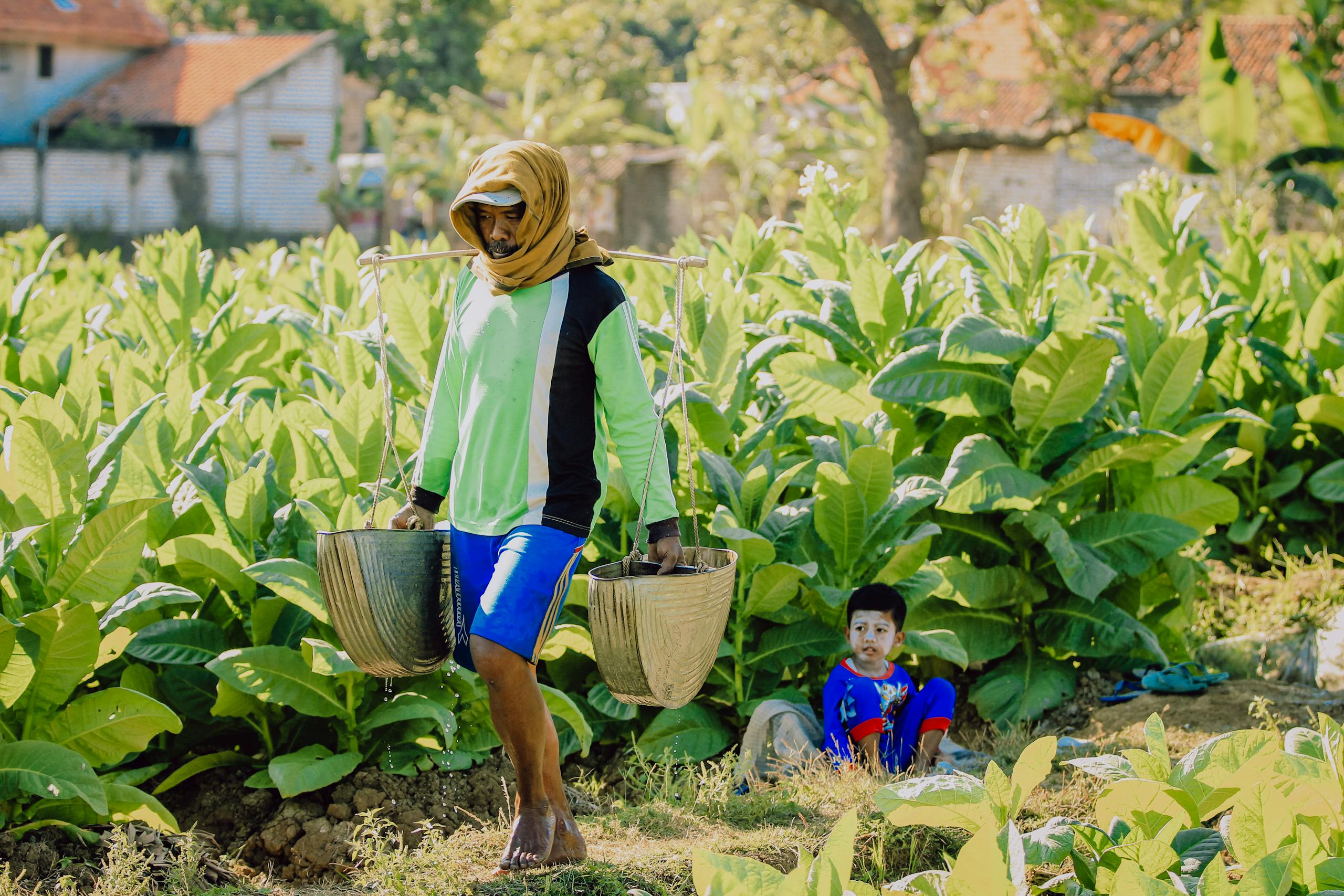
Agriculture remains the sector with the highest concentration of child labor worldwide. Children work long hours planting, harvesting, herding, carrying heavy loads, spraying pesticides, or sorting produce. These duties often occur in remote rural areas where schools are far away, and families rely on children’s labor to survive.
The danger is both physical and educational. Handling sharp tools, exposure to chemicals, and lifting heavy loads can stunt growth, cause chronic injuries, and lead to long-term health problems. Many children miss significant portions of schooling, leaving them unprepared for future opportunities.
Global commodities such as cocoa, coffee, sugarcane, cotton, and rice often hide the reality that children are performing dangerous, unpaid, or underpaid labor at the very start of their supply chains.
Domestic Servitude Behind Closed Doors
Domestic labor is one of the hardest forms to detect because it occurs in private homes. Children cook, clean, care for younger siblings, serve meals, and manage household tasks, often without formal pay or education. These children, most often girls, are particularly vulnerable to abuse, exploitation, and isolation.
The work erases boundaries between childhood and adult responsibility. Verbal, physical, and emotional abuse is common, and children can grow up without forming social connections, missing critical life skills, or experiencing normal leisure.
Even well-intentioned families may inadvertently overwork a child, creating an environment where the child’s personal development is severely limited.
Factories and Workshops
Children continue to work in factories and workshops producing shoes, garments, fireworks, bricks, textiles, and artificial flowers. Some of these children are in registered facilities, but many are employed in informal workshops where labor oversight is weak, and production deadlines are strict.
Exposure to chemicals, unsafe machinery, and repetitive tasks causes injury, chronic illness, and long-term disabilities. Children in these environments often leave school permanently, sacrificing education for the demands of low-cost global supply chains.
Even when the products reach supermarkets and retail stores, the presence of children at the start of the production line often goes unseen, allowing exploitation to continue unchecked.
Mining for Minerals
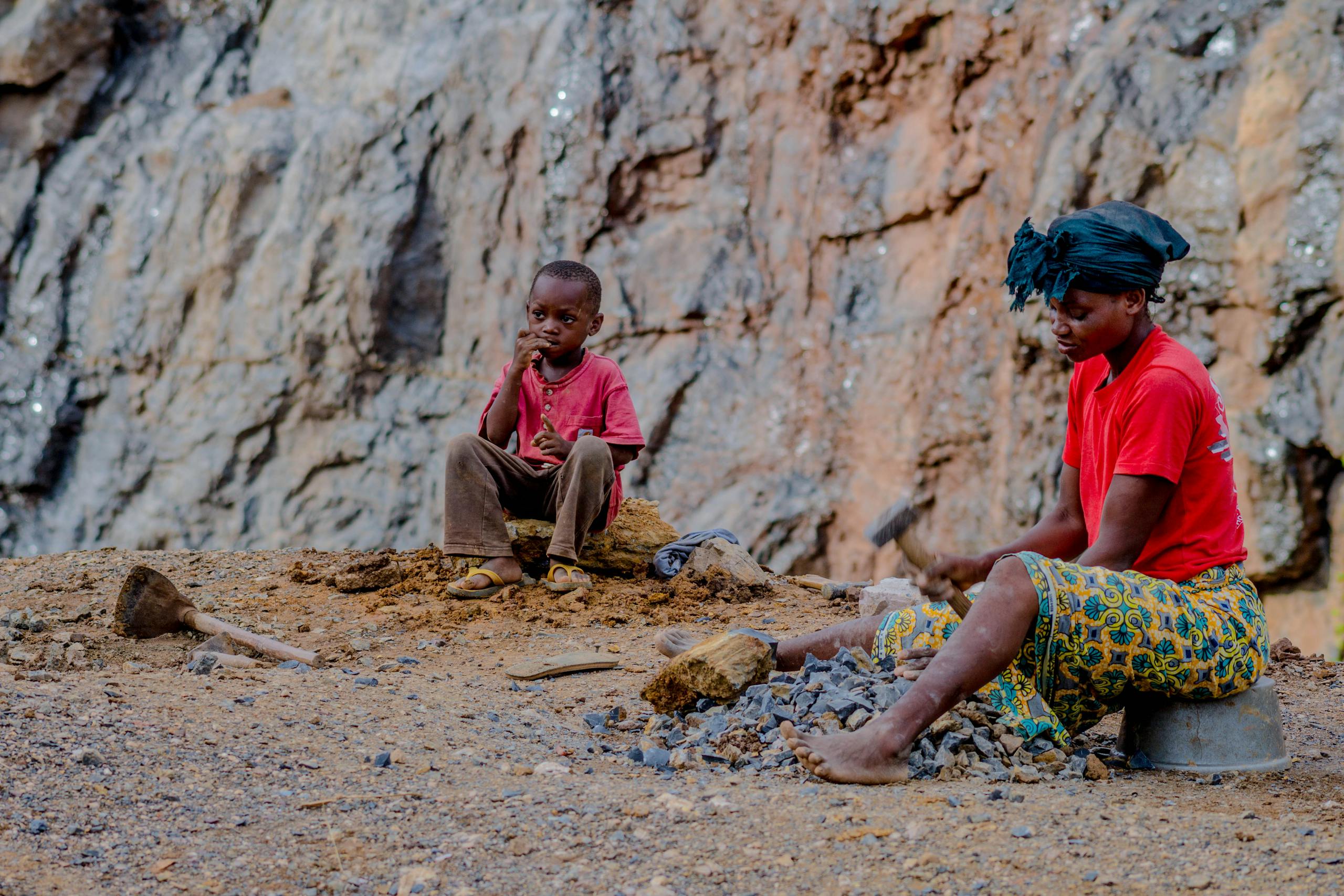
Mining is among the most dangerous forms of child labor. Children work in gold, cobalt, coal, and diamond mines, digging tunnels, carrying heavy loads, sorting ore, and working in unventilated or unstable shafts.
The risks are extreme: cave-ins, flooding, exposure to toxic substances, and injuries are daily realities. Long-term exposure can result in respiratory illnesses, musculoskeletal deformities, and chronic pain. Cobalt and gold mining, essential for electronics and jewelry worldwide, often relies on children who have no legal protections, showing how consumer demand can indirectly perpetuate hazardous child labor.
Street Work and Informal City Jobs
In urban areas, children sell snacks, flowers, tissues, or phone accessories in traffic, markets, and tourist hotspots. Others wash cars, shine shoes, collect scrap metal, or perform for tips. While these children may appear enterprising, the reality is far more dangerous.
Exposure to traffic, harassment, weather extremes, and exploitation is constant. Many children are forced into work at the expense of education, and some become targets for traffickers or abusive adults. Survival becomes the priority over schooling, health, and safety, leaving lasting scars on both physical and emotional development.
Restaurant, Retail, and Food Processing Jobs
Not all teen employment is harmful, but problems arise when minors work beyond legal hours, operate hazardous machinery, or perform tasks that exceed their physical or legal capacity. Restaurants, retail stores, warehouses, and food-processing plants are all sectors where child labor can occur in hidden forms.
These roles can lead to injuries, exhaustion, missed school, and exposure to unsafe environments. A teen working long night shifts in a fast-food kitchen or operating industrial mixers may appear responsible, but these hours carry high risk, compromising both health and education.
Tourism Jobs Exploiting Children
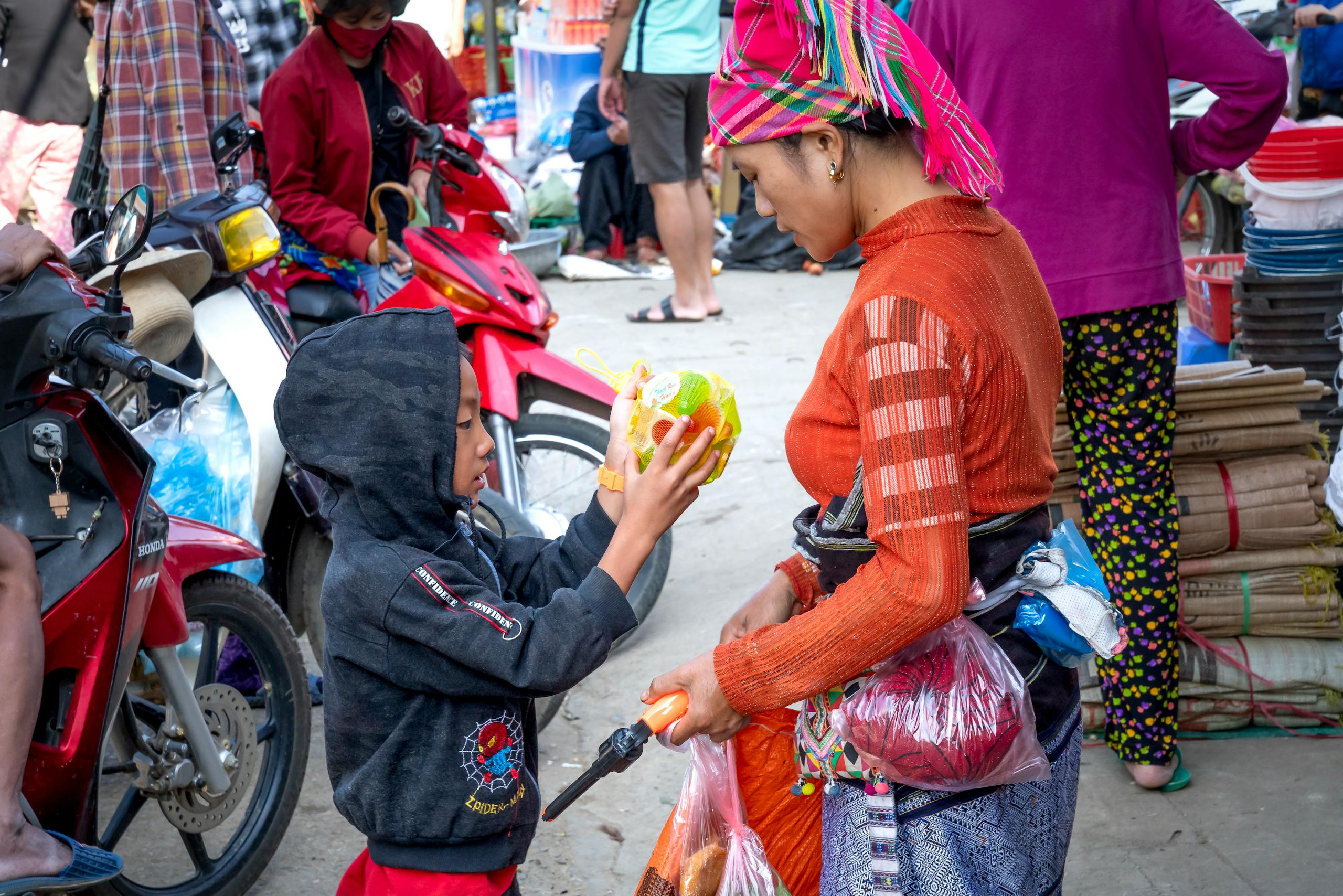
Tourism can generate income, but often exploits children for convenience and aesthetics. Kids sell souvenirs, carry luggage, perform music, pose for photos, or work in hotels. While these jobs seem ordinary, they can involve extended hours, lost schooling, and adult supervision that prioritizes profit over well-being.
Tourism-related child labor also overlaps with trafficking, begging networks,and sexual exploitation. Even tourists acting innocently may contribute to the problem by paying for performances or purchases, unwittingly incentivizing children to work in unsafe or inappropriate settings.
Fishing, Aquaculture, and Seafood Work
Children in the fishing and seafood industries work on boats, docks, processing plants, and aquaculture sites. They repair nets, sort fish, clean equipment, and dive into water hazards.
The dangers include drowning, sharp tools, long hours, exhaustion, and isolation. Supply chains often obscure the use of children, making enforcement and intervention difficult. This form of labor exemplifies the hidden and hazardous nature of modern child work.
Child Soldiers and Conflict Roles
Some children are coerced into armed groups or armies. They may act as cooks, messengers, guards, or transporters, even if not directly engaged in combat. The psychological and physical toll is immense, with trauma, abuse, and mortality common.
Recruitment can occur through abduction, poverty, family separation, or school closures. Children who leave these roles face reintegration challenges, including mental health issues, interrupted education, and societal stigma. Ending this form of labor requires robust protection, safe demobilization, and comprehensive rehabilitation.
Online Exploitation and Forced Work

The digital era has produced new forms of child labor. Children may be coerced into online scams, sexual exploitation, livestreamed content, or monetized family vlogs. The internet enables offenders to contact, groom, and profit from minors across borders.
Even legitimate child influencer work can be harmful if filming dominates a child’s daily life, finances are controlled by adults, and consent is absent. Emerging legislation aims to protect minors in digital spaces, but risks remain high as technology outpaces regulation.
Why Child Labor Persists
Child labor persists because poverty, weak education, family pressure, and global demand intersect. Families rely on children for income when adult wages are insufficient. Schools are inaccessible or unsafe. Informal hiring and opaque supply chains allow exploitation to continue unnoticed. Consumer demand for cheap products further fuels this cycle.
Conclusion
Child labor today is hidden but pervasive. From farms and factories to streets, tourism, conflict zones, and digital platforms, millions of children remain at risk. Protecting childhood requires systemic solutions, vigilant enforcement, and consumer awareness. Ending child labor is not about removing children from work alone; it’s about dismantling the social and economic pressures that make exploitation profitable.