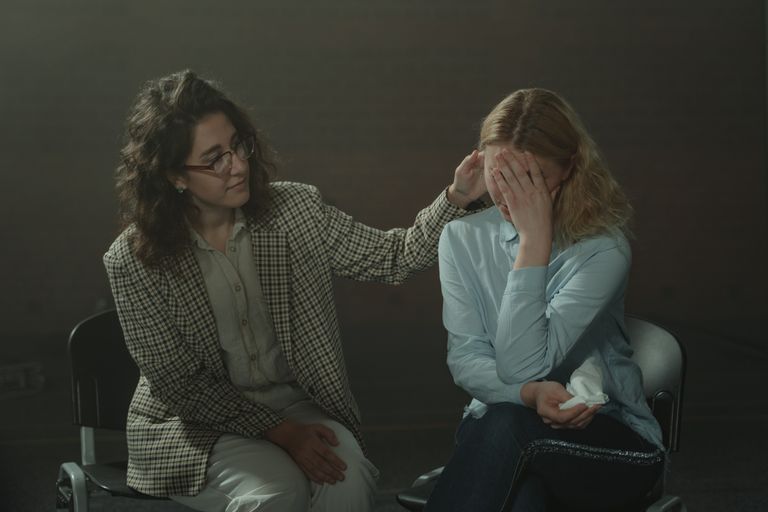
The scariest people are not always hiding in dark alleys. Sometimes they wave from the driveway, hold steady jobs, attend school meetings, make small talk at the grocery store, and remember everyone’s coffee order at work.
That is what unsettles Americans most about many crime stories. The suspect often looks painfully ordinary in hindsight. A neighbor says they seemed quiet. A coworker says they were polite. A relative says nobody saw it coming.
That is how criminals blend into normal life. They do not always wear danger openly. They can hide behind routines, charm, usefulness, family roles, and the basic human tendency to assume familiar people are safe.
This does not mean that everyone who is quiet, awkward, private, or charming is dangerous. It means ordinary appearances should never replace good judgment, clear boundaries, and attention to behavior that does not add up.
Criminals Blend Into Normal Life by Looking Painfully Ordinary

One of the most chilling truths is that danger can look normal. A person may have a job, bills, hobbies, relatives, pets, a commute, and a favorite lunch spot, just like everyone else.
That ordinary look can lower people’s guard. We expect danger to announce itself, but many offenders benefit when others assume normal routines are harmless. Familiarity can be comforting, but it is not the same as safety.
They Use Charm and Generosity to Lower Defenses
Some people are skilled at making others feel special fast. They compliment, joke, help, give gifts, offer rides, lend money, or position themselves as the person who always shows up.
That kindness may be real in some people, but criminals can also use charm as cover. Fraud warnings often show how offenders gain trust before asking for money, secrecy, access, or favors. Learning common fraud tactics helps people recognize when warmth starts turning into pressure.
They Build Trust Through Jobs and Titles
A uniform, badge, business card, company email, church role, coaching position, or professional title can make someone seem safer than they are. People often trust roles before they fully know the person wearing them.
That trust can be useful when earned, but dangerous when automatic. Imposters frequently pretend to represent a government agency, bank, company, charity, or authority figure to get access to money or personal information. Guidance on imposter scam signs shows how official-looking behavior can still be fake.
They Act Helpful Around Vulnerable People

Criminals who target vulnerable people often do not begin with obvious cruelty. They may offer rides, food, housing, work, romance, protection, attention, or emotional rescue.
That is why exploitation can hide in plain sight. Trafficking awareness materials note that friends, family members, medical workers, teachers, restaurant staff, and transportation workers can all notice possible warning signs. Understanding human trafficking signs can help ordinary people see patterns instead of isolated moments.
They Hide Behind Family Man or Good Neighbor Images
A person may seem safe because they are a parent, spouse, homeowner, volunteer, church member, veteran, coach, or longtime neighbor. Those identities can make accusations harder for others to believe.
That disbelief can protect the wrong person. Communities sometimes defend someone’s image before hearing the facts. A good reputation should matter, but it should never be used to silence concerns, dismiss victims, or ignore repeated red flags.
They Keep Their Public Life Clean and Their Private Life Controlled
Some offenders know how to separate the version people admire from the version people fear. In public, they are polite, generous, calm, and respectable. In private, they may be controlling, threatening, manipulative, or cruel.
That split confuses victims and outsiders. People may say, “But they were always nice to me,” as if that erases someone else’s experience. Dangerous people often perform best where witnesses are watching.
They Use Online Personas to Look Safe

A polished profile can make someone seem trustworthy. Good photos, thoughtful captions, mutual friends, professional language, and friendly messages can create a sense of quick comfort.
But an online image is easy to build and easier to fake. Cybercrime reporting systems exist because offenders use digital spaces to scam, exploit, threaten, and impersonate people across state lines. When something feels off, internet crime reporting can help turn private suspicion into official documentation.
They Make Victims Feel Like Nobody Will Believe Them
A criminal does not always need to hide from everyone. Sometimes, they only need to convince a victim that speaking up will fail. They may use shame, threats, reputation, money, immigration fears, family pressure, or social standing to keep someone quiet.
That control can make normal life look undisturbed from the outside. The victim may smile at school pickup, attend work, answer texts, or act polite in public because survival has taught them to do so. Silence should not always be mistaken for safety.
They Count on People Avoiding Awkward Questions
Many Americans are taught to be polite, mind their own business, and avoid making a scene. That social habit can be useful, but it can also provide cover for people who do harm.
A strange explanation, controlling behavior, a sudden money request, an isolated partner, a frightened child, or repeated inconsistency may warrant attention. Asking one careful question or reporting a serious concern can matter. Avoiding awkwardness should not matter more than someone’s safety.
They Move Through Children’s Digital Worlds Too Easily

Some criminals no longer need to appear at the school gate or neighborhood park. They can enter through games, apps, social platforms, private messages, livestreams, and group chats.
That makes normal life harder for families because danger can arrive through a device on the couch. The national system for online exploitation reports exists because children can be targeted in digital spaces that look ordinary to adults. Parents do not need to panic, but they do need to stay involved.
Key Takeaway
The reason criminals blend into normal life is not that everyone is foolish. It is because humans are wired to trust familiar faces, kind gestures, ordinary routines, and respectable titles.
Most people are not dangerous. Still, safety improves when people focus on patterns rather than performance. Charm is not proof. Status is not proof. A clean public image is not proof.
Trust should grow from consistency, boundaries, honesty, and how people treat others when there is nothing to gain. Normal life can hide danger, but careful attention can bring the truth back into view.