The old American comfort routine used to feel simple. Grab takeout after work, keep the house cool, stream a show, plan a weekend away, and maybe buy something small just because the week was rough.
Now every little comfort seems to ask a question first. Can we afford it? Do we really need it? Is there a cheaper version? Should we wait until next month?
This feels like more than a lifestyle trend. It feels like a quiet national mood shift is happening in grocery aisles, living rooms, parking lots, and family group chats.
People are not giving these things up because they have stopped wanting comfort. They are giving them up because Comfort has started charging a higher price.
Comforts Americans Are Slowly Giving Up at the Dinner Table

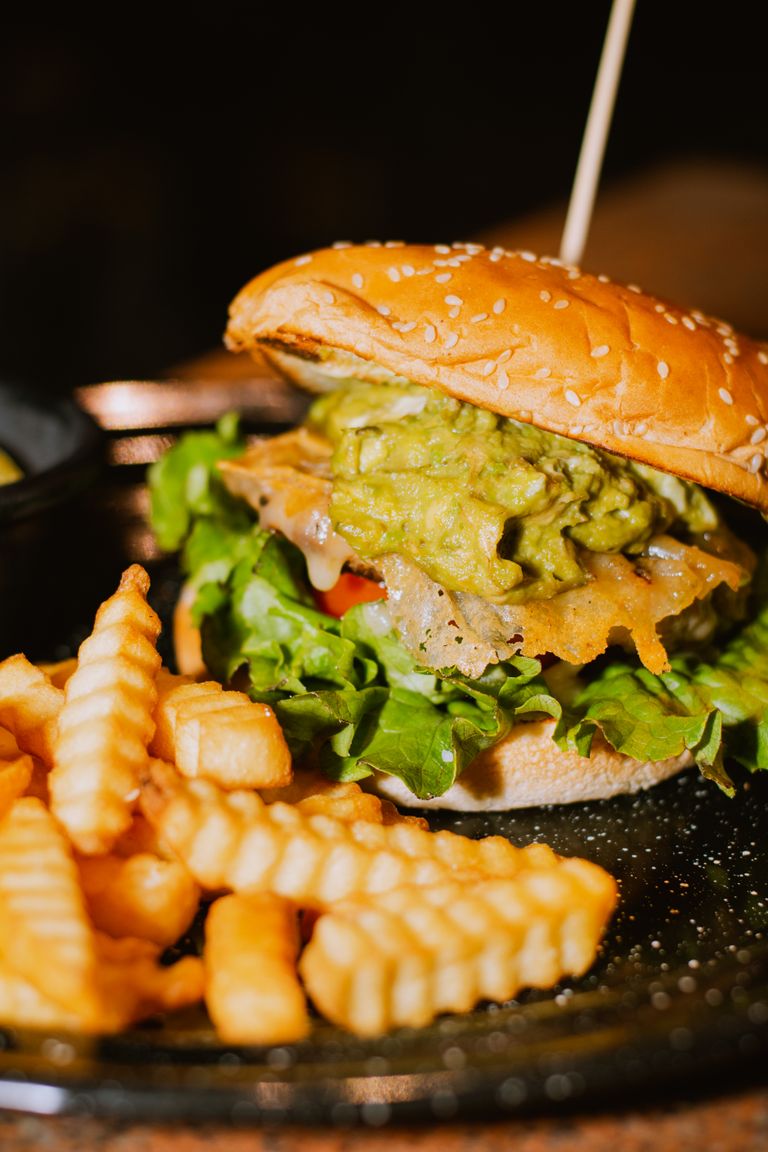
Restaurant nights used to feel like a small reward after a long week. For many families, ordering pizza, grabbing burgers, or sitting down at a casual chain restaurant was not a luxury. It was relief from dishes, planning, and the daily pressure of feeding everyone.
Now, more households are thinking twice before eating out. Prices for food away from home rose faster than those for other food categories, making the simple pleasure of a dinner out feel less casual than before. Even when people still go, they may skip appetizers, share meals, avoid drinks, or choose takeout over table service as restaurant food costs keep reshaping habits.
The Streaming Bundle That Once Replaced Cable
Streaming was supposed to be the cheaper escape. Americans cut cable, picked a few platforms, and felt clever for building their own entertainment menu. Then the bills started multiplying.
Now families are pruning subscriptions the way they once clipped coupons. One service stays, another gets paused, and the forgotten app quietly disappears from the budget. Cost has become a major reason people change or cancel services, and streaming subscription changes show how quickly entertainment comfort turns into another monthly calculation.
The Casual Vacation That No Longer Feels Casual
A quick family trip used to feel like a reset button. A beach weekend, a theme park visit, a cabin rental, or a flight to see relatives gave people something to look forward to when work felt endless.
Now travel planning often starts with a spreadsheet mood. Flights, hotels, rental cars, food, parking, and attraction tickets can turn even modest trips into a financial puzzle. Many Americans still want to travel, but budgetary pressures are pushing families toward shorter trips, cheaper destinations, or the painful decision to stay home.
Name-Brand Groceries Losing Their Shine

For years, certain brands felt like part of the household identity. People had their favorite cereal, paper towels, coffee, detergent, snacks, and sauces. Buying them felt automatic.
That automatic comfort is fading in many carts. Store brands are getting a second look because the grocery total has become a weekly emotional event. Shoppers still want quality, but loyalty gets weaker when the receipt feels rude.
Bigger Homes With Extra Breathing Room
Extra space is used to represent success. A guest room, finished basement, bigger yard, home office, or second bathroom could make family life feel smoother and more dignified.
Today, many Americans are learning to do more with less space. Renters and buyers face tight budgets, high monthly payments, and fewer easy choices. When housing costs rise, the dream of extra room often gives way to shared bedrooms, postponed moves, and creative storage solutions.
The Little Treat After a Hard Week
A latte, manicure, movie ticket, bakery stop, new candle, or lunch splurge can look small from the outside. Inside a stressful life, it can feel like proof that the week did not win.
Those treats are often the first comforts to be cut back on because they are easy to blame. Families may not cut rent, insurance, or childcare, but they can cut the ten-dollar pleasure that made a hard day softer. The sad part is that little treats are rarely the real problem, but they are often the most visible place to save.
Driving Everywhere Without Thinking Twice

For many Americans, driving is not a luxury. It is how life works. Work, school, groceries, appointments, church, sports practice, and family visits often depend on the car.
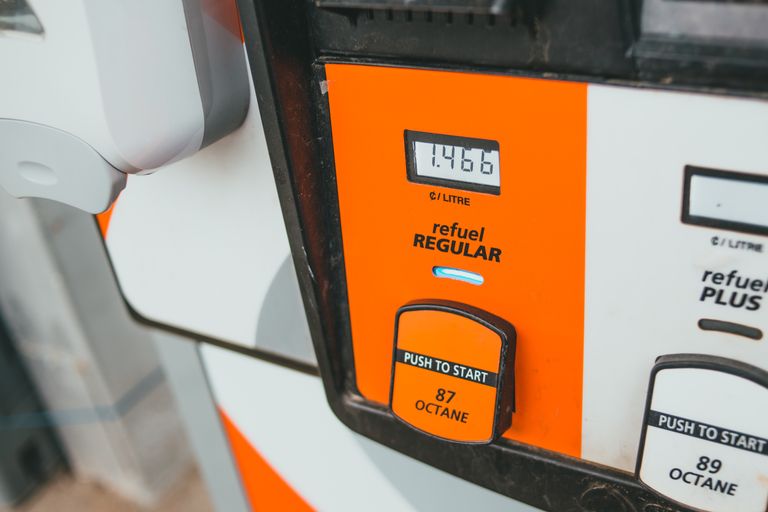
Still, the comfort of driving without having to think about fuel, repairs, insurance, parking, or traffic is fading. People combine errands, delay repairs, carpool more, or skip unnecessary trips. The open-road feeling gets harder to enjoy when every mile comes with a bill.
New Clothes for Every Season
A new outfit once helped mark a fresh season, a new job, a holiday, or a family event. Even bargain shopping carried a thrill because it made change feel affordable.
Now, many people are stretching wardrobes longer. They rewear, repair, thrift, borrow, or wait for deeper sales. Fashion comfort has not disappeared, but it has become more strategic, less spontaneous, and far more tied to the math of the month.
Peaceful Evenings Without Money Talk
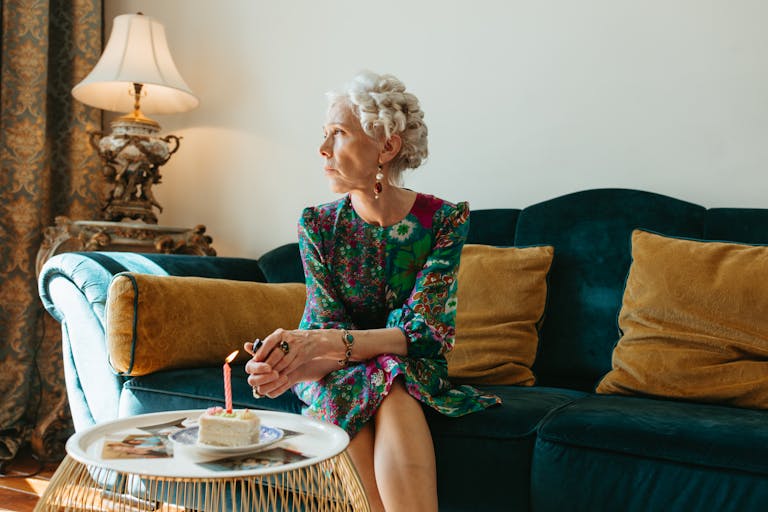
One of the quietest comforts Americans are losing is the ability to relax at night without discussing money. Dinner may be over, the kids may be asleep, and the TV may be on, but the mental calculator keeps running.
Many households are still doing okay on paper, yet higher prices remain a top concern for adults trying to manage daily life. The strain shows up in postponed purchases, careful grocery lists, and the nervous pause before opening a bill. Even comfort itself now competes with concerns about higher prices.
Conclusion

These comforts are not really about spoiled habits or careless spending. It is about ordinary people adjusting to a life where small pleasures feel less automatic than they used to.
Families are still laughing, cooking, traveling, streaming, celebrating, and finding ways to enjoy themselves. They are just doing it with more planning, more comparison, and more quiet sacrifice.
That is the part worth noticing. When comfort becomes something people have to negotiate, delay, or defend, daily life starts to feel harder than the numbers alone can explain. America has not lost its appetite for comfort. It has simply become more careful about what comfort costs.