Ozempic has become one of the most famous prescription drugs in America, and that fame did not happen quietly. The diabetes medication moved from pharmacy shelves to celebrity interviews, TikTok debates, weight-loss clinics, dinner conversations, and online black markets with shocking speed.
For some patients, it has changed blood sugar control, appetite, weight, and long-term health planning in powerful ways. For others, it has brought nausea, fear, confusion, cost problems, and side effects they never expected.
The danger is not that Ozempic is useless. The danger is that the hype often sounds cleaner than the reality. This is still a serious prescription drug, not a casual beauty shortcut or a quick fix for everybody’s insecurity.
It affects the stomach, pancreas, gallbladder, blood sugar, kidneys, eyes, appetite signals, and possibly even reward pathways in the brain. Before anyone treats it like a miracle, these are the risks people keep talking about.
Severe Stomach Problems Can Hit Hard
Ozempic works partly by slowing stomach emptying. That delay can help people feel full longer, which is one reason the drug can reduce appetite and support weight loss. The same effect can also create miserable digestive problems for some users.
Nausea, vomiting, constipation, diarrhea, stomach pain, and bloating are among the most common complaints. The scarier concern is that some patients report symptoms that feel far beyond ordinary stomach upset.
Slow digestion can become severe enough to interfere with eating, hydration, comfort, and daily life. Some reports have involved gastroparesis, often described as stomach paralysis, and ileus, a condition linked to blocked or stalled movement through the intestines. These problems are still considered uncommon, but they show why a drug that changes digestion should never be treated like a simple appetite hack.

Counterfeit Ozempic Is Becoming A Dangerous Trap
Demand for Ozempic created a perfect opening for counterfeit sellers. When a drug becomes expensive, hard to find, and wildly popular, fake versions follow the money. Some buyers search online because they cannot afford the official medication, cannot get insurance coverage, or want it without uncomfortable medical questions.
That shortcut can become dangerous fast. Fake Ozempic may contain the wrong dose, no semaglutide at all, contaminated ingredients, or another substance entirely. The risk is even higher because Ozempic is injected, so sterility and proper handling are critical.Expose someone to infection, unexpected changes in blood sugar, allergic reactions, or treatment failure.
The black-market Ozempic boom proves one thing clearly: the more a prescription drug becomes a trend, the more dangerous the underground market becomes.
Compounded Semaglutide Can Lead To Dosing Mistakes
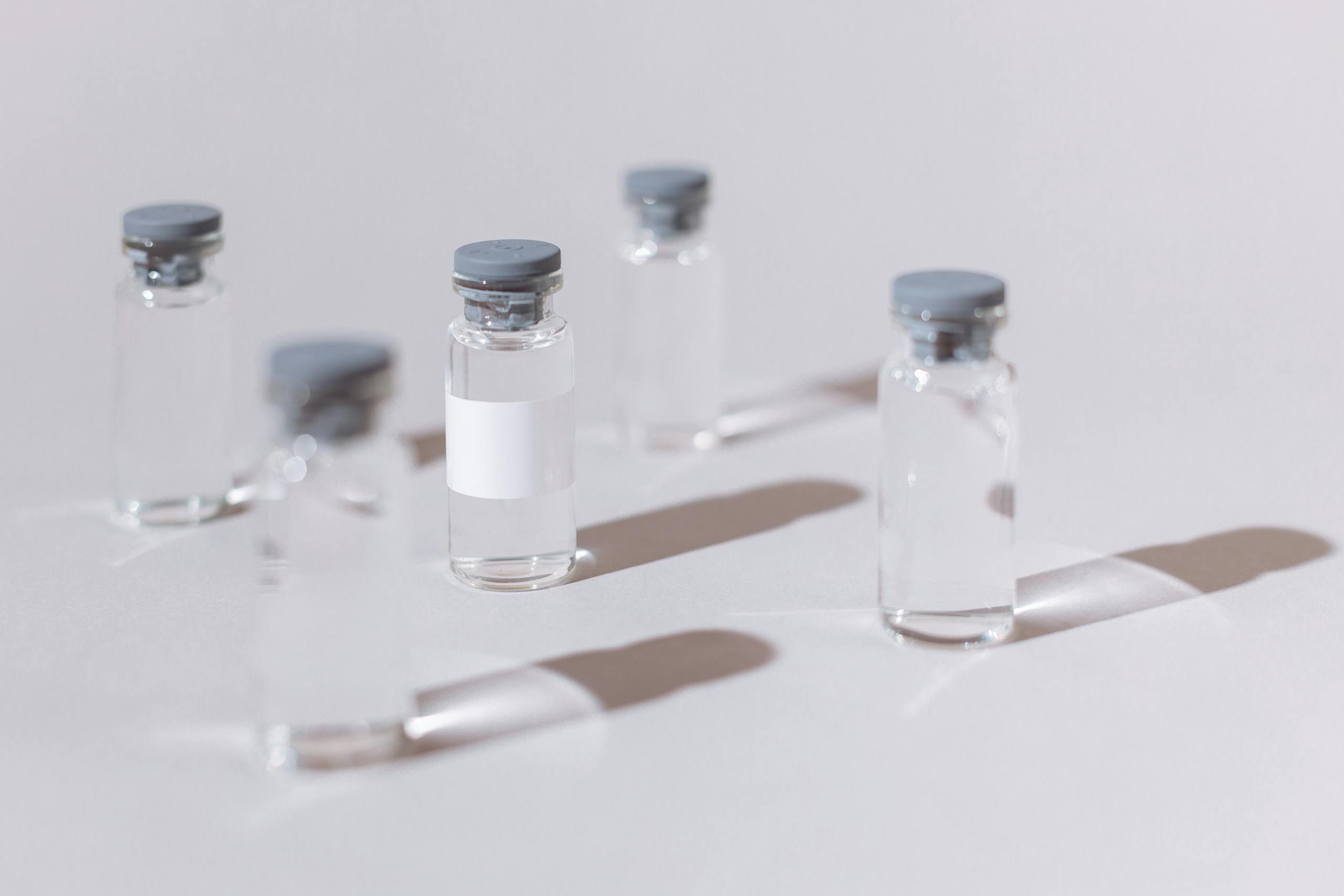
Compounded semaglutide became popular during shortages and price frustration, but it has raised serious safety concerns. Some compounded products are sold in vials instead of the familiar branded pens.
That can leave patients measuring their own dose, drawing liquid into a syringe, and trying to understand concentration numbers that may not be simple. One tiny dosing mistake can turn into a very rough medical experience.
This is especially risky because semaglutide is highly potent even in small doses. Too much can trigger intense nausea, vomiting, dehydration, abdominal pain, fainting, or worse.
Some dosing errors have happened because patients misunderstood instructions, while others involved health professionals miscalculating doses. The issue is not just that compounded products exist. The bigger risk is that people may treat them like cheaper copies without understanding how easily the dose can go wrong.
Vision Loss Concerns Have Made Patients Nervous
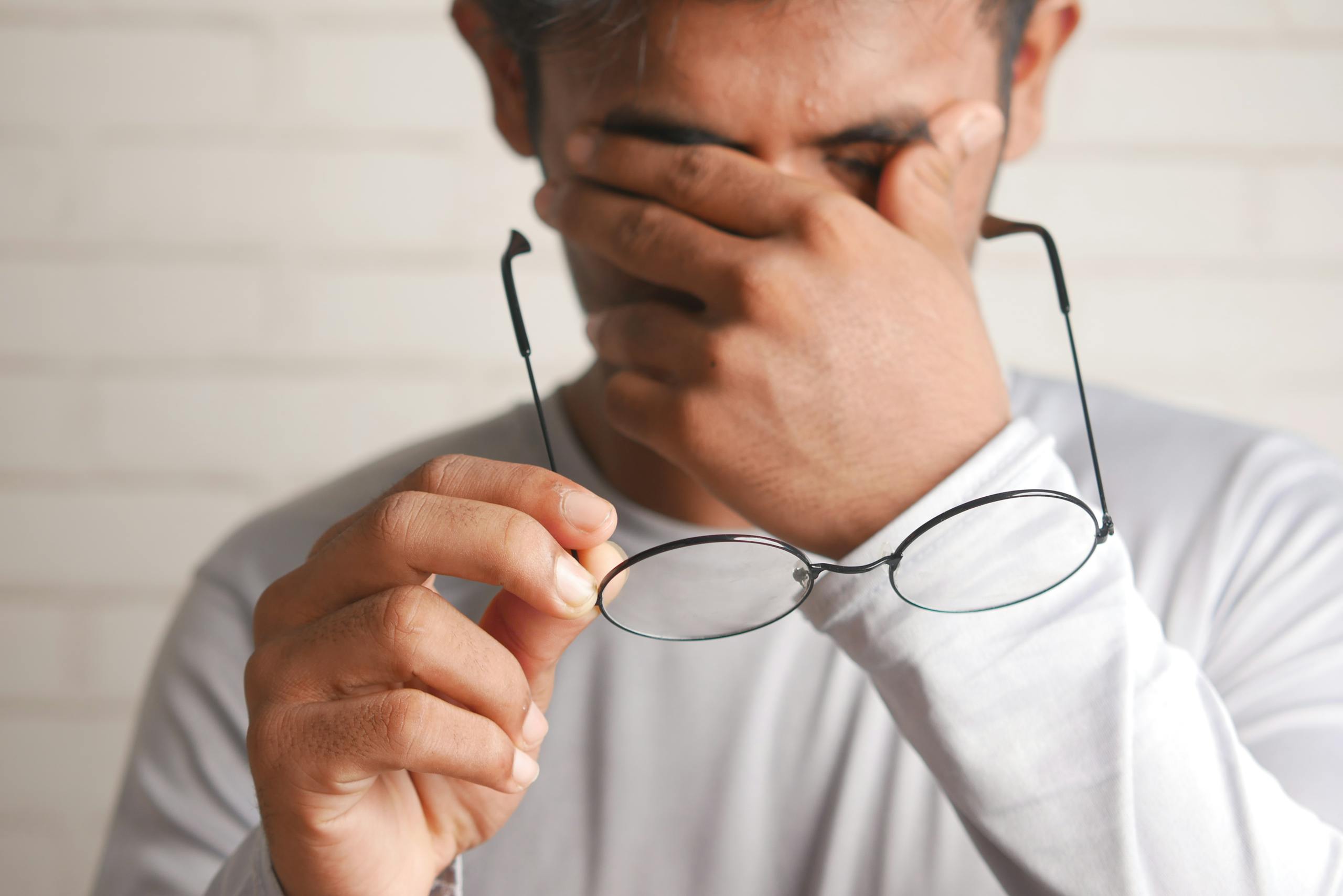
One of the most alarming Ozempic discussions concerns a rare eye condition called non-arteritic anterior ischemic optic neuropathy (NAION). It can cause sudden vision loss, usually in one eye.
Research has found an association between semaglutide prescriptions and higher NAION risk in certain patients with type 2 diabetes or obesity. That does not prove Ozempic directly causes the condition, but it has made doctors and patients pay closer attention.
The issue is complicated because many people taking Ozempic already have risk factors that can affect the eyes, including diabetes, high blood pressure, sleep apnea, and vascular problems. Still, sudden vision changes should never be ignored.
Blurry vision, dark spots, sudden loss of sight, or eye pain deserves urgent medical attention. This risk is rare, but the possible consequence is serious enough to belong near the top of the conversation.
Pancreatitis Warnings Remain A Serious Concern
Ozempic carries warnings about acute pancreatitis, which is inflammation of the pancreas. This condition can cause severe abdominal pain that may move toward the back and may come with vomiting. Pancreatitis is not the same as ordinary nausea after a dose increase.
It can become a medical emergency and requires immediate attention. This risk matters because many people hear about Ozempic through weight-loss success stories rather hanrather than medication guides. ect appetite changes and a little nausea, but not severe pain that could signal a deeper problem.
Anyone using semaglutide should know the difference between mild side effects and warning signs that demand medical care. A smaller waistline is never worth ignoring intense abdominal pain.
Gallbladder Problems Can Appear During Weight Loss
Gallbladder issues are another risk that can get lost in the excitement around weight loss. Ozempic and similar drugs may be linked with gallbladder problems such as gallstones or inflammation of the gallbladder.
Rapid weight loss can also increase the risk of gallstones, further complicating the picture. Blame the drug, the diet change, the weight loss, or all three. The symptoms can be painful and frightening.
Pain in the upper right abdomen, fever, yellowing of the skin or eyes, nausea, and vomiting can point to gallbladder trouble.
This is one reason medical monitoring matters, especially when weight is dropping quickly. Ozempic may help some people lose weight, but the body does not always adjust gently to sudden metabolic change.
Blood Sugar Can Drop Too Low With Certain Medications
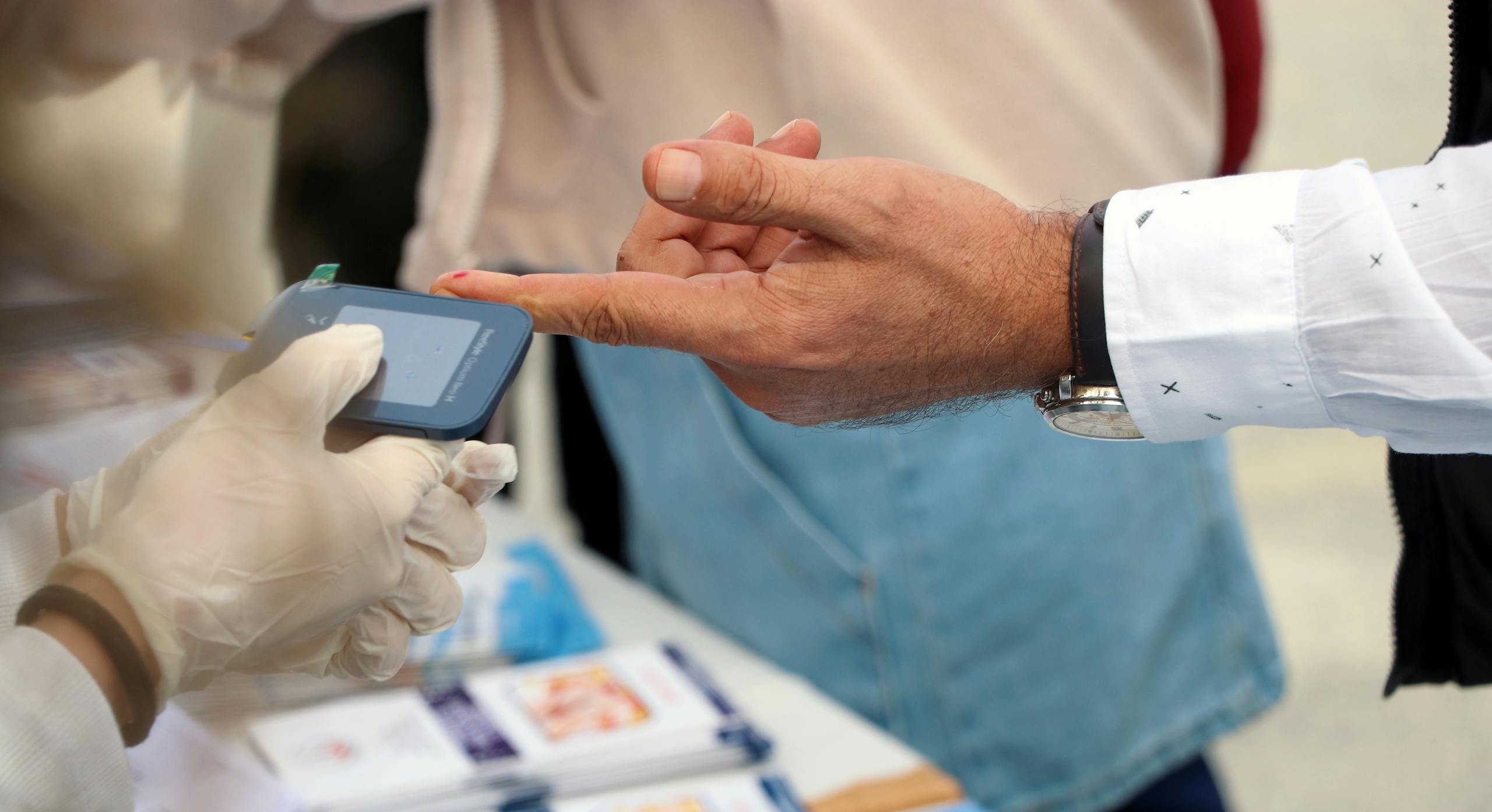
Ozempic helps improve blood sugar control in adults with type 2 diabetes, but low blood sugar can become a risk when it is used with certain other diabetes medicines. This is especially important for people taking insulin or sulfonylureas.
When medications stack their effects, blood sugar may fall too far. That can lead to shakiness, sweating, confusion, dizziness, hunger, weakness, or fainting. The risk becomes more serious when people eat less because Ozempic reduces appetite.
A person may take the same diabetes medication dose but consume much less food than usual. That mismatch can create trouble.
This is why patients should not adjust doses casually or copy someone else’s routine online. Blood sugar management must be personal, careful, and supervised.
The Thyroid Tumor Warning Sounds Scary For A Reason
Ozempic includes a boxed warning about thyroid C-cell tumors based on animal studies. It is not known whether the same risk applies to humans, but the warning is serious enough that people with a personal or family history of medullary thyroid carcinoma should not use the drug.
It is also not recommended for people with Multiple Endocrine Neoplasia syndrome type 2. This does not mean Ozempic causes thyroid cancer in every patient or that users should panic. It means certain medical histories matter a lot.
A trendy prescription can still be the wrong prescription for the wrong person. Neck swelling, trouble swallowing, hoarseness, or a lump in the neck should be discussed with a doctor. The risk may be uncertain in humans, but the warning should not be brushed aside.

The Price Can Push People Toward Unsafe Choices
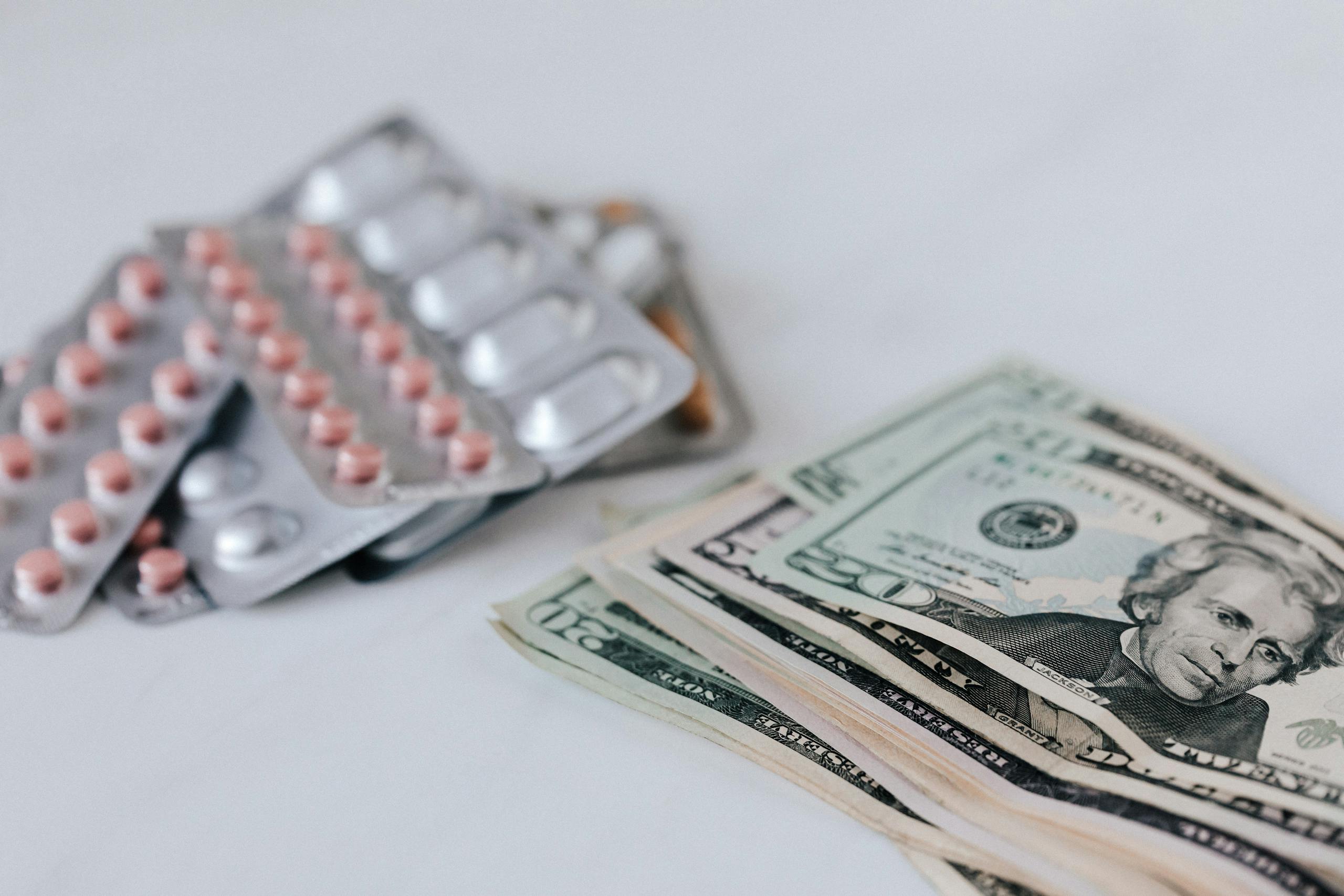
Ozempic’s cost has become one of the biggest frustrations in the entire GLP-1 conversation. In the United States, prices can be far higher than what patients see in other countries.
Insurance coverage varies, and many people who want or need treatment may still face high out-of-pocket costs. That creates a harsh divide between those who can access the drug safely and those pushed toward cheaper, riskier routes.
This is where medical risk and financial pressure collide. High prices can drive people to online sellers, fake pharmacies, sketchy compounded products, and dosing shortcuts.
Some people stretch out doses beyond what’s prescribed. Others share pens or seek unverified sources. The cost problem is not just a wallet issue. It can become a safety issue when desperate patients prioritize affordability over proper medical care.
Microdosing Trends Are Moving Faster Than Evidence
Microdosing Ozempic has become a trendy idea among people seeking milder effects, fewer side effects, lower costs, or weight maintenance after losing weight. On the surface, it sounds controlled and clever.
In real medical care, dose adjustments can be useful when guided by a professional. The problem begins when people create their own schedules from social media advice.
A smaller dose does not automatically mean a safe dose. It can still affect blood sugar, digestion, appetite, and medication timing. It can also lead people to use expired medication, stretch pens too long, or measure from compounded vials incorrectly.
The wellness world loves to turn medical language into lifestyle language, but Ozempic is not a supplement. It is a prescription drug with real effects and real consequences.
Addiction And Craving Research Could Be Oversold Too Soon
One of the most fascinating Ozempic conversations involves cravings beyond food. Early research suggests semaglutide may affect reward pathways linked to alcohol intake and possibly other compulsive behaviors.
That discovery has created excitement because it hints at future treatment possibilities for alcohol use disorder and other conditions. The risk is that the public may run ahead of the science. Ozempic is not approved as an addiction treatment.
A promising study does not mean people should use it to self-treat drinking, smoking, shopping, gambling, or any other compulsive habit. The brain’s reward system is complex, and cravings rarely have one simple switch.
This is a hopeful research area, but it should not become another internet myth. The drug may one day help doctors understand addiction better, but that is very different from calling it a cure.
Conclusion
Ozempic deserves attention, but it also deserves caution. It is not just a weight-loss headline, a celebrity secret, or a social media before-and-after story. It is a prescription drug that can affect several parts of the body at once, including digestion, blood sugar, appetite, the gallbladder, the pancreas, and possibly the brain’s reward system.
That power is exactly why some patients benefit from it, and exactly why careless use can become dangerous. The smartest Ozempic conversation is not built on panic or hype.
It starts with medical guidance, honest risk discussions, safe sourcing, and realistic expectations. For some people, Ozempic may be a valuable tool. For others, it may be unnecessary, unsafe, too expensive, or poorly suited to their health history. The risk everyone should take seriously is the belief that a powerful drug can be treated like a trend.