A child who learns to stay quiet at the dinner table may grow into an adult who struggles to ask for help. A kid who is always praised for being “easy” may become the person who says yes until resentment starts leaking out.
Childhood does not stay in childhood.
It follows people into paychecks, marriages, group texts, grocery aisles, work meetings, and late-night arguments. Many adults think they are reacting to today’s problem when they are really answering with yesterday’s survival habit.
That is why childhood habits that create adult problems can be so sneaky. They often begin as ways to stay safe, loved, accepted, or unnoticed, then turn into patterns that make adult life harder than it needs to be.
Always Saying Yes to Keep the Peace
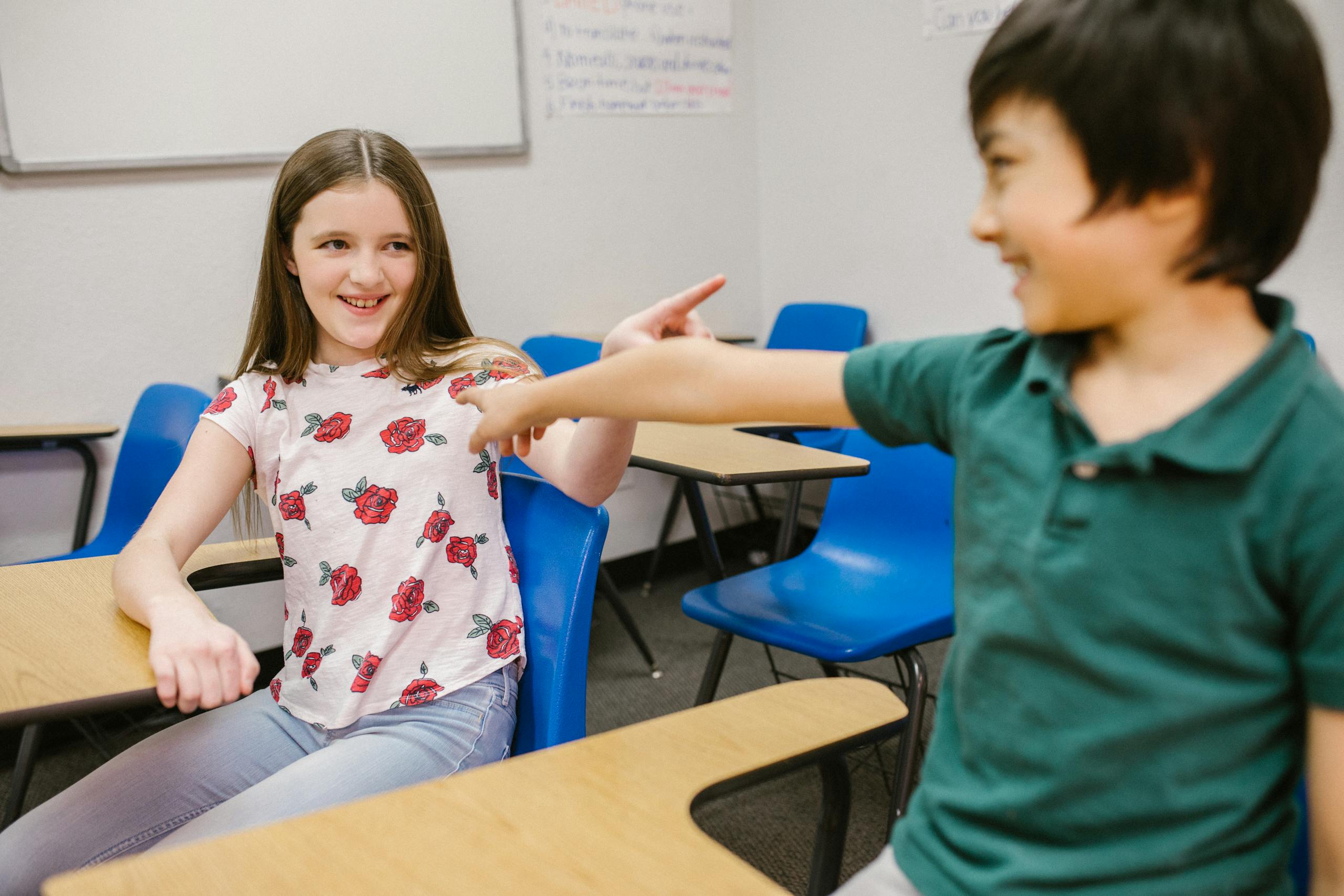
Some children learn that saying no creates trouble. They agree quickly, stay pleasant, avoid conflict, and become the children adults describe as “so mature” or “never a problem.” That habit may look harmless from the outside.
In adulthood, it can become people-pleasing. The person takes extra shifts, accepts one-sided friendships, handles family demands, and stays quiet in relationships because disappointment feels dangerous. The bill eventually comes due in the form of exhaustion, resentment, and the painful feeling of living for everyone else.
Avoiding Responsibility Because Someone Always Rescued Them
Some children never learn what it feels like to face consequences because someone always fixes the problem. A parent replaces the lost item, excuses the missed assignment, handles the conflict, pays the fee, and removes the discomfort before the lesson begins.
That can create adults who feel attacked by responsibility. Deadlines get missed. Bills get ignored. Partners become managers. Coworkers become cleanup crews. Love can rescue a child from a single hard moment, but excessive rescuing can leave an adult unprepared for ordinary life.
Hiding Feelings Before Anyone Can Judge Them
Many children are taught to swallow their emotions before they understand them. Crying is called dramatic. Anger is called disrespectful. Fear is brushed aside. Sadness is treated like something to hurry through.
Those lessons can make adulthood emotionally confusing. A person may shut down during conflict, explode over small problems, or avoid honest conversations because they never learned to name big feelings without shame. Silence may look controlled, but it is not the same as emotional strength.
Waiting Until Panic Becomes the Plan

Some kids learn to move only when pressure becomes unbearable. Homework gets done at midnight. Cleaning happens only after yelling starts. Apologies come after someone threatens to leave. The child becomes skilled at last-minute survival.
Adult life makes that habit expensive. Bills, taxes, medical appointments, work projects, car repairs, and serious conversations do not always forgive delay. A person who depends on panic may seem productive, but inside, they are often stuck in a loop of dread, adrenaline, relief, and regret.
Escaping Into Screens Whenever Life Feels Awkward
Screens can entertain, teach, and connect. They can also become the easiest hiding place. A child who reaches for a phone, game, tablet, or video whenever boredom or sadness arises may never learn to tolerate discomfort.
That pattern can grow into adult avoidance. Instead of resting, the person scrolls. Instead of talking, they watch clips. Instead of sitting with stress, they disappear into digital noise. Healthy limits around balanced screen habits matter because attention becomes the doorway to almost everything else.
Skipping Connection Until Loneliness Feels Normal
Not every family has peaceful dinners, long talks, or warm routines. Some homes are busy, tense, distracted, or emotionally distant. A child may learn to stay private, need little, and stop expecting anyone to notice.
The adult version can look independent, but it often feels lonely. Shared meals, repeated check-ins, and simple routines can create a sense of family that helps children feel seen. The deeper lesson is not about the meal itself. It is about knowing someone expects you, hears you, and makes room for you.
Never Learning How to Apologize Without Defending

Some children grow up around adults who never apologize properly. Maybe apologies are forced, sarcastic, rushed, or missing completely. The child watches people dodge blame, change the subject, or act like time alone fixes harm.
Later, that becomes a relationship problem. The adult says, “Sorry you feel that way,” explains too much, disappears, or turns every complaint into a trial. Real apologies require humility, ownership, and changed behavior. Without that skill, love becomes harder to repair.
Treating Sleep Like Something That Can Wait
Children do not always control their bedtime environment. Some grow up in loud, stressful, screen-heavy homes, or households where rest is treated like a reward rather than a need. The body learns to stay alert long after it should be winding down.
That habit follows people into adulthood with real consequences. Poor sleep can affect mood, patience, focus, appetite, and decision-making. When children learn early that sleep supports health, they carry a better foundation into school, work, relationships, and stress.
Confusing Chaos With Love
Some children grow up where love feels unpredictable. Affection comes after yelling. Attention arrives during a crisis. Peace feels temporary. The child learns to read tension like the weather and may start to believe that intensity means connection.
As adults, calm relationships may feel strange, even boring. Unpredictable partners can feel familiar because the nervous system recognizes the pattern. This is one of the hardest childhood habits that creates adult problems, because the person may keep chasing the emotional climate they once wished they could escape.
Conclusion

The childhood habits that create adult problems do not always look unhealthy at first. Some look polite. Some look tough. Some look independent. Some look responsible, calm, or low-maintenance.
That is what makes them powerful.
A person can spend years praising the very habit that is quietly hurting them. Saying yes feels kind until it becomes self-erasure. Staying quiet feels safe until it becomes loneliness. Pushing through feels strong until the body and mind start asking for something different.
The good news is that childhood writes the first draft, not the final version. Adults can learn new patterns, choose calmer love, ask for help, rest without guilt, apologize honestly, and stop treating old survival habits as permanent personality traits.