Some people take frugality way too far, and everyone notices. Hoarding coupons, reusing paper towels endlessly, or skimping on tips may seem smart, but it signals something else entirely: discomfort, obsession, or social awkwardness. Extreme thrift often annoys others more than it saves money. If you’ve ever wondered which habits cross the line from smart saving to obnoxious, these ten behaviors tell the story clearly.
Obsessively Clipping Every Coupon
Carrying stacks of coupons everywhere might feel clever, but it slows lines and confuses cashiers. It shows a fixation on saving pennies at the cost of time and efficiency. Extreme couponing signals obsession rather than strategy and can make shopping more stressful for everyone around you.
Reusing Paper Towels and Tissues
Stretching a single towel or tissue too far saves little but creates visible messes. Spills and smudges often remain, drawing attention to the effort rather than rewarding it. Guests and coworkers notice when “savings” compromise cleanliness, making the habit counterproductive.

Avoiding Tips or Shortchanging Service
Not tipping properly communicates indifference or stinginess. Servers, drivers, and baristas notice, and small savings feel petty when weighed against social impact. Skipping a tip may save a few dollars, but it signals selfishness in everyday interactions.
Holding onto Broken Items
Cracked mugs, torn clothes, and leaky containers can become hazards when reused indefinitely. The effort to save a few cents results in extra frustration, spills, or inconvenience. True thrift balances reuse with practical functionality.

Extreme Online Bargain Hunting
Endlessly searching for the cheapest deal wastes time and mental energy. Shopping becomes stressful rather than efficient, turning a simple purchase into a burden. The thrill of constant discounts rarely justifies the constant effort.
Haggling Over Every Price
Negotiating is reasonable sometimes, but challenging every charge can feel aggressive. Cashiers and friends notice tension, creating awkward social moments. Being selective and polite while saving is smarter than forcing every interaction into a contest.
Skipping Maintenance to Save Money
Avoiding routine repairs on cars, appliances, or home fixtures may save a few dollars now. Over time, it causes bigger, more costly problems that outweigh the initial savings. Smart frugality prevents unnecessary risks rather than creating them.
Obsessing Over Expired Food
Refusing to discard expired items fills cabinets with clutter and risks health issues. Holding onto nearly spoiled goods wastes space and energy without financial benefit. Cautious use is smart, but obsession backfires on hygiene and efficiency.
Reusing Single-Use Items Excessively
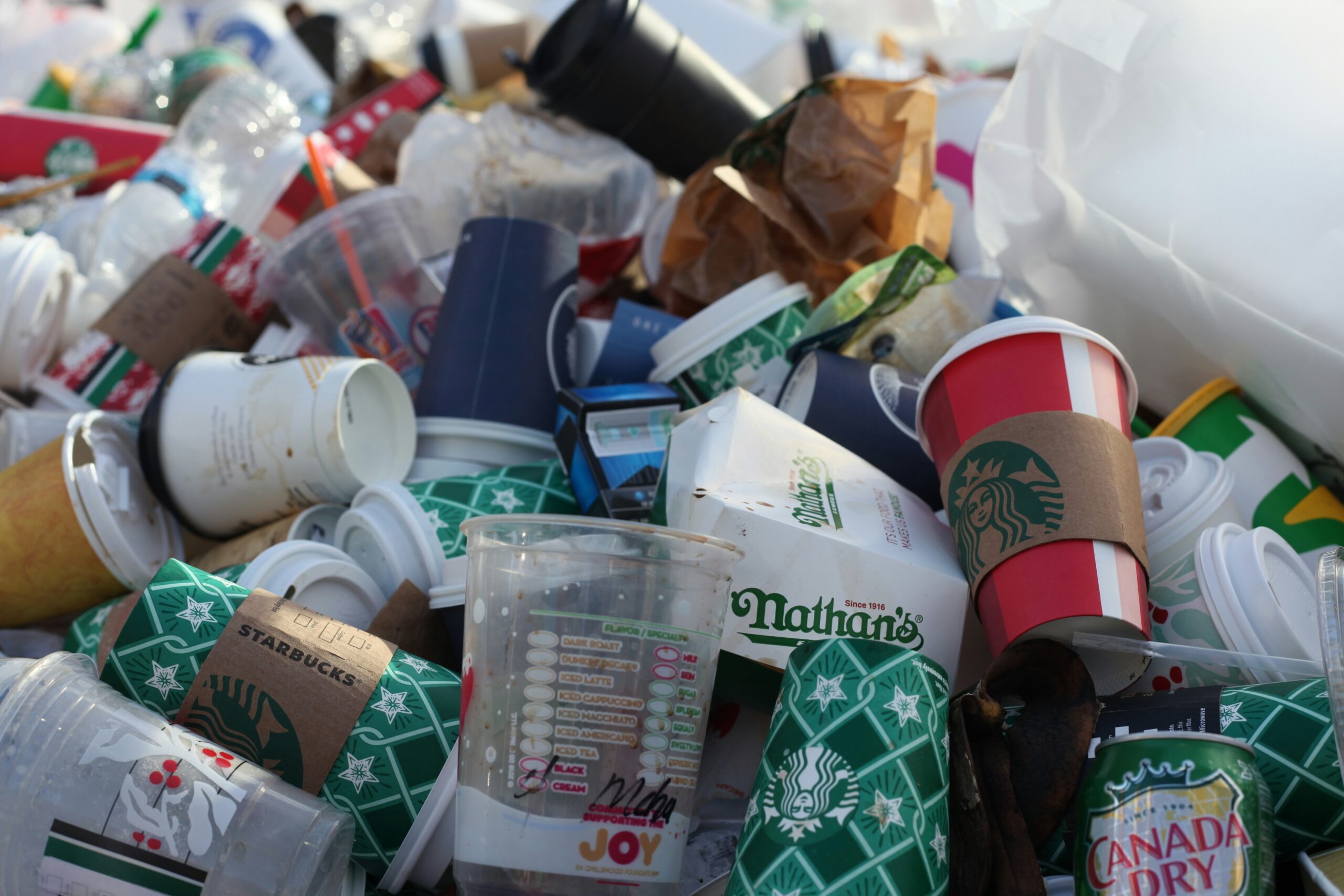
Stretching disposable items like utensils, bags, or cups beyond their intended use compromises hygiene and convenience. Saving a few cents often frustrates others or creates extra work. Sometimes, replacing an item is cheaper in stress, time, and functionality than attempting extreme reuse.
Refusing to Share or Borrow
Avoiding lending or borrowing to protect money isolates relationships. Friends and family notice, making interactions transactional rather than genuine. Extreme frugality at the expense of social connection often costs more emotionally than financially.
Conclusion
Being careful with money is wise, but taken too far, it becomes counterproductive and socially awkward. Extreme penny-pinching communicates obsession, discomfort, or selfishness. True frugality focuses on efficiency, practicality, and balance, saving smartly without alienating the people around you.