The 2026 World Cup already promised drama before a ball was kicked. Now Iran has added one of the strangest twists of the tournament: the team will play its group games in the United States, but its base camp has moved to Mexico.
Yes, really. Iran is expected to train, recover, and sleep in Tijuana, then travel into the U.S. for matches in Los Angeles and Seattle. It is a setup that sounds more like a border-politics thriller than a soccer schedule.
This is not just about hotel rooms. It is about visas, security fears, international tension, FIFA logistics, and a World Cup trying to stay smooth while politics keeps knocking on the door.
The U.S. Stay Became the Big Issue

The main problem is not Iran playing in the tournament. The issue is where the team can stay while the World Cup is happening. Mexico’s president, Claudia Sheinbaum, said FIFA asked whether Iran could stay in Mexico after the U.S. declined to accommodate the team overnight during the competition.
That answer gave FIFA a workable solution. Iran can still play its scheduled matches in the United States, but its daily operations move south of the border. It is practical, but it is also politically loud. A team playing in America while being based in Mexico will attract attention far beyond soccer fans.
Iran’s Base Camp Has Shifted From Arizona to Tijuana
Iran was first expected to base its World Cup operation in Tucson, Arizona. That plan has now changed, with the team moving its camp to Tijuana, Mexico. The border city gives Iran a nearby base for its two Los Angeles-area matches without keeping the squad inside the U.S. between games.
That matters because a World Cup base camp is more than a place to sleep. It is where players train, eat, recover, hold meetings, manage media duties, and build their tournament rhythm. Moving that operation across a border adds more pressure to an already tense campaign.
Tijuana Gives Iran a Practical Escape Route

Tijuana offers a simple advantage: location. It sits close to the California border and gives Iran access to the Los Angeles area without making the U.S. the team’s full-time home during the tournament.
That does not make the setup easy. Players, coaches, medical staff, equipment teams, security officials, and federation staff will have to coordinate every movement carefully. Training plans, match-day travel, airport transfers, and border logistics all become part of the story.
Iran Still Has Three U.S. Group Matches
Iran’s match schedule remains unchanged. The team is set to face New Zealand on June 15 at SoFi Stadium in Inglewood, California. It will then play Belgium on June 21 at the same venue before heading to Seattle to face Egypt on June 26.
The first two matches make Tijuana a useful base because Southern California is close. The Seattle match is trickier. That trip will require longer travel, tighter planning, and careful recovery time. At a World Cup, even small disruptions can matter.
Visa Pressure Is Becoming a World Cup Problem
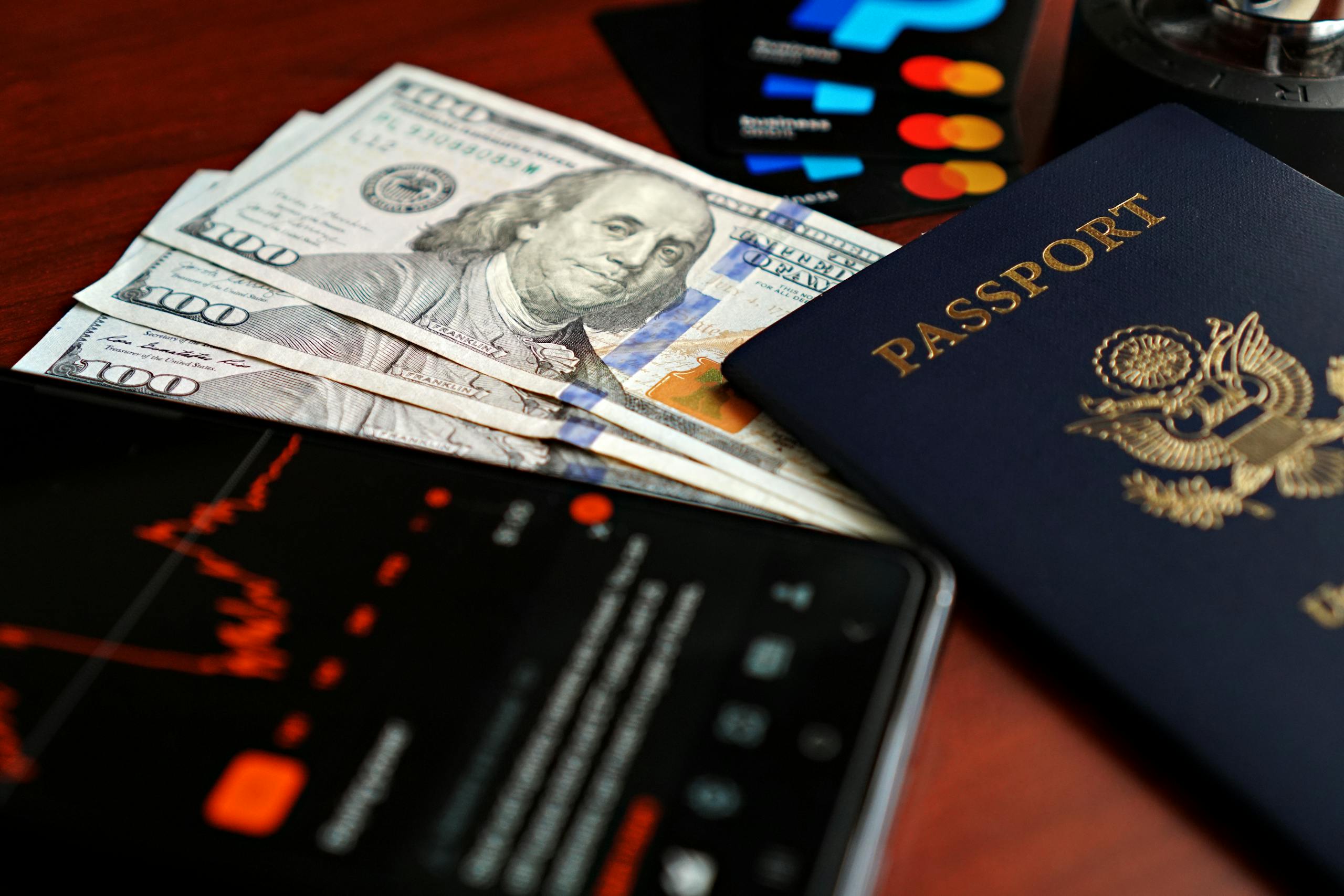
Iran’s situation also points to a bigger issue. The World Cup brings players, coaches, fans, journalists, officials, and families from around the world. When visa rules become complicated, the tournament becomes harder to manage.
For fans, this could be even more frustrating. Some Iranian supporters may struggle to enter the U.S. for matches, which could affect the atmosphere in the stadiums. A World Cup is supposed to feel open and global. Heavy travel restrictions can make it feel more selective.
Politics Is Already Part of the Tournament
The World Cup always tries to sell unity, but national teams carry politics with them whether they want to or not. Iran’s presence in U.S. stadiums during a tense political moment will be watched closely.
Every arrival, press conference, anthem, and security movement could become a headline. That is unfair pressure on the players, but it is also the reality of international soccer. When a country’s flag is on the shirt, the game is rarely just a game.
Mexico’s Role May Become More Important Than Expected
Mexico’s decision to host Iran’s base camp gives FIFA breathing room. Without Mexico stepping in, the issue could have become a bigger diplomatic fight before the tournament even started.
It also shows why a three-country World Cup is both useful and complicated. The United States, Mexico, and Canada can share the burden, but they also bring different laws, politics, and security concerns. Iran’s case is an early reminder that this tournament will need constant coordination.
The Travel Setup Could Affect Performance
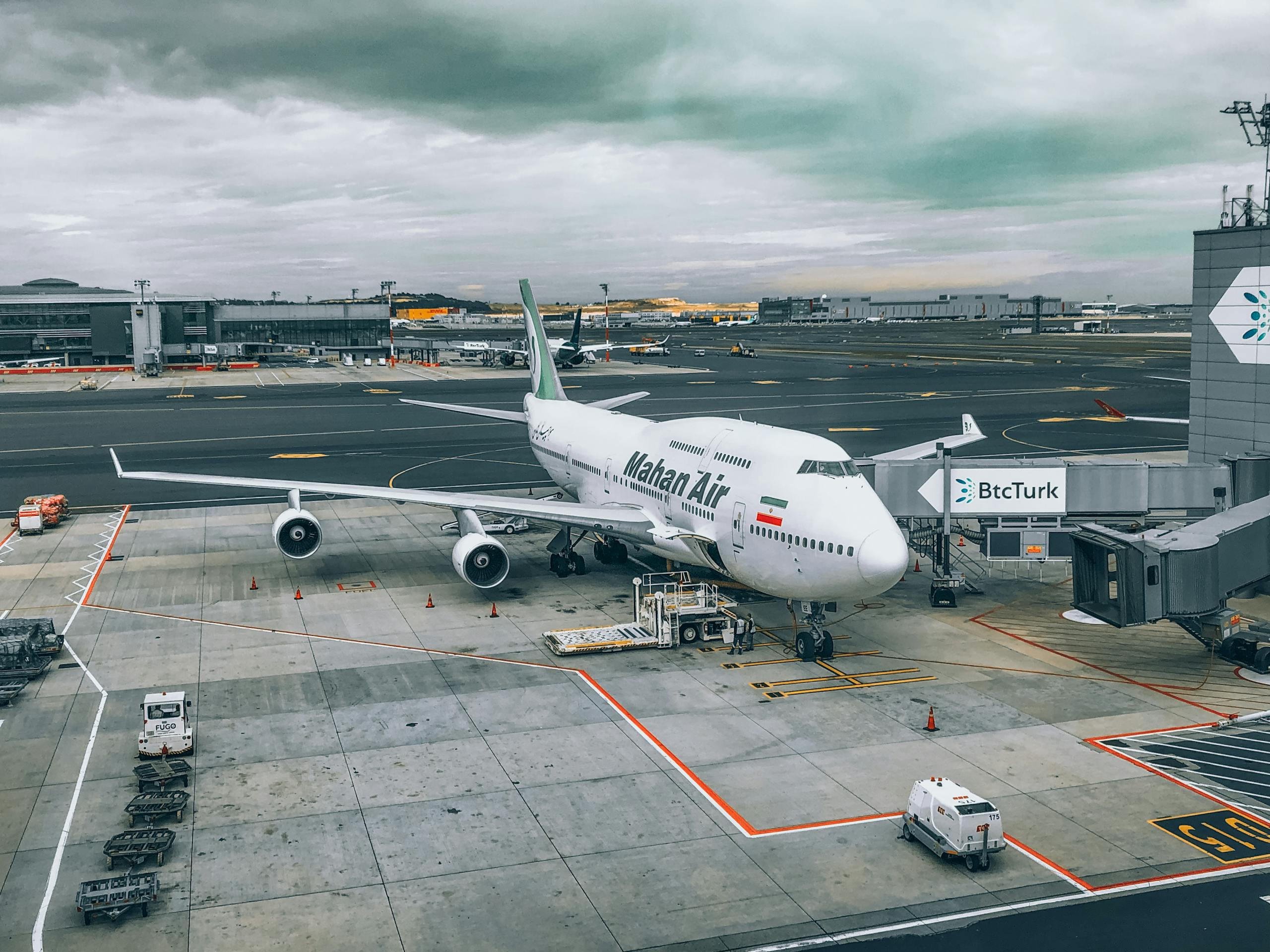
Iran is trying to reach the knockout stage after several failed attempts in past World Cups. That goal becomes harder if the team spends too much energy managing distractions.
A stable base helps players settle. They need rest, privacy, good meals, medical care, and predictable routines. Tijuana may solve the accommodation problem, but cross-border travel adds new moving parts. Iran’s staff will need to make the setup feel normal fast.
Key Takeaway
Iran’s move to Tijuana is not just a small travel update. It is one of the clearest signs that the 2026 World Cup will be shaped by politics before the opening whistle.
The team will play in the U.S., but live and train in Mexico. That image will be hard to ignore. Soccer may be the world’s game, but it still has to pass through borders, visas, security rules, and political tension before kickoff.