The most dangerous thing in an American home is not always the creepy basement, the dark hallway, or the old house making noises after midnight. Sometimes it is sitting in a junk drawer, leaning against a wall, glowing beside the couch, charging under a bed, or tucked inside a medicine cabinet that nobody has cleaned out since the last flu season.
That is what makes household danger so unsettling. A home feels safe because it is familiar. People know the couch stains, the hallway creak, the kitchen smell, the laundry pile, and the bathroom cabinet chaos. But familiar does not always mean harmless, and some of the riskiest things in American homes look completely ordinary until something goes wrong.
Button Batteries Hiding in Everyday Gadgets
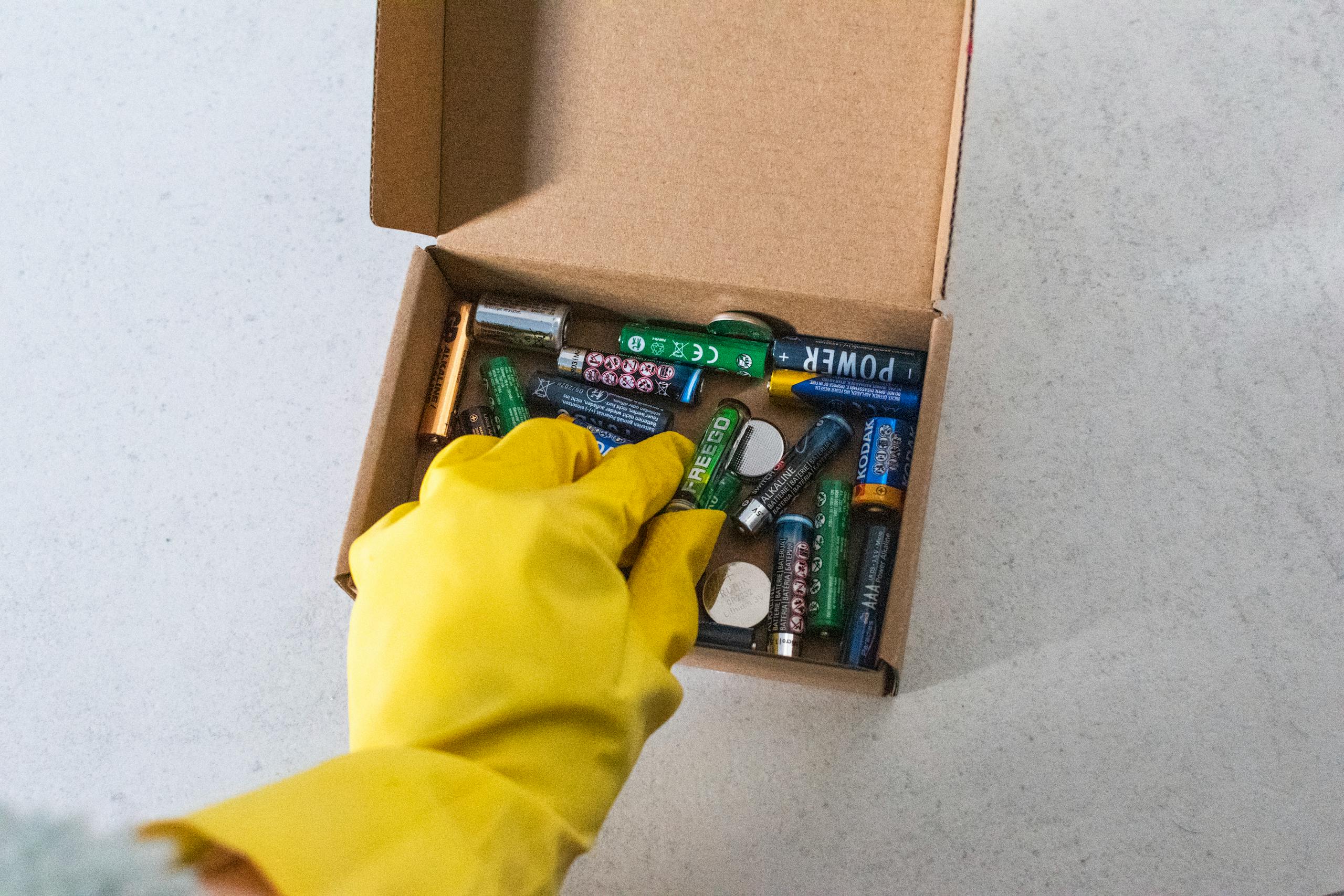
Button batteries are tiny enough to disappear into a couch cushion, a toy compartment, a remote control, or a drawer full of random “useful” things nobody wants to throw away. That size is exactly what makes them frightening. To a curious child, they can look like a shiny little object worth touching, tasting, or swallowing.
The risk is immediate and serious. Small coin-style batteries can burn through tissue in as little as two hours if swallowed. That is why remotes, toys, key fobs, thermometers, watches, flameless candles, and hearing aids deserve more attention than most families give them.
Old Medicine in the Bathroom Cabinet
Many American homes have a medicine cabinet that functions like a tiny pharmacy with no pharmacist. There are leftover pain pills, old antibiotics, cold medicine, sleep aids, expired prescriptions, and bottles nobody can identify without squinting at the label. People keep them “just in case,” then forget they are sitting within reach.
That can become dangerous fast, especially around children, teens, older adults, and visitors. In 2024, poison centers handled nearly 2.1 million human poison exposures, which shows how quickly ordinary household substances can become emergencies. The danger is not only misuse. It is confusion, accidental dosing, curiosity, and the false comfort of assuming a closed cabinet is as safe as a locked one.
Space Heaters Too Close to Comfort
A space heater can feel like a hero on a freezing morning. It warms a bedroom, takes the edge off a drafty living room, and saves people from having to touch the thermostat like it controls the national debt. But a small heater can turn dangerous when it sits too close to blankets, curtains, furniture, pets, or piles of laundry.
The scary part is how normal the setup can look. A heater beside the couch may feel cozy right until the room becomes a fire scene. Families often focus on whether the room feels warm, not whether the cord is damaged, the heater is too close to fabric, or the device is running while everyone sleeps.
Carbon Monoxide From Appliances and Generators
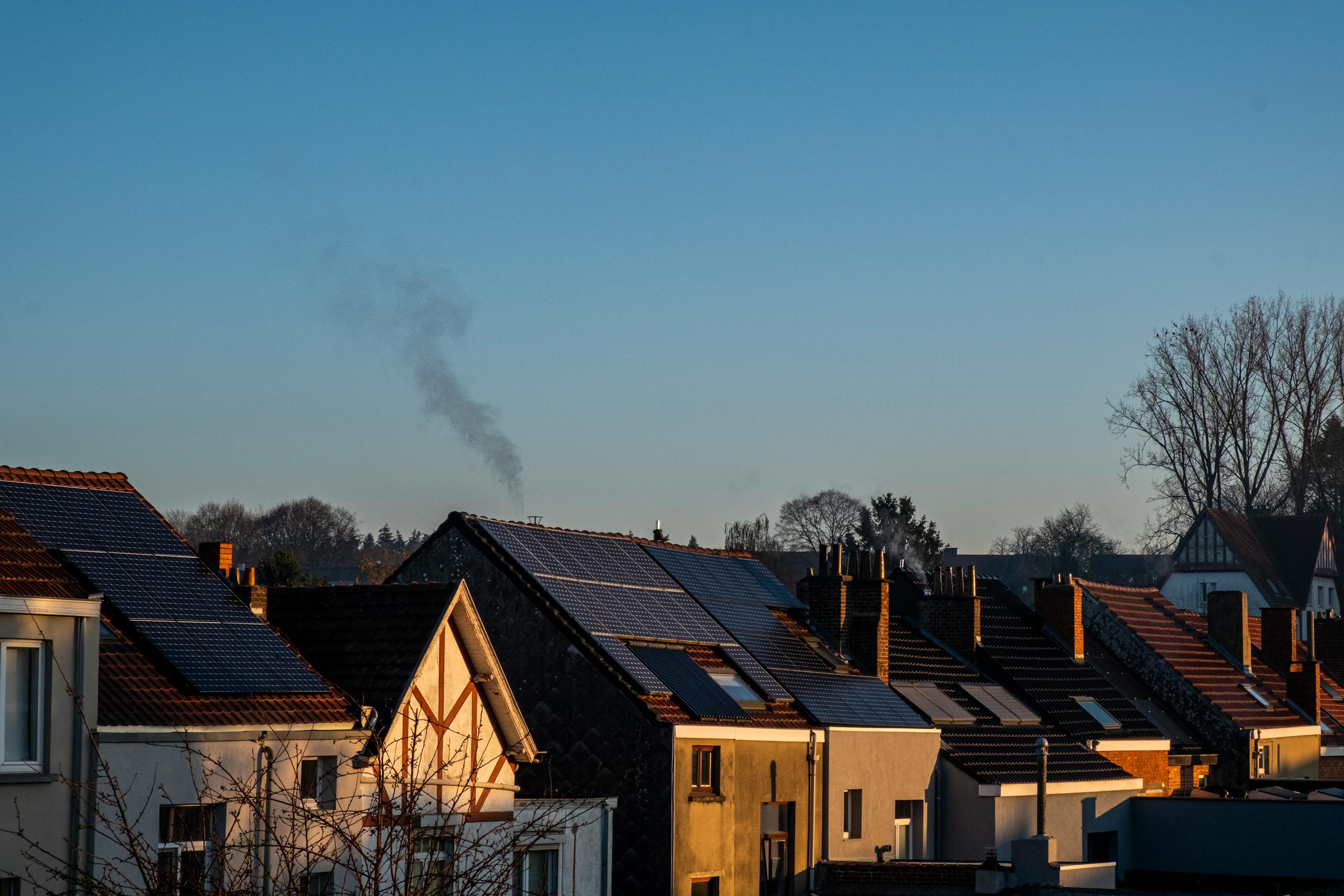
Carbon monoxide is terrifying because it does not announce itself. No color. No smell. No dramatic smoke cloud. A family can be watching TV, sleeping, cooking, or trying to stay warm during a power outage while the danger builds silently in the air.
That silence is why working carbon monoxide alarms matter so much. Each year, more than 400 Americans die from unintentional carbon monoxide poisoning not linked to fires. The risk can come from fuel-burning appliances, faulty heating systems, attached garages, or generators used too close to living spaces.
Loose Rugs and Slippery Bathrooms
A loose rug does not appear to be a hazard. It looks like decor. A wet bathroom floor looks like a minor inconvenience. A dark staircase looks like something everyone in the house already knows how to handle. Then one wrong step changes everything.
Falls are especially dangerous for older adults, but the risk is not limited to seniors. Children, guests, pregnant women, people carrying laundry, and anyone walking half-asleep at night can get hurt fast. The frightening part is that many fall risks are boring. Better lighting, secured rugs, grab bars, cleared stairs, and safer footwear may not sound dramatic, but they can protect a family from a life-changing accident.
Unsecured Firearms
For many Americans, firearms are part of home security, hunting culture, sport shooting, or family tradition. But a gun in the home becomes a different kind of risk when it is loaded, unlocked, or stored where children, teens, visitors, or someone in crisis can access it.
Recent household data estimated that 32.3 million U.S. children younger than 18 lived in a household with an adult firearm owner as of December 2024. The danger is not about judging every gun owner. It is about recognizing that storage choices can decide whether a weapon stays protected or becomes part of a tragedy.
Radon Nobody Has Tested For

Radon is one of the strangest household risks because it can be present without changing how a home looks, smells, or feels. It seeps from the ground, can build up indoors, and often goes unnoticed unless someone actually tests for it. A finished basement, cozy family room, or home office can still have a hidden problem.
The health risk is serious. Radon is tied to about 21,000 lung cancer deaths every year in the United States. That makes testing more than a homeowner’s chore. It is one of those quiet safety checks that can reveal a danger the family would never sense on its own.
Overloaded Extension Cords and Power Strips
American homes are now packed with devices. Phones, tablets, laptops, gaming systems, TVs, lamps, air fryers, chargers, space heaters, and smart gadgets all want a plug. When the outlets run out, extension cords and power strips start doing jobs they were never meant to do.
That convenience can come with fire and shock risks. The mess behind the TV or under the desk may look like normal modern life, but overloaded or damaged cords can turn hidden clutter into danger. A cord should not feel hot, run under rugs, carry a space heater load, or become a permanent replacement for proper wiring.
Heavy Furniture That Is Not Anchored
A dresser, bookshelf, or television stand may look stable because it has sat in the same corner for years. But to a climbing child, it can become a ladder. To an older adult, it can become a tipping hazard. The danger often appears only after someone pulls, climbs, bumps, or leans in the wrong way.
Anchoring furniture may not sound exciting, but it is one of those small home fixes that can prevent a disaster no family expects. The biggest danger is assuming weight equals stability. Heavy furniture can still tip when its center of gravity shifts, especially when drawers are pulled out or when children climb on it.
Backyard Pools and Standing Water

A backyard pool can feel like the perfect American summer scene. Kids laughing, hot dogs on the grill, adults half-watching from patio chairs, and towels scattered everywhere. But water danger does not require a dramatic wave or the deep ocean to be deadly.
The risk can happen quickly and quietly. Pools, bathtubs, buckets, ponds, and other standing water deserve more attention than families sometimes give them. Supervision, barriers, swimming skills, locked gates, and clear rules matter because water does not care how familiar the backyard feels.
Conclusion
The risks inside American homes are scary because they rarely appear that way. A shiny battery, a heater, a rug, a medicine bottle, a cord, a dresser, a pool, a basement gas, or an invisible threat can all blend into the background of daily life. That is how ordinary objects earn trust they do not always deserve.
The goal is not to make families paranoid in their own homes. It is to make the familiar visible again. A safer home often starts with small, practical checks: lock up medicine, radon test, install alarms, anchor furniture, secure rugs, watch cords, store firearms responsibly, keep heaters clear, protect children from tiny batteries, and treat water with the respect it deserves.
The quiet hazards are the ones families miss first, but they are also the ones families can often fix before anything happens.