Your sleep position might seem harmless, but it could be silently affecting your personality, emotional health, and even your relationships. How you curl, sprawl, or twist overnight isn’t random; it reflects hidden traits that shape how you react, relate, and recharge. Understanding the unseen impact of your nighttime posture can reveal why life sometimes feels more difficult than it should.
Fetal Curl Fuels Anxiety
Curling into a tight fetal position offers comfort, but it can reinforce feelings of vulnerability and self-protection. People who sleep this way are often deeply sensitive and overthink daily challenges, making minor stresses feel monumental. Even in adulthood, this position may unconsciously reinforce a cycle of worry, leaving them more prone to tension and hesitation in relationships or career choices. Log Encourages Passivity

Side sleepers with arms down appear calm, yet this can indicate passivity or difficulty asserting needs. These individuals tend to prioritize others, avoiding conflict even when self-interest demands action. While social harmony is appealing, it can result in resentment over time. The habit of suppressing personal priorities makes decision-making stressful and ultimately complicates professional and personal growth.
Yearner Invites Disappointment
Stretching arms forward while on the side signals openness but also cautious longing. Yearners often hope for experiences or connections that may never materialize. Their mix of optimism and hesitation can lead to repeated disappointment. By overanalyzing every situation before committing, they may inadvertently create barriers to joy, leaving life feeling stagnant despite good intentions.
Soldier Traps Rigidity
Back sleepers with arms at their sides exude discipline but risk becoming inflexible. High standards and a strict sense of order can make adaptability difficult. In social or work environments that demand compromise, this rigidity can generate unnecessary stress. Their controlled approach to life may feel stable externally, but fosters internal tension and makes it difficult to embrace change.

Freefall Exposes Insecurity
Stomach sleepers who throw arms around pillows seem confident yet may mask deep vulnerability. Freefall sleepers often overcompensate with boldness, concealing insecurities and sensitivity. This contradictory energy can create tension in relationships, as their outward assertiveness may clash with underlying emotional fragility. Such internal conflicts can subtly shape daily interactions and life decisions.
Starfish Leads to Burnout
Sleeping sprawled with arms above the head indicates generosity, but it often leads to overextending oneself. Starfish sleepers prioritize others excessively, which can result in burnout or neglected personal goals. Their willingness to accommodate everyone makes them susceptible to manipulation, adding stress that could have been avoided with firmer personal boundaries.
Twist Signals Restlessness
Frequent overnight twists reflect adaptability, yet they can also indicate restlessness. Those who shift constantly may struggle to find mental or emotional stillness, making it difficult to settle into relationships or make decisions. Chronic mental agitation and lack of deep relaxation can leave them feeling perpetually ungrounded, complicating daily life and personal stability.
Mixed Positions Breed Instability
Changing sleep positions nightly can reveal inner turbulence. Mixed sleepers may inconsistently combine traits such as sensitivity, boldness, and control, leading to emotional unpredictability. This inconsistency can spill into relationships and work life, making interactions confusing for both themselves and others. Constant adjustment keeps them alert but unsettled.
Rigid Back Hurts Circulation
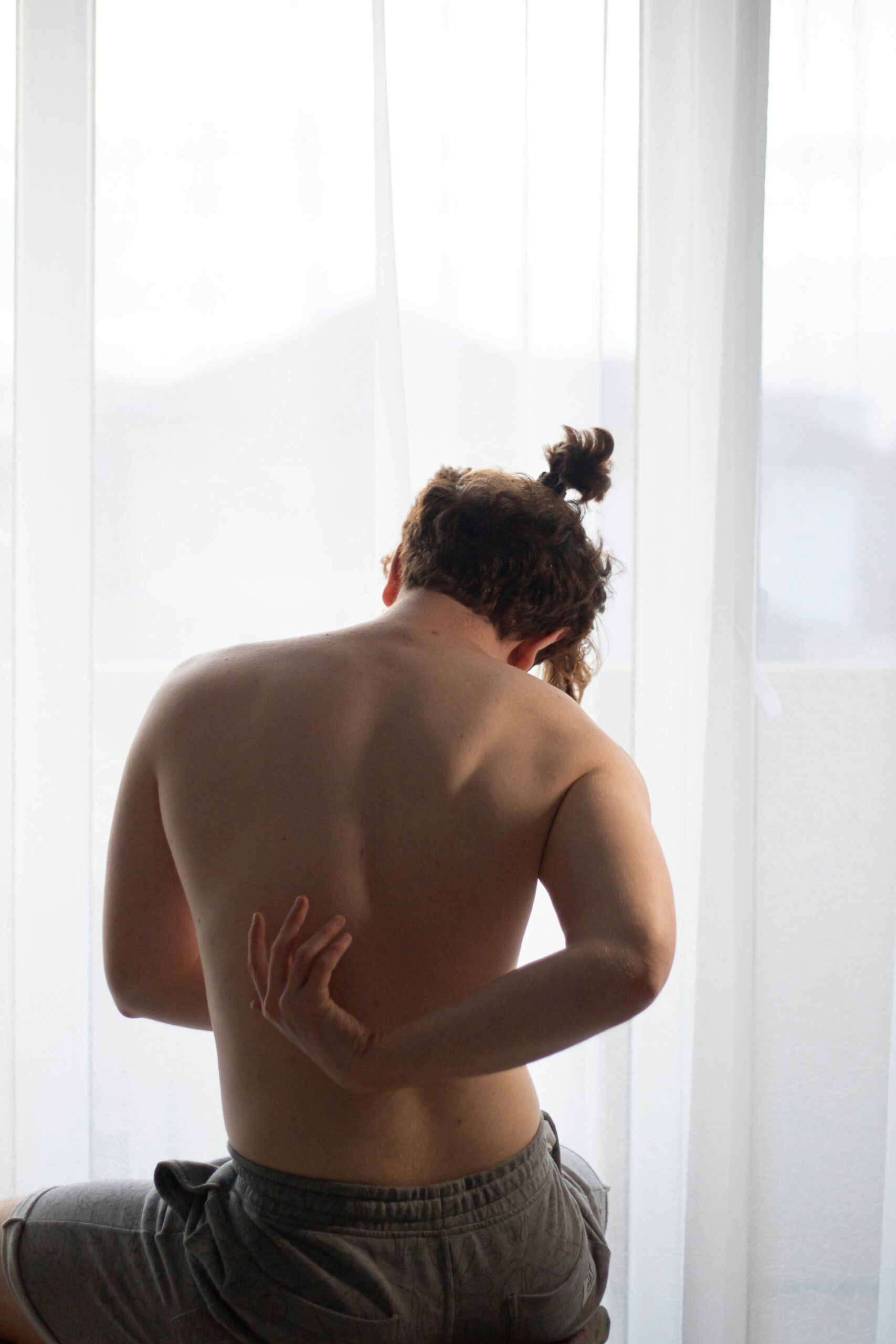
Back sleepers who hold a stiff posture can unknowingly impact physical comfort. Poor circulation and tension in the shoulders or back are common and can subtly affect sleep quality. Even minor physical discomfort can contribute to irritability, fatigue, and reduced resilience, which can cascade into mental and emotional stress the following day.
Ignoring Posture Adds Stress
Ignoring how your body rests each night may intensify stress patterns. Small misalignments or habitual postures influence mood, energy, and decision-making. Over time, these subtle effects accumulate, making challenges appear larger and obstacles harder to overcome. Being unaware of the interplay between sleep position and personality keeps life unnecessarily complicated.
Conclusion
Your body’s position while you sleep silently shapes emotional tendencies, decision-making, and relationship dynamics. From fetal curls to sprawling starfish poses, each posture has hidden consequences that can make life subtly more challenging. Recognizing these patterns empowers you to adjust habits and unlock better rest, improved focus, and more balanced interactions. Sleep may be instinctive, but awareness transforms it from passive to strategic.
Conclusion
A woman’s impact can last long after she leaves, not because he clings to the past, but because she touched parts of him that stay alive forever. Memory preserves the influence of care, understanding, and growth, leaving a complex mix of longing, nostalgia, and self-reflection. Some marks are permanent, shaping how a man loves, remembers, and recognizes connection for a lifetime.