Fruits are celebrated as nature’s sweet medicine, yet some carry hidden risks that can seriously harm or even kill. Consuming these without proper knowledge can be more dangerous than indulging in processed junk. Understanding these threats is crucial to protecting yourself and your family from unforeseen health emergencies.
While most fruits nourish, a select few harbor potent toxins that remain inedible or deadly if mishandled. From seeds packed with cyanide compounds to unripe flesh that triggers gastrointestinal chaos, the dangers are real and often underestimated. Here, we break down the fruits you must approach with extreme caution and the science behind their hidden hazards.
Apple Seeds Contain Cyanide
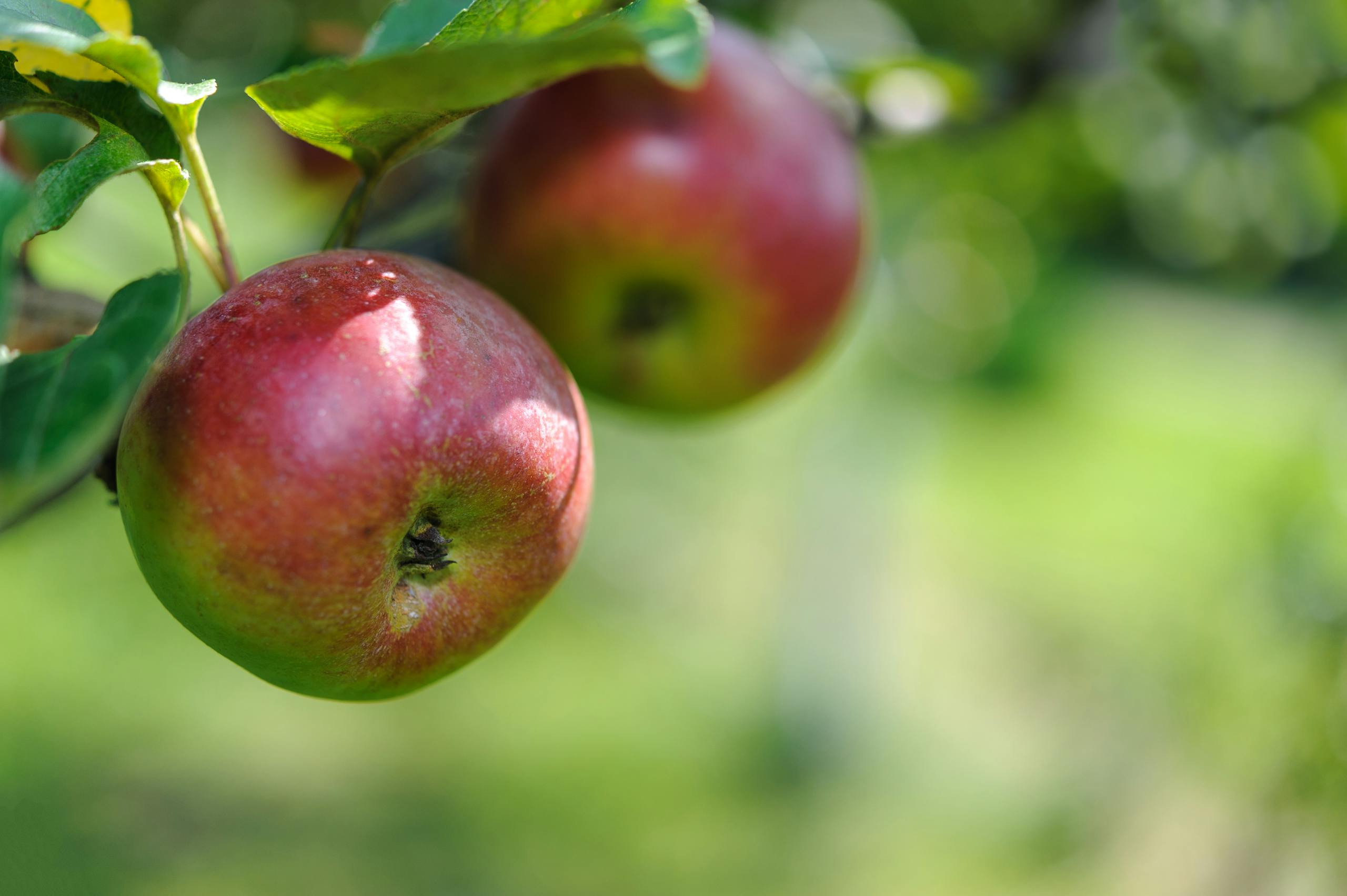
Apple flesh is generally safe, but the seeds are a different story. They contain amygdalin, which converts into cyanide during digestion. Swallowing a few accidentally is usually harmless, but consuming large quantities can lead to poisoning symptoms, including dizziness, nausea, and in severe cases, death.
The toxicity risk increases when seeds are crushed or chewed, releasing higher doses of cyanide. Children and pets are especially vulnerable due to lower body weight. Experts advise removing seeds before juicing or feeding apples to small children to prevent accidental poisoning.
Cherry Pits Can Be Fatal
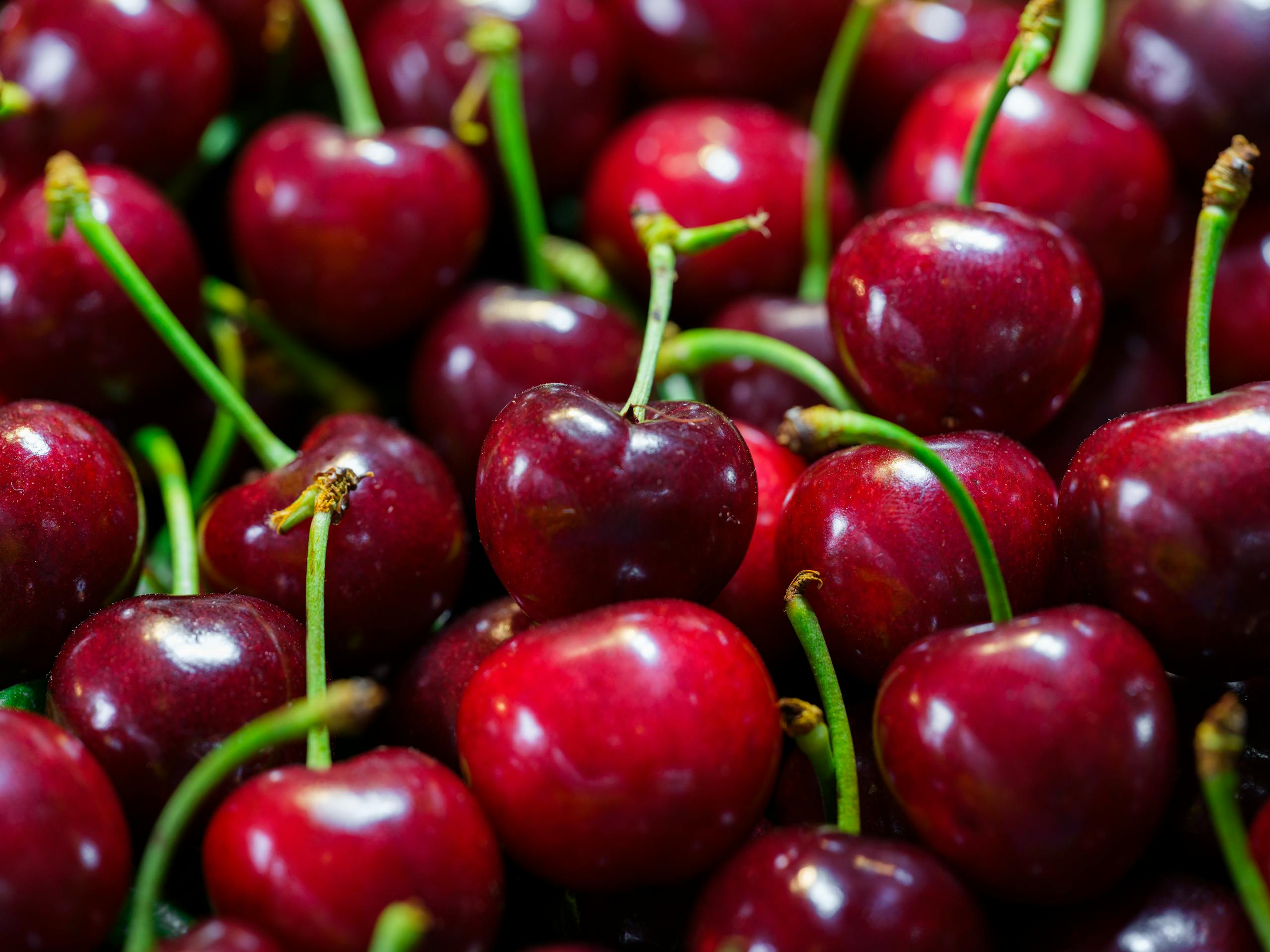
Cherry pits resemble small stones but conceal cyanogenic compounds. Eating a few accidentally is unlikely to be lethal, but chewing or breaking the pits exposes amygdalin to the body, which metabolizes into cyanide. Symptoms may start with headaches, vomiting, and a rapid heart rate.
Caution is particularly necessary with cherry-based recipes that use crushed pits, as the risk escalates. Alternative approaches include thoroughly pitting cherries before baking, preserving, or making smoothies to prevent accidental cyanide exposure.
Bitter Almonds Are Highly Toxic
Unlike sweet almonds commonly found in stores, bitter almonds are naturally high in cyanide. A small handful can cause severe poisoning and even death. These are illegal in some countries unless processed to remove toxins, highlighting the extreme danger they pose.
Consuming raw bitter almonds without proper preparation is risky and unnecessary. Modern culinary practices favor sweet almonds, which provide nutrition without the deadly chemical threat, ensuring safe use in snacks, desserts, and nut butters.
Unripe Ackee Fruit Triggers Vomiting
Ackee, Jamaica’s national fruit, is deadly if eaten unripe. Its immature arils contain hypoglycin A, which disrupts glucose metabolism and can cause vomiting, hypoglycemia, and potentially fatal “Jamaican vomiting sickness.” Only fully ripened, naturally opened ackee should be consumed.
Even experienced chefs follow strict preparation rules, removing toxic parts before cooking. Education about proper handling is essential to enjoy this tropical delicacy safely, as improper consumption can rapidly become a medical emergency.
Elderberries Must Be Cooked
Raw elderberries are far from harmless; they contain cyanogenic glycosides in their seeds, stems, and leaves. Consuming them raw can induce nausea, diarrhea, and severe poisoning. Cooking fully neutralizes these compounds, rendering elderberries safe for jams, syrups, and desserts.
This highlights the importance of preparation techniques with naturally toxic fruits. Awareness and proper cooking prevent unnecessary hospital visits and allow people to enjoy elderberry’s antiviral benefits safely.
Rhubarb Leaves Contain Oxalic Acid
While rhubarb stalks are widely used in pies and desserts, their leaves are extremely toxic. They contain oxalic acid and anthraquinone glycosides, which can cause kidney failure, convulsions, and death if ingested. Symptoms include burning mouth sensations, nausea, and difficulty breathing.
Strictly avoid leaf consumption and educate family members about the danger. Even decorative uses require care to ensure leaves remain inaccessible to children and pets.
Starfruit Can Damage Kidneys

Starfruit is safe for most people but poses lethal risks to individuals with kidney disease. It contains neurotoxins that cannot be filtered by impaired kidneys, leading to neurological issues such as confusion, seizures, or death. Even healthy individuals should consume in moderation if unaware of underlying renal issues.
Patients with chronic kidney disease are advised to avoid starfruit entirely. Awareness campaigns in tropical regions help prevent accidental poisoning among vulnerable populations.
Soursop Seeds Are Poisonous
Soursop, popular for its tart flavor, carries toxic seeds. Consuming them can disrupt nerve function due to annonacin, a neurotoxin linked to movement disorders. Chewing seeds significantly increases the risk of toxicity compared to swallowing them whole.
Proper consumption involves removing all seeds and enjoying only the pulp. Education about these seeds is critical as the fruit’s popularity grows in smoothies, desserts, and natural remedies.
Loquat Seeds Contain Cyanide Compounds
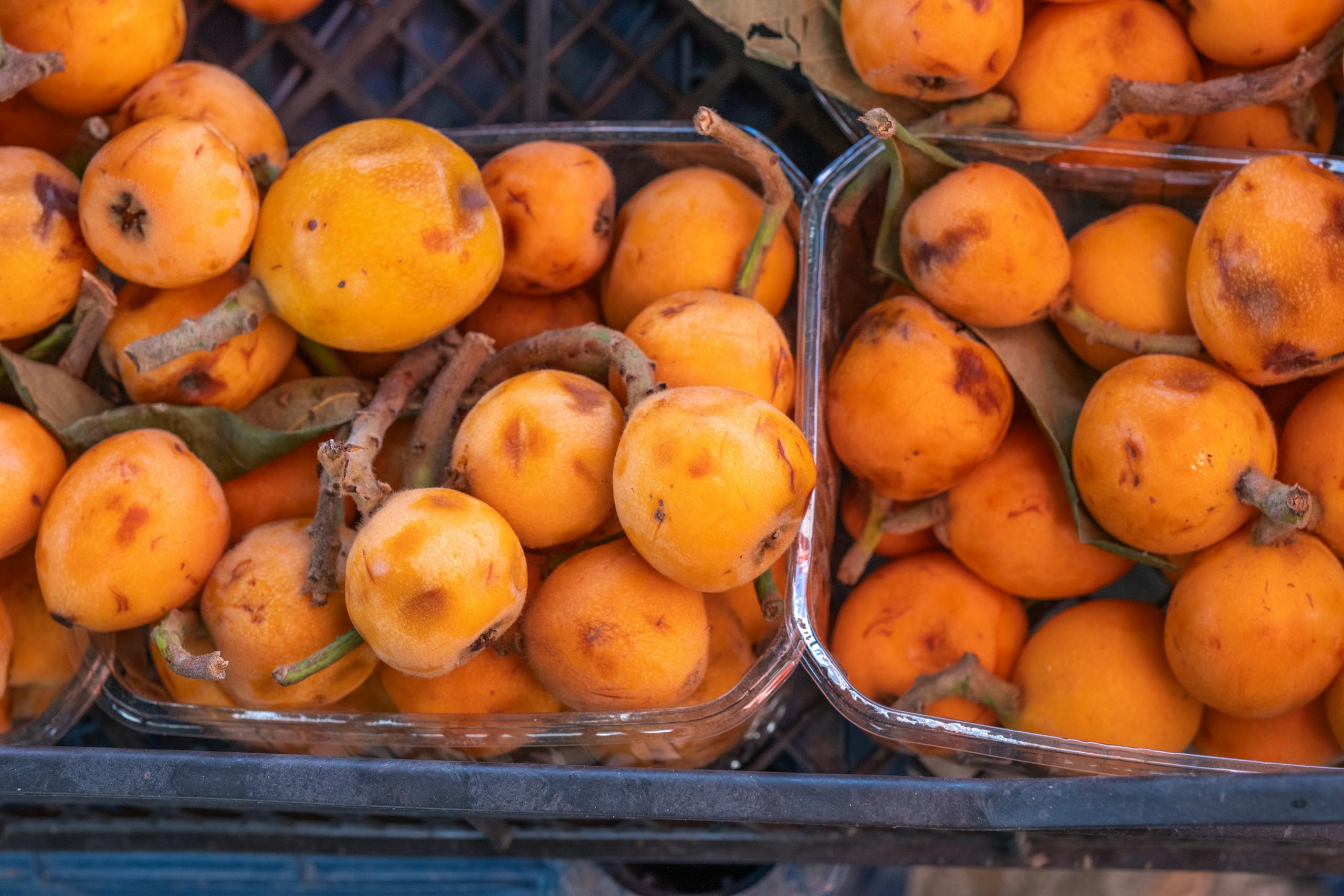
Loquats, small orange fruits, are safe to eat in flesh form, but their seeds contain cyanogenic glycosides. Ingesting crushed or chewed seeds releases cyanide, posing serious health risks. Cases of poisoning are rare but documented, underscoring the hidden threat.
Always remove seeds before consumption or preparation. Maintaining vigilance ensures the sweet taste of loquats comes without dangerous consequences.
Conclusion
The allure of exotic and everyday fruits should never overshadow the hidden dangers they can harbor. Awareness, proper preparation, and cautious consumption prevent toxic exposure and protect health. By understanding which fruits carry risks and how to handle them safely, you can continue to enjoy nature’s bounty without incident.