That quick burger, crispy chicken sandwich, or loaded fries order can feel harmless until the ingredient list tells a darker story. The ingredients in popular fast food items you should never ignore can quietly affect energy, cravings, digestion, and overall wellness. Before the next drive-through run feels too easy, these hidden fast food concerns deserve a closer look.
Fast food works because it is fast, familiar, and almost impossible to resist after a long day. The problem begins when convenience hides what your body handles after the meal ends. These common ingredients can make favorite meals feel comforting in the moment and worry-free later.
Excess Sodium That Keeps Pulling You Back

Sodium gives fast food that bold, salty bite people crave almost instantly. It sits in fries, sauces, bread, patties, nuggets, and even items that seem lighter. Too much of it can leave the body feeling heavy, thirsty, and uncomfortable.
Fast food chains often depend on salt because it boosts flavor quickly and keeps customers satisfied. The issue arises when several salty items are included in the same meal. A sandwich, side, sauce, and drink can turn a casual order into a serious sodium load.
This does not mean every salty bite should scare you away from food you enjoy. It means you need to notice how often those meals appear in your routine. Once salty fast food becomes normal, your taste buds may start rejecting simpler meals at home.
Added Sugar Hidden Inside Savory Meals
Most people expect sugar in soda, milkshakes, and desserts, but fast food also hides it in savory dishes. Buns, sauces, dressings, marinades, and breakfast items often carry a sweetness that is not obvious. That hidden sugar can make meals more addictive than filling.
Sweetness balances salt and fat, making fast food feel more exciting in the mouth. It can also make a basic sandwich taste richer without improving its nutrition. This is why a meal can feel satisfying at first and yet still leave you craving more.
The worrying part is how quietly sugar builds across a meal. A sweet sauce, soft bun, and flavored drink can push the whole order into dessert territory. When fast food tastes too easy to crave again, hidden sugar may be part of the reason.
Refined Oils Used for Crispy Texture

Tanha Tamanna Syed via pexels
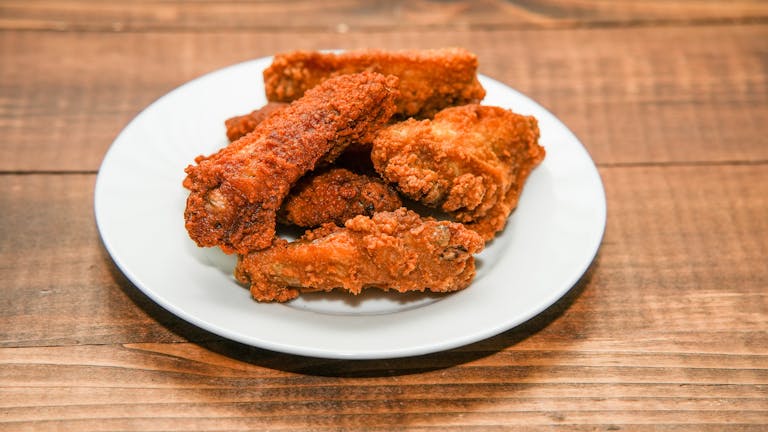
Crispy fast food gets much of its appeal from refined cooking oils. These oils help fries, nuggets, chicken, and fried seafood turn golden and crunchy fast. The texture feels fun, but the body still has to process the heavy meal.
Restaurants choose oils that handle repeated heating and quick cooking during busy service. That works well for speed, but it can make fried foods feel greasy and hard on digestion. Many people notice sluggishness after meals rich in fried foods.
The real warning appears when fried fast food becomes a weekly comfort habit. Crisp texture can make people forget how heavy the meal actually feels. Choosing grilled items more often can reduce the burden without removing convenience completely.
Artificial Colors That Make Food Look Better Than It Is
Bright colors make fast food look fresher, sweeter, and more exciting than it may be. Artificial colors often appear in drinks, desserts, sauces, candies, and some processed toppings. They attract the eye before the stomach even gets a say.
Food companies understand that people eat with their eyes first. A brighter item can feel more tempting, especially for children and busy adults choosing quickly. Color can create the feeling of flavor before the first bite.
The danger comes when color tricks people into trusting the food too much. A vivid drink or dessert may look playful, yet offer little real nourishment. When appearance does most of the selling, buyers should slow down and read more carefully.
Preservatives That Keep Food Looking Fresh
Preservatives help fast food ingredients survive storage, shipping, and long service windows. They keep buns soft, sauces stable, meats usable, and packaged items ready for quick assembly. That convenience supports the business, but it does not always support the body.
A fresh-looking sandwich does not always mean that every ingredient was made fresh. Preservatives can make processed items appear reliable far longer than expected. This can make customers forget how far the food traveled before reaching the tray.
The concern grows when preserved foods replace fresh meals too often. Your body needs variety, fiber, and simple ingredients to feel balanced. Fast food that stays perfect for too long may not give your body what it truly needs.
Artificial Flavors That Train Your Cravings
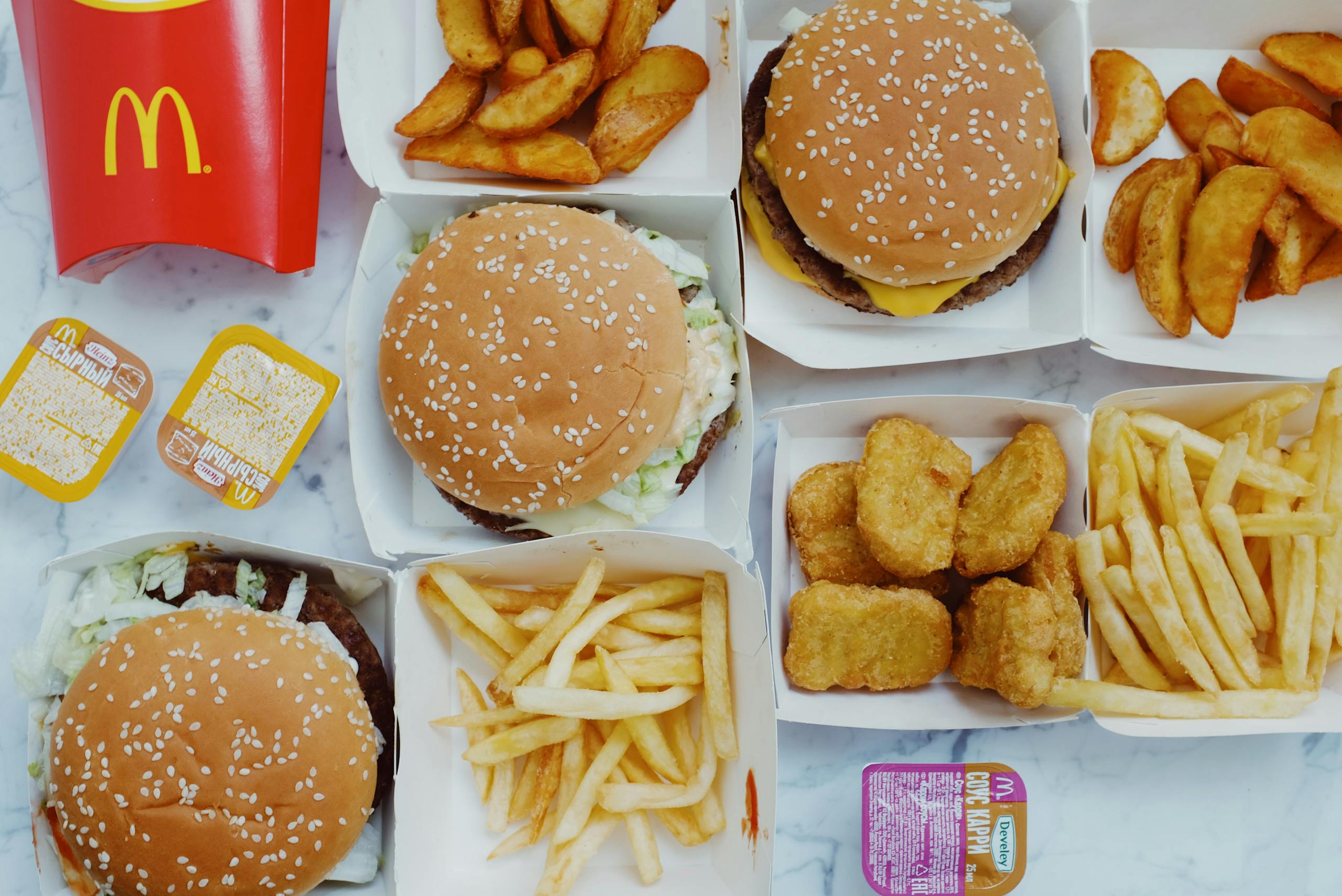
Artificial flavors help fast food taste stronger, richer, and more memorable. They can make sauces, snacks, drinks, and desserts feel bigger than their real ingredients. That intense flavor can make ordinary home-cooked meals seem boring later.
Food brands use flavor science to create repeat cravings. Sweet, smoky, buttery, spicy, and cheesy notes can appear even when the food lacks depth. Your brain remembers the punch and starts asking for it again.
This is one reason fast food can become emotional comfort after stress. The flavor hits fast and offers a short burst of pleasure. Over time, those powerful tastes can train your palate toward processed foods rather than balanced meals.
Refined Flour in Buns and Wraps
Many popular fast food items rely on refined flour for buns, wraps, biscuits, and breakfast sandwiches. It creates a soft texture and easy chewing, making meals feel comforting. The downside is that refined flour often lacks the staying power of whole foods.
A soft bun can make a burger feel complete, but it may not keep hunger away for long. Refined flour is quickly digested by many people and can leave them searching for another snack. That cycle turns one quick meal into more eating later.
The issue becomes worse when refined flour pairs with fried fillings and sugary sauces. The meal may taste full, yet still miss fiber and lasting nourishment. Choosing meals with more vegetables and less processed bread can help balance the plate.
Processed Cheese Blends That Add Heavy Flavor
Processed cheese gives fast food that creamy, salty, melted finish people love. It appears on burgers, breakfast sandwiches, loaded fries, wraps, and value menu favorites. The flavor feels comforting, but the ingredient profile can be far from simple.
These cheese blends often prioritize melt, color, and consistency over freshness. They help every sandwich look familiar, no matter where you buy it. That sameness feels convenient, but it can also hide how processed the meal has become.
A slice here and there may not ruin anyone’s diet. The concern comes when processed cheese appears in meal after meal without thought. It adds salt, fat, and heaviness to food that may already contain plenty of both.
Processed Meat Additives in Popular Orders
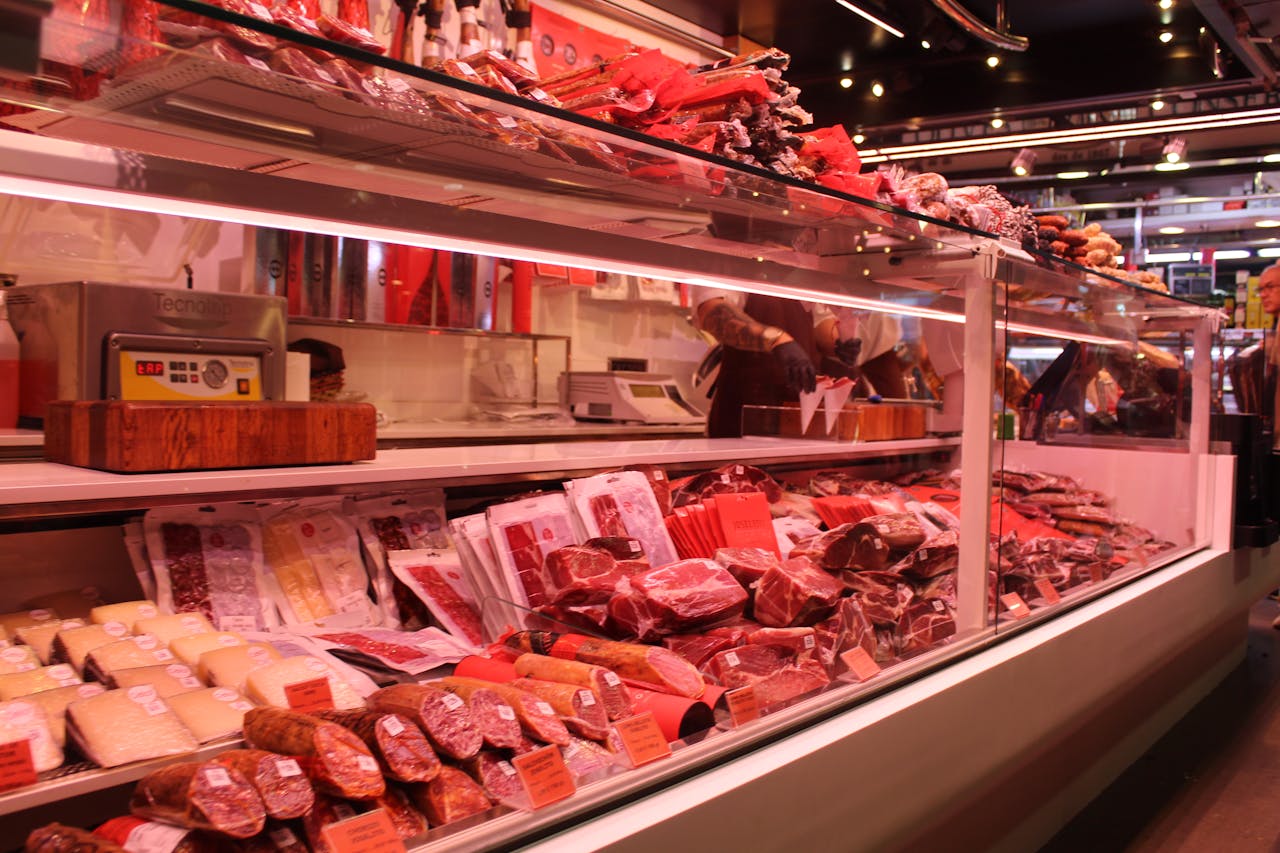
Processed meats appear in breakfast sandwiches, burgers, hot dogs, chicken dishes, and deli-style fast food. Additives can improve texture, flavor, color, and shelf life. They also make meat products feel more uniform than natural foods do.
Many customers focus on the protein and forget how much processing can happen before cooking. A patty or strip may look simple, but it can contain flavor enhancers and stabilizers. These extras help the product taste consistent across thousands of locations.
This matters because processed meats can become an everyday habit without much thought. They are easy to order, easy to eat, and easy to crave again. The smarter move is to treat them as occasional choices, not daily fuel.
Conclusion
Fast food does not need to become the villain of every busy day. The real problem starts when hidden ingredients shape your habits without your attention. The ingredients in popular fast food items you should never ignore deserve a place in every buyer’s mind.
Sodium, sugar, oils, preservatives, colors, flavors, refined flour, cheese blends, and processed meat additives all play a role. They make meals taste exciting, travel well, and sell fast, but they can also make the body work harder. A smarter fast-food choice starts with noticing what lies behind the craving.
You do not have to give up every favorite meal to eat better. You can order with more awareness, choose simpler options, skip extra sauces, and treat heavy meals as occasional comfort. Once you understand what fast food hides, the drive-through stops controlling the decision.