Protein has become the golden child of weight loss advice, and for good reason. It helps the body repair tissue, preserve muscle, manage hunger, and stay steady during a calorie deficit. The problem starts when “eat more protein” turns into a loose rule with no structure, no quality control, and no balance on the plate.
A protein-heavy diet can support fat loss, but it cannot fix oversized portions, low fiber, poor sleep, inactive routines, or a diet built around ultra-processed “high-protein” snacks. The current Dietary Guidelines for Americans emphasize whole, nutritious foods, including quality protein, vegetables, fruits, whole grains, dairy, and healthy fats, with limits on highly processed foods, added sugars, and refined carbohydrates.
Saving Most Protein for Dinner
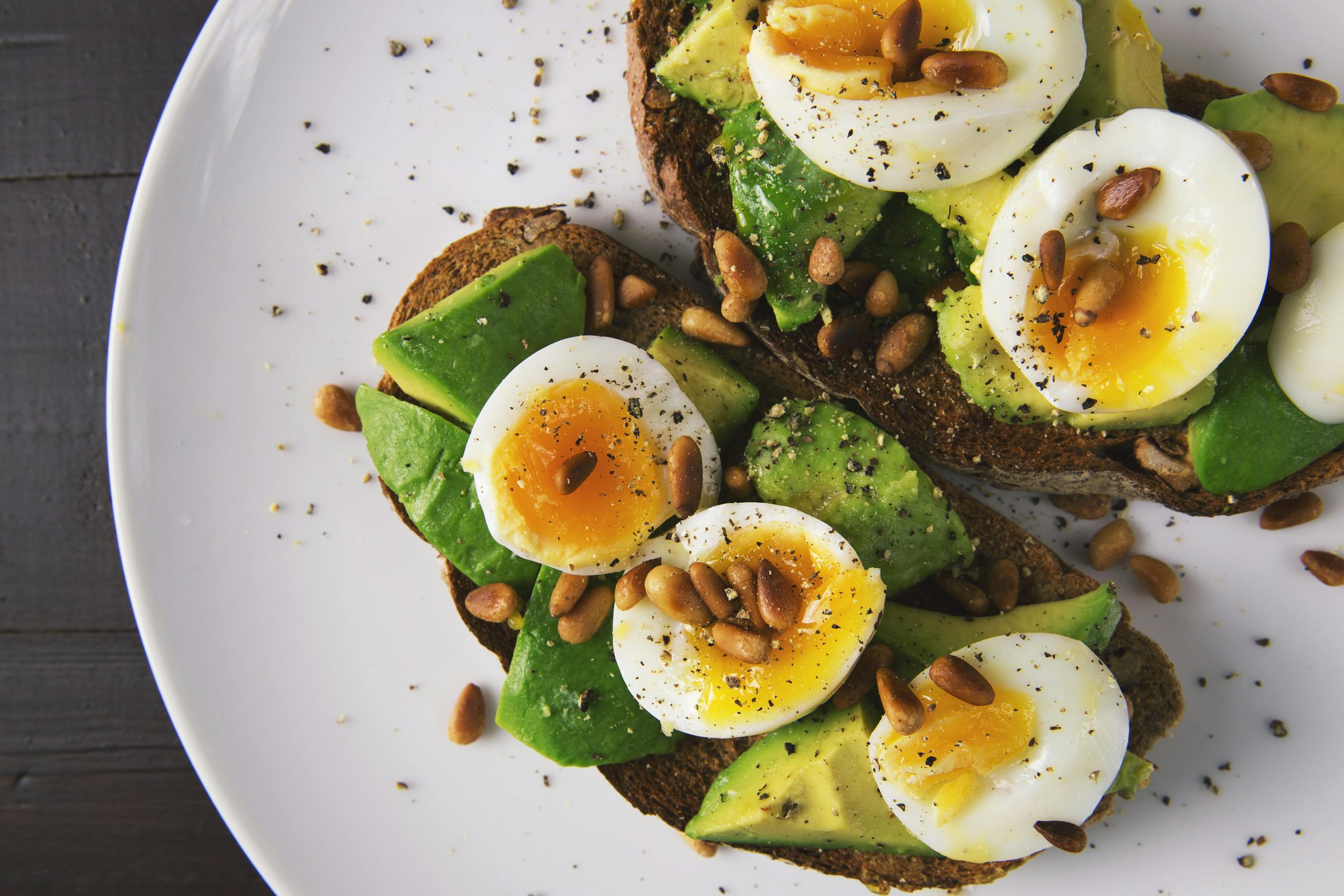
Another common protein mistake is eating very little protein early in the day, then trying to make up for it with a giant dinner. This often creates a breakfast built on toast, sweet coffee, or cereal, followed by a light lunch that fades quickly. By late afternoon, hunger starts making decisions, and those decisions rarely involve patience.
Protein timing is not more important than total daily intake, but distribution still matters for appetite, energy, and muscle support. A 2024 review in Frontiers in Nutrition noted that total daily protein appears to be the most important factor for lean body mass, but meal distribution may still help depending on age, activity, protein amount, and protein quality.
A better rhythm is to include meaningful protein at breakfast, lunch, dinner, and possibly one snack. Many adults can aim for roughly 20 to 35 grams per meal, depending on body size and goals. That could look like Greek yogurt with berries and nuts, eggs with beans and vegetables, salmon with rice and greens, tofu stir-fry, lentil soup, cottage cheese, turkey, chicken, tempeh, or a protein smoothie built with real food instead of sugar.
When protein appears early, cravings often soften later. The day feels less like a battle against the pantry.
Treating Protein Bars and Shakes Like Real Meals
Protein powders, shakes, and bars can be useful. They are convenient, portable, and sometimes helpful for people who struggle to hit their target with regular meals. The mistake is letting packaged protein products become the backbone of the diet.
Many “high-protein” products are still snack foods with better branding. Some contain added sugars, sugar alcohols, refined oils, low fiber, or enough calories to quietly erase a weight-loss deficit. A shake after a workout can fit well, but a day built around sweet bars, bottled shakes, and processed protein desserts can leave the body short on minerals, phytochemicals, fiber, and long-lasting satisfaction.
Whole-food protein usually gives more nutritional value per bite. Fish, poultry, eggs, beans, lentils, tofu, tempeh, dairy, nuts, seeds, and lean meats come with broader benefits than protein alone. The 2025 to 2030 Dietary Guidelines place a larger emphasis on whole, healthy, nutritious foods rather than ultra-processed choices.
Choosing Protein With Too Much Saturated Fat or Sodium
Protein quality matters. A meal can be high in protein and still poor for long-term health if the main sources are processed meats, greasy fast food, salty deli meats, or large portions of fatty red meat. The body does not grade meals by protein grams alone.
A healthier protein pattern leans on fish, poultry, beans, lentils, tofu, yogurt, eggs, nuts, seeds, and lean meats. The 2025 Dietary Guidelines Advisory Committee report described healthier dietary patterns as higher in vegetables, fruits, legumes, nuts, whole grains, fish and seafood, and vegetable oils, and lower in red and processed meats, refined grains, sugar-sweetened foods, and saturated fat.
Processed meats create a special problem because they often bring sodium, preservatives, saturated fat, and calorie density along with protein. Bacon, sausage, hot dogs, pepperoni, and some deli meats may “count” toward protein, but they should not be the everyday foundation of a weight-loss plan.
We do not need to turn food into fear. We need better defaults. Grilled chicken beats fried chicken most days. Tuna or salmon brings protein plus omega-3 fats. Beans bring protein plus fiber. Tofu brings plant protein with flexibility. Greek yogurt brings protein with calcium. Those choices make the plate work harder.
Ignoring Plant-Based Protein
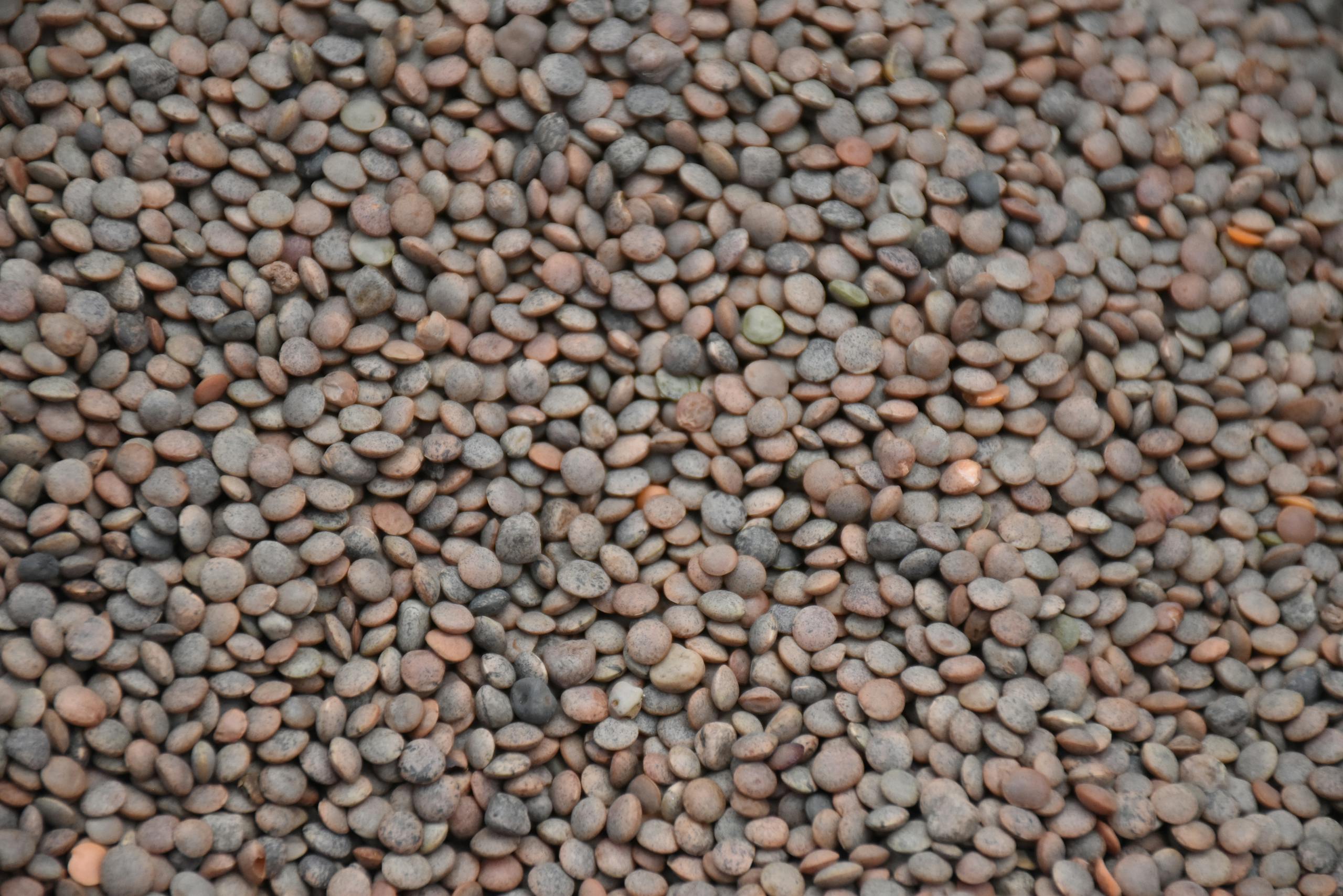
Many people still treat plant protein as a weak substitute, but that mindset can make weight loss harder. Beans, lentils, chickpeas, peas, edamame, tofu, tempeh, soy milk, nuts, seeds, and whole grains can add protein, fiber, minerals, and steady fullness. That combination is powerful when calories need to come down without making meals feel tiny.
Plant proteins often shine because they bring fiber with them. Fiber slows digestion, supports gut health, and helps meals feel more filling. The official dietary guidance emphasizes food patterns that include vegetables, fruits, legumes, whole grains, nuts, seeds, and other nutrient-dense foods, rather than focusing on one nutrient in isolation.
The one catch is variety. Some plant proteins are lower in certain essential amino acids, so people who eat mostly or entirely plant-based diets should mix sources across the day. Lentils with rice, tofu with vegetables, beans with whole-grain tortillas, hummus with whole-grain pita, or soy yogurt with seeds can all help.
Plant-based eating also requires attention to nutrients such as vitamin B12, iron, calcium, zinc, iodine, and vitamin D, depending on the overall diet. Protein is only one part of the picture. A strong weight-loss plan keeps the full nutrition profile in view.
Cutting Carbs Too Aggressively to “Make Room” for Protein
Some people increase protein by slashing carbohydrates almost completely. That may create quick water-weight changes at first, but it can backfire when workouts suffer, cravings grow, constipation appears, and meals become joyless. Carbs are not the enemy. Poor-quality carbs and oversized portions are the real issue.
Whole grains, beans, fruits, starchy vegetables, and dairy can all fit into a protein-forward weight-loss plan. They provide energy for training, fiber for fullness, and micronutrients that a chicken-only meal plan cannot deliver. The Dietary Guidelines continue to include whole grains, fruits, vegetables, dairy, and protein foods as major components of a healthy dietary pattern.
A better plate does not ask protein to carry everything. It pairs protein with fiber-rich carbs and healthy fats. Think grilled fish with sweet potato and greens, eggs with vegetables and oats, lentils with brown rice and salad, or turkey chili with beans. That kind of plate can keep hunger down without making the diet feel like punishment.
Weight loss tends to work better when food still feels like food.
Forgetting That Calories Still Count
Protein can help control hunger, but it does not cancel calories. Extra chicken, extra cheese, extra nuts, extra shakes, and extra peanut butter can still push intake above what the body uses. This is one of the most frustrating protein mistakes because the food looks “healthy,” yet the scale refuses to move.
High-protein foods vary wildly in calorie density. Skinless chicken breast, nonfat Greek yogurt, white fish, tofu, shrimp, and lentils can be relatively efficient. Nuts, cheese, fatty meats, full-fat dairy, protein bars, and nut butters can still fit, but portions matter because calories climb quickly.
This is where many weight-loss plans quietly stall. A person may add a protein shake after breakfast, snack on a bar, eat a larger dinner “for protein,” then wonder why fat loss has slowed. The issue may not be the protein itself. The issue may be adding protein without subtracting calories elsewhere.
A clean strategy is to build meals around protein, not stack protein on top of the old diet. Replace a low-satiety snack with Greek yogurt. Swap a sugary breakfast for eggs and fruit. Use beans in soup instead of adding chips on the side. Protein should improve the meal structure, not simply add another layer.
Eating Protein Without Enough Fiber
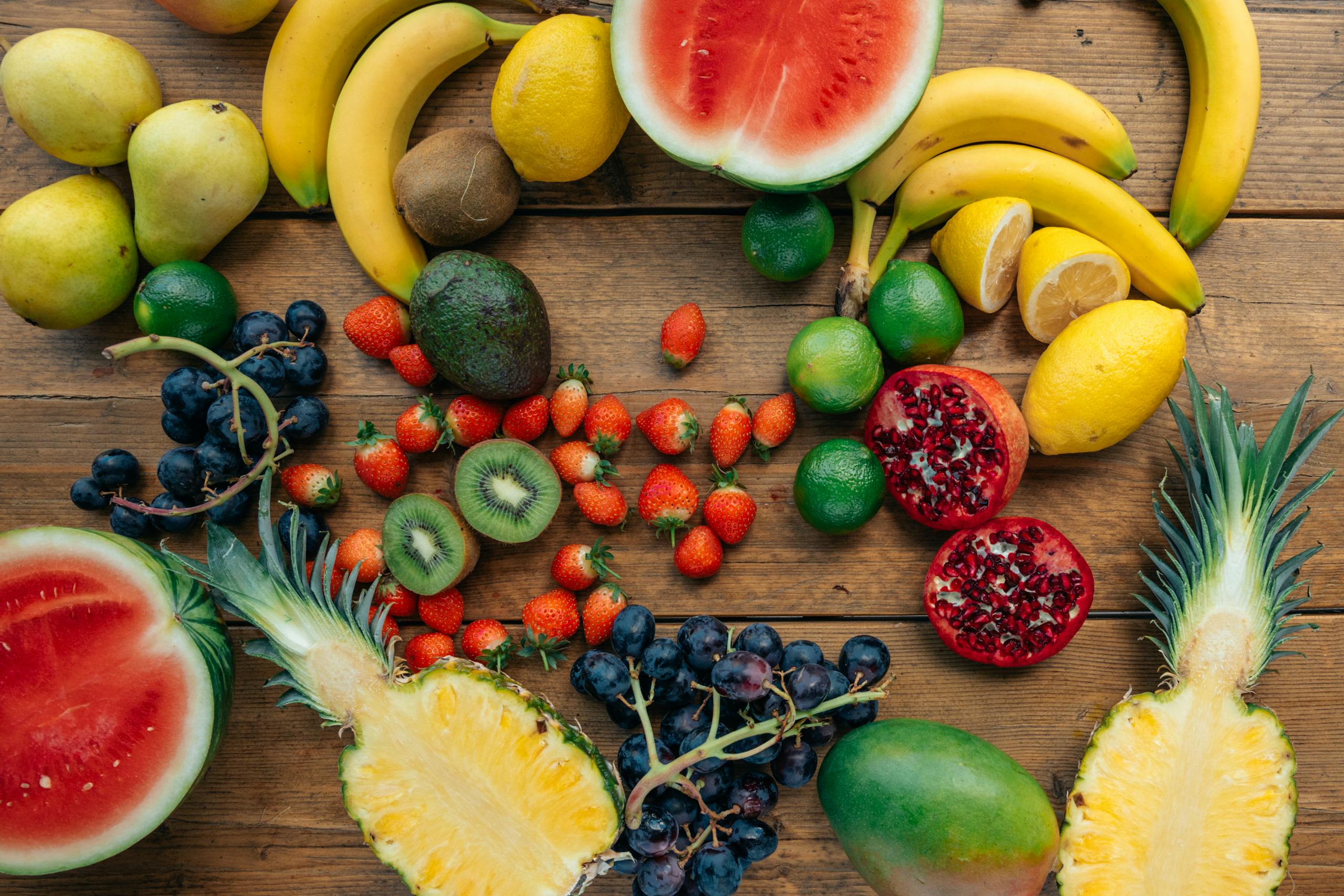
A protein-focused diet with low fiber often leads to constipation, bloating, and poor satisfaction. This usually happens when people drop fruits, beans, oats, vegetables, and whole grains while increasing meat, eggs, cheese, and powders. The result may look “lean” on paper, but the digestive system disagrees.
Fiber deserves a front-row seat in any weight-loss plan. Beans and lentils are especially useful because they supply both protein and fiber. Vegetables add volume without many calories. Fruit can satisfy the sweetness in a more nutritious way. Whole grains can make meals feel complete.
A protein plate should rarely look empty. We want color, crunch, and volume. Half the plate can come from vegetables or fruit, one quarter from protein, and one quarter from fiber-rich carbohydrates, with a small amount of healthy fat when it fits the meal. That structure makes calorie control easier because the plate looks generous without becoming excessive.
If protein is the anchor, fiber is the brake. Together, they slow hunger down.
Assuming More Protein Means More Muscle
Protein supports muscle, but it does not build muscle by itself. The body needs resistance training, enough total calories or a smart calorie deficit, sleep, recovery, and progressive overload. Without those pieces, extra protein may simply become extra calories.
Research on protein and resistance training shows that increasing protein intake can improve lean mass gains when paired with exercise, but the training stimulus matters. A systematic review and meta-analysis found that protein supplementation can support lean body mass gains, particularly alongside resistance training.
For weight loss, muscle preservation is a major goal. Losing weight too quickly, eating too little protein, skipping strength training, or relying only on cardio can increase the risk of losing lean tissue along with fat. That can leave the body smaller but softer, weaker, and more prone to regain.
A stronger plan pairs protein with two to four weekly strength sessions. Squats, presses, rows, deadlifts, lunges, pushups, resistance bands, machines, or bodyweight work can all help. The point is to give the body a reason to keep muscle while fat comes down.
Copying Someone Else’s Protein Plan
Protein needs are personal. A 120-pound desk worker, a 200-pound strength athlete, a pregnant person, a 70-year-old adult, and a person using GLP-1 medication will not all need the same strategy. Copying a fitness influencer’s exact meal plan can lead to overeating, undereating, or ignoring medical realities.
Body size, training, age, appetite, food preferences, budget, culture, and medical history all matter. A person with diabetes may need a different meal structure than someone without blood sugar concerns. A person with kidney disease may need professional guidance before increasing protein. A vegetarian may need different planning than someone who eats seafood and poultry.
The best protein plan is the one that fits the body and the life attached to it. It should be measurable enough to guide progress, flexible enough to survive real life, and balanced enough to protect long-term health.
Protein is not a personality. It is a nutrient. We use it well when it supports the whole pattern.
Conclusion
Protein can make weight loss easier, but it works best when we use it with precision. The biggest mistakes are not dramatic. They are quiet habits like skipping protein at breakfast, relying on bars, ignoring plant foods, cutting fiber, eating too much processed meat, and forgetting that calories still count.