The East Wing has never been as quiet as Americans like to imagine. Behind the flowers, state dinners, school programs, fashion choices, campaign speeches, and public smiles, First Ladies have often carried a strange burden: they are expected to influence history without looking too powerful, support a president without looking too silent, and represent the country without making one human mistake. That impossible job has produced some of the most revealing First Ladies’ scandals in American political history.
Some controversies were blown wildly out of proportion. Others raised serious questions about secrecy, power, public money, race, gender, and political messaging. From Mary Todd Lincoln’s wartime spending criticism to Edith Wilson’s hidden role after Woodrow Wilson’s stroke, from Betty Ford’s blunt honesty to Melania Trump’s unforgettable jacket, these scandals show how America judges women near power, sometimes more harshly than it judges power itself.
Mary Todd Lincoln’s Spending Became a Wartime Firestorm
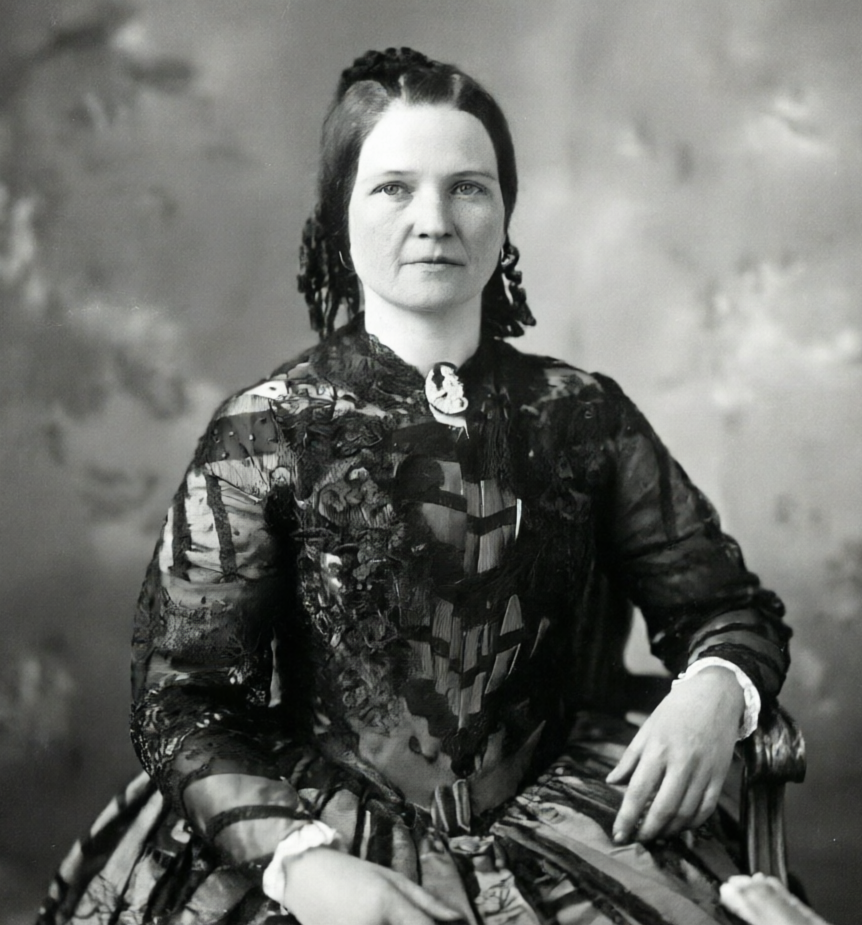
Mary Todd Lincoln entered the White House during one of the darkest periods in American history, and that timing shaped almost every criticism thrown at her. As the Civil War dragged on, her interest in fashion, entertaining, and White House refurbishment looked offensive to many Americans who were burying sons, brothers, and husbands. The Obama White House archive notes that critics attacked her “spending habits” during the war, while Union loyalists suspected her because of her Southern birth, and Southerners scorned her as a traitor to her background.
The spending controversy grew to symbolize the uncomfortable role of a First Lady during national trauma. While Mary aimed to make the Executive Mansion worthy of the Union, critics accused her of extravagance. Even after Abraham Lincoln’s assassination, criticism followed her into widowhood—her debts and attempts to sell personal items became further public embarrassments. In modern times, Mary Todd Lincoln might be portrayed as both a grieving widow and a symbol of luxury scandal.
Edith Wilson’s Hidden Power Raised a Constitutional Alarm
Edith Wilson’s controversy remains one of the most serious First Lady scandals because it touched the presidency itself. After President Woodrow Wilson suffered a severe stroke on October 2, 1919, he was left unable to carry out his duties in the normal way. The White House Historical Association states that the stroke paralyzed Wilson and prevented him from carrying out presidential duties.
Edith Wilson later described her role as a form of “stewardship,” but critics saw something much more troubling. She screened documents, controlled access, and helped decide what reached the president. The archived White House biography says she “pre-screened all matters of state,” effectively running the executive branch for the remainder of Wilson’s second term.
The scandal was not that Edith Wilson had intelligence or influence. The scandal was that the country did not receive a transparent answer about who was actually making presidential decisions. Before the Twenty-Fifth Amendment created clearer rules for presidential incapacity, the Wilson White House operated in a fog. Edith became the center of a debate that still matters today: when a president is disabled, secrecy can become a power structure.
Eleanor Roosevelt and Lorena Hickok Became a Lasting White House Mystery
Eleanor Roosevelt’s relationship with journalist Lorena Hickok remains one of the most discussed personal controversies attached to any First Lady. Hickok met Eleanor in 1932 while covering the presidential campaign, and the National Park Service notes that the two women quickly developed a trusting relationship, with Eleanor confiding in Hickok about politics, social issues, and private fears. Their bond became so close that Hickok sometimes saw Eleanor’s stories before publication, a detail that also raised professional questions about journalistic distance.
The relationship has been interpreted in different ways by historians, biographers, and cultural commentators. Some describe it as a deep romantic attachment. Others stress the difficulty of applying modern labels to private relationships from another era. What is clear is that their closeness challenged the stiff public expectations placed on a president’s wife. Eleanor was already redefining the First Lady role through activism, travel, writing, and public speeches. Her bond with Hickok added another layer to a life that never fit the decorative mold Americans had long assigned to First Ladies.
Betty Ford’s 60 Minutes Interview Shocked Conservative America
Betty Ford’s scandal came from saying out loud what many political spouses were expected to avoid forever. In a 1975 interview with CBS’s 60 Minutes, she discussed abortion, marijuana, premarital sex, and family life with a candor that stunned parts of the country. Time reported that newspaper columnists, religious leaders, and Republican figures debated her views after the interview aired.
Her comments landed during a tense cultural moment. The women’s movement, Roe v. Wade, youth drug culture, and changing sexual norms were all reshaping American life. Betty did not speak like a carefully managed political ornament. She sounded like a frank mother, a modern woman, and a public figure willing to take positions. That made her beloved by many and alarming to others.
The backlash proved how narrow the First Lady’s role still was in the 1970s. A president could speak about policy, morality, or national values as part of the job. A First Lady who did the same risked being treated like a political liability. Betty Ford’s scandal now reads less like a disgrace and more like a cultural preview of conversations America was already having at kitchen tables.
Nancy Reagan’s Astrology Scandal Made the White House Look Strange
Nancy Reagan’s astrology controversy was one of the most bizarre White House scandals of the modern era. After the 1981 assassination attempt on Ronald Reagan, Nancy became deeply protective of her husband’s schedule and safety. Reports later revealed that astrologer Joan Quigley had advised on timing and scheduling, creating the impression that star charts had entered the machinery of presidential decision-making.
The Los Angeles Times reported that Quigley later claimed her advice went beyond routine scheduling, extending into diplomacy, Cold War politics, and even the timing of the president’s cancer surgery. Nancy Reagan downplayed Quigley’s influence when the story became public, but the damage was immediate. Headlines mocked the White House, and critics questioned whether superstition had brushed too close to state power.
The scandal worked because it mixed fear and absurdity. Americans could laugh at astrology jokes, but they could also worry about who had influence near the Oval Office. Nancy Reagan’s defenders saw a frightened wife trying to protect a husband who had almost been killed. Her critics saw an unelected adviser using mystical guidance to shape official timing. Both readings explain why the story still clings to the Reagan years.
Hillary Clinton’s “Cookies and Teas” Line Became a Gender War

Hillary Clinton’s 1992 “baked cookies and had tea” comment became one of the most famous First Lady controversies before she even entered the White House. During Bill Clinton’s presidential campaign, she defended her decision to maintain a professional identity instead of fitting the older model of the quiet political wife. Time later, she revisited the remark, noting that she said she could have stayed home baking cookies and having tea, but chose to fulfill the profession she had entered before her husband’s public life.
The backlash was fierce because the line landed directly on a cultural fault line. Many critics interpreted it as an insult to stay-at-home mothers, although her fuller explanation stressed women’s right to choose career, motherhood, or a combination of both. The controversy turned Hillary into a symbol of changing womanhood before she had even unpacked in Washington.
This scandal mattered because it revealed the trap waiting for modern First Ladies. If Hillary appeared too traditional, critics could call her fake. If she appeared too ambitious, they could call her threatening. The cookie comment was treated as a personality scandal, but it was really a national argument over whether a First Lady could be openly professional, openly opinionated, and openly powerful.
Hillary Clinton’s Health Care Role Sparked Secrecy Lawsuits
Once in the White House, Hillary Clinton took on an unusually public policy role by leading the Clinton administration’s health care reform effort. The Clinton Presidential Library records that President Bill Clinton appointed the First Lady to head the Health Care Task Force in 1993, where she traveled, held hearings, met lawmakers, and sought outside advice on repairing the health care system.
The controversy grew because the process appeared closed and unusually controlled. Records from the Clinton Library note that files from the First Lady’s Office include material related to the formation and actions of the task force, working groups, and a lawsuit brought by the Association of American Physicians and Surgeons.
The health care fight turned Hillary into something America had rarely seen: a First Lady operating as a visible policy driver on a massive domestic issue. Supporters admired the seriousness. Opponents saw secrecy, overreach, and unelected influence. The failure of the plan made the scandal stick. It helped define Hillary’s image for decades as brilliant, polarizing, and always accused of having too much power.
Michelle Obama’s School Lunch Rules Turned Cafeterias Into a Political Battlefield
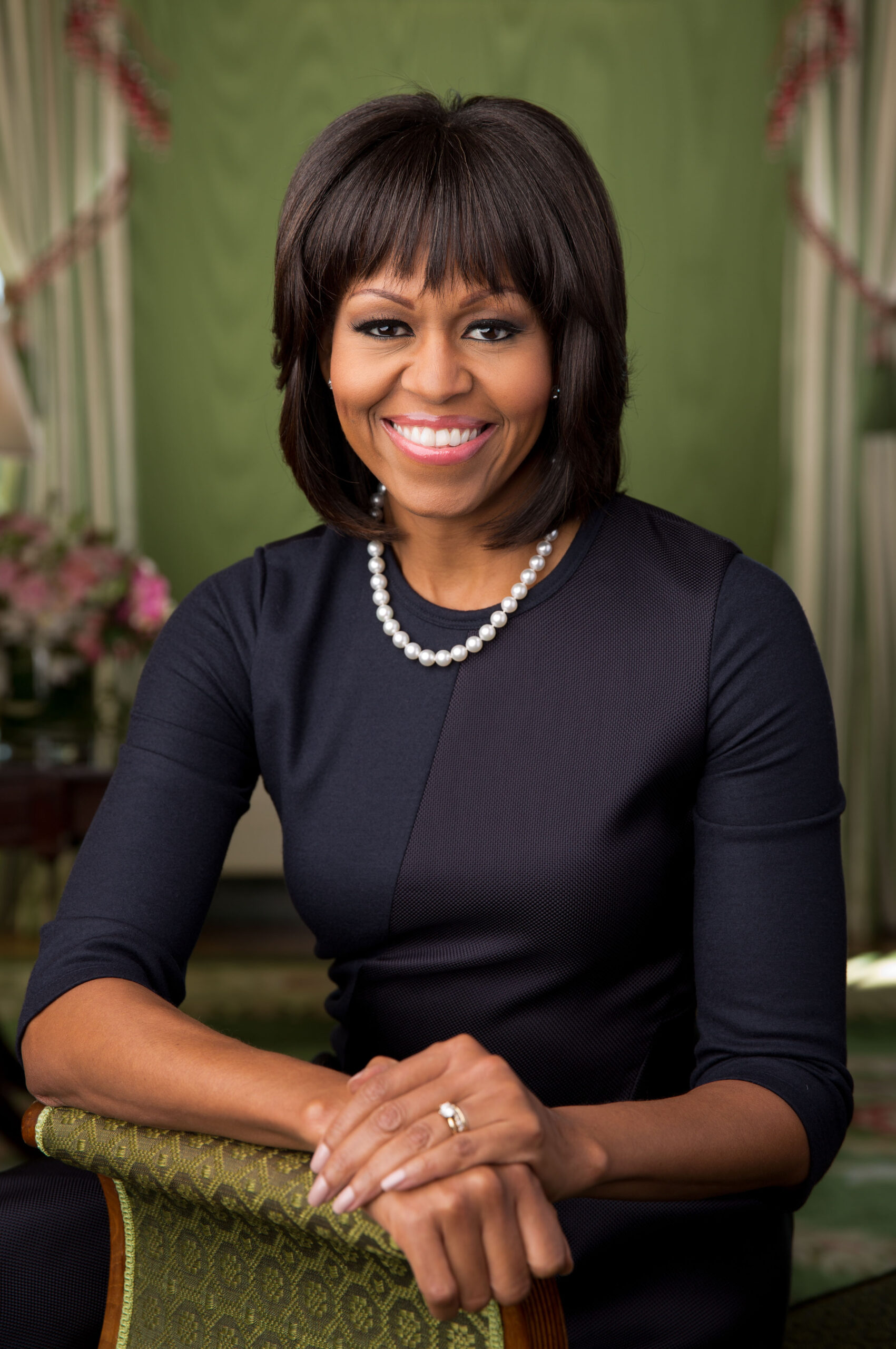
:Wikimedia Commons
Michelle Obama’s school nutrition push seemed, on paper, like a safe First Lady project. Childhood health, better lunches, gardens, exercise, and nutrition education sounded softer than foreign policy or health insurance reform. Yet the Let’s Move era quickly became one of the most politically charged modern First Lady controversies. The Obama White House archive said the 2012 USDA standards promoted more fruits and vegetables and less fat in school meals.
The backlash came from several directions. Some students mocked the meals online. Some conservatives framed the effort as government overreach. Some school districts complained about cost, waste, and implementation. A University of Washington public health summary later noted that the Healthy, Hunger-Free Kids Act changed school meal standards by requiring more fruits, vegetables, whole grains, and low-fat milk, with limits on sodium, trans fat, and less healthy foods. Michelle Obama’s scandal shows how even “safe” First Lady causes can become partisan once they touch family habits, children, food, and government rules. A school lunch tray became a political symbol. To supporters, she used her platform to improve child health. To critics, she became the face of unwanted regulation. Either way, she proved the modern First Lady could turn cafeteria food into a national debate.
Melania Trump’s “I Really Don’t Care” Jacket Became a Defining Image

Melania Trump’s most infamous fashion controversy came in June 2018, when she wore a jacket reading “I Really Don’t Care. Do U?” while traveling to visit migrant children in Texas. The message created instant outrage because it appeared during a painful national debate over family separation and detained children. ABC News later reported that she addressed the jacket during an interview with Tom Llamas in Africa.
The controversy deepened because the explanation shifted. Her team initially minimized the jacket as just clothing, but Melania later said it was aimed at critics and the media. Axios summarized her ABC interview by noting that she described the jacket as a message to the media, not to the children she visited.
The jacket became unforgettable because First Lady fashion is never only fashion. A dress, hat, coat, or pantsuit can carry class signals, political messages, national moods, and personal defiance. In this case, the words were so blunt that no stylistic interpretation could soften them. The image captured the Trump-era collision of spectacle, media combat, immigration politics, and personal branding.
Why First Lady Scandals Keep Exploding
First Lady scandals keep repeating because the role itself is contradictory. The First Lady is not elected, but she is visible. She has no formal constitutional power, but she can shape policy, culture, diplomacy, and public emotion. She is expected to be graceful but not weak, influential but not controlling, fashionable but not frivolous, maternal but not old-fashioned, modern but not threatening.