In a country where social media challenges dictate beauty, viral makeup hacks dominate TikTok, and political debates about image and influence dominate headlines, going minimal with makeup can feel like a subtle act of defiance.
Women who reject these pressures often face judgment or dismissal from people obsessed with curated appearances. Their quiet rebellion exposes how deeply image is tied to influence, authority, and social acceptance in modern America. Here are 9 uncomfortable traits often seen in women who refuse to chase beauty trends, and why it unsettles a culture built on projection and comparison.
They Challenge Social Expectations Constantly
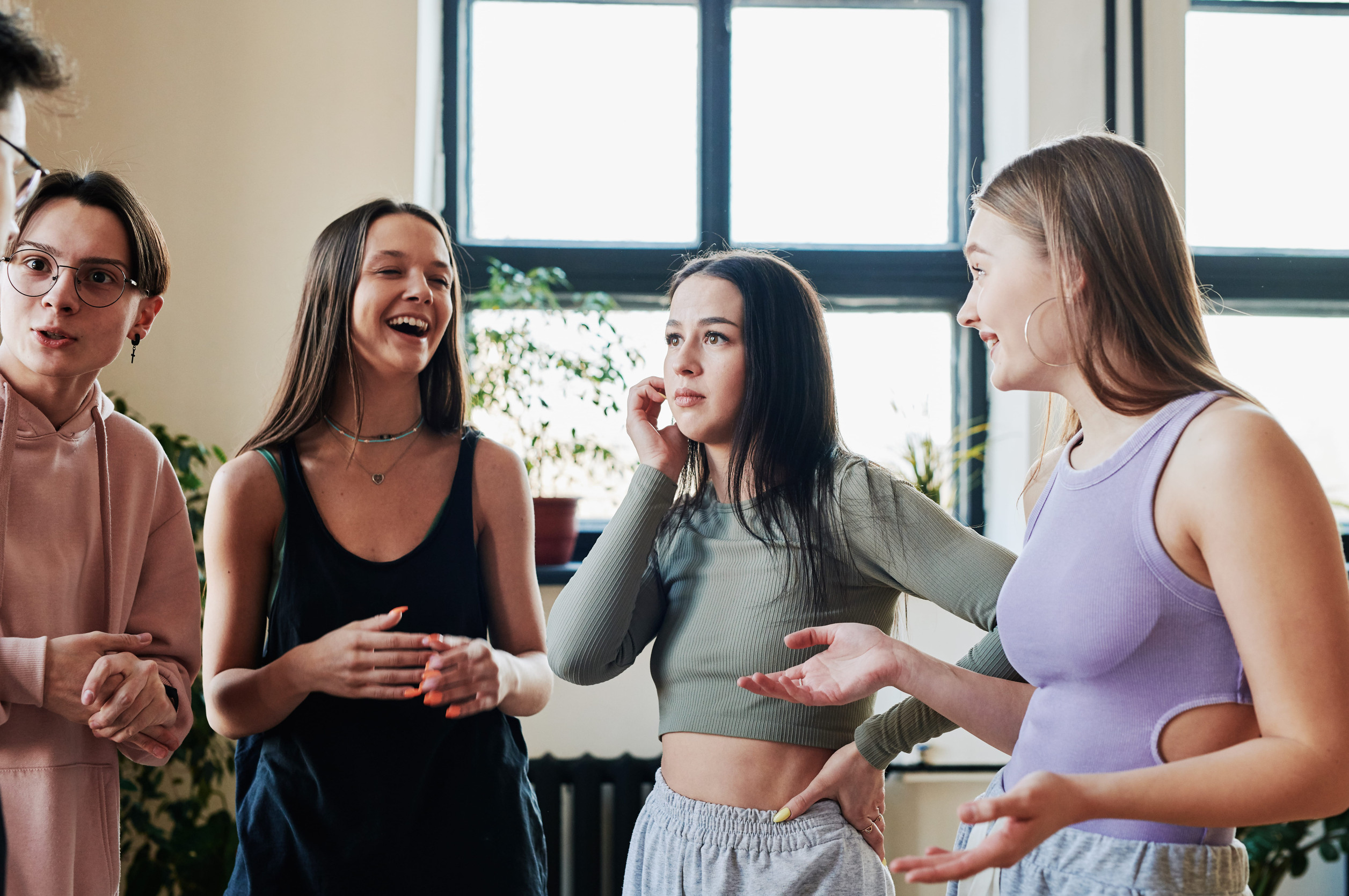
In a society where political candidates, influencers, and celebrities are judged by their appearance as much as their actions, minimal-makeup women disrupt expectations. Their bare-faced presence silently questions why so much attention is placed on looks over capability, leaving others uneasy. This defiance challenges the same norms that shape media narratives and viral culture.
Observers often feel exposed because these women refuse to participate in the performative expectations baked into every scroll and headline. Their actions highlight society’s discomfort when someone refuses to conform to beauty standards tied to success, attention, or social power.
Whether it is at a networking event, in the workplace, or on online platforms where filters rule, their confidence is a silent provocation. People who are used to controlling perception through image find themselves unsettled. Their quiet rebellion forces us to reflect on what we publicly reward and value.
They Exhibit Heightened Self-Reliance
In an era where influencers monetize appearance and political campaigns are scrutinized for optics, women who reject makeup trends rely on internal validation. Their decisions are independent of social media applause, trends, or even subtle peer pressure.
This self-reliance creates tension for people who equate influence with appearance. Their quiet autonomy challenges a society obsessed with visual authority. Self-reliance extends to career, relationships, and online presence, where trends often dictate credibility.
Observers may misinterpret calm confidence as superiority, yet it is really a defense against external manipulation. By prioritizing internal values over viral validation, they reveal how fragile society’s beauty-driven assumptions are. Their independence is a quiet power that makes others uneasy.
They Are Brutally Honest
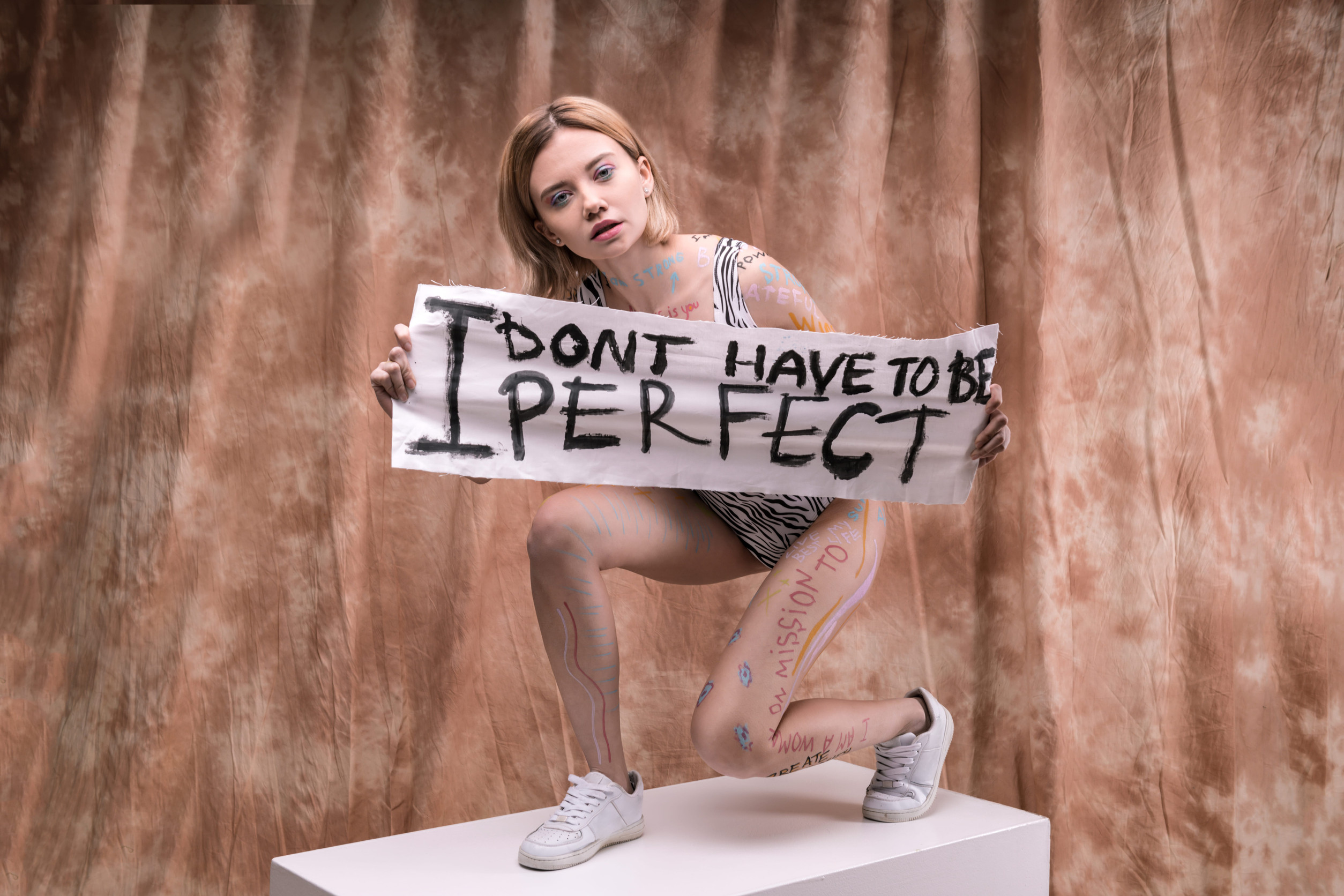
In a climate where cancel culture and viral outrage amplify every misstep, minimal-makeup women often speak directly, exposing social performativity. They rarely hide opinions behind filters, tone-polishing, or cosmetic distraction, which can make casual interactions tense.
Their honesty challenges the curated façades on social media and in public life. Many feel exposed when confronted with the truth that cannot be masked by appearance. Honesty becomes a tool to navigate social and professional spaces without deception.
This trait unsettles people who rely on image management to influence perception. Their candidness forces others to confront superficiality in ways that often feel threatening. By bypassing pretense, they highlight the difference between authenticity and performance culture.
They Display an Unapologetic Sense of Identity
Minimal makeup signals clarity of personal identity, a trait that feels disruptive in a trend-obsessed culture. Their choices communicate self-definition without requiring societal approval or online validation. This unapologetic sense of self can intimidate people conditioned to see value in popularity, likes, or trends.
Observers often feel powerless in the presence of someone unconcerned with projection. The refusal to conform mirrors broader social trends where image is politicized, from public figures to viral social campaigns.
Their confidence exposes the reliance others place on approval-driven validation. By prioritizing personal standards, they unsettle environments dependent on conformity. Their independence is a mirror that shows society how fragile appearance-driven respect really is.
They Show Emotional Resilience
In a time where social media algorithms amplify criticism and cultural debates fuel polarization, these women demonstrate emotional durability. They withstand judgment, ridicule, and viral mockery without seeking reassurance.
Their ability to remain grounded unsettles people who rely on collective validation to navigate social hierarchies. Emotional resilience becomes a form of quiet influence that commands respect, often unnoticed. This resilience extends into every sphere of life where appearance-driven expectations dominate.
People accustomed to controlling narratives through looks struggle to influence someone untethered from perception. Their strength is subtle but unmissable. They reveal how fragile social power can be when not anchored in confidence.
They Maintain Sharp Observation Skills
Women who reject makeup trends often develop heightened awareness of cues, inconsistencies, and hidden motives in an image-driven culture. They notice subtleties in behavior that most overlook, from political messaging to viral social trends. Their perceptiveness can unsettle those who assume superficiality equates to naivete.
This skill gives them insight and control in ways that others rarely anticipate. Observation becomes a tool for navigating environments where optics dominate attention.
By seeing beyond curated appearances, they challenge assumptions about influence and social standing. Their sharp awareness exposes vulnerabilities in a culture built on image manipulation. This trait creates an invisible power dynamic that quietly dominates interactions.
They Embrace Intellectual Depth
In a viral world saturated with TikTok trends and superficial headlines, women who avoid heavy makeup often focus on learning, critical thinking, and authentic conversation. Their priorities shift from surface appeal to knowledge and meaningful engagement.
This focus can make casual social interactions uncomfortable for trend-dependent peers. Depth forces reflection on societal fixation with appearance over intellect.
By prioritizing personal growth over approval, they signal that authenticity matters more than virality. Their intellectual presence contrasts sharply with the culture of curated perfection. Conversations with them often reveal the fragility of image-based influence. Depth becomes an invisible but undeniable form of social authority.
They Exhibit Subtle Assertiveness
Minimal makeup conveys intentionality, suggesting that these women control their personal narratives. They assert themselves in relationships, workplaces, and public life without overt displays of dominance. Their confidence in choices can unsettle those who rely on traditional markers of influence.
Subtle assertiveness creates a tension in environments obsessed with appearance-based power. Assertive behavior is calm, deliberate, and rarely performative, which forces peers to recalibrate expectations.
Their influence arises from competence rather than trends or popularity. This quiet authority can make people feel exposed or inadequate. Their subtle power challenges habitual social hierarchies dependent on perception.
They Radiate a Calm Detachment
In an age dominated by image-based politics, viral scrutiny, and relentless public commentary, minimal-makeup women exude a serene detachment. They prioritize values over public approval, leaving observers feeling unsettled.
Their emotional distance acts as a shield against trends, criticism, and judgment. This calm independence becomes an unspoken challenge to a society obsessed with appearance and perception.
Detachment allows them to navigate life without being distracted by viral pressures. People may misinterpret composure for superiority or indifference, amplifying discomfort. Their presence exposes the fragility of influence built solely on aesthetics. Quiet confidence leaves a lasting impact that others cannot easily ignore or manipulate.
Conclusion
Women who refuse to chase beauty trends demonstrate confidence, resilience, intellectual depth, and quiet assertiveness, challenging modern American culture. Their choices unsettle a society obsessed with viral influence, curated appearances, and social approval. These traits reveal the fragility of image-driven power while highlighting the strength that comes from authenticity.
In a world dominated by social media optics, political spectacle, and viral culture, their quiet defiance forces everyone to reconsider the value of true confidence and substance over superficiality.9 Uncomfortable Traits Often Found in Women Who Don’t Chase Beauty Trends
In a country where social media challenges dictate beauty, viral makeup hacks dominate TikTok, and political debates about image and influence dominate headlines, going minimal with makeup can feel like a subtle act of defiance. Women who reject these pressures often face judgment or dismissal from people obsessed with curated appearances.
Their quiet rebellion exposes how deeply image is tied to influence, authority, and social acceptance in modern America. Here are 9 uncomfortable traits often seen in women who refuse to chase beauty trends, and why it unsettles a culture built on projection and comparison.