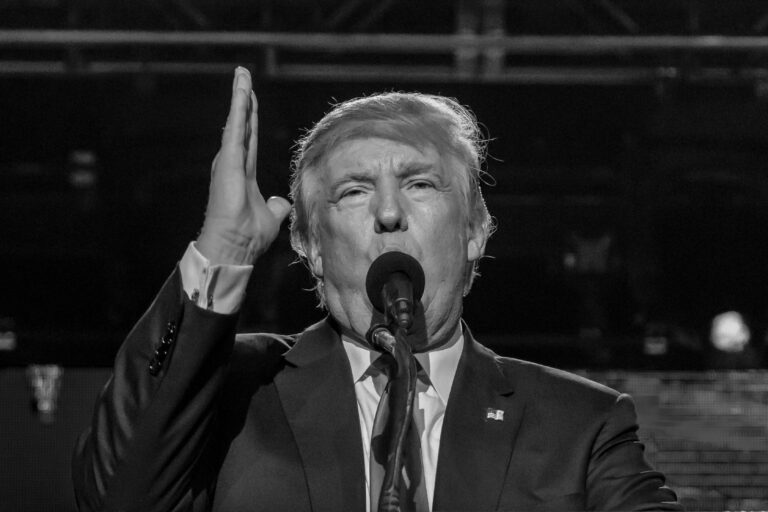
Donald Trump’s presence in the public eye is impossible to ignore, yet his obsession with style continues to raise eyebrows for all the wrong reasons. From bright gold accents to over-the-top suits, his approach often clashes with the chaos of the current political and global landscape.
As headlines about the Iran conflict dominate news cycles, his repeated style missteps stand out in stark contrast, creating a jarring image for many Americans.
Observers cannot help but wonder how these choices reflect priorities that seem detached from the gravity of world events. Below are eight style mistakes that architects, designers, and fashion critics consider both alarming and hazardous to their image.
Overloading on Gold and Glamour

Trump’s frequent use of gold in interiors, suits, and accessories has become his signature, yet architects point out that it often overwhelms the senses. Excessive shine and ornate details can come across as garish and showy rather than refined. This obsession creates an image that seems disconnected from the seriousness of political crises and global tensions.
Balancing bold statements with subtlety could enhance perception, but Trump repeats this mistake across decades of appearances and projects. Gold overload also affects public perception by signaling extravagance over practicality, a harsh contrast to U.S. citizens facing economic stress.
The choice reflects a prioritization of spectacle rather than substance, which many critics find alarming. Designers note that moderation in style is essential to avoid creating a hazardous impression on leadership. This habit highlights a disconnect between appearance and context in high-stakes moments.
Ignoring Architectural Harmony
Trump’s properties often feature mismatched elements that defy conventional architectural balance. Skyscrapers, private residences, and golf clubs showcase a mix of styles that clash rather than complement one another.
Experts warn that this lack of cohesion is more than aesthetic; it communicates disregard for foundational design principles. The repeated neglect of harmonious proportions undermines both the elegance and credibility of his spaces.
Ignoring architectural harmony can also signal impulsive decision-making, which resonates negatively during global crises like the Iran conflict. Buildings that lack balance can evoke discomfort or visual dissonance for visitors and observers.
Maintaining a consistent aesthetic approach is crucial, yet Trump continues to repeat the same hazardous patterns. Designers consider these choices an ongoing warning of prioritizing spectacle over thoughtful execution.
Excessive Use of Bold Logos

Trump’s style frequently includes oversized logos on properties, personal items, and fashion choices. While intended to brand, the approach often overwhelms context and draws attention to ego rather than quality. Architects describe this habit as alarming because it dominates design, detracting from space and form.
Repeating this visual pattern signals an obsession with recognition over refinement. Bold logos can create an environment that feels less approachable or inviting, a perception that can be hazardous in public spaces and private estates alike.
The repetition of this strategy in multiple projects amplifies the impression of overconfidence. Experts believe subtle branding balances identity with taste, a principle Trump consistently ignores. The result is a style that appears forceful and jarring in any setting.
Overcomplicated Interior Spaces
Trump’s interiors often cram furniture, decorations, and materials into spaces that lack breathing room. Crowding rooms with grandiose pieces creates visual chaos rather than sophistication. Designers note that cluttered spaces can feel overwhelming and disorienting, sending an alarming signal about priorities in taste.
This repeated misstep reflects a preference for maximum impact over thoughtful curation. Overcomplicated interiors also make it difficult to focus on the architecture or function of spaces.
Hazardous design patterns emerge when ornamentation outweighs usability and comfort. Maintaining clarity in interior styling is essential for balance and livability, yet Trump continues to ignore this principle. The result is spaces that impress at first glance but leave a lasting impression of excess.
Overemphasis on Height and Scale
Trump frequently prioritizes height and grand scale in buildings, cars, and accessories, making everything appear monumental. Architects caution that emphasizing size over proportion can create harsh, intimidating spaces. This tendency repeats across skyscrapers, private residences, and public appearances.
While intended to project power, the effect can feel overwhelming or even hazardous to observers. Oversized design choices can also draw attention away from subtler aspects of composition and quality.
Critics argue that this approach signals ego-driven priorities rather than functional or aesthetic intelligence. Scaling elements responsibly helps maintain elegance while supporting human interaction and comfort. Trump’s repetition of monumental scale continues to spark alarm among style and architectural experts.
Clashing Colors and Materials

Trump frequently mixes colors, textures, and materials in ways that designers call jarring or discordant. Velvet, marble, gold, and brass collide in a way that overwhelms the eye and obscures focus. These clashes send a subtle but negative signal, suggesting chaotic planning rather than thoughtful design.
Repeating this error across properties, fashion, and personal spaces makes the style appear hazardous and discordant. Clashing colors also distract from functionality and harmony in both interiors and exteriors.
Architects note that repetition of this pattern can diminish perceived credibility and professionalism. Achieving balance in color and material selection is crucial to conveying refinement. Trump’s ongoing disregard for this principle reinforces patterns of alarmingly poor taste.
Lack of Contextual Awareness
Trump often fails to adapt his style to the context, ignoring surrounding architecture, culture, and current events. While Iran war coverage and national turmoil dominate headlines, flashy appearances or over-the-top design choices feel out of place and inappropriate.
Experts warn that ignoring context is hazardous for perception, sending conflicting signals to audiences. Repeating this mistake communicates detachment from reality, undermining authority and style credibility.
Contextual awareness also includes considering public sentiment and situational sensitivity. Misalignment between style and environment intensifies harsh public reactions. Maintaining awareness allows design choices to feel deliberate rather than reckless. Trump’s repeated failures in this area amplify criticism across media outlets and social commentary.
Over-Reliance on Personal Signature

Trump’s consistent reliance on personal branding, whether in color, logo, or material, overshadows originality and subtlety. While creating a recognizable image is understandable, overuse can produce harsh, monotonous effects.
Designers argue that signature elements should support creativity rather than dominate it. The repeated pattern demonstrates an inability to adapt or innovate beyond ego-driven preferences. Over-reliance on signature style can limit versatility and make spaces and appearances predictable.
Experts warn that this approach reduces flexibility, leading to hazardous impressions in professional and social contexts. Incorporating variation enhances sophistication and reduces visual fatigue. Trump’s style continues to ignore these principles, reinforcing an image of overconfidence and lack of nuance.
Conclusion
Donald Trump’s repeated style mistakes offer more than aesthetic lessons; they reflect priorities, judgment, and awareness in both personal and public spheres. From gold excess to lack of context, these habits create harsh, alarming, and sometimes hazardous impressions.
Being conscious of proportion, harmony, and subtlety could have balanced spectacle with sophistication, yet repetition dominates his approach. Observing these errors provides insight into how style intersects with perception, credibility, and cultural sensitivity.
Americans witnessing these repeated missteps are left questioning whether attention to design ever matches the weight of world events, domestic crises, or global headlines. Style and context matter, and ignoring this lesson can have consequences far beyond mere appearances.