Hollywood love can feel endless until it suddenly does not. One year, a star is smiling on red carpets, charming hosts, selling tickets, and collecting applause like loose change. The next year, the same name can trigger eye rolls, angry comments, boycott calls, and that sharp American phrase: “I used to like them.”
That is the danger of fame. Fans do not just watch celebrities. They build stories around them. A host becomes “kind.” A movie star becomes “safe.” A comedian becomes “relatable.” A wellness celebrity becomes “aspirational.”
Then one lawsuit, one viral clip, one public meltdown, or one ugly allegation can turn the image inside out. These are the Hollywood stars America turned against hard after controversy changed the way people saw them.
Amber Heard
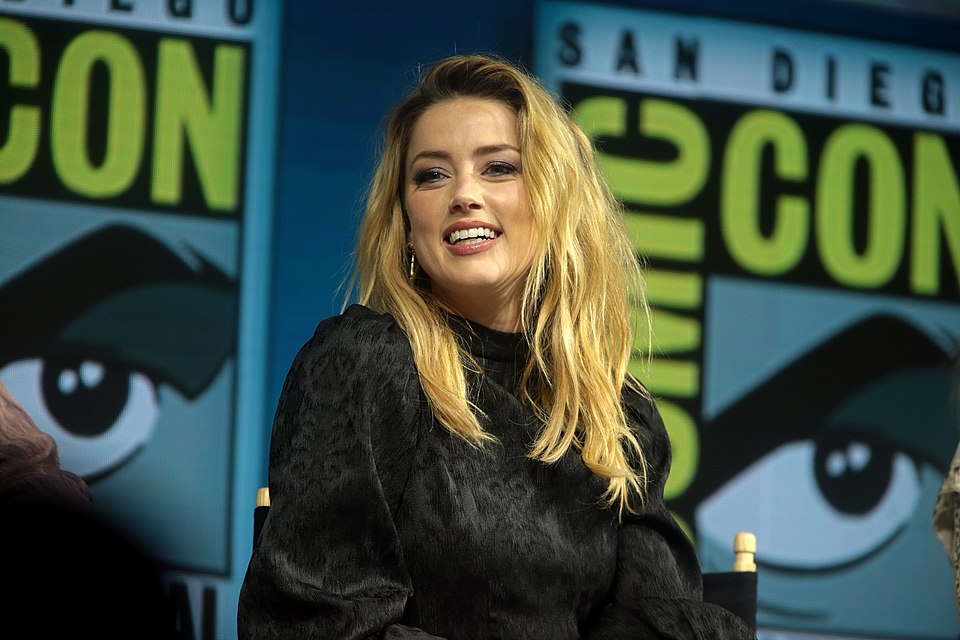
Amber Heard’s public image changed fast. Before the legal storm, she was a recognizable actress with glamour, confidence, and a growing Hollywood profile. Then her courtroom battle with Johnny Depp became a global spectacle, and millions watched private pain turn into public entertainment.
The case moved toward a defamation settlement after years of legal fighting, but the public damage had already taken hold.
The backlash was not only about the verdict. It was about the way the internet swallowed the trial. Clips went viral. Testimony became meme material. Strangers argued about body language, abuse claims, gender politics, and celebrity power as if they were sitting in the jury box.
Heard became one of Hollywood’s most polarizing figures because the public did not just watch the case. It turned the case into a cultural war.
Ellen DeGeneres
Ellen DeGeneres built a television empire on warmth. Her show looked bright, cheerful, and harmless, the kind of daytime comfort people could watch while folding laundry or eating lunch. She danced with guests, gave away prizes, hugged celebrities, and turned kindness into a brand.
That is why the backlash hit so hard when the show faced a workplace culture probe tied to complaints about behind-the-scenes conditions.
The anger felt personal because Americans do not like feeling tricked by a public image. If someone sells kindness, viewers expect kindness when the cameras stop, too. DeGeneres later addressed reports of a toxic workplace and promised change, but the image shift had already happened.
For many fans, she went from America’s friendly TV aunt to a symbol of Hollywood’s polished smile and messy backstage reality.
James Corden
James Corden’s backlash did not stem from a major criminal case or a dramatic courtroom saga. It came from something ordinary Americans understand immediately: how people treat service workers. After a New York restaurant controversy, Corden admitted he had made a rude comment and said it was wrong.
That story stuck because restaurant manners feel like a character test. People may forgive a weak movie, an awkward joke, or a celebrity being overexposed. Being rude to servers is harder to laugh off.
It reminds people of every customer who snapped fingers, talked down to staff, or treated workers like props. Corden was already a target for viewers who found him too loud, too eager, or too everywhere. The restaurant drama gave the public a clear reason to turn annoyance into open backlash.
Gwyneth Paltrow
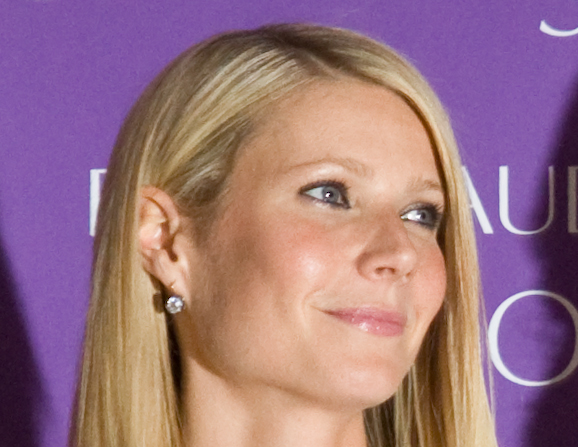
Gwyneth Paltrow has never been the kind of famous person. Her celebrity world seems scented, polished, expensive, and lightly detached from grocery-store reality. Her acting career gave her prestige, but her wellness brand turned her into a magnet for backlash.
The criticism intensified after the company agreed to pay civil penalties for unproven health claims associated with certain products.
The frustration around Paltrow is not only about one brand controversy. It is about the distance between celebrity wellness and regular American life. Many people hear luxury self-care advice and think, “That must be nice if your bank account has a personal assistant.”
Paltrow became the queen of backlash over an expensive lifestyle because she represents a version of wellness that can feel more like a velvet rope than a helping hand.
Jussie Smollett
Jussie Smollett’s case became one of the strangest celebrity controversies of the last decade. At first, he drew sympathy after reporting that he had been attacked in Chicago.
Then the story turned, prosecutors alleged the report was false, and the case became a national argument about race, politics, policing, hate crimes, media trust, and celebrity sympathy. His conviction was later overturned on due-process grounds, but the public debate did not end with the ruling.
The backlash was fierce because the case touched nearly every raw nerve in American culture. Some people saw him as a man wronged by a messy legal process. Others saw him as someone who damaged trust around real hate crimes. Smollett has maintained his innocence, but his name remains tied to a story that made people feel confused, angry, and exhausted.
Ezra Miller
Ezra Miller once looked like the kind of unconventional star Hollywood could build a franchise around. They had edge, mystery, presence, and a major superhero role. Then, troubling headlines, legal issues, and public incidents turned that promise into a public relations problem. Miller later apologized and said they were seeking mental health treatment, but the image shift had already happened.
The backlash became especially awkward because Miller was attached to a major superhero film. That meant the controversy was not only personal. It became a fan problem, a studio problem, and a marketing problem.
Viewers had to decide whether they could separate the character from the chaos around the actor. For many people, the cape stopped looking heroic and began to look like something the studio had to drag across the finish line.
Shia LaBeouf
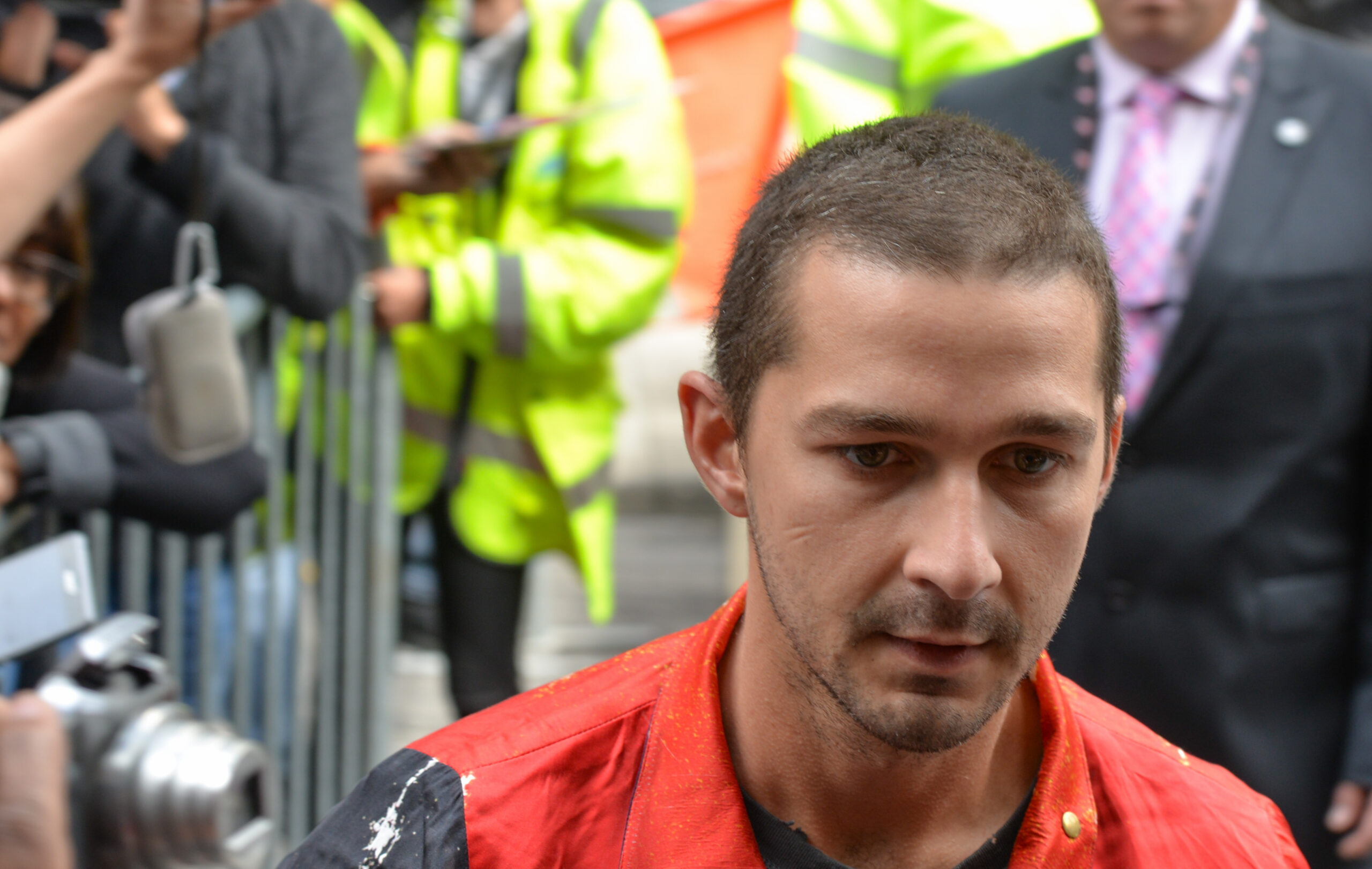
Shia LaBeouf has always had a restless kind of talent. He moved from child star to blockbuster lead to intense indie performer, and for a while, Hollywood treated his unpredictability as part of the package. Then the controversies grew heavier.
The most serious backlash followed allegations from FKA twigs, whose lawsuit accused him of abuse before both sides reached a private legal settlement.
LaBeouf has publicly discussed personal failings, but the old “troubled genius” frame no longer lands the same way. Audiences have become less willing to romanticize chaos when real people say they were hurt.
His career now carries a question Hollywood keeps trying to avoid: how many second chances should talent buy? For many viewers, LaBeouf stopped seeming unpredictable in an exciting way and started seeming like a warning.
Armie Hammer
Armie Hammer had the kind of image Hollywood loves to sell. Tall, polished, charming, connected, and built like a casting director’s answer to “wealthy leading man.” Then his public image collapsed under a wave of disturbing allegations about his private life. A criminal investigation followed one sexual assault allegation, though prosecutors later said he would not face charges after reviewing the case.
Hammer denied criminal wrongdoing, but the reputational damage was already enormous. The allegations were so unsettling that the internet could not stop talking about them. Projects faded. Public goodwill vanished. The clean-cut leading-man fantasy became difficult to sell. His story shows how quickly Hollywood polish can turn into suspicion when the public starts to believe that the image and the headlines belong to two different people.
James Franco
James Franco once seemed like Hollywood’s busiest overachiever. He acted, directed, wrote, taught, studied, hosted, and appeared to be everywhere at once. Then, sexual misconduct allegations changed the conversation around him. Former acting students filed claims against his acting school, and the case was later settled over allegations without an admission of wrongdoing.
The backlash hit hard because Franco’s public image had been built around creativity, intelligence, and mentorship. When allegations involve students, power, and career ambition, audiences tend to judge the story through a harsher lens.
Franco has continued trying to return to public life, including more recent film appearances, but the old admiration now sits beside discomfort. For many viewers, his name still comes with a pause.
Will Smith
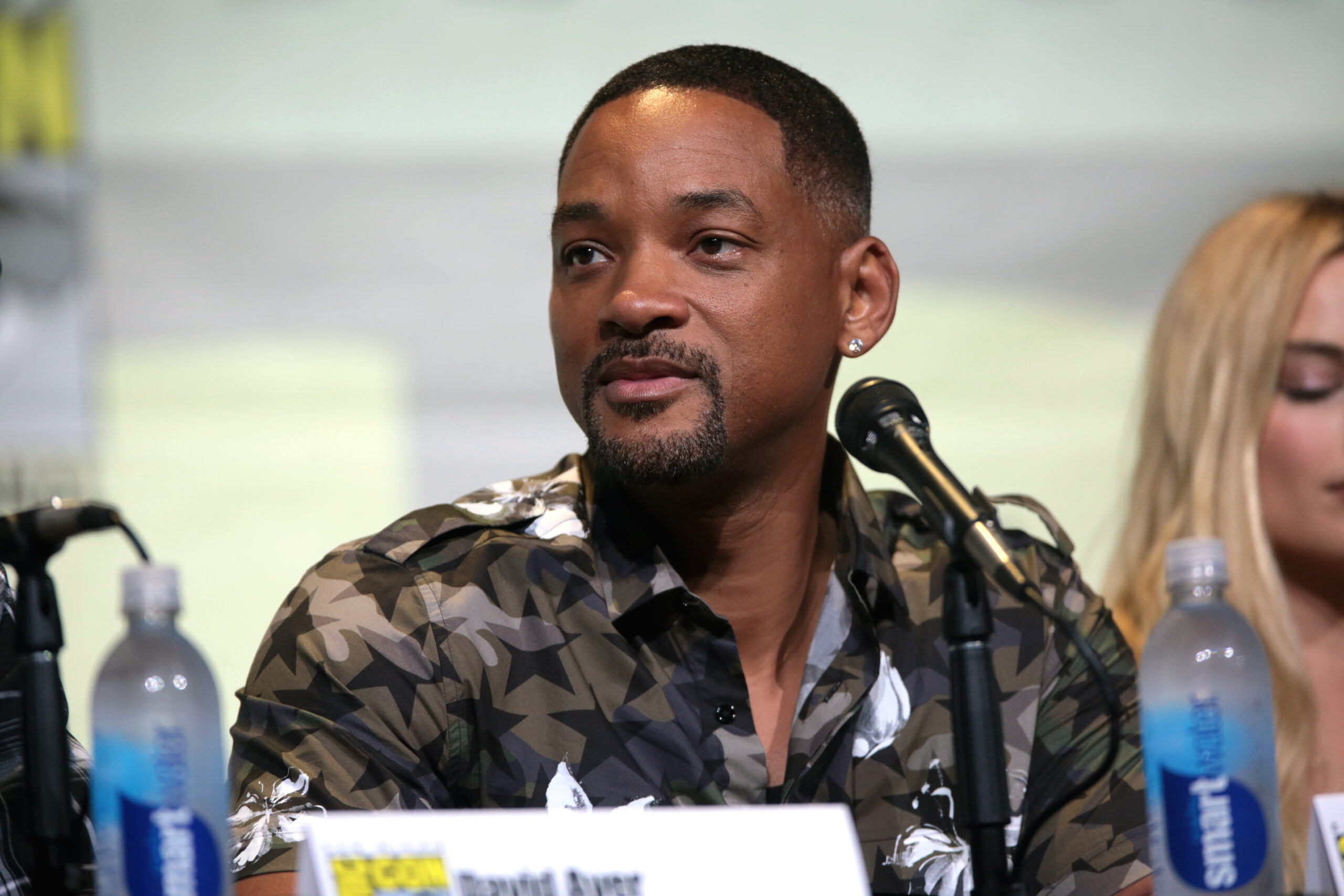
Will Smith spent decades as one of America’s safest celebrity bets. He was funny, charming, emotional, bankable, and familiar in a way few movie stars ever become. Then the 2022 Oscars happened. Smith walked onstage and slapped Chris Rock during a live broadcast, creating one of the most shocking moments in award-show history. He was later given a 10-year Oscars ban from Academy events.
The backlash was intense because it clashed with what Will Smith’s fans thought they knew. This was not a celebrity Americans already expected to unravel in public. This was the Fresh Prince, the family-friendly superstar, the blockbuster hero, the motivational interview guest.
Smith apologized and later returned to major box-office success, but the slap remains attached to his legacy. One moment turned decades of goodwill into a national argument about violence, jokes, pride, marriage, and public consequences.
Key Takeaway
Hollywood backlash feels personal because fans help build the myth. They buy the ticket, stream the show, quote the lines, share the interviews, defend the star, and turn famous strangers into emotional fixtures. When the star disappoints them, it can feel like a bad breakup with someone they never actually knew.
Their controversies exposed the gap between image and reality. Some may rebuild trust. Some may never outrun the old headlines. But every name on this list proves the same harsh truth about fame in America: the spotlight that makes a star look golden can turn into an interrogation lamp the second the public feels betrayed.