Every parent has had that stomach-drop moment. A teacher calls. A neighbor complains. A sibling cries. Something gets broken, stolen, hidden, or explained away with a story that sounds a little too polished for a child who supposedly “forgot what happened.”
Most childhood misbehavior is not a sign of disaster. Kids lie, test limits, slam doors, fight with siblings, sneak screen time, and make decisions that would make any tired parent stare at the ceiling at 2 a.m. But some patterns deserve more attention.
When a child repeatedly hurts others, shows no remorse, destroys property, lies constantly, or breaks serious rules, the issue may be bigger than “they are just acting out.” Child behavior experts describe conduct problems as repeated patterns of aggression and rule violations, which is why early action matters.
They Hurt People Or Animals Without Real Remorse
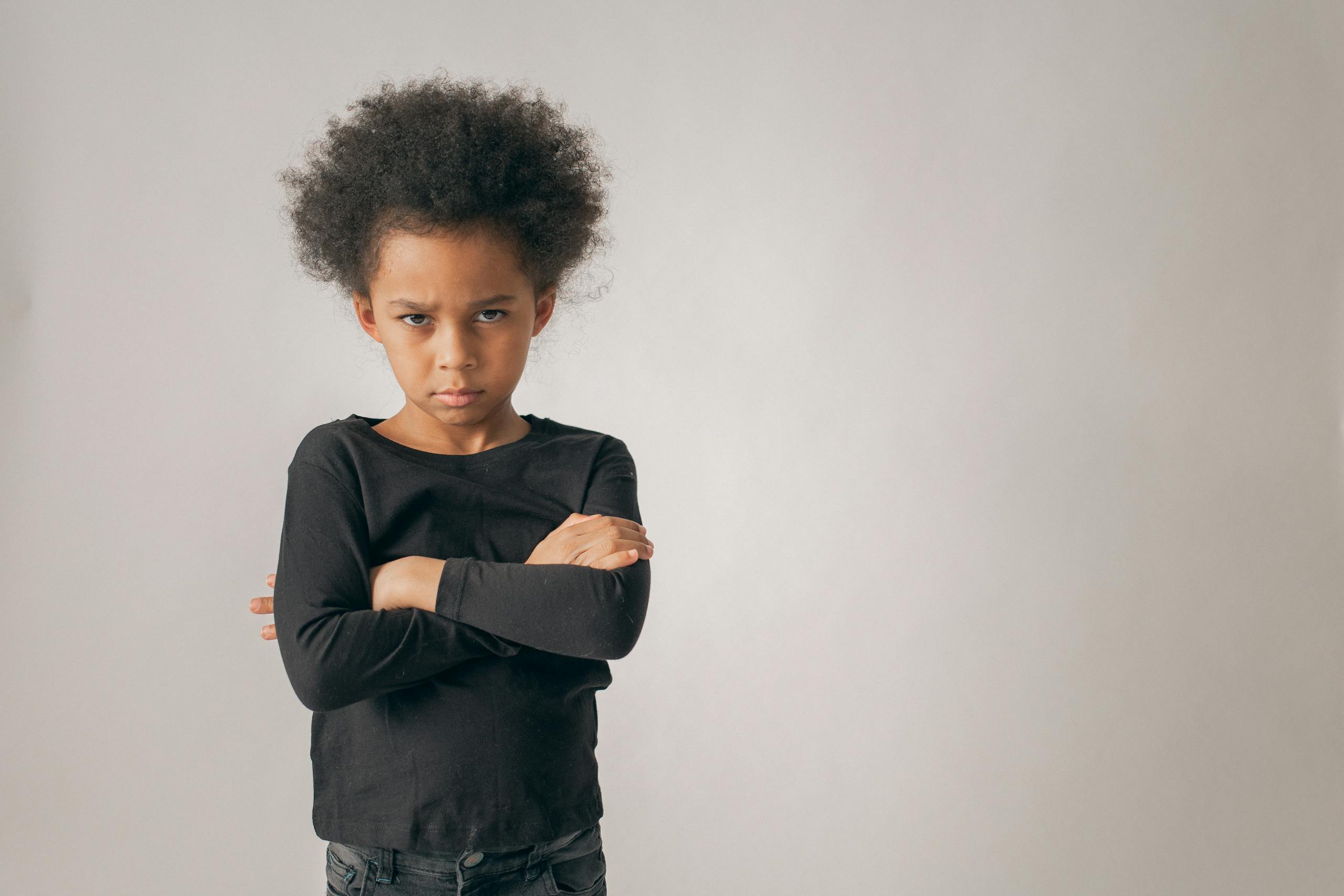
One of the most serious warning signs is repeated cruelty toward people or animals. This is not a one-time shove during a sibling fight or a child losing their temper after a rough day. The concern grows when aggression becomes a pattern, especially if the child bullies, intimidates, threatens, fights, or seems entertained by someone else’s fear or pain.
Parents should not brush this off as “boys being boys,” “middle school drama,” or “just a phase.” Mental health guidance lists aggression toward people and animals as possible signs of conduct disorder. That does not mean a child is doomed, but it does mean adults need to step in quickly with firm boundaries, supervision, and professional support.
They Lie So Often That Truth Feels Impossible To Find
All kids lie sometimes. They lie about homework, broken lamps, missing snacks, brushed teeth, and who really started the argument in the back seat. Normal lying is frustrating, but it usually has a clear purpose: avoiding trouble, getting attention, or escaping embarrassment.
The darker sign appears when lying becomes constant, calculated, and strangely calm. A child may create detailed stories, blame others, steal, deny obvious facts, or seem more upset about getting caught than about the harm caused. Pediatric experts list deceiving, lying, or stealing among serious conduct-related behaviors, especially when they repeat across home, school, and social settings.
They Destroy Property On Purpose
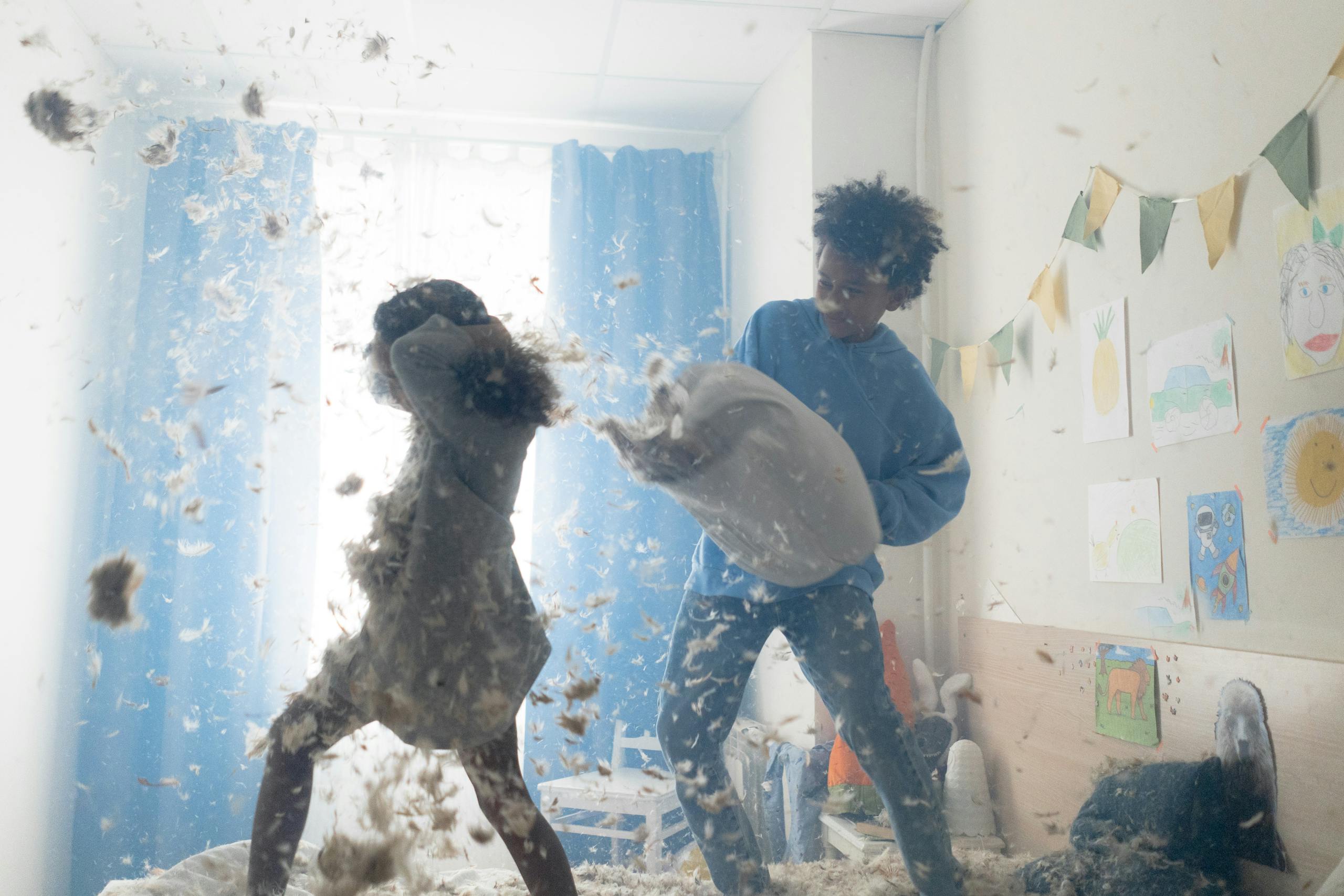
Accidents happen in every American home with children. A baseball hits a window. A phone gets cracked. A gaming controller meets the floor after a bad loss. Those moments are stressful, but they are not always dark.
The warning sign is intentional destruction. If a child breaks things to scare others, punish someone, get revenge, or feel powerful, parents should take it seriously. Deliberate property destruction can include vandalism, fire-setting, or damaging someone else’s belongings, and child health experts include destruction of property among conduct disorder behaviors.
They Show Little Concern After Hurting Someone
Remorse matters. A child does not need to sob dramatically after every mistake, but there should be some sign that they understand harm. They should be able to recognize when someone is scared, hurt, embarrassed, or treated unfairly.
A darker pattern appears when a child laughs, blames the victim, shrugs, or acts irritated only because consequences follow. That lack of concern can make family life feel cold and unpredictable. Children with conduct problems may show limited empathy or remorse, which is why parents should focus on both accountability and emotional development.
They Keep Breaking Major Rules Without Fear

Some rule-breaking is normal. Teens push curfews. Kids sneak devices after bedtime. A middle schooler may pretend they “forgot” about homework with the dramatic innocence of a tiny lawyer. But repeated major rule-breaking is different.
Parents should pay attention when a child often skips school, runs away, stays out all night, steals, breaks into places, or ignores serious consequences. Federal child mental health guidance includes serious rule violations such as running away or skipping school among conduct problem behaviors.
The concern is not one bad decision. The concern is a pattern that shows the child is pulling away from authority, safety, and accountability.
They Choose Friends Who Reward Their Worst Behavior
A child’s friend group can shape their behavior faster than a parent wants to admit. The right friends can pull a child toward sports, school goals, faith, hobbies, creativity, and better choices. The wrong crowd can make cruelty, stealing, fighting, substance use, or skipping school look normal.
This is especially important when a child starts hiding where they go, who they text, or what they do online. Youth justice research shows risk and protective factors can come from family, peers, and school, not just the child alone. Sometimes the child is not only making poor choices. They are being rewarded by a group that makes those choices feel impressive.
They Seem Drawn To Violence, Weapons, Or Revenge

Many kids enjoy action movies, superhero fights, video games, wrestling, or rough play. That alone does not mean a child is dangerous. The concern rises when a child becomes unusually focused on real violence, revenge, weapons, threats, or hurting people who have embarrassed or rejected them.
Parents should treat threats as information, not entertainment. This is especially serious when the child has already shown aggression, poor impulse control, bullying behavior, or intense anger. Youth violence risk factors can include poor behavioral control, exposure to conflict, substance use, and antisocial attitudes. It is always better to respond early than to explain later why nobody took the warning seriously.
What Parents Should Do Before Things Get Worse
The worst response is denial. The second worst response is panic. Parents need a steady middle path: calm, firm, honest, and fast. If these behaviors repeat, escalate, or harm others, it is time to involve a pediatrician, school counselor, licensed child therapist, or qualified mental health professional.
A child showing serious behavior problems needs structure, supervision, consistent consequences, and adults who do not look away. That does not mean treating the child like a lost cause. It means treating the pattern like something important enough to interrupt before it becomes harder to change.
Conclusion
A child is not a criminal because they make mistakes. A child is not doomed because they lie, fight, steal, destroy something, choose the wrong friends, or act out during a difficult season. Children can change, families can heal, and harmful patterns can be interrupted.
Still, parents should never ignore repeated cruelty, chronic dishonesty, property destruction, lack of remorse, major rule-breaking, dangerous peer influence, or threats of violence. The better question is not, “Am I raising a criminal?”
The better question is, “What is this behavior trying to tell me, and how fast can I get the right help?” Youth research shows that protective factors across the individual, family, and community levels can reduce the risk of more serious delinquency, meaning early attention can make a real difference.