Gout can turn one meal, one weekend, or one sugary drink habit into a painful reminder that uric acid does not play nicely. In the United States, gout affects millions of adults, with one NHANES-based analysis estimating that 12.1 million U.S. adults had gout in 2017 to 2018. That makes gout more than a niche joint problem; it is one of the most common inflammatory arthritis conditions people manage at home, at work, and at the dinner table.
The right fruits can be part of a smarter gout diet because they bring vitamin C, fiber, antioxidants, water, and naturally low purine levels to the plate. The wrong fruit choices, especially fruit juices, syrup-packed canned fruits, and oversized servings of very sweet fruits, can push sugar intake higher than the body needs. We should treat fruit as a useful gout-friendly tool, not a magic cure, because diet can help lower flare risk, but usually cannot replace medical treatment for people who need urate-lowering medicine.
Why Fruit Can Help a Gout Diet

Fresh fruit earns its place in a gout-friendly eating pattern because most fruits are naturally low in purines. That matters because gout nutrition is partly about reducing the uric acid burden without making meals miserable. Fresh fruit also brings water and fiber, two quiet helpers that make meals more filling and less likely to lead toward soda, candy, pastries, or other high-fructose options.
The strongest fruit-related nutrients for gout are vitamin C, polyphenols, anthocyanins, fiber, potassium, and water. Vitamin C may help lower uric acid levels, and the best food sources include citrus fruits, kiwifruit, strawberries, and other fruits and vegetables. Cherries have also been studied for gout, with research linking cherry intake over a two-day period to a 35% lower risk of recurrent gout attacks compared with no cherry intake.
Cherries
Cherries deserve the top position because they have the most gout-specific reputation and research interest. Tart cherries and sweet cherries contain anthocyanins, the deep red-purple plant compounds that also give many berries their color. These compounds are studied for antioxidant and anti-inflammatory activity, which is exactly the kind of support a gout-focused plate needs.
The strongest takeaway is not that cherries cure gout, but that they may help reduce flare risk when used as part of a broader plan. A gout study involving 633 people found cherry intake over two days was linked with a 35% lower risk of attacks compared with no cherry intake. Fresh cherries, frozen cherries, and unsweetened tart cherry products are the best choices because added sugar can work against the goal.
Strawberries
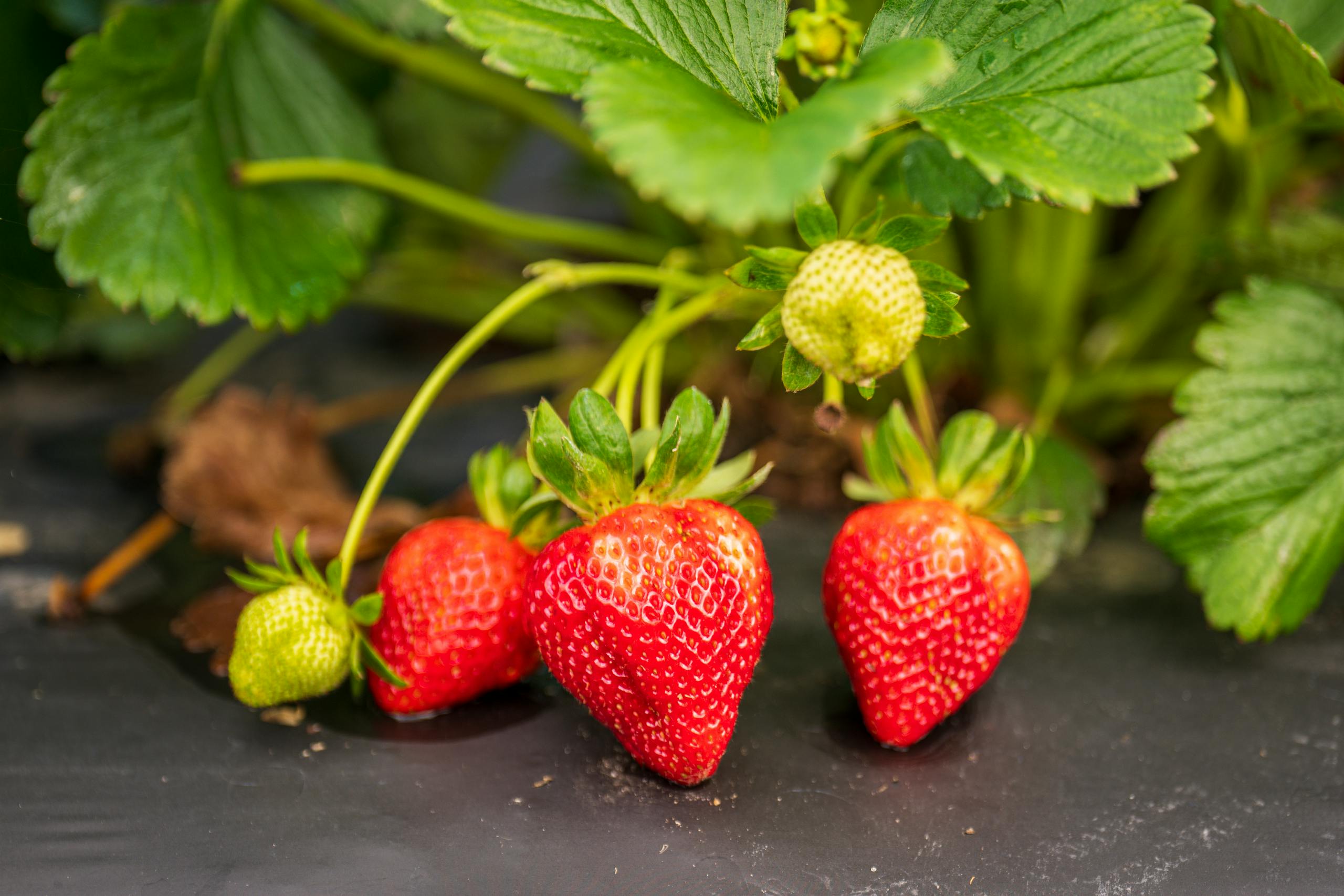
Strawberries are a strong gout-friendly fruit because they combine vitamin C, fiber, water, and natural sweetness without feeling heavy. They work well in breakfast bowls, salads, smoothies, and snacks, especially when we use them instead of syrup, jam, sweetened yogurt toppings, or dessert sauces. For people trying to manage both weight and uric acid, strawberries offer volume and flavor without the concentrated sugar load of juice.
Their vitamin C content also supports their place in a gout diet. NIH’s Office of Dietary Supplements lists strawberries among good food sources of vitamin C, and Mayo Clinic notes that vitamin C may help lower uric acid levels. The best version is simple: fresh or frozen strawberries with no added sugar, paired with low-fat yogurt, oatmeal, or a handful of nuts.
Blueberries
Blueberries are small, but they bring a heavy nutritional argument. They contain anthocyanins, fiber, and a naturally sweet taste that can help replace refined sweets. For gout, that matters because the goal is not only to “eat less bad food,” but to create meals that feel satisfying enough to repeat.
Blueberries also fit neatly into a DASH-style or Mediterranean-style eating pattern, both of which emphasize fruit, vegetables, whole grains, lean proteins, and healthier fats. Mayo Clinic describes gout-focused eating as similar to DASH and Mediterranean-style diets, with more fruits, vegetables, whole grains, and moderate portions of healthy foods. A practical serving is half a cup to one cup of blueberries added to oatmeal, plain Greek yogurt, or a spinach salad. Mayo Clinic
Oranges
Oranges are useful because they offer vitamin C in a whole-food package with fiber and water. The keyword is whole. An orange eaten in segments behaves very differently from a tall glass of orange juice because the whole fruit takes longer to eat, contains fiber, and delivers a more controlled sugar load.
This distinction is important for gout. Fructose-rich beverages, including orange juice, have been linked to higher gout risk, and Mayo Clinic recommends limiting fruit juices even when no sugar is added. We should keep oranges on the gout-friendly list, but we should treat orange juice as an occasional small portion rather than a daily health drink.
Grapefruit
Grapefruit can be a smart, gout-friendly fruit because it is hydrating, tart, refreshing, and rich in vitamin C. It can help cut through rich meals and may reduce the craving for dessert after dinner. Pink and red grapefruit also contain carotenoid pigments, which add to their appeal as a colorful whole-food option.
The caution is medication interaction. Grapefruit can interfere with several prescription medicines, so people taking medications for cholesterol, blood pressure, heart rhythm, transplant care, or other conditions should ask a clinician or pharmacist before making it a regular habit. For people who can safely eat it, half a grapefruit with breakfast or grapefruit segments in salad can work better than grapefruit juice.
Lemons and Limes

Lemons and limes do not need to be eaten like oranges to help a gout-friendly diet. Their best role is flavor. A squeeze of lemon over water, fish, vegetables, lentils, or salad can make low-purine meals taste brighter without relying on salty sauces, sugary dressings, or heavy gravies.
Lemon water also helps some people drink more water, and hydration supports the body’s normal uric acid removal through the kidneys. The National Kidney Foundation notes that uric acid passes through the kidneys and leaves through urine, and it also links uric acid buildup with kidney stones and kidney problems. Lemon and lime are not a treatment, but they are useful kitchen tools for making gout-friendly eating easier to sustain. National Kidney Foundation
Apples
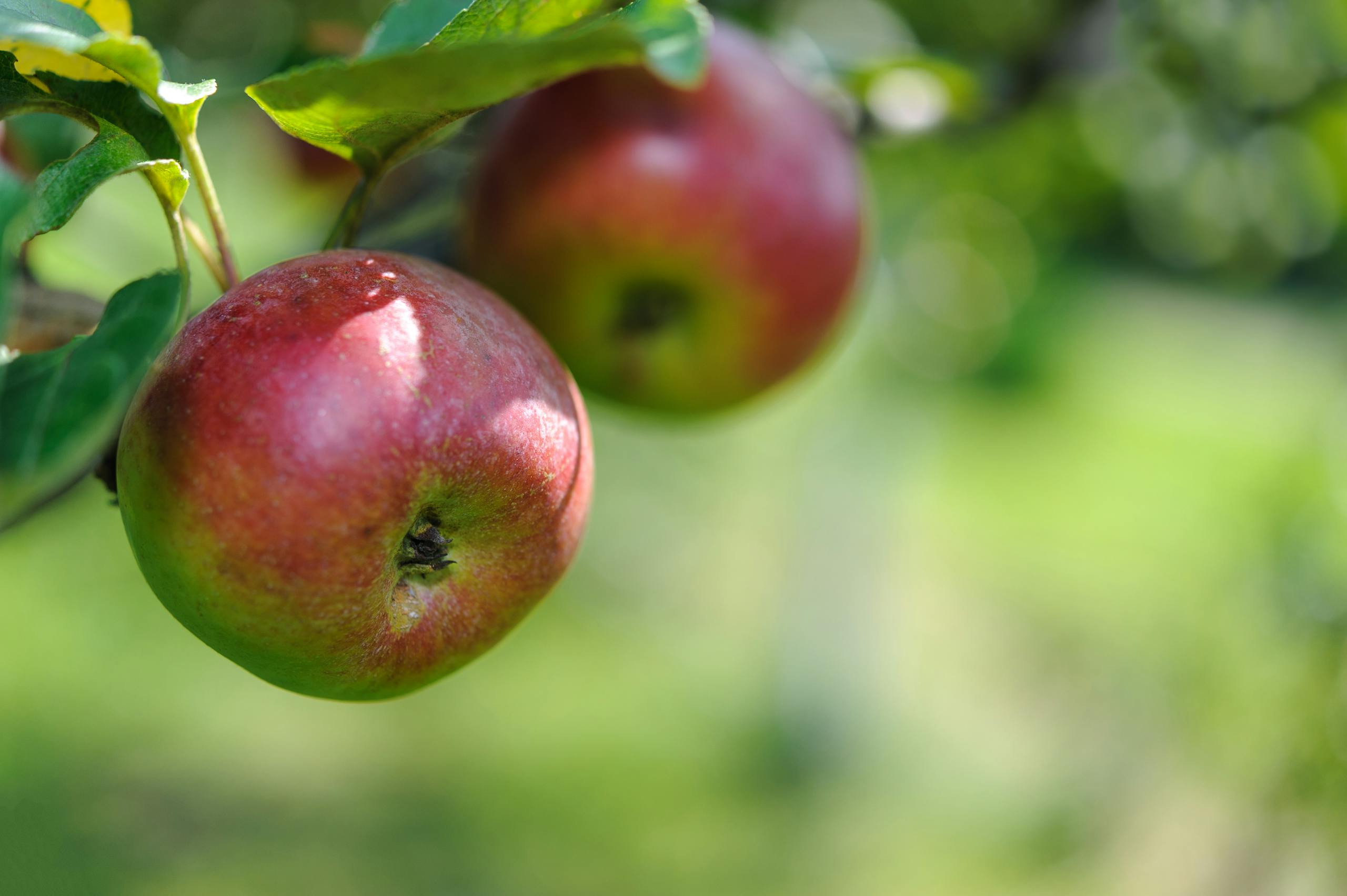
Apples are one of the easiest fruits to use in a gout diet because they travel well, store well, and pair well with protein and fiber-rich foods. Their main advantage is not a miracle compound, but a reliable structure. Apples contain fiber, water, crunch, and enough sweetness to replace snacks that might otherwise come from cookies, candy, or sweetened drinks.
Portion still matters because apples contain natural sugar. One medium apple is a sensible serving for most people, especially when paired with peanut butter, plain yogurt, cottage cheese, or a small handful of nuts. Mayo Clinic specifically lists apples among fruit choices that fit a gout-focused eating pattern, which makes them a safe everyday option for many people.
Pears
Pears are gentle, fiber-rich, and easy to add to breakfast or snacks. Their texture makes them especially useful for people who want something sweet after dinner without turning to cake, candy, or ice cream. A ripe pear with cinnamon can feel like dessert without becoming a sugar bomb.
The best gout-friendly use is a whole pear, not pear nectar, pear juice, or canned pears in syrup. The fiber in the whole fruit slows the eating experience and helps with fullness, while syrup and juice make sugar easier to overconsume. Since Mayo Clinic recommends complex carbohydrates from fruits and whole grains while limiting fruit juices, pears fit best in their fresh form.
Bananas
Bananas are low in purines, easy to digest, and useful for quick meals. They do not have the same gout-specific research profile as cherries, but they can still support a balanced low-purine eating pattern. Their biggest advantage is convenience: one banana can make oatmeal, smoothies, or plain yogurt more satisfying without added sugar.
The portion strategy is simple. One small or medium banana works well, especially before exercise or as part of breakfast. For people with diabetes, insulin resistance, or weight-loss goals, pairing a banana with protein or fiber helps avoid turning it into a stand-alone sugar-heavy snack.
Pineapple
Pineapple often appears in gout discussions because it contains bromelain, an enzyme studied for inflammation-related effects. The honest view is that pineapple can be part of a gout-friendly diet, but it should not be treated as a flare treatment. Its stronger everyday value comes from being juicy, refreshing, low in purines, and easy to use in balanced meals.
Fresh pineapple is better than canned pineapple in syrup or sweetened pineapple juice. Try small chunks with low-fat yogurt, grilled chicken, cucumber salad, or cottage cheese. That approach gives flavor without turning pineapple into a large sugar serving.
Kiwi
Kiwi is one of the most underrated gout-friendly fruits because it packs vitamin C, fiber, and a sharp-sweet flavor into a small serving. NIH lists kiwifruit among strong vitamin C sources, which supports its place in a uric-acid-conscious diet. It also works well for people who get bored with apples, bananas, and oranges.
Two kiwis can make a satisfying snack, especially with plain yogurt or a small portion of nuts. Kiwi also adds brightness to fruit salads without needing syrup, honey, or sweetened dressing. For gout, that is the winning pattern: high flavor, useful nutrients, and no added sugar.
Common Fruit Mistakes That Can Make Gout Worse
The first mistake is drinking fruit instead of eating it. Juice, smoothies with several fruits, sweetened smoothie bowls, and bottled fruit drinks can carry far more sugar than expected. Even “natural” drinks can become a problem when they concentrate fruit into a large serving.
The second mistake is ignoring added sugar. Dried fruit mixes, canned fruit, flavored yogurts with fruit syrup, fruit snacks, fruit bars, and “healthy” granola bowls can quietly move the diet closer to dessert. For gout, we want fruit to replace excess sugar, not become another delivery system for it.
Final Takeaway
The best fruits for gout are the ones that bring nutrients without flooding the body with concentrated sugar. Cherries, berries, citrus fruits, kiwi, apples, pears, bananas, pineapple, and melon can all support a gout-friendly diet when eaten as whole fruits in sensible portions. Fruit juice, canned fruit in syrup, sweetened dried fruit, and oversized smoothie servings deserve more caution because they can turn a good food category into a sugar problem.