Death row is not just a place where America sends its worst criminals. It is a place where time turns cruel.
A man eats breakfast knowing the state may one day choose the hour he dies. A mother waits for a prison phone call that could bring hope or confirm the final date. A lawyer races against paperwork, judges, governors, and the clock. A family of victims waits too, carrying grief that no court ruling can fully repair.
That is what makes death row so disturbing. It is not only about punishment. It is about doubt, revenge, politics, trauma, public spectacle, and the terrifying possibility that a system run by human beings can make an irreversible mistake.
These 8 chilling death row cases show the darkest side of American justice.
Richard Glossip and the horror of almost dying again and again
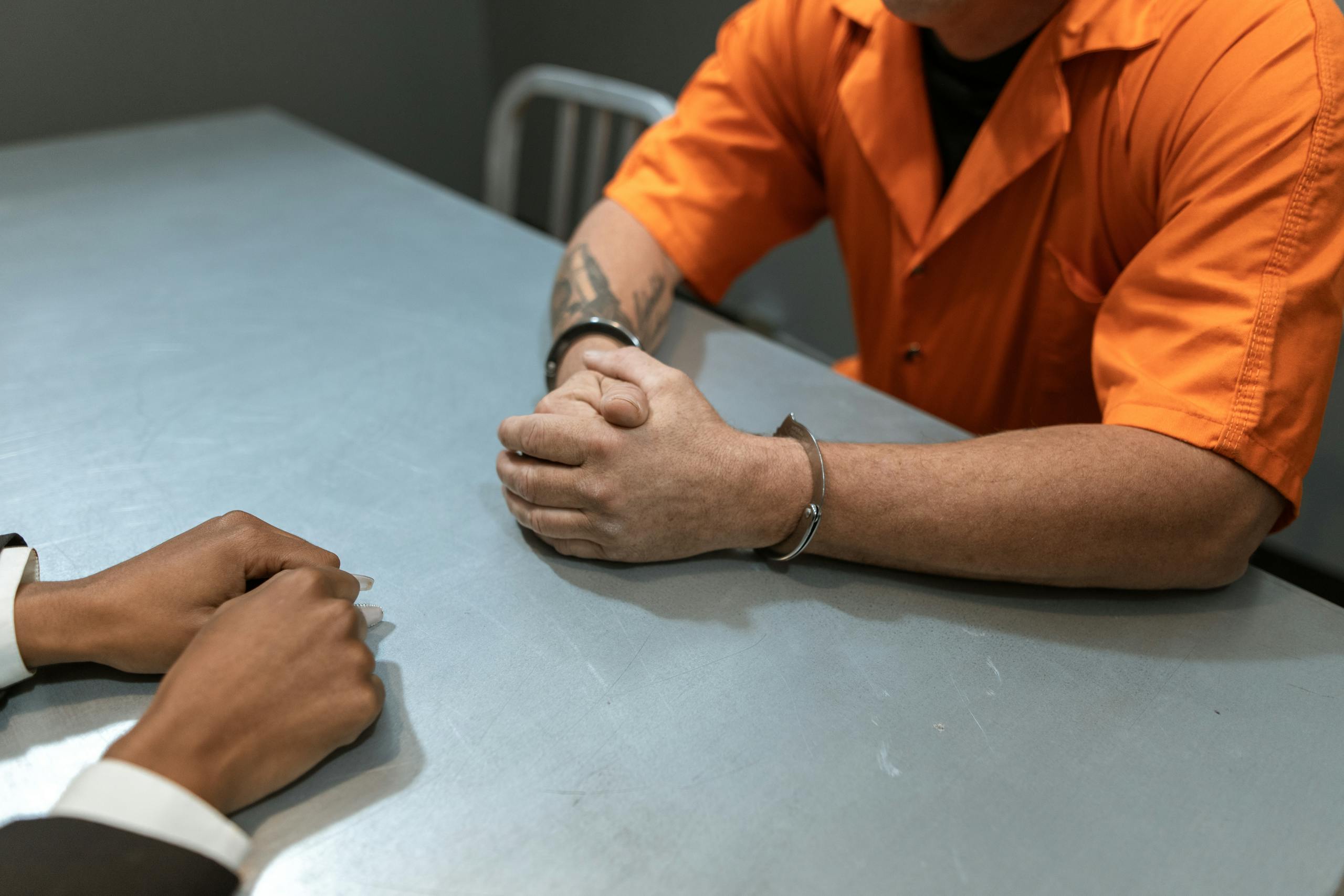
Richard Glossip spent nearly three decades fighting an Oklahoma murder conviction tied to the 1997 killing of motel owner Barry Van Treese. Prosecutors said Glossip arranged the murder. The man who admitted to killing Van Treese, Justin Sneed, testified against him and received a life sentence.
What makes the case chilling is how many times Glossip came close to execution. He faced nine execution dates, meaning he had to prepare for death repeatedly while lawyers argued over false testimony, withheld evidence, and whether he ever received a fair trial.
Imagine saying goodbye once. Then twice. Then again. That is not an ordinary punishment. That is a person living in a cycle of almost dying while the legal system slowly admits something may have gone wrong.
Melissa Lucio and the fear of doubt arriving too late
Melissa Lucio was sentenced to death in Texas for the death of her 2-year-old daughter, Mariah. Prosecutors said she killed the child. Her supporters argued that Mariah died after a fall and that Lucio’s confession came after hours of interrogation while she was grieving, exhausted, and vulnerable.
Her case became a national warning about death row’s most terrifying flaw: sometimes serious doubt appears after the sentence has already moved dangerously close to execution. A judge later recommended that Lucio’s conviction and sentence be overturned after concerns about suppressed evidence and trial fairness.
That is the nightmare. If the state kills someone and the truth changes later, there is no repair. There is no apology big enough. There is no way to hand a life back.
Julius Jones and mercy at the edge of death
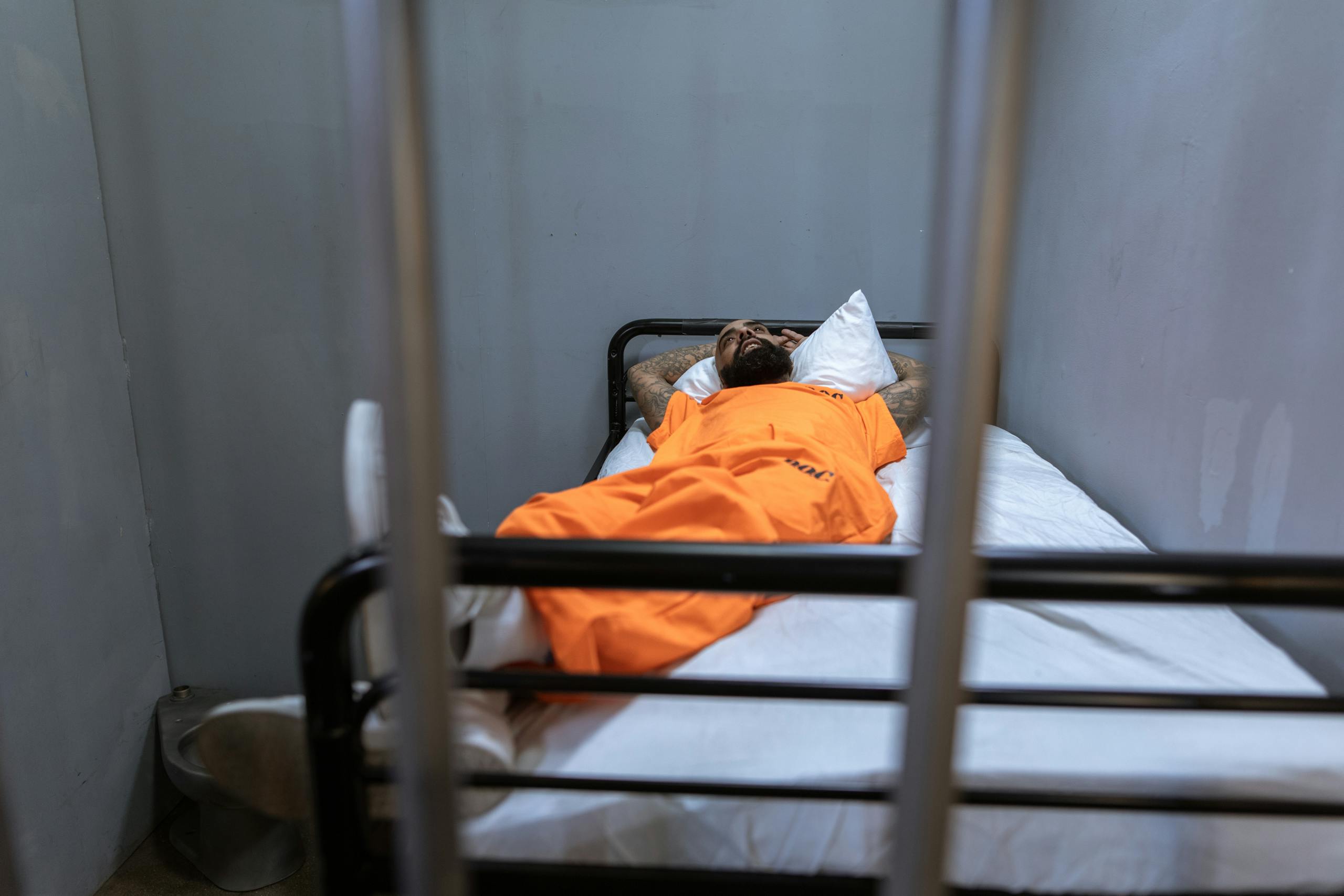
Julius Jones was sentenced to death in Oklahoma for the 1999 murder of Paul Howell. Jones maintained his innocence. Howell’s family strongly believed the conviction was correct. The case drew celebrities, activists, athletes, and ordinary Americans into a loud national fight over guilt, race, evidence, and mercy.
Then the clock nearly ran out.
Just hours before his execution, Jones’s sentence was changed to life without parole. His supporters felt relieved. The victim’s family felt denied. America watched another death row case prove that legal finality does not always bring emotional peace.
Death row promises closure. Cases like Jones’s show how often it leaves everyone still bleeding.
Aileen Wuornos and death row as a public spectacle
Aileen Wuornos was executed in Florida in 2002 after being convicted of murdering men. Her case became one of America’s most infamous death row stories because it mixed murder, sex work, trauma, abuse claims, gender, mental health, and the country’s fascination with female killers.
Wuornos did not just die by execution. She became content before and after death. Movies, documentaries, interviews, and true-crime shows kept returning to her story, turning her into a symbol people argued over for years.
Her execution came after she stopped fighting her appeals, even as questions about her mental state followed the case. Her crimes were real. Her victims mattered. But her story also exposes how death row can become a stage where trauma, violence, media obsession, and state power collide.
America does not just punish some death row inmates. Sometimes it consumes them.
Ted Bundy and the crowd that came to watch his death
Ted Bundy’s crimes were horrifying. He murdered young women and girls and became one of the most notorious serial killers in American history. By the time Florida executed him in 1989, many Americans saw him as pure evil.
Outside the prison, crowds gathered. Some cheered. Some carried signs. Some treated the execution like a public event.
Bundy died in the Florida electric chair, but the scene outside the prison revealed something darker than one killer’s ending. It showed how execution can become a public celebration when the condemned person is hated enough.
That may feel understandable when the crimes are monstrous. Still, it raises a brutal question: what happens to a society when state killing becomes something people gather to cheer?
Timothy McVeigh and the limits of closure
Timothy McVeigh was executed for the 1995 Oklahoma City bombing, which killed 168 people, including 19 children. His crime scarred the country. His execution in 2001 became the first federal execution in 38 years.
Because so many victims’ relatives and survivors wanted to witness it, the government arranged closed-circuit television for some of them.
That detail is haunting. The execution became more than punishment. It became a national ritual of grief. But even after McVeigh died, the dead did not return. The trauma did not vanish. Families still had to live with empty rooms, missing children, and memories no execution could erase.
Death row can end a prisoner’s life. It cannot always end pain.
Dylann Roof and federal death row as national trauma

Dylann Roof was convicted of the racist killing of nine Black worshippers at Emanuel AME Church in Charleston. His case became more than a murder trial. It became a symbol of racial hatred, domestic terror, faith, forgiveness, and America’s oldest wounds.
When President Biden commuted most federal death sentences in 2024, Roof was one of the three men left out. The federal list confirms that three prisoners were not included in those commutations.
That decision shows how some cases become too symbolically heavy for politics to release from death row. To some Americans, Roof remaining under a death sentence feels like justice. To others, it proves that public horror, politics, and national memory shape the death penalty.
His case shows death row as more than punishment. It becomes a place where America stores crimes it cannot emotionally process.
Dzhokhar Tsarnaev and the politics of punishment
Dzhokhar Tsarnaev was sentenced to death for the Boston Marathon bombing, an attack that killed three people and injured hundreds. His case became a national trauma story because the bombing attacked a public celebration, a city tradition, and the ordinary joy of people gathering in the street.
Like Roof, Tsarnaev remained on federal death row after most federal death sentences were commuted. He was one of the only three prisoners excluded from that decision.
His case reveals how death row often sits at the intersection of law and symbolism. Terrorism cases do not feel ordinary to the public. They carry fear, anger, patriotism, grief, and the demand for a punishment that feels equal to the wound.
But that is where the death penalty becomes most complicated. The more emotional the case, the harder it becomes to separate justice from revenge, law from politics, and punishment from national performance.
Conclusion

These 8 chilling death row cases reveal why America’s darkest punishment remains so difficult to defend cleanly.
Richard Glossip shows the horror of almost dying again and again while a case unravels. Melissa Lucio shows how doubt can grow dangerously close to execution. Julius Jones shows how mercy can arrive with hours left and still leave families divided.
Aileen Wuornos shows how death row can become a spectacle. Ted Bundy shows how execution can become a public celebration. Timothy McVeigh shows that execution does not always bring closure. Dylann Roof and Dzhokhar Tsarnaev show how federal death row carries national wounds.
Some of these inmates committed horrific crimes. Their victims should never be reduced to background characters in a story about punishment. But death row is not only about what the condemned did. It is also about what America does afterward.