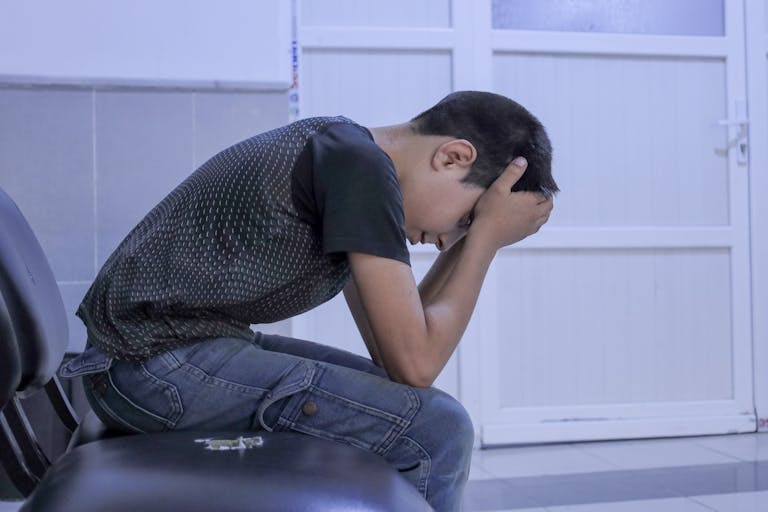
Relationships are built on trust, understanding, and mutual respect. But even the best of us make mistakes that can have lasting consequences. Some actions may not seem all that harmful at first, but over time, they can chip away at the foundation of a relationship, leading to feelings of betrayal, resentment, and heartbreak.
Here are the 10 scariest things you could do to your partner, and what it truly means for your relationship.
Constantly Lying

Trust is the cornerstone of any relationship. When you lie to your partner, whether it’s about small things or big issues, you weaken that trust.
Over time, lying creates an atmosphere of doubt, leaving your partner feeling paranoid and unsure about what is real. Eventually, the truth always comes out, and the damage done by deception can be irreparable.
What it means: It shows a lack of respect and accountability. If you can’t be honest with your partner, it suggests a deeper issue in your commitment to the relationship.
Ignoring Their Emotional Needs

Relationships require emotional investment. If you’re consistently failing to meet your partner’s emotional needs, they may begin to feel unloved, neglected, and isolated.
Emotional neglect doesn’t just refer to ignoring big issues; it can be as subtle as not acknowledging how your partner feels during important moments.
What it means: This behavior shows that you’re either not paying attention to their needs or, worse, you’re simply indifferent to them. Over time, this erodes the emotional connection that’s necessary for intimacy and trust.
Withholding Affection
Affection is essential in relationships. It’s a way of communicating love, care, and appreciation. When you withhold affection,whether physically or emotionally, it sends a signal that you don’t care enough to show it. This can make your partner feel unloved, leading them to question the stability of the relationship.
What it means: It can be a form of emotional manipulation or a symptom of deeper issues, such as resentment or frustration. Either way, it’s a clear warning sign that something’s wrong.
Being Verbally Abusive
Words can hurt just as much as actions, sometimes more so. Verbal abuse,whether it’s insults, sarcasm, or belittling remarks, can damage your partner’s self-esteem and create an unsafe, toxic environment.
The scars from harsh words are often carried for a long time, sometimes never fully healed.
What it means: This is a serious sign of disrespect. It suggests a power imbalance where one partner feels entitled to demean the other. This behavior is unacceptable and can lead to long-term emotional trauma.
Cheating or Emotional Infidelity

Infidelity, whether physical or emotional, is one of the most damaging things you can do to a partner. It breaks trust in a way that is often never fully repaired.
Even emotional affairs,when you’re emotionally invested in someone outside the relationship, are devastating because they betray the intimacy meant to be shared with your partner.
What it means: Cheating indicates a lack of commitment and an inability to maintain boundaries. It signals that you’re not prioritizing your partner or the relationship itself, often leaving both partners feeling rejected and hurt.
Gaslighting
Gaslighting is a form of psychological manipulation where you make your partner question their own reality. This could involve denying things you’ve said or done, distorting the truth, or making them feel crazy for their feelings.
Gaslighting undermines their confidence and makes them doubt their own perceptions.
What it means: This behavior is a form of control. It’s an effort to manipulate your partner into questioning their worth and judgment, ultimately leaving them feeling isolated and powerless.
Constant Criticism
Constructive criticism can help a relationship grow, but constant criticism is toxic.
When you’re always pointing out what your partner is doing wrong, without recognizing what they’re doing right, it creates a negative dynamic where they begin to feel as though they can never measure up.
What it means: If you’re consistently criticizing your partner, it shows a lack of appreciation for who they are and what they bring to the relationship. Over time, it can destroy their confidence and lead to resentment.
Not Taking Responsibility for Your Actions
In every relationship, both parties need to take accountability for their mistakes. If you refuse to take responsibility for your actions and blame your partner for everything, it creates an imbalance in which your partner feels they’re carrying the emotional load of the relationship.
This can lead to frustration and emotional burnout.
What it means: This behavior signals immaturity and an unwillingness to grow. It’s a sign that you may not be fully invested in your partner or the relationship, as you’re more focused on self-preservation than fixing issues together.
Dismissing Their Needs or Opinions
Relationships thrive on mutual respect and understanding. Dismissing your partner’s opinions or needs, whether it’s by invalidating their feelings, ignoring their suggestions, or making decisions without consulting them, creates a lack of equality.
Over time, this can lead to frustration and a sense of being unheard or unimportant.
What it means: This shows that you value your own opinions and needs over your partner’s. It can lead to resentment as they feel less like an equal partner and more like someone who has to constantly fight for attention and respect.
Avoiding Conflict Resolution

Avoiding conflict is a common coping mechanism, but in a healthy relationship, conflicts must be addressed. If you consistently ignore issues or refuse to communicate when things go wrong, the problems will fester and become bigger down the line.
It’s not about avoiding conflict, but about handling it maturely and constructively.
What it means: This behavior shows avoidance of responsibility and a lack of emotional maturity. It implies that you’re not willing to face uncomfortable truths, which can ultimately prevent your relationship from growing stronger.
Conclusion
Every action in a relationship has consequences. While many of these behaviors may start small, over time, they accumulate and erode the trust, respect, and emotional connection necessary for a healthy partnership.
If any of these behaviors resonate with you, it’s important to recognize them and work towards healthier communication and behavior. Relationships require continuous effort from both parties to ensure they thrive, and it’s never too late to make a change.