The modern kitchen is becoming more than a place to prepare meals. It is increasingly expected to accommodate storage, social gatherings, household routines, and even activities that once took place in separate rooms.
The National Kitchen and Bath Association’s 2026 Kitchen Trends Report highlights several features that designers and industry professionals expect to remain important. The report is based on a survey of 634 people working in the kitchen and bath industry, including designers, manufacturers, remodelers, and architects.
Key findings include growing interest in natural materials, practical storage, flexible layouts, and personalized features. These trends point to a few specific kitchen ideas receiving attention.
Natural Wood Cabinets
Wood finishes continue to attract attention from kitchen designers who want spaces to feel warm without relying on elaborate decoration.
The NKBA report identifies wood grain as a growing choice, with 59% of respondents expecting it to gain popularity. White oak was identified as the most popular wood type in the survey.
Natural wood cabinets can work with neutral countertops, simple handles, and different flooring materials. They also offer an alternative to kitchens where every cabinet is painted the same color.
Homeowners do not necessarily need to replace an entire kitchen to introduce this look. Depending on the existing layout, a wood-finish island or a few replacement cabinet fronts may create a similar effect.
More Functional Kitchen Islands
Kitchen islands are increasingly being considered for more than extra countertop space.
A well-planned island can add drawers, food-prep space, seating, or storage for frequently used kitchen items. The NKBA report notes growing interest in kitchens designed around practical lifestyle needs. That makes the island an important feature to consider when planning a renovation.
Before installing one, homeowners should think about available floor space and movement around the kitchen. A large island may look attractive in a showroom but become inconvenient if it blocks access to cupboards or appliances.
Related: 7 Easy, Fast-Growing Vegetables You Can Harvest in Almost No Time
Dedicated Beverage Stations
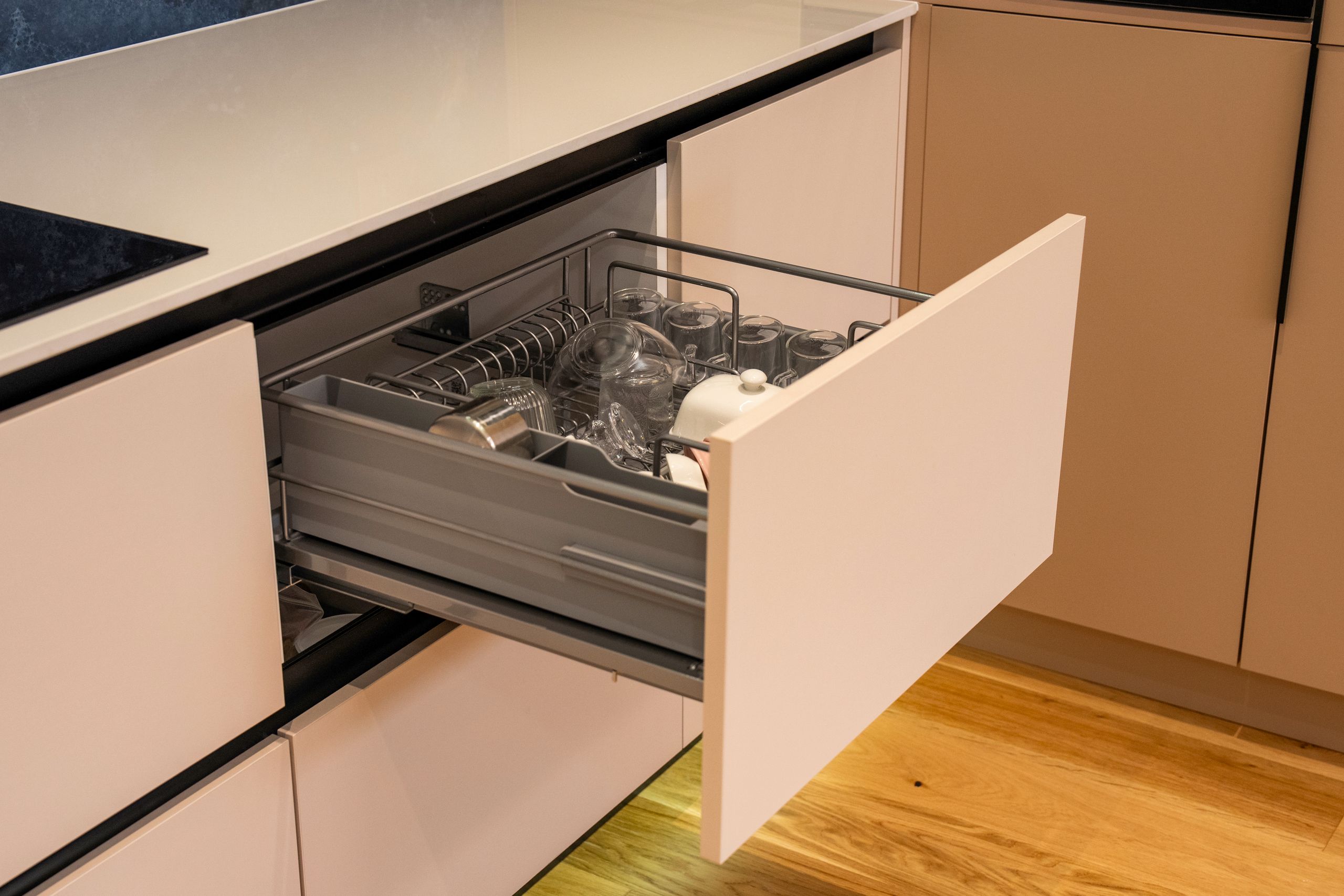
A beverage station can give coffee machines, tea supplies, drink glasses, and related accessories their own designated area.
The NKBA report identifies dedicated beverage areas as a popular kitchen feature, with 85% of respondents highlighting them.
These stations can be incorporated into a cabinet section, a small countertop corner, or a separate area near the dining space.
This arrangement can keep the main preparation counter less crowded, especially in households where several people prepare drinks throughout the day.
Smarter Cabinet Storage
Storage remains one of the most important considerations in kitchen planning.
Floor-to-ceiling cabinets, deeper drawers, and organized pantry spaces can help homeowners use available space more effectively. The NKBA report identifies increased interest in these storage features.
Drawers can be particularly useful for pots, pans, and food containers because items are easier to access than when stacked at the back of a deep cupboard.
A walk-in pantry may suit a larger kitchen, while smaller homes can use pull-out shelves and vertical organizers to improve existing cabinets.
Under-Cabinet Lighting
Lighting can influence how a kitchen looks and how conveniently different areas can be used.
Under-cabinet lights illuminate countertops, while pendant lights can add a decorative feature above an island.
The NKBA report found that 82% of respondents identified under-cabinet lighting as a popular option. It also highlighted natural lighting and task lighting as important design considerations.
Homeowners planning an upgrade should consider where shadows fall when preparing food or using countertop appliances. Lighting should serve a practical purpose while complementing the overall design.
Related: 15 Everyday Items That Are Worth More Than You Think
Neutral Colors With Natural Accents
Neutral kitchens remain a strong choice in contemporary design.
The NKBA report found that 96% of respondents identified neutral colors as popular, while greens and blues also received strong support.
A neutral base can make it easier to introduce color through accessories, backsplashes, decorative objects, or a contrasting island.
This approach gives homeowners room to update a kitchen’s appearance without replacing major features whenever their preferences change.
More Open and Connected Layouts
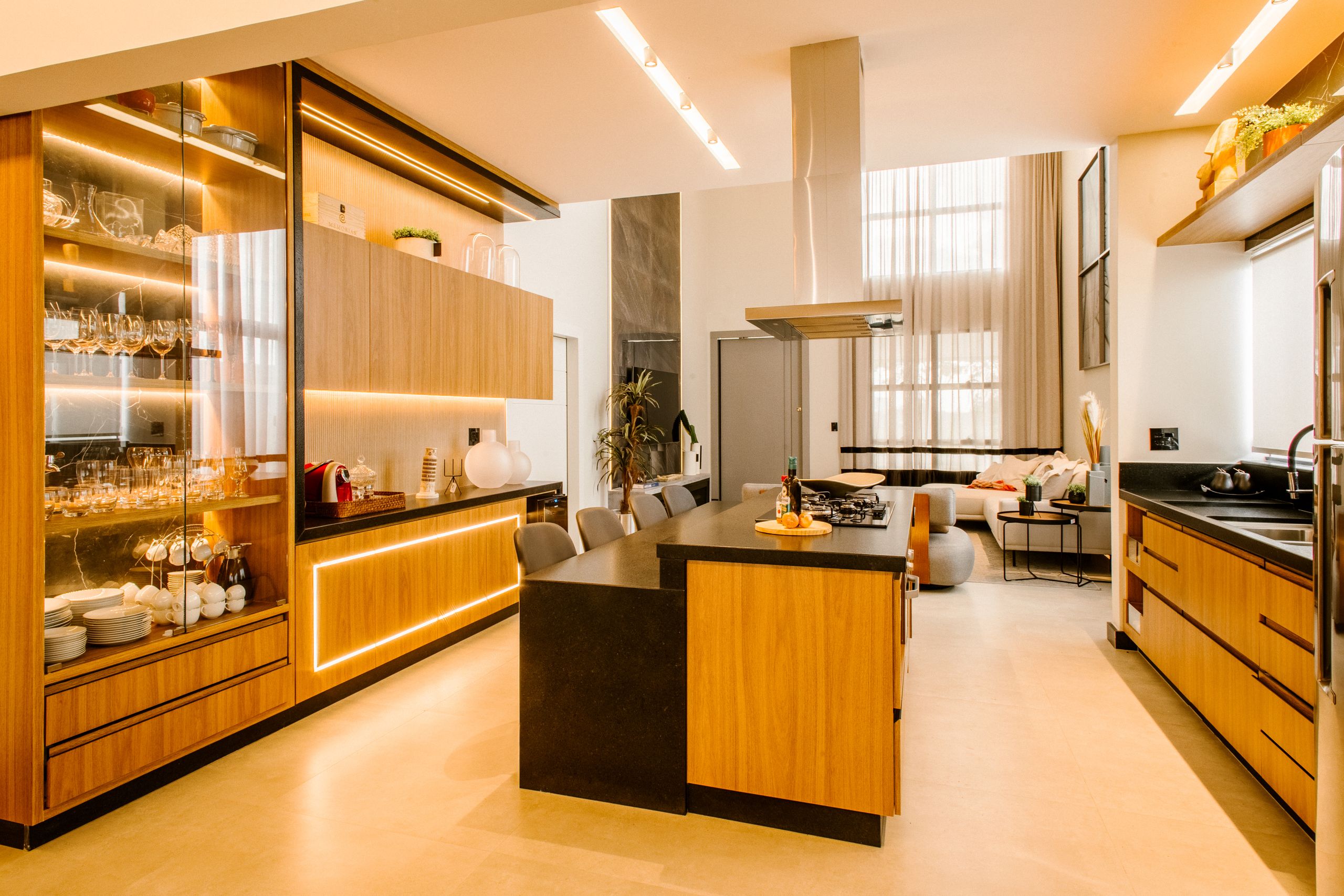
Kitchen layouts are increasingly being planned in relation to the rest of the home.
An open or connected arrangement can make it easier for people to interact while meals are being prepared. It may also allow the kitchen to connect more naturally with a dining or living area.
The NKBA report notes that 76% of respondents expect kitchen footprints to increase over the next three years, despite the overall decline in U.S. home size.
However, opening up a kitchen is not automatically the right choice for every home. Some households prefer some separation to keep cooking equipment, noise, and everyday mess away from living spaces.
Related: 8 Ways to Declutter Your Home and Simplify Your Life
Spaces Designed Around Individual Household Needs
Personalization is another important direction in kitchen design.
Some households may want a small work area, while others need additional storage, a pet feeding station, or a more convenient dining arrangement.
The NKBA report identifies pet feeding stations and eat-in kitchens among the features receiving attention from industry respondents.
The important consideration is how the household actually uses the room. A kitchen should not be designed around a feature simply because it appears in a trend report. It should make everyday routines easier.
Final Thought
Kitchen design in 2026 places considerable attention on functionality, natural finishes, and personalized spaces. From wood cabinets and beverage stations to smarter storage and practical lighting, the strongest ideas combine appearance with everyday usefulness. The best kitchens will remain valuable long after a particular trend fades because they work well for the people using them. Overall, these eight features show how homeowners are balancing style and function as they plan kitchens that better fit daily life.