TikTok has transformed short-form video into a powerful social influence tool. On this platform, confidence and production value often outweigh truth, allowing men to present opinions on love and dating as universal wisdom. Millions of views amplify these messages, subtly shaping expectations around relationships. Women frequently accept these statements at face value, unaware that they are absorbing curated narratives rather than reality. Understanding these recurring patterns is essential to navigating modern digital courtship and spotting authenticity.
Men Claim They Are Not Ready for Commitment
Many TikTok creators say, “I’m not ready for a relationship,” presenting it as self-awareness. These posts often emphasize personal growth, independence, or focusing on career goals, giving the impression of maturity. In reality, the claim frequently targets a specific person rather than reflecting a genuine inability to commit.
Women interpreting these videos as a universal truth may excuse inconsistent behavior or justify delayed intimacy. The same individual might engage in flirtations elsewhere, revealing a selective application of their stated “readiness.” Recognizing this nuance helps viewers separate genuine self-reflection from avoidance tactics.
Men Pretend Looks Don’t Matter
Assertions like “personality is everything” flood TikTok feeds, suggesting that attraction is purely emotional or intellectual. The curated content, often paired with self-deprecating humor or charm, reinforces the illusion of disregard for physical appearance. Yet, an examination of their liked videos or online interactions often contradicts this statement, highlighting a preference for visual appeal.
This narrative creates unrealistic expectations for women, fostering confusion or guilt when their attractiveness is implicitly judged. Transparency about physical preference allows for more authentic connections and prevents the perpetuation of a misleading ideal.
Men Claim to Never Feel Jealous
Jealousy is framed as immature or possessive, so some creators assert they are entirely above it. TikTok clips may feature statements like, “I trust my partner completely,” or advice encouraging freedom without oversight. While this project’s emotional intelligence, it often masks normal human insecurity.
Denying jealousy does not eliminate it, and suppressed feelings can erupt unexpectedly. Honest discussion about emotional boundaries and triggers creates healthier dynamics than performing a flawless, jealousy-free persona.
Men Say They Don’t Play Games
The claim “I don’t play games” appears frequently alongside advice on communication and honesty. Ironically, many of these individuals participate in ghosting, breadcrumbing, or maintaining multiple online connections simultaneously. The TikTok performance itself can become part of the game, with content crafted to convey virtue while masking manipulative behaviors.
Consistency between words and actions is the true measure of transparency. Recognizing the difference between performative messaging and genuine behavior helps viewers avoid misinterpreting charm as reliability.
Men Assert They Are Over Their Exes
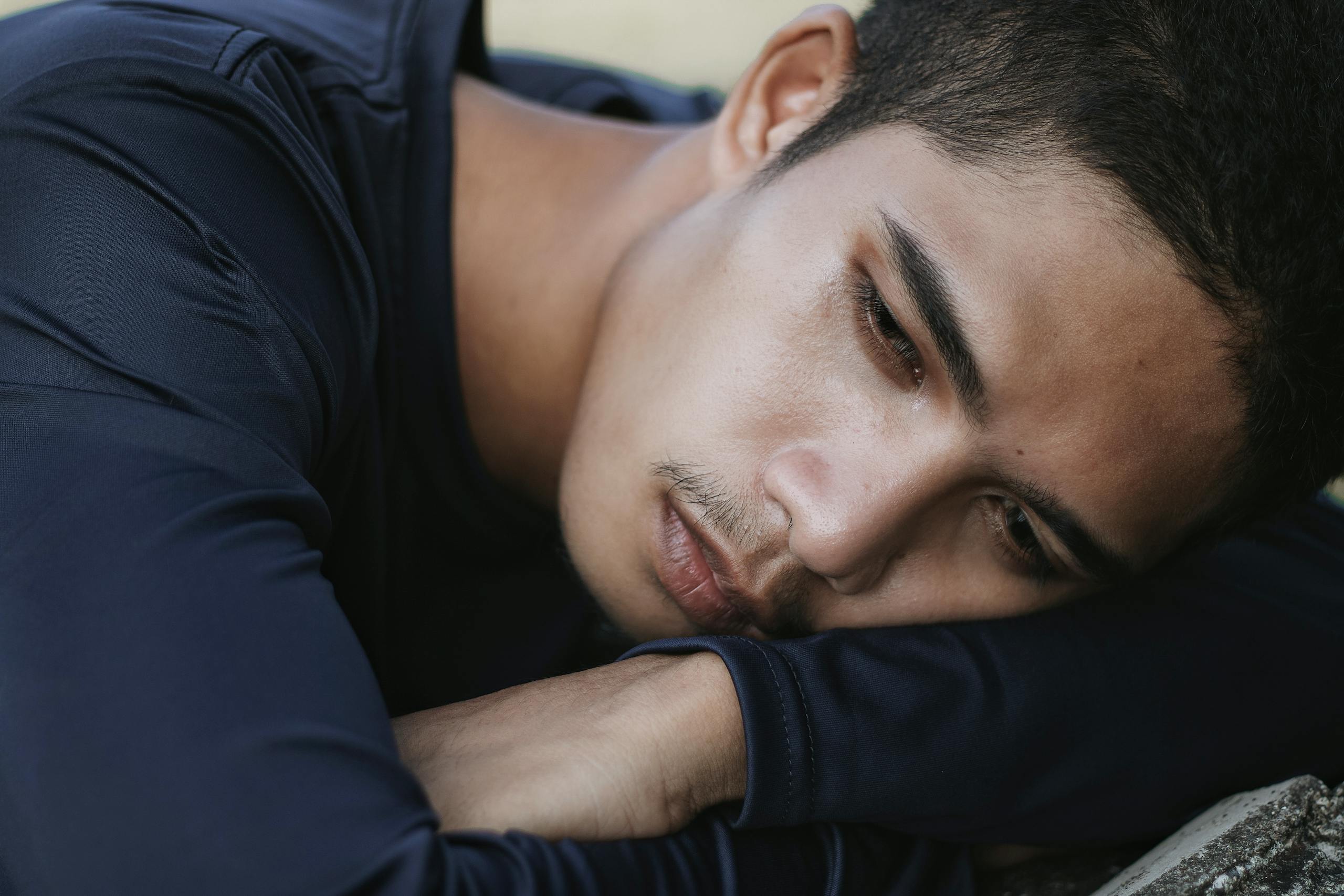
Trending audios and healing videos give the impression that creators have fully recovered from past relationships. Dance challenges and breakup advice often accompany captions claiming emotional closure. However, lingering comments or reposted memories indicate unresolved feelings that contradict their public narrative.
This self-presentation encourages unrealistic notions of instant recovery and can influence women to overestimate a man’s emotional availability. Acknowledging that healing is gradual prevents premature attachment to curated personas.
Men Deny Following Attractive Influencers
Some men claim their social media activity is purely motivational, denying any interest in aesthetics. This often arises when their feeds feature models, fitness influencers, or celebrities. The stated rationales, business inspiration, or self-improvement serve as socially acceptable explanations for visual engagement.
The truth is that aesthetic appreciation is normal, and disguising it as something else can create unnecessary suspicion. Accepting attraction as natural rather than deceptive reduces miscommunication and strengthens trust.
Men Claim Constant Honesty Online
Many TikTok creators present themselves as unfiltered truth-tellers, offering dating secrets or relationship advice. The algorithm incentivizes confidence and concise delivery, not nuanced accuracy. Content may exaggerate behaviors or generalize experiences, giving viewers the impression that all claims are factual. This conflation of performance with honesty leads women to internalize half-truths as universal principles. Developing critical awareness of content strategies encourages discernment between entertainment, advice, and reality.
Men Claim They Don’t Seek Validation
Statements about posting “just for fun” or disregarding likes and comments are common. Despite claims of indifference, metrics and engagement often guide content creation decisions. TikTok’s design fosters feedback loops where affirmation shapes posting habits and mood.
Pretending indifference to validation can mask vulnerability and complicate authentic interaction. Acknowledging the human desire for recognition fosters transparency and clarifies intentions in online communication.
How These Patterns Affect Modern Dating
These recurring claims illustrate the tension between performance and authenticity on social media. TikTok rewards brevity, confidence, and relatability over nuanced truth, amplifying half-truths as perceived wisdom. Women navigating these dynamics must balance empathy with critical evaluation, recognizing that charm and content strategies often overshadow sincerity.
By identifying these patterns, individuals can better differentiate authentic communication from digital performance. Understanding the discrepancy between online portrayals and real-life behavior enables healthier expectations and more meaningful connections.
Conclusion
TikTok’s influence on dating narratives highlights the gap between curated digital personas and reality. Understanding the mechanics of these claims allows women to navigate online interactions with clarity and confidence. Critical consumption of social media content ensures informed decisions rather than unconscious acceptance of entertaining but misleading messages.