If you grew up watching your parents or grandparents eat, you probably remember a few food rules that seemed impossible to question. Dinner had a set time, wasting food was practically a crime, and nobody needed a fancy coffee order to get through the morning. For many Baby Boomers, these habits were simply part of everyday life, passed down through families without much discussion.
Younger Americans are approaching food differently. Between changing work schedules, rising grocery prices, new dietary preferences, and the convenience of food delivery, some old-fashioned eating habits are losing their place at the dinner table. Not every Boomer tradition is disappearing, of course, but these seven habits show just how much American food culture has changed.
Eating Three Meals at Strictly Set Times
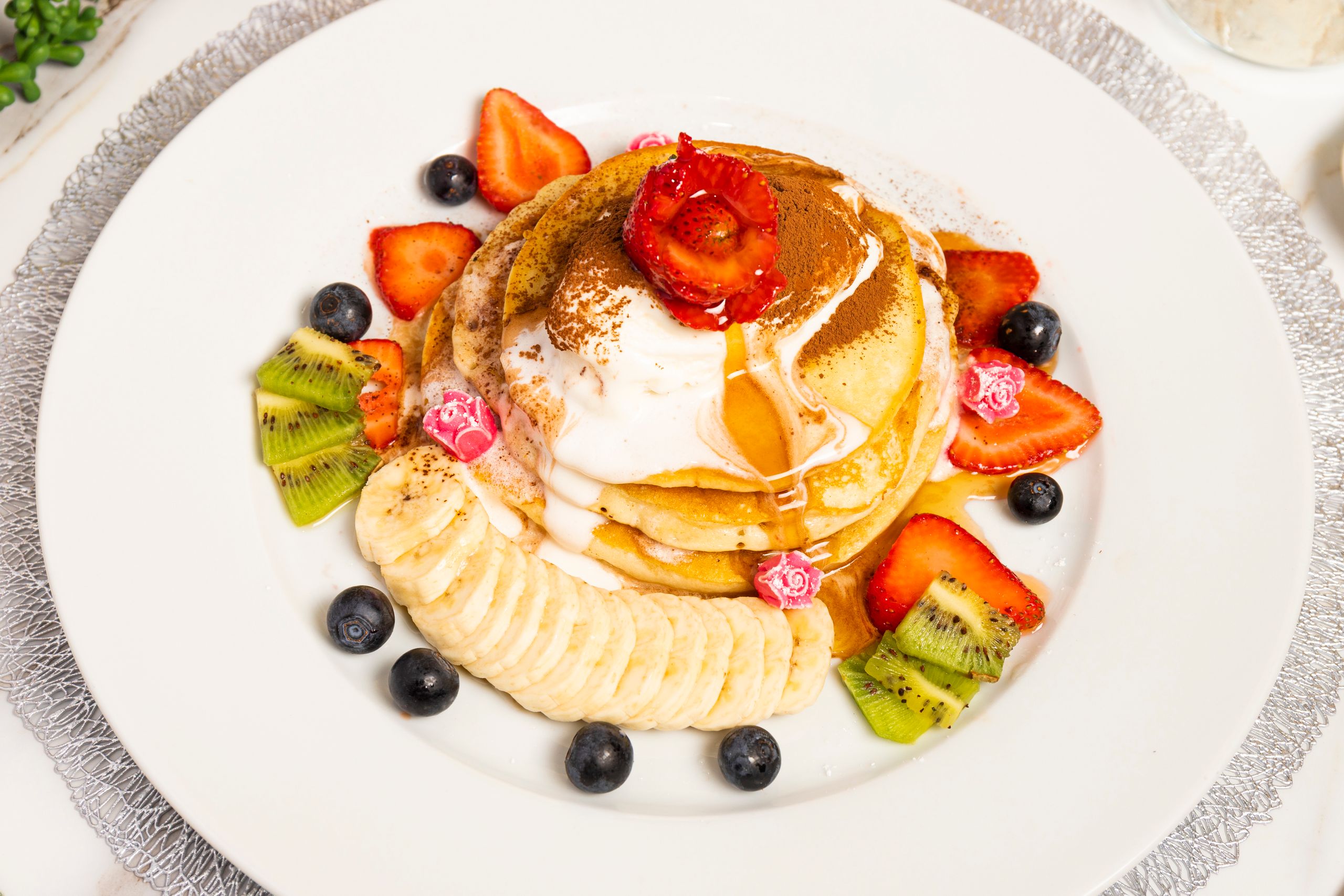
For many Boomers, the day revolved around three familiar meals. Breakfast happened before heading to work or school, lunch came around midday, and dinner was usually served at a predictable hour. If dinner was ready at 6 p.m., everyone was expected to show up hungry.
Younger adults are generally more flexible about their eating schedules. Someone might grab a late breakfast, snack throughout the afternoon, and have dinner at 9 p.m. Busy workdays, remote jobs, and different sleeping schedules have made fixed meal times less practical for many households.
Some younger Americans still enjoy the traditional breakfast, lunch and dinner routine, but they are less likely to treat it as a strict rule.
Making Almost Every Meal From Scratch
Boomers often grew up in homes where cooking was an everyday responsibility rather than an occasional hobby. Preparing dinner meant washing vegetables, chopping ingredients, seasoning meat, and spending time at the stove. Ordering takeout was more of a treat than something many families considered after a tiring day.
Younger generations have plenty of alternatives. Grocery stores sell prepared meals, meal kits make cooking easier, and delivery apps can bring dinner to the front door without anyone touching a frying pan. Time is a major factor, particularly for young adults balancing work, childcare, and other responsibilities.
Home cooking is still popular, especially among people who enjoy experimenting with recipes. However, younger households are generally more comfortable mixing homemade meals with convenience foods.
Putting Meat at the Center of Every Dinner
A traditional American dinner in many Boomer households often started with the meat. Roast chicken, steak, pork chops, or meatloaf took center stage, while potatoes and vegetables completed the plate. A meal without some form of meat could easily leave someone asking what was missing.
Younger Americans are more open to meals where vegetables, beans, grains, or plant-based proteins take the lead. Lentil soups, tofu bowls, vegetable burgers and meatless pasta dishes have become familiar options in many households. Some people are motivated by environmental concerns, while others are looking for affordable alternatives to increasingly expensive meat.
This doesn’t mean younger generations have stopped enjoying burgers or steak. They are simply less likely to believe every satisfying dinner needs a large piece of meat.
Drinking a Glass of Milk With Almost Every Meal
Remember when a glass of milk seemed to belong beside practically every dinner? For many Boomers, milk was a household essential, whether it was poured over breakfast cereal, served alongside sandwiches, or placed on the dinner table. Parents also encouraged children to drink it because of its calcium content.
Younger adults have considerably more choices. Oat milk, almond milk, soy milk and other alternatives have become common in supermarkets and coffee shops. Some people choose them because they are lactose intolerant, while others simply prefer their taste.
Cow’s milk remains popular and provides important nutrients, but it no longer has the same automatic place in every household. For some younger consumers, plant-based milk is now the regular refrigerator purchase.
Insisting That Everyone Clean Their Plates
Many Boomers grew up hearing that leaving food behind was wasteful. Parents would remind children about starving people elsewhere or insist they finish everything before leaving the dinner table. The message was simple: food should never be thrown away when someone had worked hard to prepare it.
Younger generations are increasingly comfortable listening to their hunger rather than forcing themselves to finish a meal. If a restaurant serves an enormous portion, taking half home for tomorrow’s lunch is perfectly reasonable. Others prefer serving smaller portions and going back for more if they are still hungry.
This change also reflects growing conversations about portion sizes and mindful eating. A clean plate does not necessarily mean someone enjoyed their food, and leaving a few bites behind is no longer automatically considered bad manners.
Drinking Plain Hot Coffee Every Morning
For many Boomers, coffee was a straightforward morning affair. A pot of brewed coffee, a familiar mug, and perhaps some milk or sugar were all that was needed. There was little reason to turn a daily cup into an elaborate experience.
Younger coffee drinkers have made things considerably more interesting. Iced coffee, cold brew, caramel lattes, matcha drinks, and flavored espresso beverages have become regular orders. Some even spend more time deciding on their coffee customization than choosing what to eat for breakfast.
Coffee shops have responded with different syrups, milk alternatives, and seasonal flavors. Of course, plenty of younger Americans still enjoy plain black coffee, but the traditional hot cup is no longer the only popular way to get a caffeine fix.
Saving Elaborate Meals for Sundays and Holidays
In many Boomer households, elaborate meals were reserved for occasions worth celebrating. Sunday roasts, Thanksgiving dinners, and Christmas feasts often involved hours of preparation, with family members gathering around a table filled with homemade dishes. Everyday dinners, on the other hand, were usually much simpler.
Younger adults are less attached to the idea that special meals must wait for a holiday. Someone might prepare homemade pasta on a Tuesday, experiment with an elaborate dessert on Friday, or order an expensive meal simply because they feel like treating themselves. Social media has also made it easier to discover recipes and cooking ideas that people want to try immediately.
Traditional holiday meals remain important to many families, but younger generations are finding their own reasons to make an ordinary dinner feel special. Sometimes, a good meal on a random Wednesday is celebration enough.
Food Traditions Are Changing, but Some Things Remain the Same
Not every Boomer eating habit is disappearing. Plenty of younger Americans still appreciate homemade meals, family recipes, Sunday dinners, and a simple cup of coffee. The difference is that they are generally less interested in following food rules simply because previous generations did.
Convenience, personal preferences, and changing lifestyles have given people more freedom over what, when, and how they eat. And while grandparents might still insist that dinner should be ready by 6 p.m., their grandchildren may have already ordered takeout.
Which of these habits did you grow up with, and which ones have you happily abandoned?