Opening a lunchbox in the 1970s felt special. Before today’s endless sandwich options and fancy deli counters, American families relied on a different lineup of lunch meats. Some were colorful, some had unusual ingredients, and others had names that would probably leave younger shoppers scratching their heads.
Back then, a sandwich didn’t always mean turkey, ham, or roast beef. Grocery stores carried everything from olive-studded meat loaves to liverwurst and unusual regional sausages. These products appeared in family refrigerators, school lunches, and neighborhood deli displays.
Many of these old-fashioned favorites have become harder to find in ordinary supermarkets. Some remain available through specialty producers, while others have largely faded from everyday shopping habits.
Interestingly, the USDA’s 1977–78 food consumption survey documentation recognized several of these varieties, including olive loaf, pickle loaf, Dutch loaf, liverwurst, and head cheese. They were established food categories, not forgotten culinary experiments.
Let’s revisit six lunch meats that bring back memories of simpler sandwiches, colorful packaging, and the unmistakable tastes of the 1970s.
Olive Loaf Was the Colorful Sandwich Meat Everyone Remembered
If you grew up in the 1970s, you probably encountered olive loaf somewhere along the way.
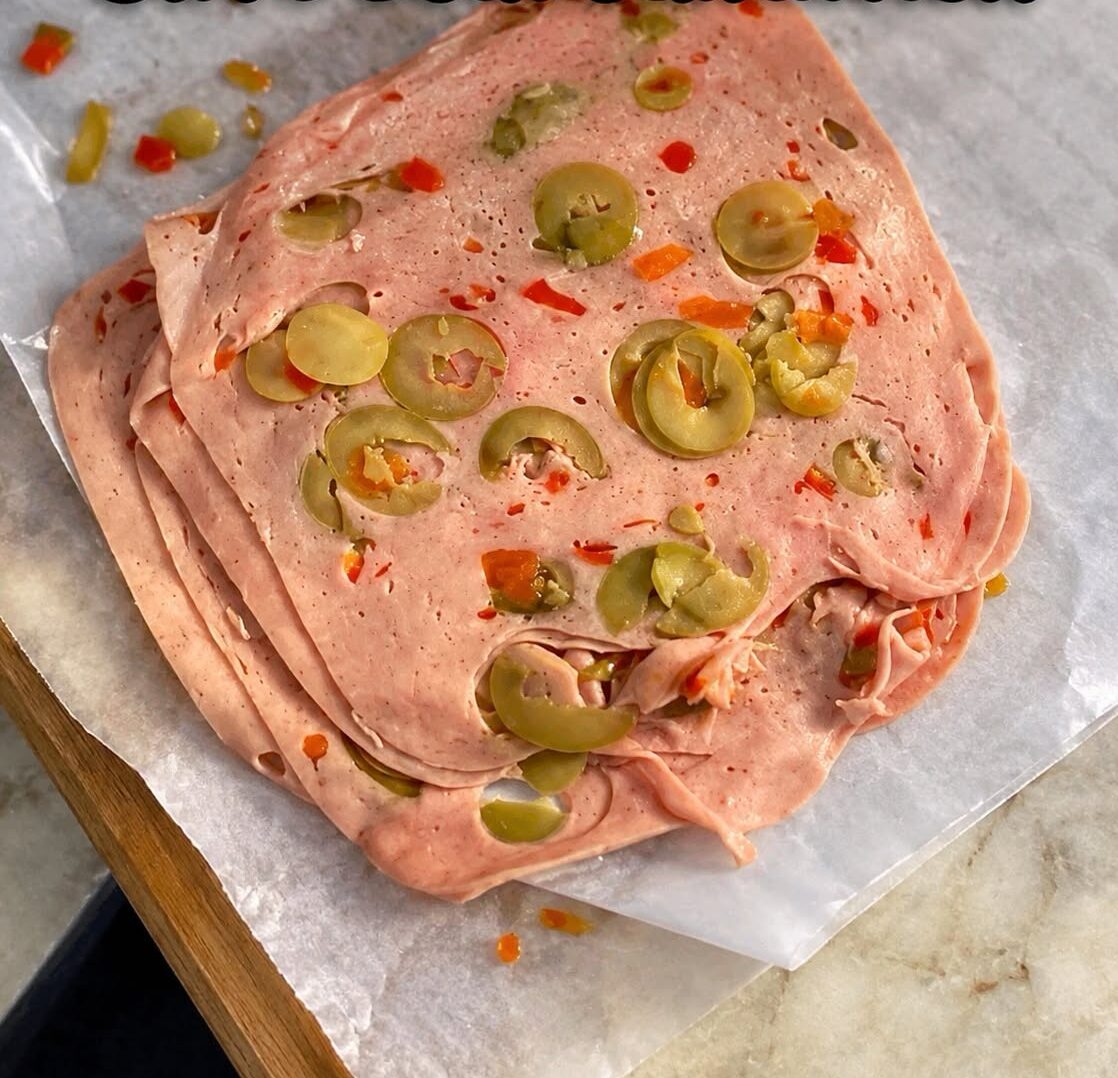
At first glance, it resembled ordinary bologna. Look closer, though, and you’d notice green olives scattered throughout each slice, often with bright red pimentos tucked inside them.
The combination made olive loaf one of the most recognizable lunch meats in the refrigerated section.
Traditionally, producers used finely ground meat, seasonings, and stuffed olives to create a firm loaf that could be sliced for sandwiches. The olives added a distinctive salty, tangy flavor.
Some people loved the unexpected combination. Others couldn’t understand why anyone would put olives inside sandwich meat in the first place.
That disagreement was practically part of olive loaf’s personality.
During its heyday, olive loaf offered families something different from plain bologna, with little extra prep. A couple of slices, some bread, mustard, and perhaps a piece of cheese were enough to make lunch.
According to a 2025 Chowhound article on olive loaf, the meat was a familiar American deli option by the 1970s, although its popularity subsequently declined.
Olive loaf hasn’t disappeared completely. Certain brands and specialty delis still sell it, but finding it can take more effort than grabbing a package of turkey or ham.
For longtime fans, one bite can bring back memories of brown paper lunch bags and childhood sandwiches.
Pickle and Pimento Loaf Made Ordinary Bologna Look Boring
Imagine opening your sandwich and finding little pieces of pickles and red peppers embedded in the meat.
That was the appeal of pickle and pimento loaf.
This old-fashioned lunch meat combined finely chopped meat with pickles and pimentos, creating a colorful slice that stood out from more familiar deli choices.
The pickles added a distinctive tang, while the pimentos contributed color and a mild pepper flavor.
For families who enjoyed pickles with their sandwiches anyway, the idea made sense. Instead of putting pickle slices on top of the meat, everything was already combined.
It was convenient, unusual, and unmistakably retro.
Pickle and pimento loaf wasn’t simply an obscure homemade specialty. It belonged to the established assortment of processed luncheon loaves sold by American grocers.
In fact, a 1994 report documented pickle and pimento loaf among 15 varieties featured in a Safeway deli promotion. That shows the product survived well beyond the 1970s.
Today, however, shoppers are less likely to encounter it alongside mainstream packaged sandwich meats.
Part of its charm was its strange appearance. The little flashes of red and green made every slice look different.
Whether you loved the flavor or tolerated whatever appeared in your lunchbox, pickle and pimento loaf was certainly memorable.
For anyone who remembers it, the combination of soft luncheon meat and crunchy pickle pieces remains difficult to mistake for anything else.
Related:37 of The Weirdest and Most Unconventional Delicacies in the U.S
Liverwurst Was a Favorite of Old-School Sandwich Lovers
Liverwurst was never particularly interested in winning a popularity contest with children.
Its name alone could make a picky eater suspicious.
Nevertheless, this traditional sausage held a familiar place in American deli culture, particularly among families with German and Central European food traditions.
Made with liver and other ingredients, depending on the recipe, liverwurst offered a rich flavor and a texture that varied from sliceable sausage to soft, spreadable meat.
Unlike ordinary bologna, it had a distinctive taste that people tended either to appreciate or avoid.
One classic way to serve liverwurst was on rye bread with mustard and sliced onions. Other households preferred it with crackers or simple white bread.
No elaborate preparation was involved, which made it a practical lunch option for people who already enjoyed its flavor.
The USDA’s late-1970s food classification materials included several related products, such as liver loaf, liver sausage, and braunschweiger.
That variety reflects how established these foods were in American food retail at the time.
Liverwurst is still produced by some manufacturers, but its position in mainstream deli cases has weakened.
One notable change came in 2024, when Boar’s Head permanently discontinued its liverwurst after a major Listeria outbreak linked to the product.
That decision affected one prominent brand, not liverwurst as a whole.
For people who remember sharing liverwurst sandwiches with their parents or grandparents, its increasingly limited visibility can feel like another connection to an earlier generation slipping away.
Head Cheese Was the Lunch Meat With a Misleading Name
Despite its name, head cheese contains no dairy cheese.
Instead, it’s a traditional meat preparation made by cooking parts of an animal, commonly pork, and allowing the meat to set in a gelatin-rich mixture.
Once chilled, the finished product becomes firm enough to slice.
That distinctive texture made head cheese different from the smooth bologna and ham products that filled supermarket shelves.
Head cheese had a long history before the 1970s, particularly in European food traditions. American delis carried versions of it, and some families served it with bread, mustard, or crackers.
For adventurous sandwich eaters, it offered something familiar from their family traditions.
For others, simply hearing how it was made was enough to end their curiosity.
Its appearance was equally distinctive. Rather than a smooth, uniform slice, head cheese often contained visible pieces of meat held together by gelatin.
Today, head cheese is still available at certain butcher shops, specialty markets, and traditional delis. However, it’s much less familiar to shoppers accustomed to prepackaged ham and turkey.
Its disappearance from many everyday deli displays reminds us how dramatically American sandwich preferences have changed.
Related:20 Quintessentially American Foods That Will Make Foreigners Gag and Cringe!
Lebanon Bologna Was Nothing Like Ordinary Bologna
Anyone expecting Lebanon bologna to taste like the familiar pink slices found in children’s sandwiches might be surprised.
This Pennsylvania specialty has a darker appearance, firmer texture, and distinctive smoky flavor.
Its roots are connected to Pennsylvania Dutch communities, where traditional sausage-making methods helped establish its unmistakable character.
Unlike conventional bologna, Lebanon bologna is traditionally made with beef, spices, and a fermentation and smoking process that produces its tangy flavor.
It was already an established regional product during the 1970s.
For Pennsylvania families, Lebanon bologna sandwiches could be as ordinary as ham sandwiches were elsewhere.
Some enjoyed it with mustard, while others paired it with cheese or served it on crackers.
Although Lebanon bologna remains commercially available, especially from Pennsylvania producers, shoppers won’t necessarily find it in every American supermarket.
That makes it less a vanished product than a regional tradition that has remained strongest close to home.
Dutch Loaf Was Once a Familiar Deli Counter Option
Dutch loaf is another name that can make modern shoppers pause.
Unlike regular meatloaf served warm at dinner, Dutch loaf belonged to the family of prepared luncheon meats designed for slicing and serving cold.
It appeared alongside other varieties of seasoned meat loaves in grocery advertising and food classifications.
Historical grocery advertisements listed Dutch loaf with familiar products such as sliced bologna, cooked salami, and spiced ham.
By the late 1970s, the USDA also recognized Dutch loaf within its broader luncheon meat loaf category.
The name could refer to different formulations, so no single recipe was identical across manufacturers.
For families shopping at the deli counter, though, these specialty loaves offered alternatives to ordinary sandwich meats.
Today, Dutch loaf is rarely promoted under that name in mainstream supermarket displays. Shoppers looking for something similar may have better luck at a traditional butcher or specialty deli.
Why Did These Old-Fashioned Lunch Meats Fade Away?
These once-familiar deli selections didn’t disappear overnight.
American shopping habits changed, supermarket assortments evolved, and more familiar varieties of ham, turkey, chicken, and roast beef became everyday sandwich choices.
Some older products maintained loyal customers but lost their prominent place in the refrigerated section.
Others survived mainly in communities with strong regional or family connections.
That’s why it’s important to distinguish between a lunch meat that’s completely discontinued and one that’s harder to find.
For many Americans who grew up in the 1970s, these foods represent something beyond lunchtime convenience.
They bring back memories of family grocery trips, neighborhood butcher counters, school cafeterias, and the sandwiches parents packed without giving them much thought.
And perhaps that’s what makes them memorable.
A simple sandwich can carry decades of nostalgia, even when the filling was something as unusual as olive loaf or head cheese.
Other Posts You May Like:
6 Grocery Staples Consumers Are Saying Goodbye To
Surprising Unhealthy Foods That You Thought Were Healthy