Food has always carried a little mystery. We see polished chocolate, glossy apples, golden honey, rare coffee, luxury tea, and expensive soup, then we trust the clean final product in front of us.What we rarely see is the biological backstory, and that backstory can get surprisingly strange.
Some of the world’s most unusual foods begin with animal digestion, insect secretions, human saliva, whale intestines, or bacteria first isolated from feces.The shocking part is not that people eat them. The shocking part is how many of these products are expensive, culturally respected, scientifically or completely normal once we understand the process behind them.
Kopi Luwak Coffee Turns Civet Digestion Into a Luxury Brew
Kopi luwak is one of the most famous “poop foods” in the world, although the final cup does not contain feces.The process begins when Asian palm civets eat ripe coffee cherries, digest the fruit pulp, and pass the coffee beans through their digestive tract.
Researchers studying civet coffee describe the product as coffee that undergoes fermentation inside the civet’s gut, with the beans later collected, cleaned, dried, roasted, and brewed like regular coffee.
That digestive journey is believed to alter the beans’ chemistry, which helps explain why fans describe kopi luwak as smoother, less harsh, and more unusual than standard coffee.
The luxury image is only half the story. Kopi luwak raises serious ethical concerns because rising demand has led some producers to keep civets in cages and feed them coffee cherries, rather than allowing wild animals to choose their own fruit.
Food lovers curious about civet coffee should understand that the “rare delicacy” label can mask animal welfare issues, weak sourcing practices, and counterfeit products.
The safest editorial angle is simple: kopi luwak is scientifically fascinating, commercially powerful, and ethically complicated. That makes it one of the strangest examples of how disgust, luxury, and marketing can end up in the same coffee cup.
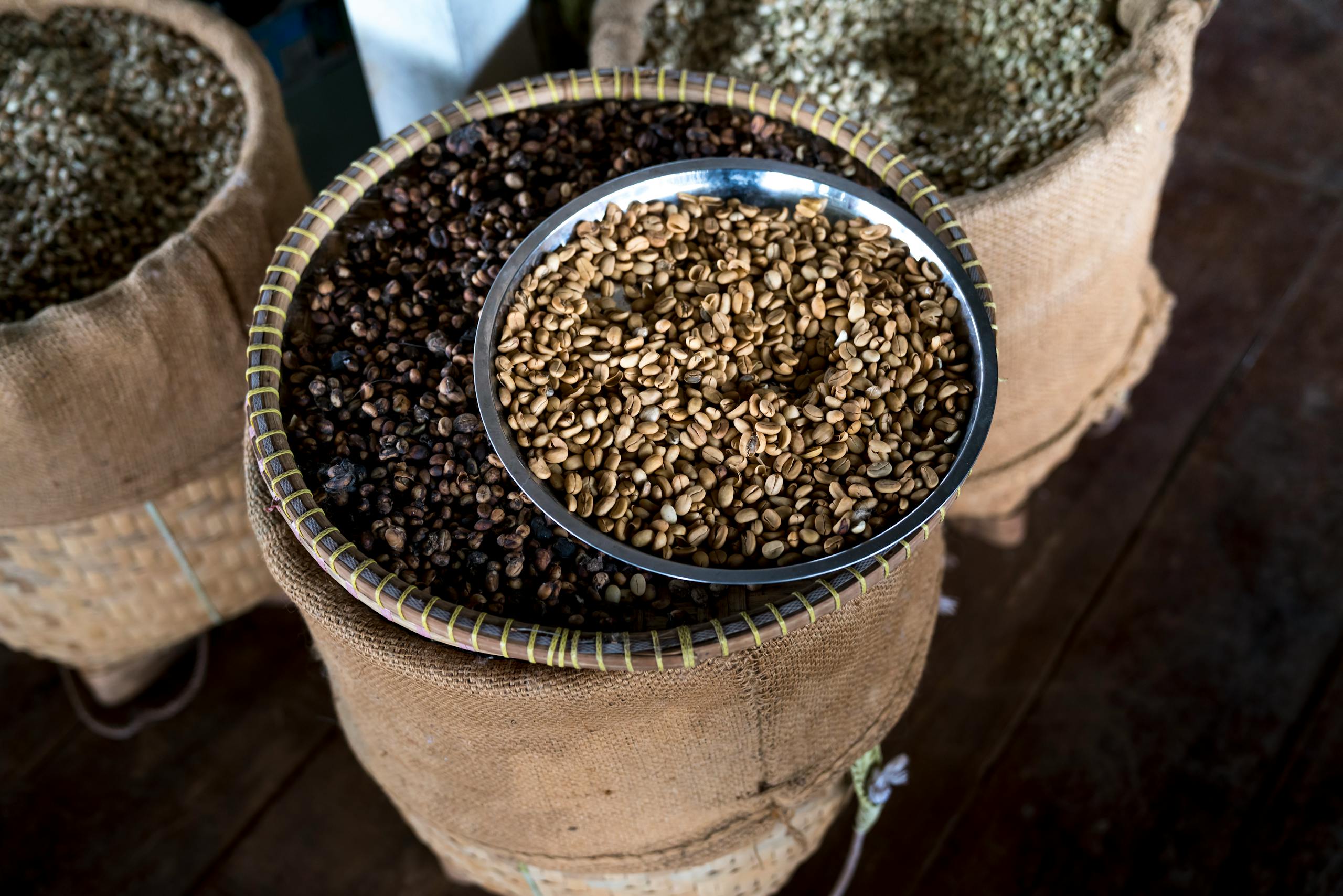
Panda Dung Tea Uses Manure as a High-End Fertilizer
Panda dung tea sounds as if someone dropped panda waste directly into a teapot, but the real process is less disgusting and more agricultural.The tea leaves are grown with panda excrement used as fertilizer, which means the dung enriches the soil rather than ending up in the cup.
The idea became famous after Chinese entrepreneur An Yanshi promoted organic green tea grown in Sichuan with panda manure collected from nearby breeding centers.
Reuters reported that the tea was marketed at more than $200 per cup, with the first batch priced in small quantities, making it one of the most expensive teas in the world.
The sales pitch leaned heavily on the panda diet. Pandas eat bamboo, yet they do not digest all of its nutrients, so supporters argued that their dung could serve as a nutrient-rich fertilizer for tea plants.
That does not automatically make the tea healthier than ordinary green tea, and consumers should treat big health claims with caution.
Still, the product shows how waste can become a luxury story when rarity, novelty, organic farming, and conservation symbolism come together. In a crowded tea market, panda dung tea turned fertilizer into a headline.
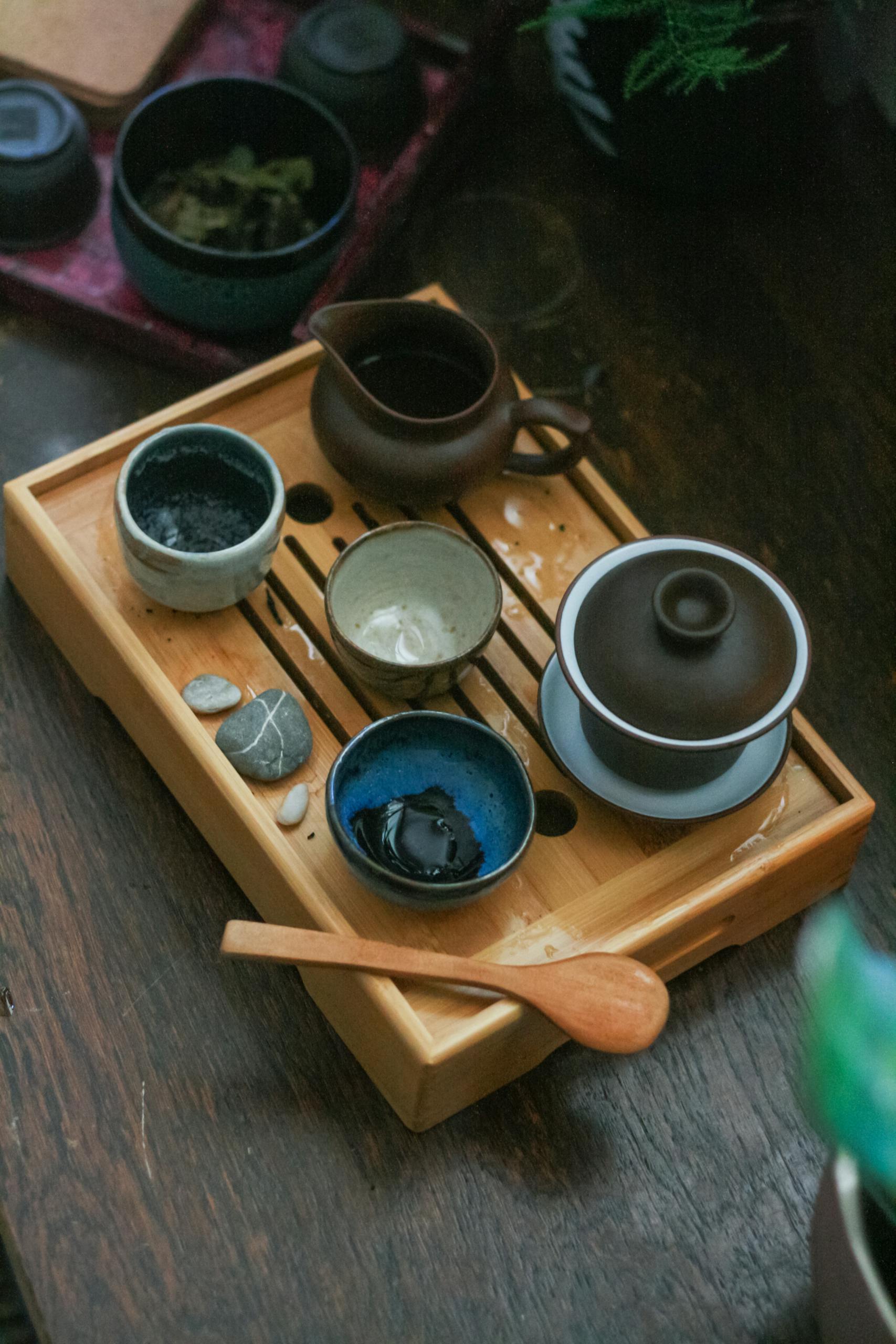
Elephant-Digested Coffee Beer Brings the “Poop Coffee” Idea to Brewing
Un, Kono Kuro became famous by taking the coffee digestion concept and applying it to beer. The Japanese stout used coffee beans that had passed through elephants, turning elephant-refined coffee into a dark, novelty brew.
Reports from the drinks industry described the beer as a Sankt Gallen release made with coffee beans recovered after digestion by elephants, and the limited batch reportedly sold out quickly.
The beer did not contain actual dung, but the beans had already taken their strange route through the animal before being cleaned and brewed.
The ingredient connects to Black Ivory Coffee, a rare Thai coffee made from Arabica cherries eaten by elephants and collected from their waste. The basic argument behind the flavor is similar to that of civet coffee: enzymes and fermentation during digestion may soften bitterness and create a smoother profile.
That makes the beer less of a random stunt than it first appears, since coffee stouts already depend on roasted, bitter, chocolate-like notes. The shock value gets attention, but the brewing logic is clear. A dark stout can carry unusual coffee flavors better than a light beer ever could.
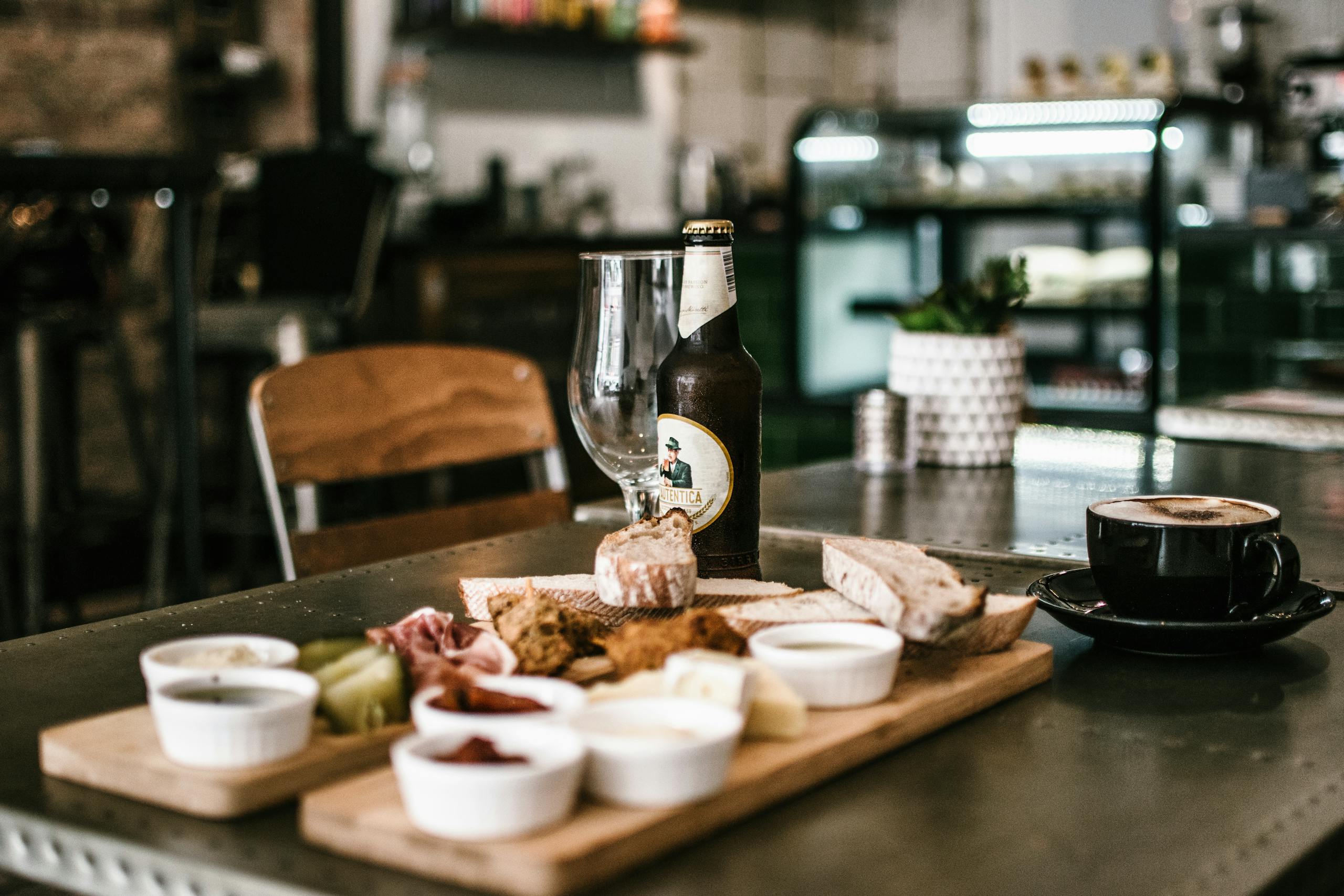
Traditional Chicha Uses Human Saliva to Start Fermentation
Chicha is a fermented drink linked to Latin American food history, especially maize-based traditions in the Andes and Amazon. Some traditional versions use chewed corn because human saliva contains amylase enzymes that help break starches into sugars.
Once starch is converted to sugar, yeast and bacteria can ferment it into alcohol. This is why the chewing step mattered before modern brewing science made cleaner, more controlled methods widely available.
To modern readers, the idea that a drink started with saliva can sound impossible to accept. Yet the science is easy to understand: grains are rich in starch, and fermentation requires readily available sugars.
Chewing was a low-tech way to begin that conversion before industrial enzymes, malted grains, or lab-selected starters became common. The final drink is not simply a bowl of spit. It is fermented, strained, and culturally meaningful, with deep roots in communal drinking, ritual, hospitality, and local identity.

Honey Is Basically Nectar Transformed Through Bee Regurgitation
Honey may be the most accepted food on this list, which makes its origin story even more interesting. Bees collect nectar from flowers, pass it to other bees inside the hive, add enzymes such as sucrose invertase, and reduce the nectar’s water content through evaporation.
Scientific work on honey processing describes nectar transfer between foraging and processing bees, enzymatic conversion of sucrose into glucose and fructose, active evaporation via mouthparts, and hive behavior. In plain English, bees repeatedly process nectar inside their bodies and mouths until it becomes the thick, golden food we call honey.
The word “vomit” makes honey sound repulsive, but that framing misses the craft of the hive. Honey is not random stomach waste. It is a carefully transformed plant product designed to feed the colony.
Bees change the chemistry, remove excess moisture, store it in wax comb, and protect it from spoilage. That is why honey can sit in a jar for a long time and still taste bright, floral, and sweet. The process may begin in a bee’s honey stomach, but the final product is one of the most beloved foods on earth.
Shellac Gives Candy and Fruit a Shine From Insect Secretions
Shellac hides in plain sight. It appears under names such as confectioner’s glaze, candy glaze, gum lac, lac resin, or purified shellac.
The U.S. Food and Drug Administration lists purified shellac as a food substance and identifies technical uses, including surface finishing, processing aid, humectant, drying agent, and anticaking functions. In food, that usually means shine, protection, and a smooth coating on products like candies, pills, and sometimes produce.
The unusual part is where shellac begins. Lac insects produce resinous secretions on trees, and that resin is harvested and purified into a food-grade glaze. For most consumers, this is not a safety panic. It is a labeling and preference issue.
People who avoid insect-derived ingredients for vegan, religious, or personal reasons may want to watch for shellac-related terms on ingredient labels. For everyone else, shellac is a reminder that a glossy candy shell can have a much stranger origin than sugar and color.
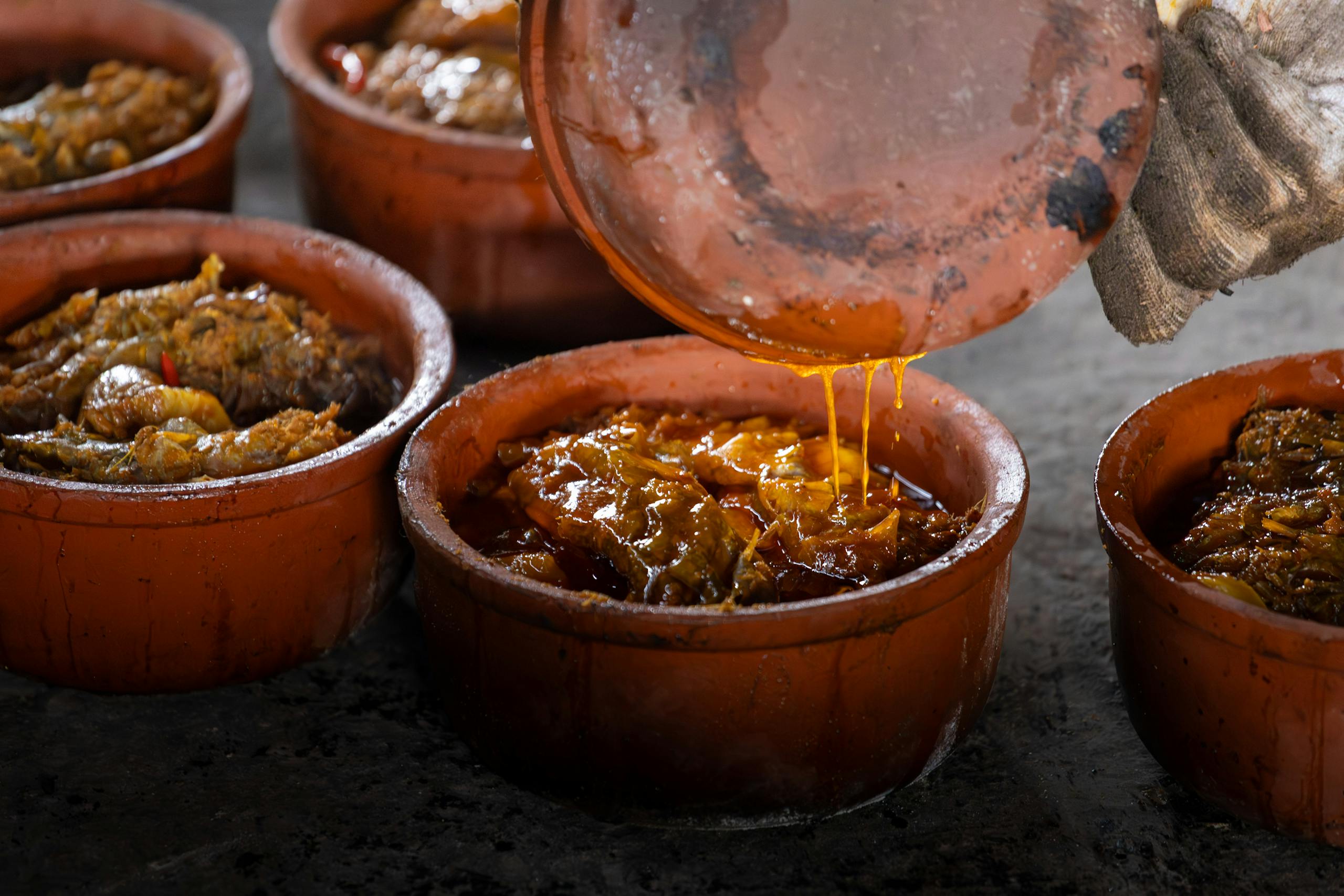
Probiotic Sausage Can Use Bacteria First Isolated From Infant Feces
This is the section that needs the clearest wording: researchers are not stuffing baby poop into sausages. The real story is that certain probiotic bacteria can be isolated from fecal samples, cultured under controlled conditions, and studied as starter cultures for fermented meat products.
One study on fermented sausages used Bifidobacterium longum KACC 9156, isolated from fecal samples of healthy Korean neonates, and evaluated whether the encapsulated probiotic could be used in sausage production.
The study found that the probiotic treatment did not cause defects in color or texture and had sensory scores comparable to those of products made with commercial starter culture.
That sounds gross until we remember how fermentation works. Yogurt, cheese, kimchi, sourdough, salami, and kombucha all depend on microbes doing controlled work. The difference here is the origin story of the specific bacteria.
Human gut bacteria can be useful because they are already adapted to survive harsh conditions, but food scientists still need to test safety, stability, taste, and quality before any product reaches consumers. This is not backyard experimentation. It is lab-controlled food science wearing one of the worst possible headlines.
Kuchikamizake Is Mouth-Chewed Sake From Early Japanese Brewing
Kuchikamizake is an early form of Japanese rice alcohol that used chewing as part of the brewing process. Rice is rich in starch, and starch must be broken down into sugar before fermentation can produce alcohol. In modern sake, koji mold performs that conversion with precision.
. In older mouth-chewed versions, human saliva supplied amylase enzymes that began breaking down starch after rice was chewed and spat into a vessel.
The process sounds shocking now because modern brewing is built around sanitation, temperature control, and selected microbes. Yet historically, mouth-chewing was a practical solution in many cultures that worked with starchy crops.
Kuchikamizake also carried ceremonial and cultural meaning, so reducing it to “spit alcohol” misses the larger point. It belongs to a family of ancient fermentation techniques that show how humans learned to turn grain into alcohol long before they could explain enzymes in scientific language.
Ambergris Turns Sperm Whale Digestion Into a Rare Flavor and Fragrance Material
Ambergris is often called whale vomit, but that nickname is not quite accurate. The Natural History Museum explains that ambergris is produced by sperm whales and forms when indigestible squid parts move into the intestines and bind into a solid mass over time.
There is debate about how ambergris leaves the whale, but one expert cited by the museum leans toward the idea that it forms in the intestines and passes with fecal matter or that it causes an intestinal obstruction. It is foul, yet after aging at sea, it develops a musky scent that makes it valuable in perfumery.
Its food history is strange and old. Ambergris has been used in perfumes, medicine, incense, and occasional culinary preparations, but legal rules vary sharply because it comes from sperm whales, which are protected.
The museum notes that some countries prohibit ambergris and other whale-derived products, while CITES treats excreted ambergris as a waste product rather than a protected part of the whale. Al grayness makes ambergris more than a weird ingredient. It is a case study in rarity, conservation, luxury, and the ethics of using animal byproducts.
Edible Bird’s Nest Is Made From Swiftlet Saliva
Edible bird’s nest, also known as yan wo in Chinese cuisine, is one of the most prized saliva-based foods in the world. Swiftlets build nests from their own hardened salivary secretions, and those nests are harvested, cleaned, soaked, and cooked into soups, desserts, and tonics.
Scientific research describes edible bird’s nest as solidified saliva from swiftlets, with studies showing that it contains significant protein and carbohydrate components. That makes it much more than a novelty. It is a luxury ingredient with a long culinary and medicinal reputation in parts of Asia.
The texture is one reason people either love it or cannot get past it. When cooked, edible bird’s nest becomes slippery, gelatinous, and delicate rather than crunchy or nest-like. Its appeal often comes from rarity, status, tradition, and perceived wellness value rather than a bold flavor.
Food safety matters here because poor processing can introduce contaminants, and premium nests need careful cleaning and quality control. Once again, the strange biological source is only the beginning. The value comes from cultural meaning, labor, scarcity, and trust.
Why These Foods Do Not Fit Simple “Gross Food” Labels
The easiest reaction is disgust. That reaction is understandable, but it is also incomplete. Many of these foods are not dirty in the way their origin stories suggest. Coffee beans are cleaned and roasted. Honey is enzymatically transformed and dehydrated. Shellac is purified.
Fermented sausages use cultured bacteria rather than raw feces. Bird’s nests are cleaned before cooking. The final product often looks nothing like the biological source that created it.
The stronger lesson is that food has always depended on transformation. Fermentation turns starch into alcohol. Bees turn nectar into honey. Insects turn tree sap into resin. Animals digest fruit and leave behind seeds. Microbes create flavor, preservation, acidity, aroma, and texture. What sounds disturbing at first can become safe, valuable, and culturally important when handled properly.
Key Takeaway
Foods made from poop, vomit, or spit attract attention because they challenge the clean story we like to tell ourselves about eating. Yet many of them reveal the same deeper truth: nature is messy, and food culture is built on making that mess useful, delicious, profitable, or sacred.
The real question is not only whether a food sounds gross. The better question is whether it is safe, ethical, honestly labeled, and worth the price people attach to it.