Louisiana, Tennessee and the Carolinas each contribute signature dishes to Southern cooking, from slow-simmered stews to fiery chicken and layered desserts. Many of them trace back to African, French, Spanish and Scottish kitchens, and a few come with competing claims about where they began. Here are ten Southern dishes and desserts with deep regional roots.
1. Fried chicken: A Southern staple with Scottish and West African roots
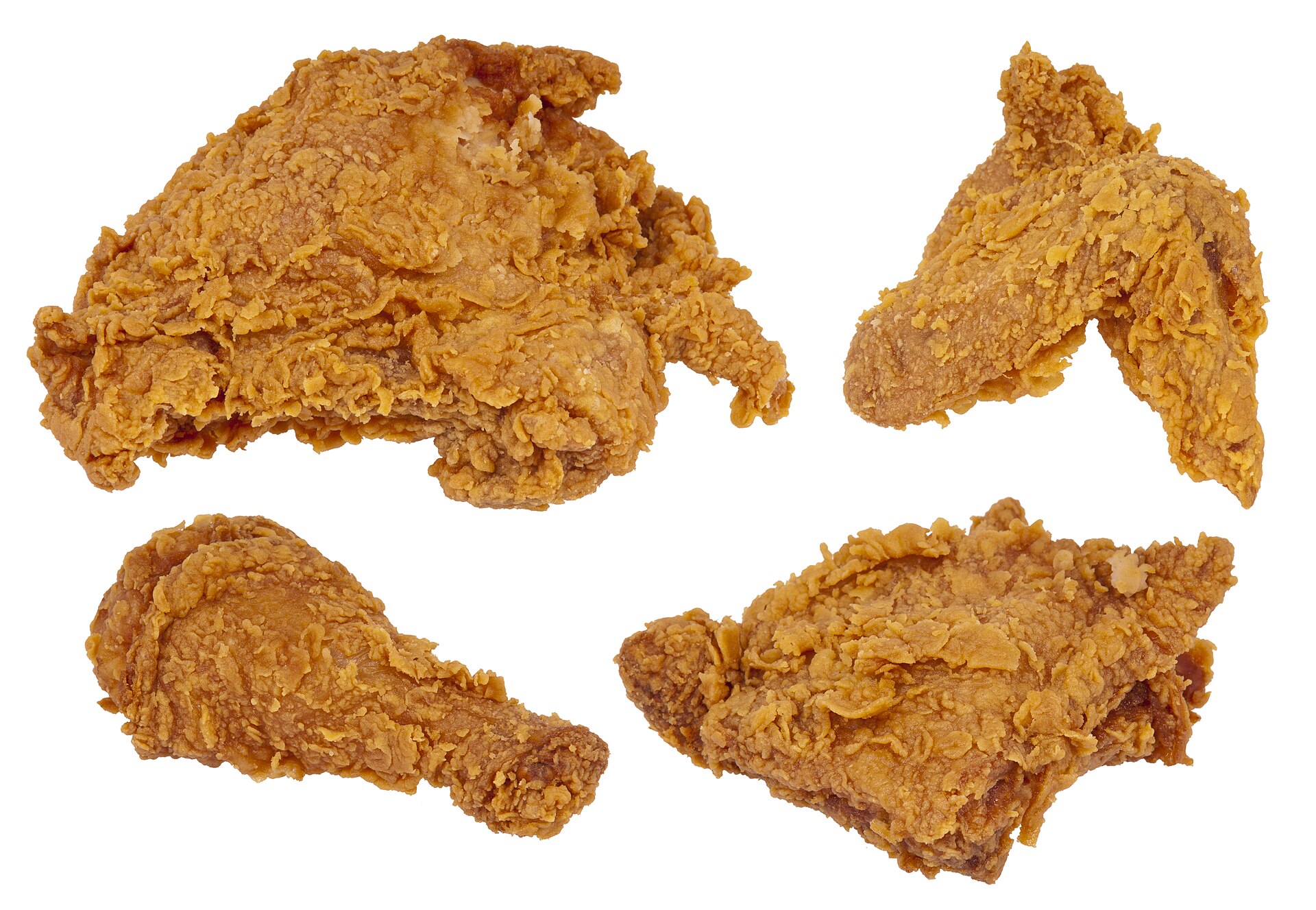
According to Wikipedia, the origin of Southern fried chicken has been traced to Scottish and West African cuisine. The Scottish were the first recorded as deep-frying chicken in fat with breadcrumbs and seasonings, while West African cooks added different seasonings and cooked it in palm oil.
African seasoning techniques were used in the American South by enslaved Africans, and fried chicken became a way for some enslaved and segregated Black women to earn money as noted sellers of poultry. The expression itself was first recorded in the 1830s and appears often in American cookbooks of the 1860s and 1870s.
2. Banana pudding: Layers of custard, wafers and bananas
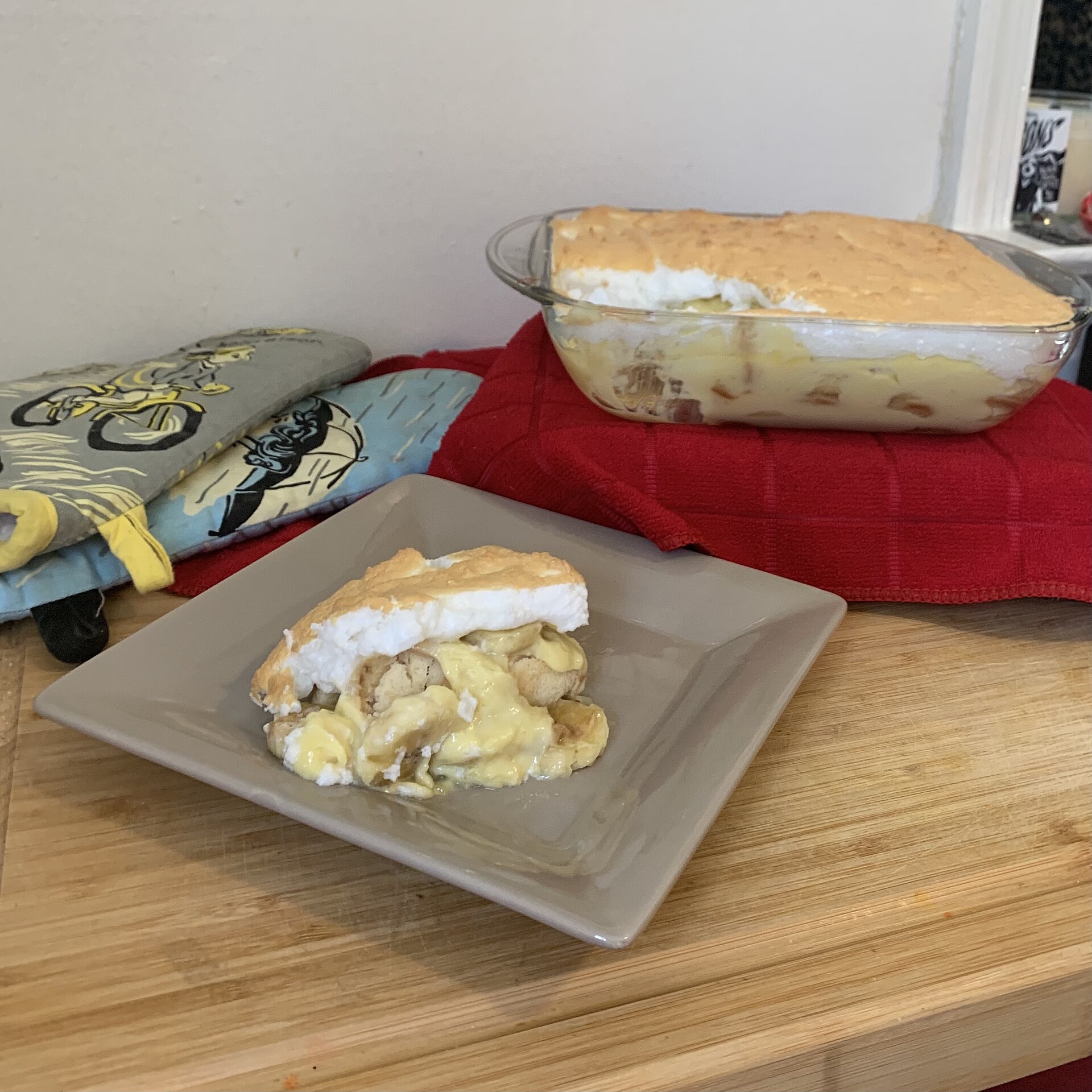
Banana pudding is a Southern dessert of layered vanilla custard, vanilla wafers or ladyfingers and sliced fresh bananas, topped with whipped cream or meringue, Wikipedia explains. Over time the wafers absorb the custard and the layers merge together.
The dessert did not begin with strong Southern ties. Recipes became very popular across the country in the 1890s, and vanilla wafers first replaced ladyfingers in a 1920 recipe. In the 1940s the National Biscuit Company began printing a recipe on its Nilla Wafers box. Centerville, Tennessee, holds a National Banana Pudding Festival each October.
3. Peach cobbler: Biscuit topping over ripe peaches
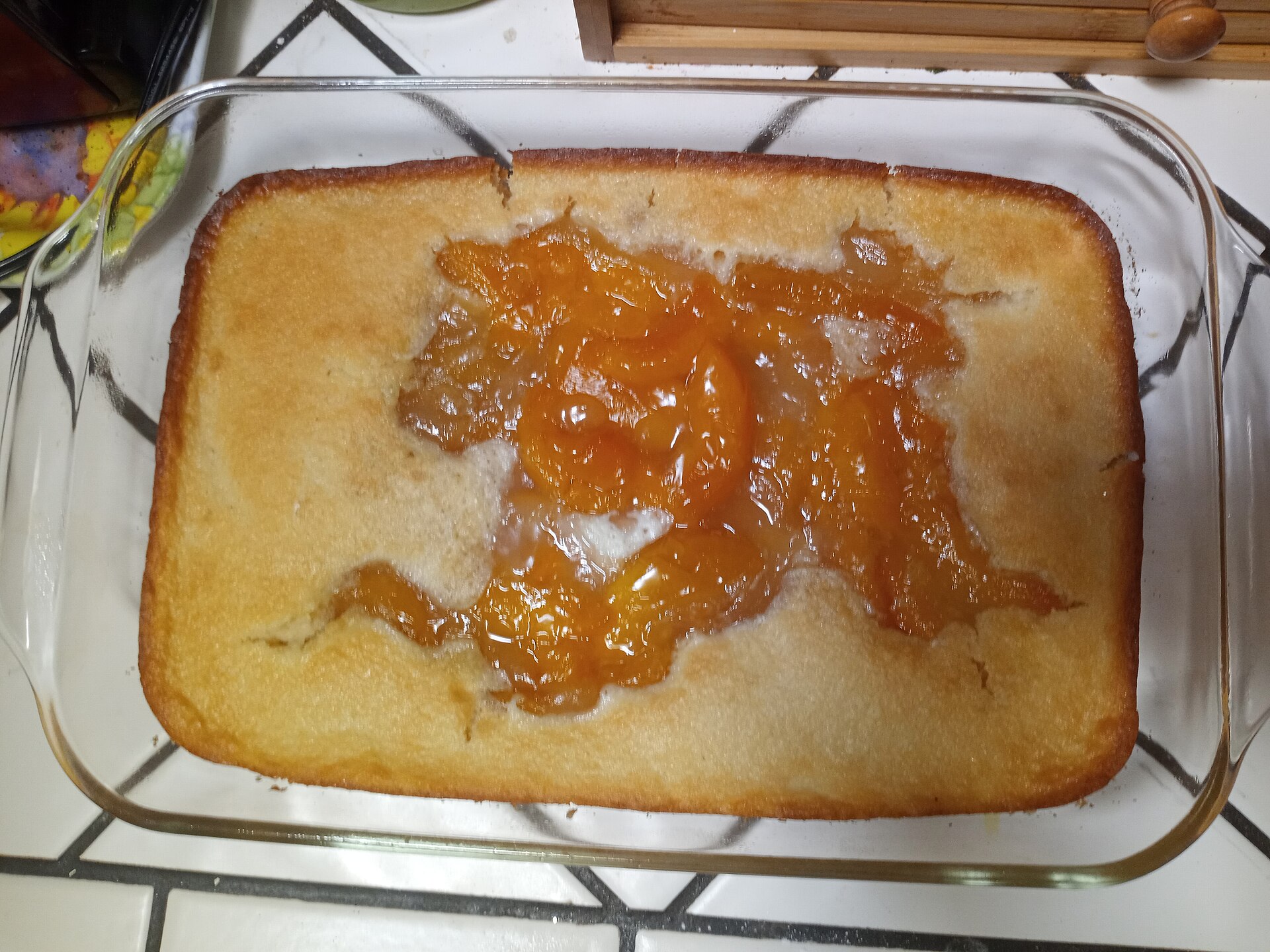
King Arthur Baking’s classic peach cobbler starts with 5 to 6 ripe peaches, or about 4 cups of frozen sliced peaches, tossed with sugar, lemon juice and vanilla. The recipe makes 12 servings, with 15 minutes of hands-on work and 45 to 50 minutes in the oven.
The topping is a cream biscuit dough credited to David Lee, a baker who shared recipes on the company’s online baking forum. The recipe pictures the finished dish with the aroma of baking biscuits and slowly melting ice cream on top, and it says the cobbler works even when made with frozen peaches.
4. Hot chicken: Nashville’s fiery late-night specialty
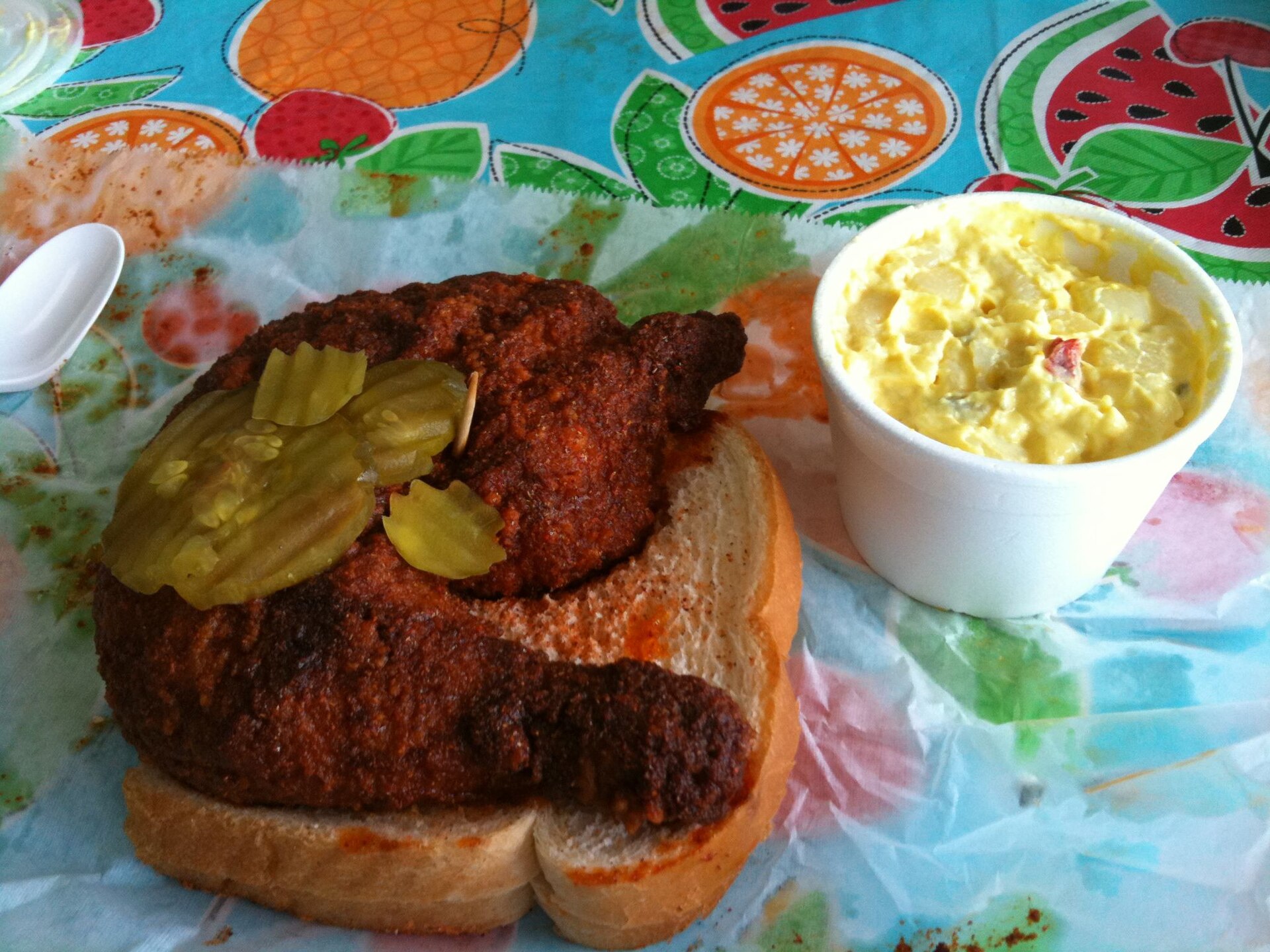
The Southern Foodways Alliance records an oral history with Andre Prince Jeffries of Prince’s Hot Chicken Shack in Nashville. She says the line can be longer at 10 p.m. than at lunchtime, and the shop has not advertised in 18 years because word of mouth does the work.
Customers choose mild, medium or hot, and the chicken is served on white bread with sliced pickles on top. The wait can reach half an hour because the chicken is not dropped into the skillet until it is ordered. Jeffries calls it a 24-hour chicken, and says more women than men order it hot.
5. Gumbo: Louisiana’s stew of many cultures
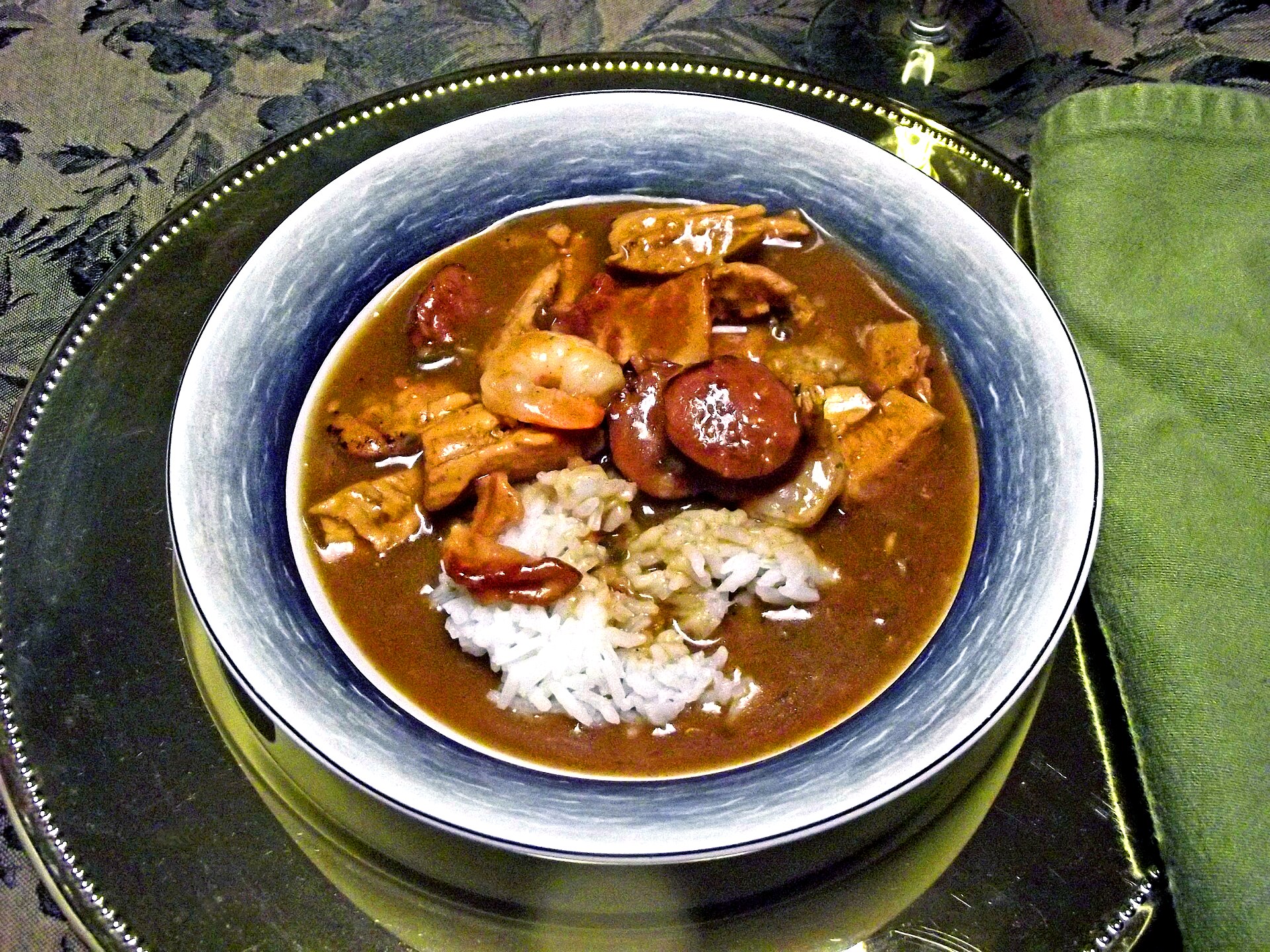
Gumbo is a stew popular along the Gulf Coast, and the New Orleans version is the official state cuisine of Louisiana, according to Wikipedia. It combines a strongly flavored stock, meat or shellfish, a thickener and the Creole holy trinity of celery, bell peppers and onions.
The dish blends Central and West African, French, German, Spanish and Choctaw practices, and it was first described in 1802. Okra or filé powder thickens it, and traditional gumbo is served with rice. It gained wider popularity in the 1970s, after the Senate dining room added it to the menu, and chef Paul Prudhomme fueled interest in the 1980s.
6. Jambalaya: A one-pot rice dish of mixed influences
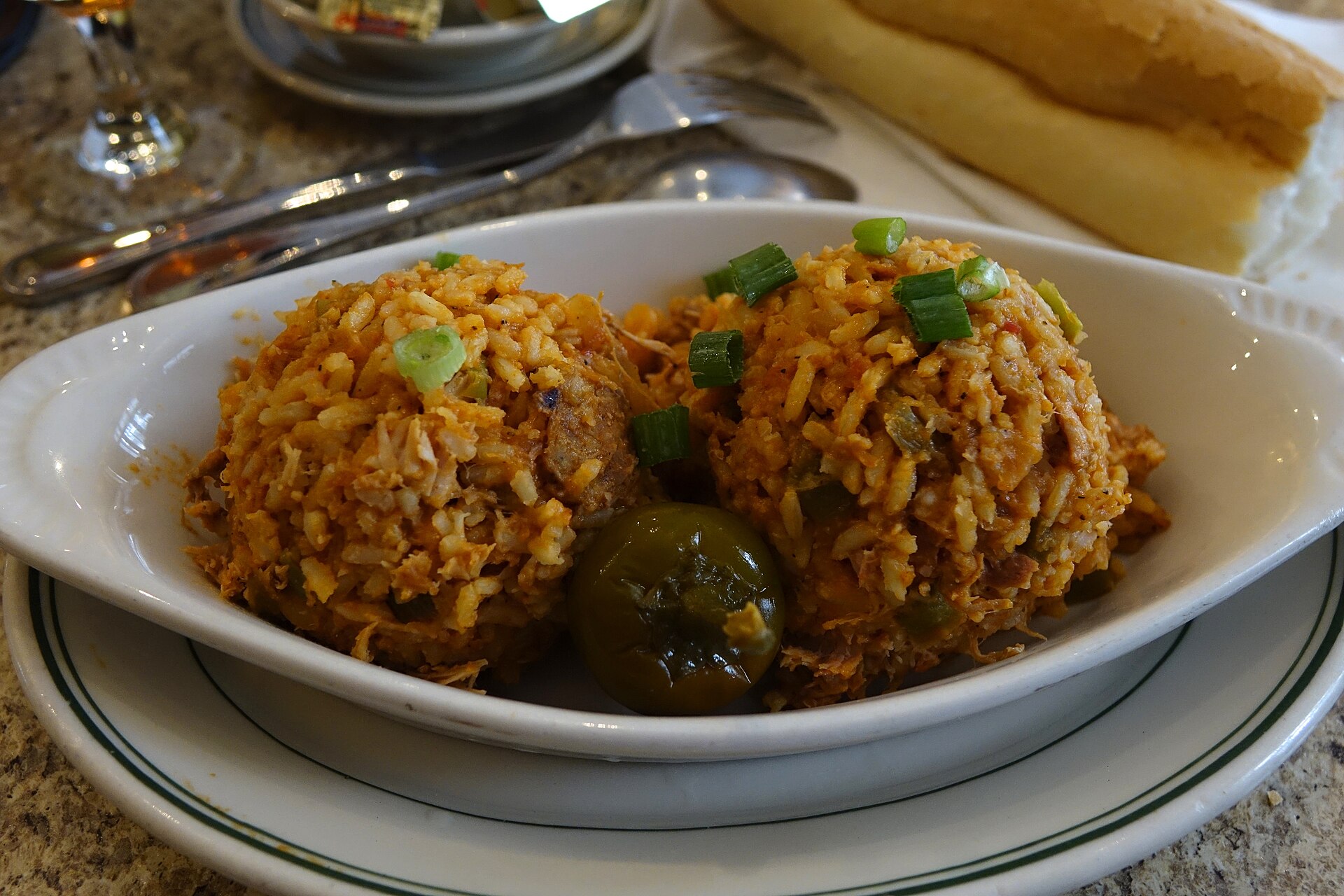
Jambalaya is a savory rice dish that developed in Louisiana, fusing African, Spanish and French influences, Wikipedia says. It combines meat or seafood, vegetables, rice and spices, and it is prepared in African American, Cajun and Creole communities.
West Africans and Spanish people each had one-pot rice dishes, jollof rice and paella, and those styles blended in Louisiana. The Oxford English Dictionary traces the name to a Provencal word meaning a mishmash or mixup, and the first printed appearance of the word is in a Provencal poem published in 1837.
7. Shrimp and grits: A Lowcountry breakfast turned comfort food
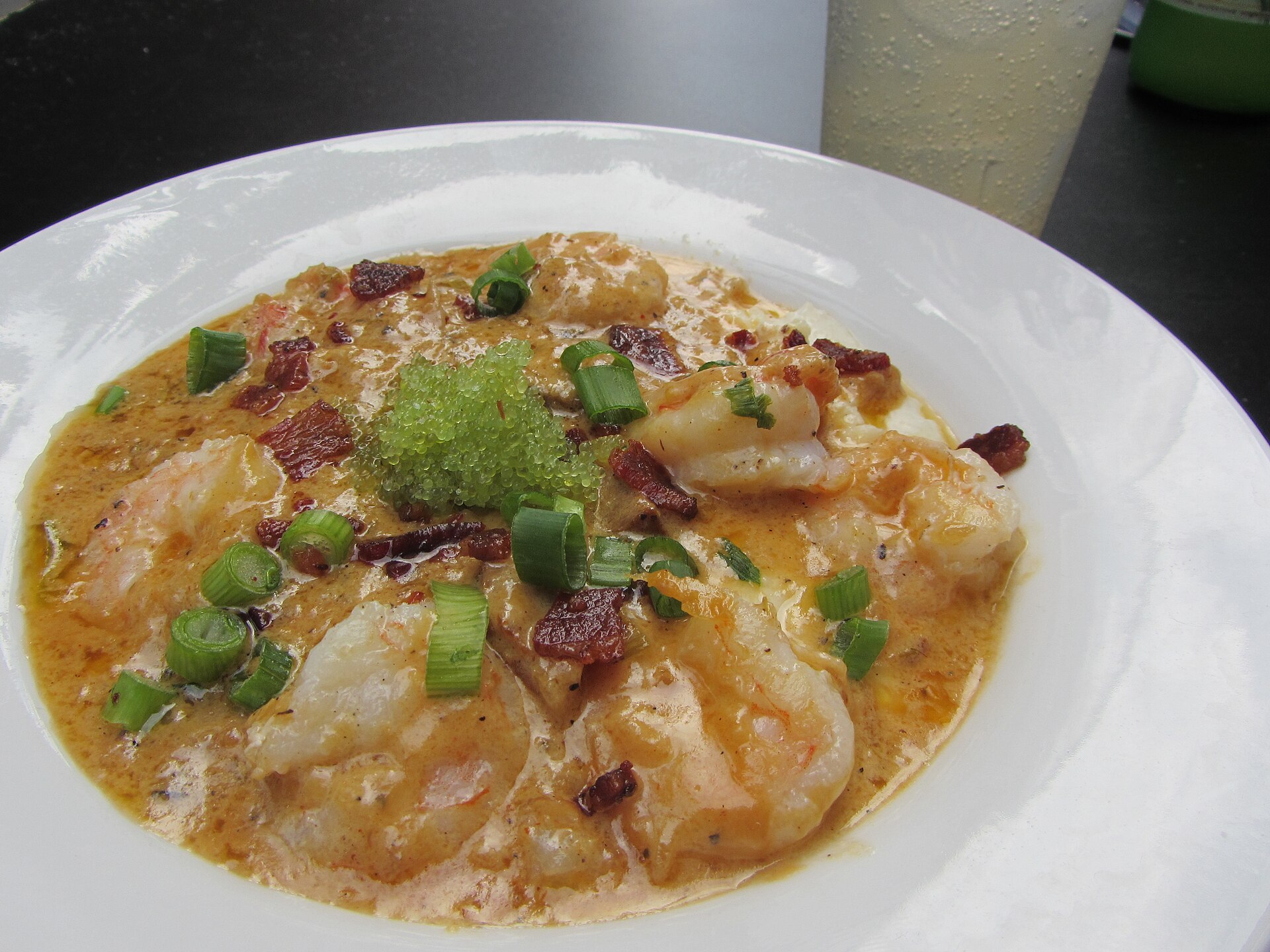
Shrimp and grits combines sauteed shrimp with grits, a porridge of boiled cornmeal, and is associated with the Lowcountry cuisine of coastal Georgia and South Carolina. Wikipedia quotes author John Martin Taylor saying he knows of no dish more typically Lowcountry.
In the region the dish was often eaten at breakfast during shrimp season, which peaks around November, and it was once commonly called breakfast shrimps. Among the Gullah Geechee, names have included shrimp gravy. A 1931 Charleston cookbook lists it as shrimp and hominy, crediting Black cooks, and since the 1990s chefs have served modified versions.
8. Red beans and rice: Monday’s pot in New Orleans
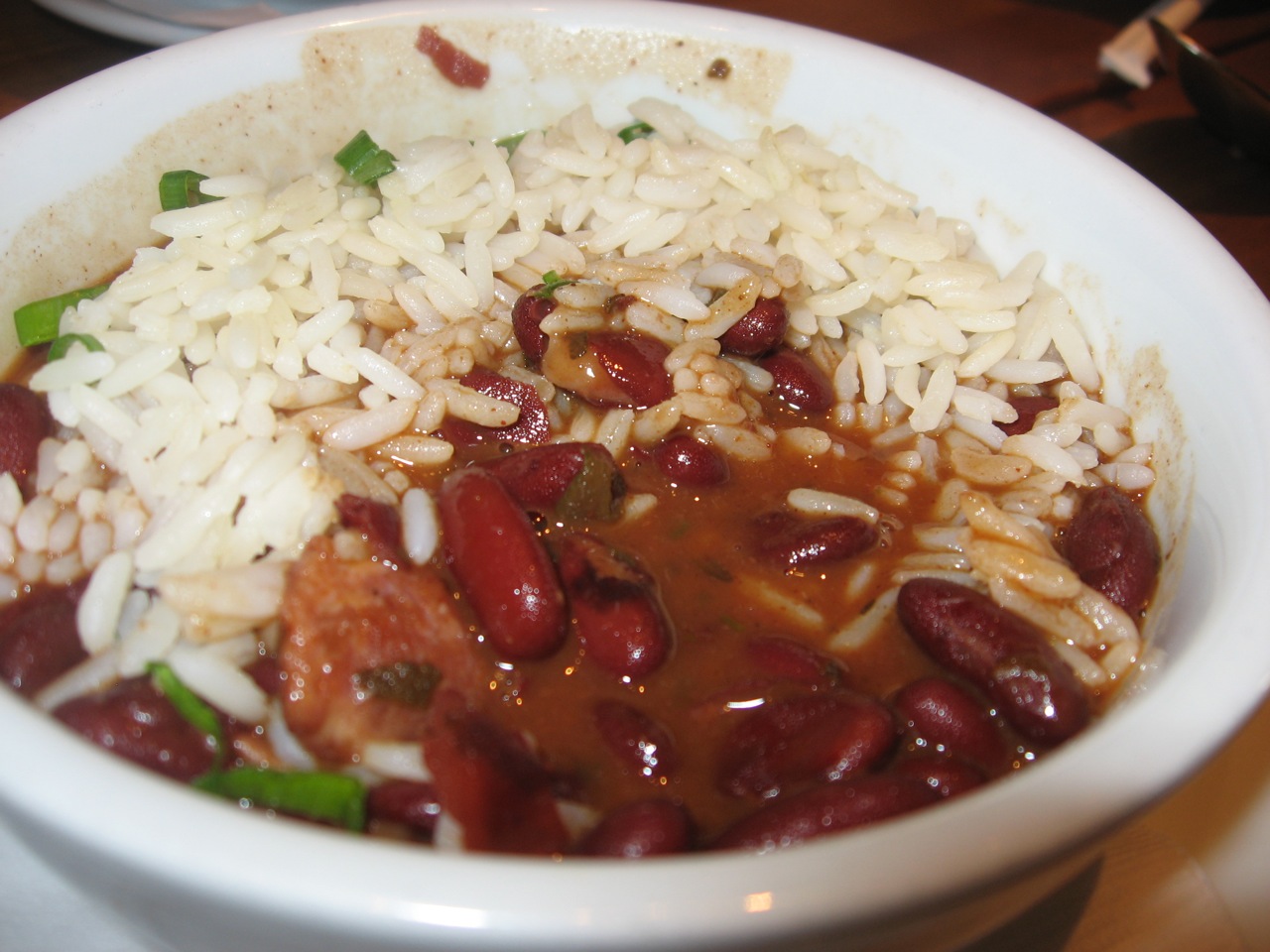
Red beans and rice is an emblematic dish of Louisiana Creole cuisine, traditionally made on Mondays, according to Wikipedia. Small red beans simmer slowly with bell pepper, onion, celery, spices and pork bones left over from Sunday dinner, and the pot is served over rice.
The Monday timing has a practical reason. Ham was traditionally a Sunday meal and Monday was washday, so a pot of beans could simmer on the stove while the women scrubbed clothes. Many New Orleans neighborhood restaurants and schools still serve it as a Monday special, often with cornbread, and Louis Armstrong signed letters Red Beans and Ricely Yours.
9. Hoppin’ John: Carolina’s New Year’s Day dish
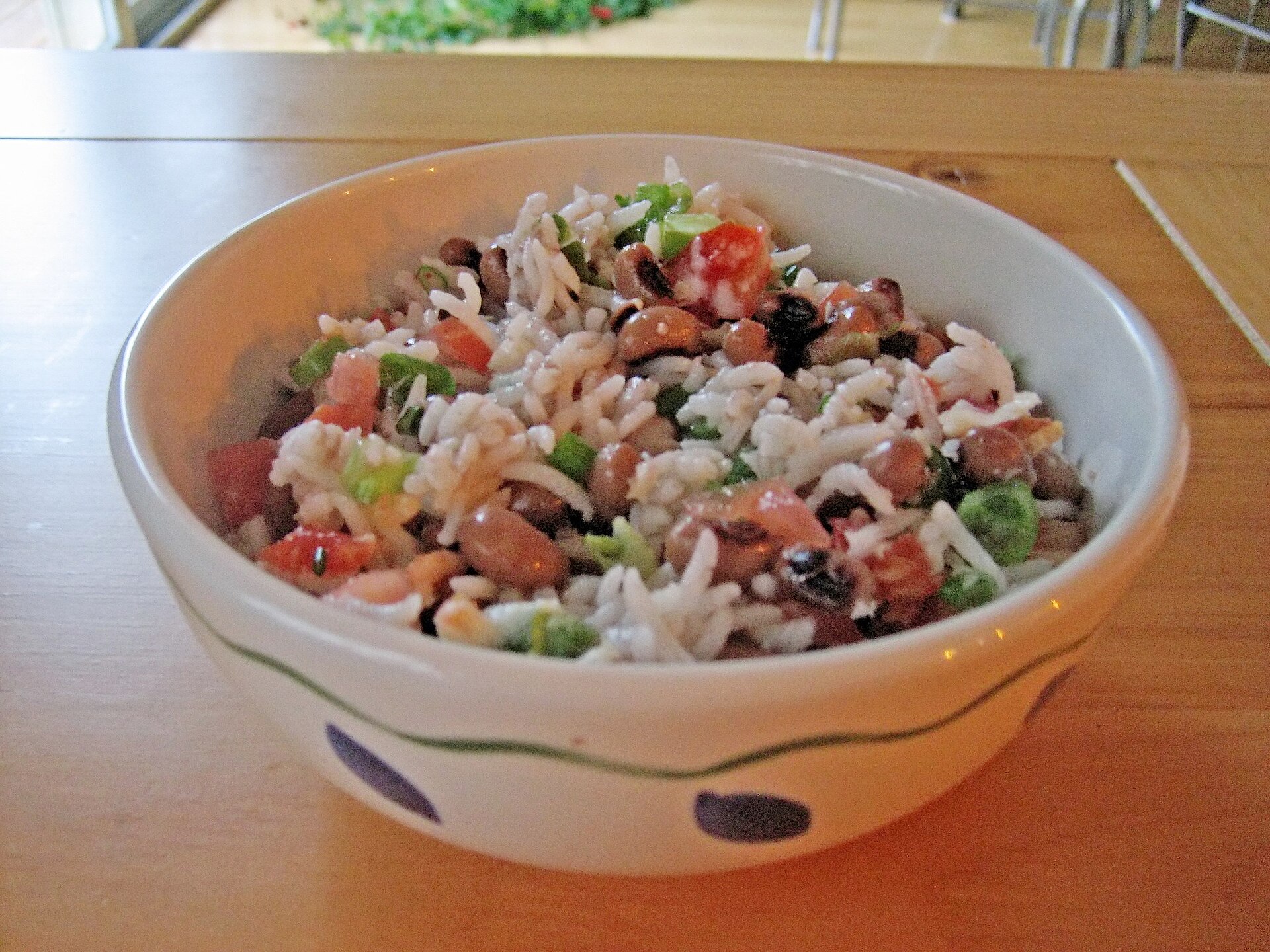
South Carolina Sea Grant’s Coastal Heritage magazine says that on New Year’s Day, South Carolinians eat a dish of rice with black-eyed peas or tiny red field peas, usually cooked with bacon, called Hoppin’ John. It is supposed to bring good luck, and folklore says people who eat poor on New Year’s Day eat rich the rest of the year.
Culinary historian Karen Hess is quoted calling it the signature dish of South Carolina, black and white. The magazine describes it as a pilau dish and says the name likely comes from a French Creole term for black-eyed peas. Over time, the article says, the dish that began among enslaved people became the state’s universal food.
10. Brunswick stew: Two states claim the birthplace
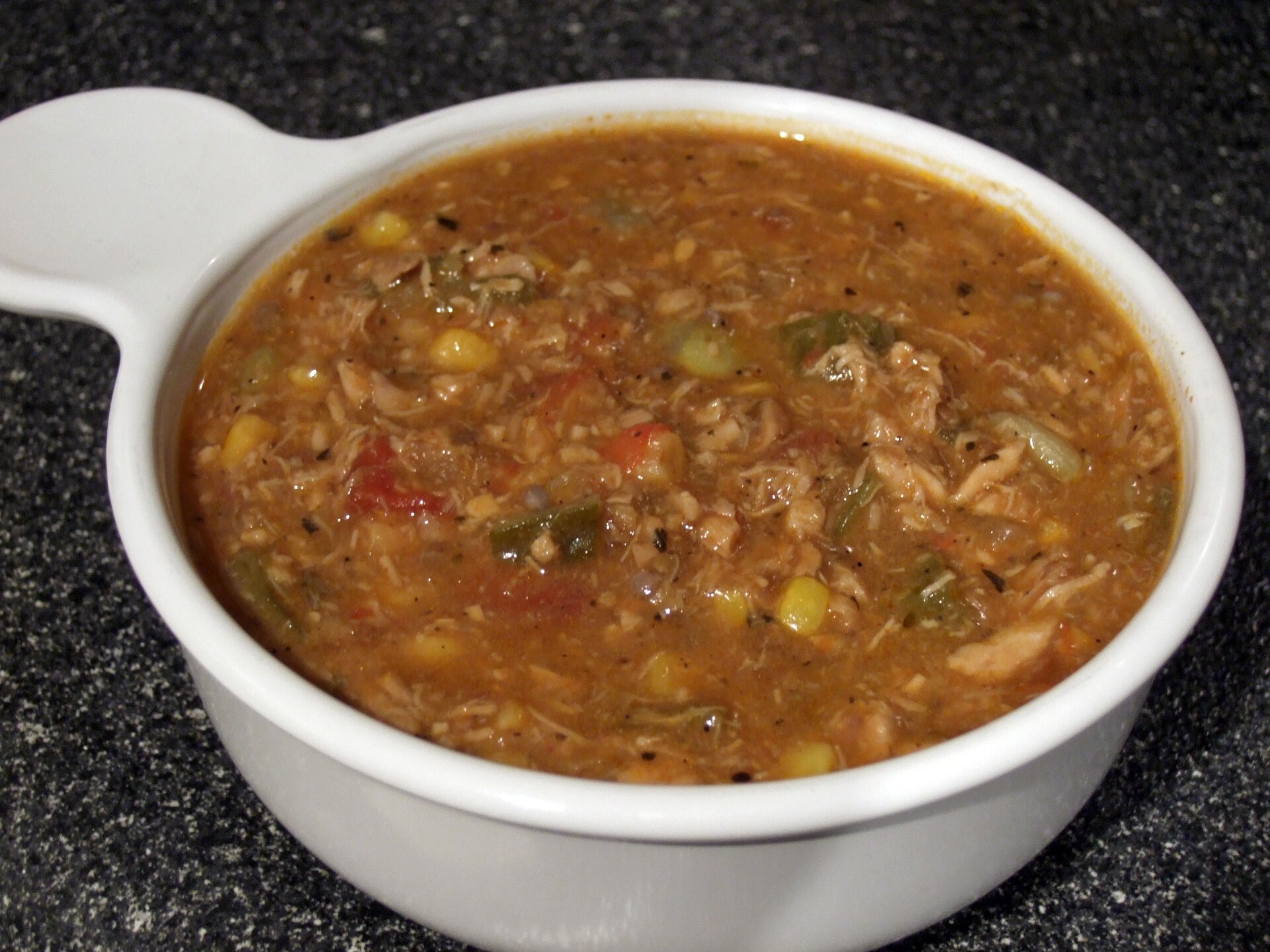
The Levine Museum of the New South describes Brunswick stew as a hearty Southern dish that simmers meats such as chicken, beef and pork with vegetables like corn, tomatoes and lima beans. Both Brunswick County, Virginia, and Brunswick, Georgia, claim to be its birthplace.
Virginia’s claim dates to 1828, and Georgia’s to 1898, when a large iron pot in Brunswick was inscribed as holding the first stew. The museum adds that Indigenous peoples of the Southeast had their own stew recipes that are believed to predate both stories. Virginia cooks mostly use chicken, while Georgia cooks often mix pork and beef.
This article was produced with AI assistance and edited for accuracy against the sources linked above.