A bright yellow sale tag can make an ordinary grocery purchase feel like a little victory. But sometimes the biggest box, the cheapest-looking jar, or that irresistible buy-one-get-one-free offer isn’t the bargain it seems.
In October 2026, Consumer Reports documented an eye-opening example: an 18-ounce cereal box costing $8.79 was more expensive per ounce than a 12-ounce box priced at $4.99.
According to the National Institute of Standards and Technology (NIST), 82% of consumers use unit pricing when it’s available, based on research reported in 2024.
The lesson? A smart grocery shopper looks beyond the sticker. Here are ten purchases worth examining before they land in your cart.
Oversized Cereal Boxes: Bigger Isn’t Always Cheaper
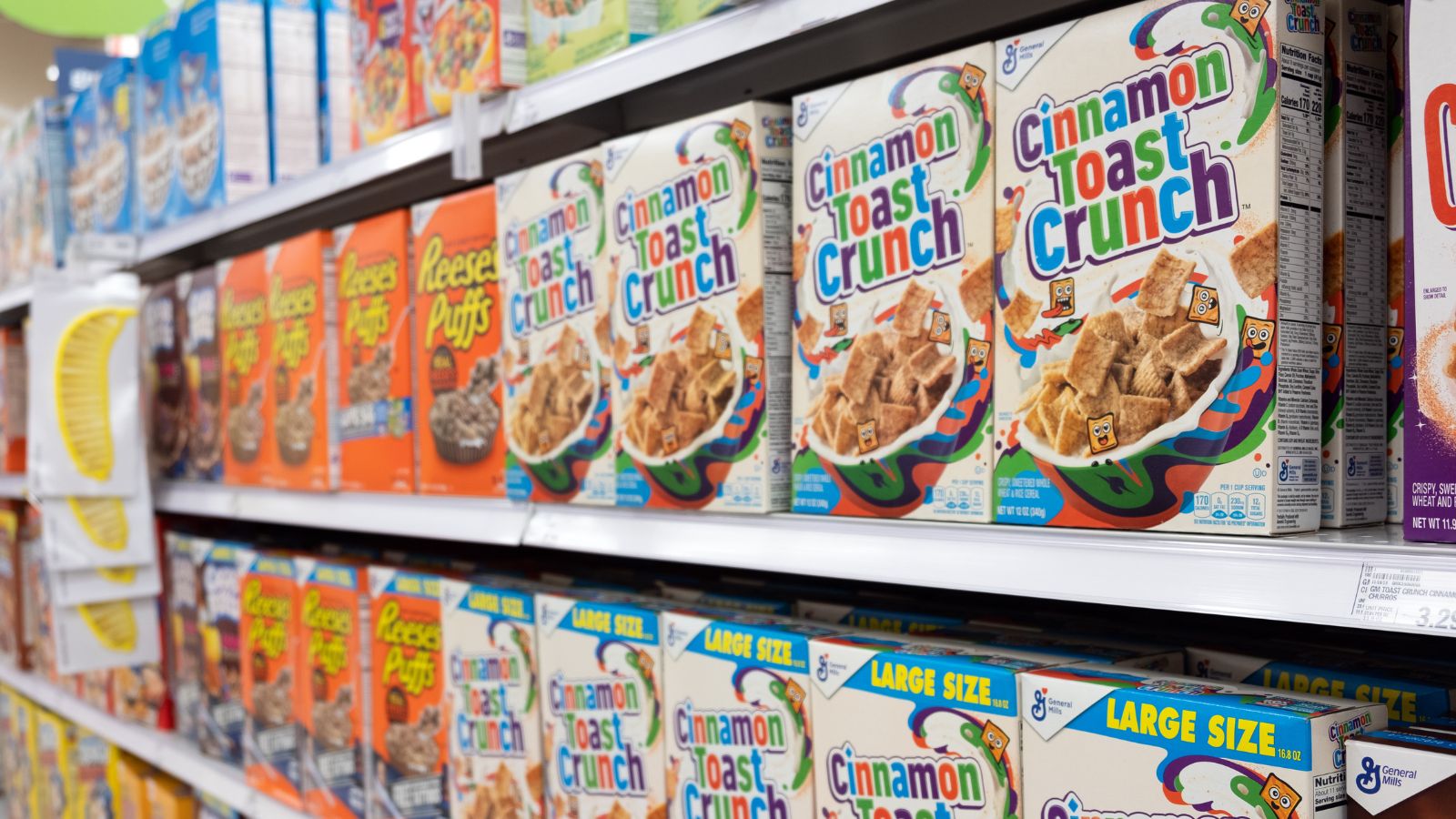
Something is reassuring about a family-sized cereal box. Surely all that extra packaging means you’re getting a better deal? Not necessarily.
Consumer Reports found that a 12-ounce box of Post Honey Bunches of Oats Honey Roasted cost $4.99 at a CVS near Yonkers, New York, while the 18-ounce version cost $8.79. That worked out to approximately 41.6 cents per ounce for the smaller box versus 48.8 cents for the larger one.
A subsequent sale made the smaller box even more attractive. Before reaching for the biggest box, compare the price per ounce. Those few seconds could reveal that the smaller package is the better bargain.
Large Frozen-Vegetable Bags: The Size Can Fool You
Frozen vegetables are convenient kitchen companions, but the biggest bag doesn’t automatically cost the least. In its October 2026 comparison, Consumer Reports examined a 32-ounce Walmart Great Value bag of peas priced at $2.48 and a 28-ounce Target Good & Gather bag priced at $1.99.
In that comparison, the smaller Target bag was cheaper per ounce. The catch is that the two retailers displayed prices using different measurements, making a quick comparison less obvious.
Before filling your freezer, convert both prices to the same unit. Bigger bags may offer savings, but the numbers—not the packaging—should make that decision.
Small Spice Jars: Tiny Bottles, Tricky Prices
Spice jars can be particularly deceptive because two bottles that look almost identical may contain very different amounts.
Consumer Reports found two cumin jars at an Acme in Greenburgh, New York, priced at $4.89 and $4.99. The more expensive jar contained 20% more cumin, making it the better deal by weight despite costing an additional ten cents.
According to NIST’s 2025 Unit Pricing Guide, comparing prices using consistent measurements helps shoppers evaluate differently sized products.
Next time you’re buying cumin or another favorite spice, check the net weight alongside the price. Sometimes that extra dime buys considerably more than you’d expect.
Mega Toilet-Paper Packs: More Rolls Don’t Always Mean More Value
Those enormous toilet-paper packages practically shout savings from the grocery aisle. But a bigger roll count doesn’t tell the entire story.
Consumer Reports explains that toilet-paper products differ in sheets per roll, sheet dimensions, and ply.
A package advertising more rolls may not contain more total material than a competing product.
For a fairer comparison, examine the price per square foot and consider whether the products offer comparable quality.
The word “mega” is marketing language, not a mathematical guarantee. Sometimes the smartest household purchase begins by ignoring the boldest number on the package.
Individually Packaged Snacks: Convenience Comes With a Price
Those neatly portioned little bags of snacks can be hard to resist. They’re convenient for lunchboxes, travel, and busy mornings. But convenience packaging can add cost.
Utah State University Extension recommends comparing individually wrapped snacks with larger packages that can be divided into portions at home.
The important comparison is total edible weight, not simply how many little packets come in the box.
However, individually packaged snacks aren’t automatically a poor choice. They can help households manage portions and avoid opening more food than they’ll use.
If you’re shopping mainly for savings, compare the cost per ounce before paying extra for all those little wrappers.
Precut Fruit and Vegetables: You’re Paying for the Preparation
Precut pineapple, chopped vegetables, and ready-to-use produce can make cooking wonderfully convenient.
But Utah State University Extension explains that preparing ingredients at home generally costs less than buying them already cut.
That doesn’t make every prepared package a bad purchase. The real question is how much usable food you’re getting for your money.
Compare the price of the prepared produce with the edible portion of its whole counterpart. Remember that skins, cores, and other discarded parts affect the comparison.
Sometimes the convenience is worth paying for. Just make that decision deliberately.
Precooked and Presliced Meat: The Hidden Convenience Premium
Precooked chicken and neatly sliced meats certainly make meal preparation easier.
However, Utah State University Extension identifies prepared meats as convenience products that may cost more than ingredients prepared at home. There’s an important distinction when comparing costs: raw meat and fully cooked meat don’t necessarily yield the same usable quantity.
A fair comparison considers what remains after cooking and how many servings the household will actually use.
If prepared meat saves valuable time or prevents leftovers from going to waste, the additional expense might be reasonable.
The goal isn’t always buying the cheapest package. It’s getting the best value for the meals you actually eat.
Frozen Dinners: Cheaper Than Takeout Doesn’t Mean Cheapest
A frozen dinner can look like a bargain beside restaurant prices. But that’s only one comparison.
Utah State University Extension’s meal-planning curriculum provides examples showing that cooking meals at home costs less per serving than buying comparable frozen dinners. Those figures are educational examples, not verified November 2026 supermarket prices.
Before filling the freezer, compare a frozen meal with the cost of preparing a similar dish yourself.
Remember to account for ingredients, cooking time, and portions you’ll actually eat.
Convenience has value, but it shouldn’t automatically be mistaken for the greatest possible savings.
BOGO Perishables: Free Food Isn’t a Bargain If You Waste It
Few grocery signs are more tempting than “Buy One, Get One Free.”
But according to the Environmental Protection Agency, buying food in larger quantities saves money only when you use it before it spoils. The promotion’s terms also matter.
Publix explains that shoppers in some states can purchase one BOGO item at half price, while others must purchase both items to receive the discount.
Before grabbing two packages of perishable food, consider whether you’ll actually finish them or have room to freeze the extra.
A bargain should help your grocery budget, not leave your refrigerator holding forgotten purchases.
Groceries Under Expired Sale Tags: When Checkout Tells Another Story
Sometimes the apparent bargain disappears before you’ve even left the store.
In a 2025 joint investigation, Consumer Reports, The Guardian, and the Food & Environment Reporting Network examined prices at 26 Kroger-owned stores across 14 states and Washington, D.C.
Investigators found expired sale tags that resulted in overcharges on more than 150 products.
Among those documented overcharges, the average difference was $1.70 per item, or 18.4%.
Kroger disputed the suggestion that the problem was widespread.
The practical lesson is simple: check the promotion’s expiration date and compare your receipt with the advertised price. That final glance can be just as valuable as spotting a discount.
The Best Grocery Bargain Is the One That Actually Saves You Money
The numbers behind a grocery deal matter more than the words printed across its packaging.
Consumer Reports’ 2026 cereal comparison showed that an 18-ounce box could cost more per ounce than a 12-ounce alternative. Meanwhile, the EPA reminds shoppers that buying extra food only saves money when they actually use it.
So before celebrating that giant package or irresistible promotion, check the unit price, compare the usable quantity, and consider what your household needs.
The smartest grocery cart isn’t necessarily the fullest one; it’s the one that brings home real value without unnecessary spending.