That trusty glass baking dish in your kitchen cabinet might be perfect for casseroles, lasagna, and baked desserts. But when you want crispy edges, golden crusts, and evenly cooked food, glass isn’t always your best option.
Many home cooks reach for glass because it’s convenient and easy to clean. However, different cookware materials transfer and retain heat differently, which can affect your results.
According to King Arthur Baking, glass generally transfers heat more slowly than metal but retains it longer once heated. Some recipes simply perform better in metal, while certain cooking methods aren’t permitted for conventional glass bakeware.
Here are 10 foods worth cooking in something other than your usual glass dish.
Thin-Crust Pizza
If you love pizza with a crispy, golden bottom, a conventional glass baking dish probably isn’t your best choice. Thin-crust pizza benefits from strong heat transfer to the dough’s bottom, helping create that satisfying crunch. A metal pizza pan, baking steel, or suitable pizza stone is generally better suited to this task.
Many pizza recipes also require temperatures above those permitted for certain glass baking dishes. For example, Anchor Hocking specifies a maximum oven temperature of 425°F for its standard glass bakeware. Glass can work for some pan-pizza recipes, but for traditional thin, crispy crusts, choose equipment specifically intended for pizza baking.
Homemade French Fries
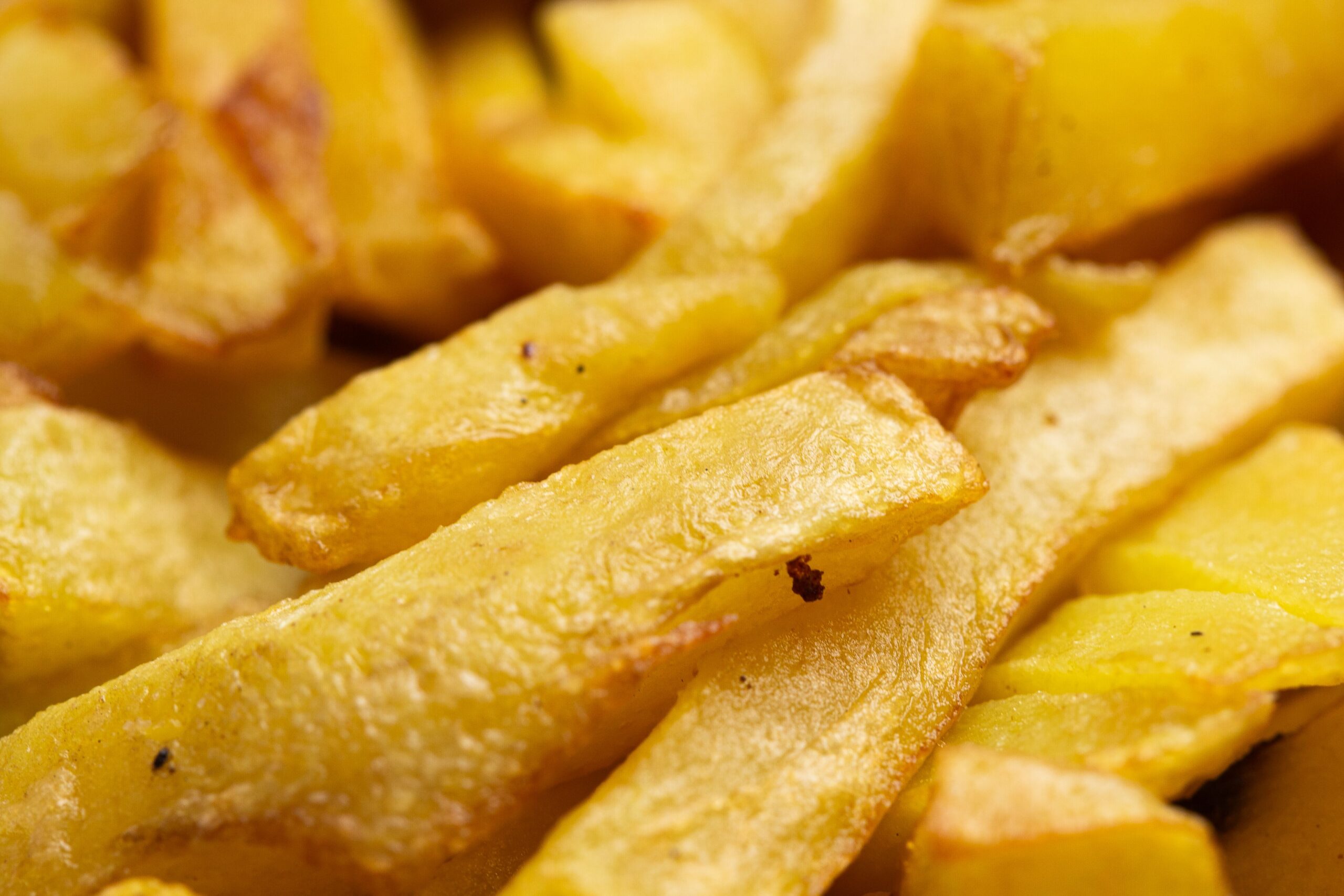
Making crispy oven fries sounds simple until you pull out a batch that’s soft rather than golden. The cookware you choose can make a noticeable difference. French fries benefit from being spread out on a large surface, with enough space between pieces. This allows moisture to escape while the potatoes brown.
A flat metal baking sheet usually offers more usable surface area than a smaller, high-sided glass casserole dish. Crowding fries into a baking dish can encourage moisture to collect around them.
For better results, arrange the fries in a single layer on a suitable metal sheet pan. Glass isn’t automatically inappropriate for baking potatoes, but it’s less practical when crispness is your priority.
Roasted Potatoes
Roasted potatoes should have tender centers and beautifully browned exteriors. A metal roasting pan or baking sheet often works better for achieving that contrast. Metal responds to oven heat efficiently, while a wide pan lets you arrange potatoes without crowding them.
A glass dish can certainly roast potatoes, but pan shape, temperature, and available surface area affect the outcome. There’s also an important manufacturer instruction to keep in mind.
Pyrex advises adding enough liquid to cover the bottom of its glass dish before cooking foods that may release liquid, including vegetables. That requirement may not suit a recipe designed around dry roasting and crisp surfaces. For crispy roasted potatoes, follow a recipe developed for a metal sheet pan.
Crispy Chicken Wings
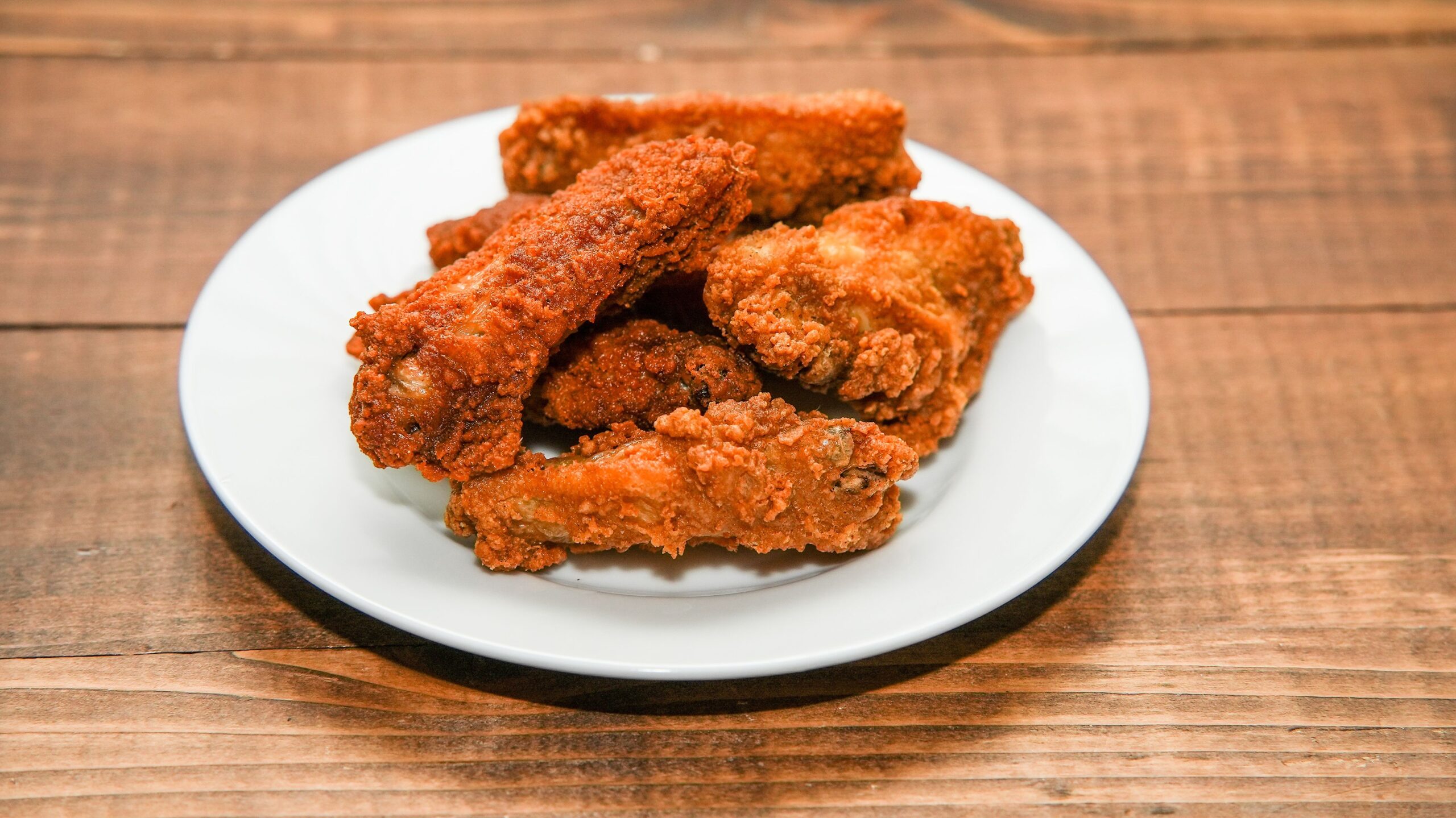
Chicken wings are another food where the cooking surface matters. If your goal is crisp skin, placing wings directly into a deep baking dish isn’t necessarily the most effective approach. A metal baking sheet fitted with an oven-safe wire rack lets hot air circulate around more of each wing.
This arrangement also keeps the wings elevated above the liquid that collects during cooking. Without a rack, the underside may remain softer than the exposed surface.
You can use a glass baking dish for suitable baked-chicken recipes, as long as you follow the manufacturer’s instructions. However, if you’re aiming for crispy wings, a metal pan and a rack offer a more practical setup.
Homemade Biscuits
Few things compare to pulling a batch of golden biscuits from the oven. But the baking pan can influence how the bottoms brown and how the dough bakes. Metal baking sheets and pans conduct heat differently from glass dishes, which can affect baking time and texture.
Glass also holds heat after the oven is turned off or the dish is removed. That lingering warmth can continue affecting baked goods. You can make biscuits in glass, and some recipes are designed specifically for glass baking dishes.
However, if a recipe calls for a metal pan, following that recommendation gives you a better chance of matching its intended results. For dependable biscuits, start with the pan the recipe specifies.
Brownies
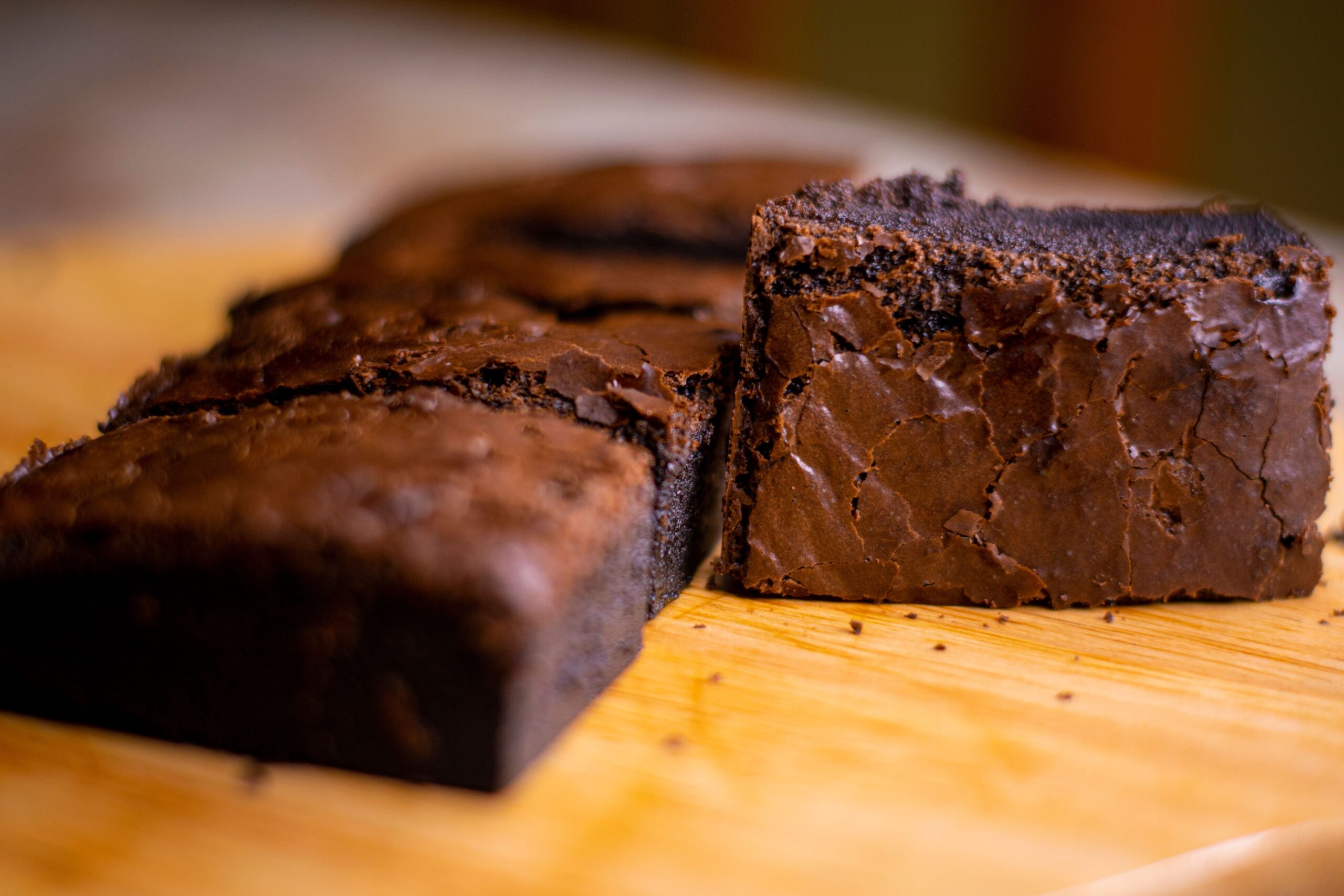
Brownies might be the most surprising food on this list because glass dishes are commonly used to bake them. The problem isn’t that glass cannot bake brownies. The problem is that the material can produce noticeably different results.
King Arthur Baking compared brownies baked in glass, metal, and stoneware pans. Its testing found that brownies baked in glass developed harder, crunchier outer edges than those baked in metal. The glass retained heat while the center kept cooking, creating greater differences between the edges and the middle.
For brownies with more consistent texture, a light-colored metal pan is often the better choice. If you’re using glass, follow a recipe intended for that material or make the recipe-specific temperature adjustment recommended by a reliable baking source.
Chocolate Chip Cookies
Chocolate chip cookies need room to spread while baking. That’s one reason most traditional cookie recipes call for flat metal baking sheets rather than deep glass dishes. A baking sheet lets individual portions of dough sit apart, giving each cookie space to spread and brown.
Its low sides also make it easier to transfer finished cookies to a cooling rack. A high-sided glass dish simply isn’t as convenient for this job. Pan color and thickness can affect cookie bottoms too, so choosing metal alone doesn’t guarantee perfect results.
For familiar golden cookies, use the baking sheet your recipe recommends and pay attention to spacing. Save the glass dish for another dessert.
Cornbread With a Crispy Crust
Cornbread baked in a glass dish can be delicious, especially when you prefer a softer exterior. But if you want traditional crisp-bottomed skillet cornbread, cast iron has the edge. Many skillet cornbread recipes rely on a preheated cast-iron pan to create a distinctive crust when the batter meets the hot surface.
That technique doesn’t translate to conventional glass bakeware. Manufacturers such as Pyrex recommend preheating the oven, not preheating an empty glass dish like a skillet.
The better choice depends on the cornbread you want. For softer, casserole-style cornbread, glass may work perfectly well. For a browned skillet crust, follow a cast-iron recipe.
Pan-Seared Steak
A beautifully seared steak requires a cooking method that conventional glass baking dishes simply weren’t designed to handle. Pan-searing involves direct heat from a stovetop burner and contact with a properly heated cooking surface. Cast-iron and stainless-steel skillets are familiar choices for this technique.
Pyrex and Anchor Hocking say their conventional glass bakeware should not be used on stovetop burners or under broilers. Those restrictions matter when selecting equipment for steak recipes that require direct heat.
You can prepare steak in the oven using suitable cookware and manufacturer-approved methods. However, if your recipe calls for a stovetop sear, don’t substitute an ordinary glass casserole dish. Reach for a skillet designed for the job.
Stir-Fried Vegetables
Stir-fried vegetables depend on quick cooking over direct stovetop heat. A wok or suitable skillet allows you to move vegetables around while they cook, making it easier to control their contact with the hot surface. Conventional glass baking dishes aren’t intended for that kind of cooking.
Both Pyrex and Anchor Hocking prohibit placing their standard glass bakeware directly on stovetop burners. The distinction matters: stir-frying vegetables and roasting vegetables aren’t the same cooking method.
You can prepare vegetables in an oven-safe glass dish when the recipe and product instructions allow it. But if you’re making a genuine stovetop stir-fry, choose compatible metal cookware. The correct pan makes the technique easier and keeps the cooking method consistent with the recipe.
When Should You Use Glass Baking Dishes?
Glass bakeware still deserves a place in your kitchen. It’s useful for many casseroles, baked pasta dishes, bread puddings, and desserts made with the right recipes. The important thing is recognizing that glass and metal aren’t always interchangeable.
Metal pans often suit recipes that call for crispness, direct heat, or precise baking performance. Glass works well for many oven dishes, especially when the recipe was developed with that material in mind.
Always follow the instructions for your particular glass product. Avoid prohibited heating methods, sudden temperature changes, and placing hot glass onto cold or wet surfaces.