American food is more than a collection of recipes. It is a story told through family tables, regional traditions, immigrant influences, and generations of home cooks passing down the dishes that define comfort. From a cast-iron skillet of cornbread to a bubbling dish of macaroni and cheese, these classics have earned their place in kitchens nationwide.
The best part? These dishes are not reserved for professional chefs or special occasions. They teach useful cooking skills, from balancing flavors to mastering simple techniques. Learning them gives any home cook a stronger foundation and a deeper appreciation for the history behind every bite.
Cornbread, the humble classic that started with American roots

Few foods represent American home cooking as well as cornbread. Long before it became a Southern staple, Indigenous peoples across the Americas cultivated and prepared corn. Corn later became a practical ingredient for European settlers, who adapted cornmeal into breads and cakes that suited local kitchens.
Cornbread reminds us that classic American dishes often come from many cultures meeting in one place. While it is strongly connected with the South and Appalachia, the dish includes many versions, including skillet breads, johnnycakes, hoecakes, muffins, and spoonbread.
For home cooks, cornbread is one of the easiest places to build confidence. A simple batter of cornmeal, flour, eggs, milk or buttermilk, butter, salt, and leavening can become a golden side dish that works with chili, barbecue, soups, or holiday meals. The biggest debate usually comes down to one question: sweet or savory?
Fried chicken , A recipe built on tradition and technique
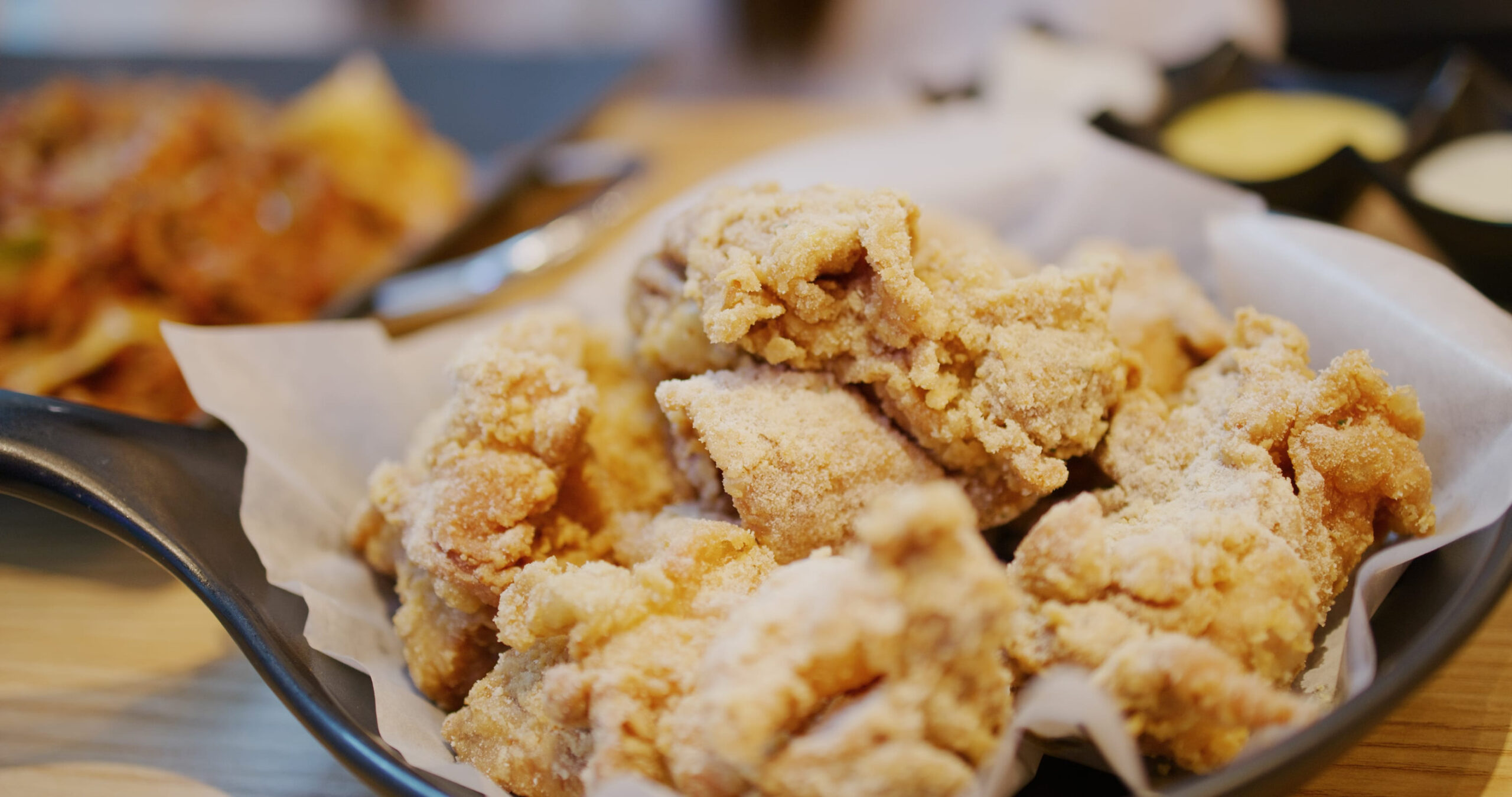
Crispy fried chicken is one of America’s most recognizable comfort foods, but its history is deeper than a Sunday dinner favorite. Its popularity is closely connected to African American culinary traditions, with enslaved African cooks bringing seasoning knowledge and cooking techniques that shaped the dish’s development.
The beauty of fried chicken is how personal it can become. Some cooks swear by a buttermilk soak, others rely on a carefully seasoned flour coating, and some prefer a simple salt-and-pepper approach. Regional versions vary widely, from extra-crispy styles to spicy variations.
For beginners, fried chicken teaches valuable kitchen skills: seasoning properly, managing oil temperature, and understanding how texture changes during cooking. Patience often makes the difference between good and unforgettable.
Barbecue ,the art of cooking low and slow
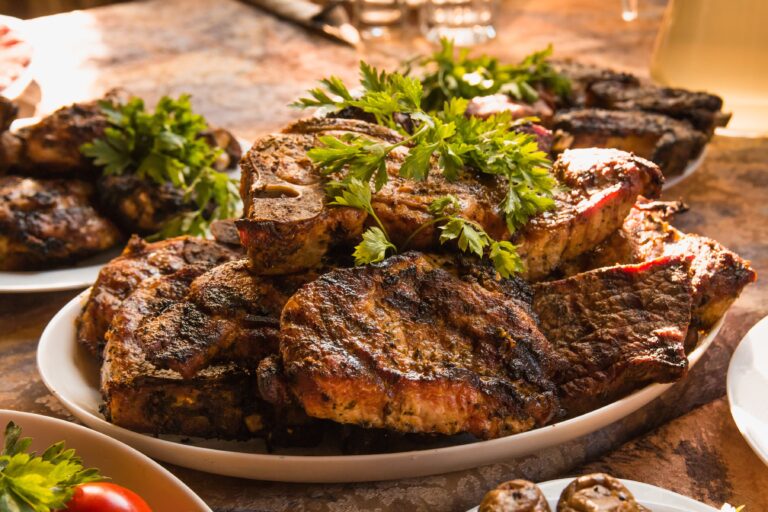
American barbecue is more than meat over flames. True barbecue is slow cooking over indirect heat and smoke, creating flavors you can’t rush. The technique has roots connected to Indigenous and Caribbean cooking traditions before evolving into the regional styles Americans know today.
One of barbecue’s greatest strengths is its regional personality. North Carolina is known for vinegar-based pork traditions, Texas for brisket, Memphis for ribs and dry rubs, and Kansas City for a wide range of meats with sweet, tomato-based sauces.
Home cooks do not need a restaurant-sized smoker to appreciate barbecue. Learning how seasoning, temperature, smoke, and resting time work together can transform ordinary cuts of meat into something special.
Gumbo, A bowl full of American history
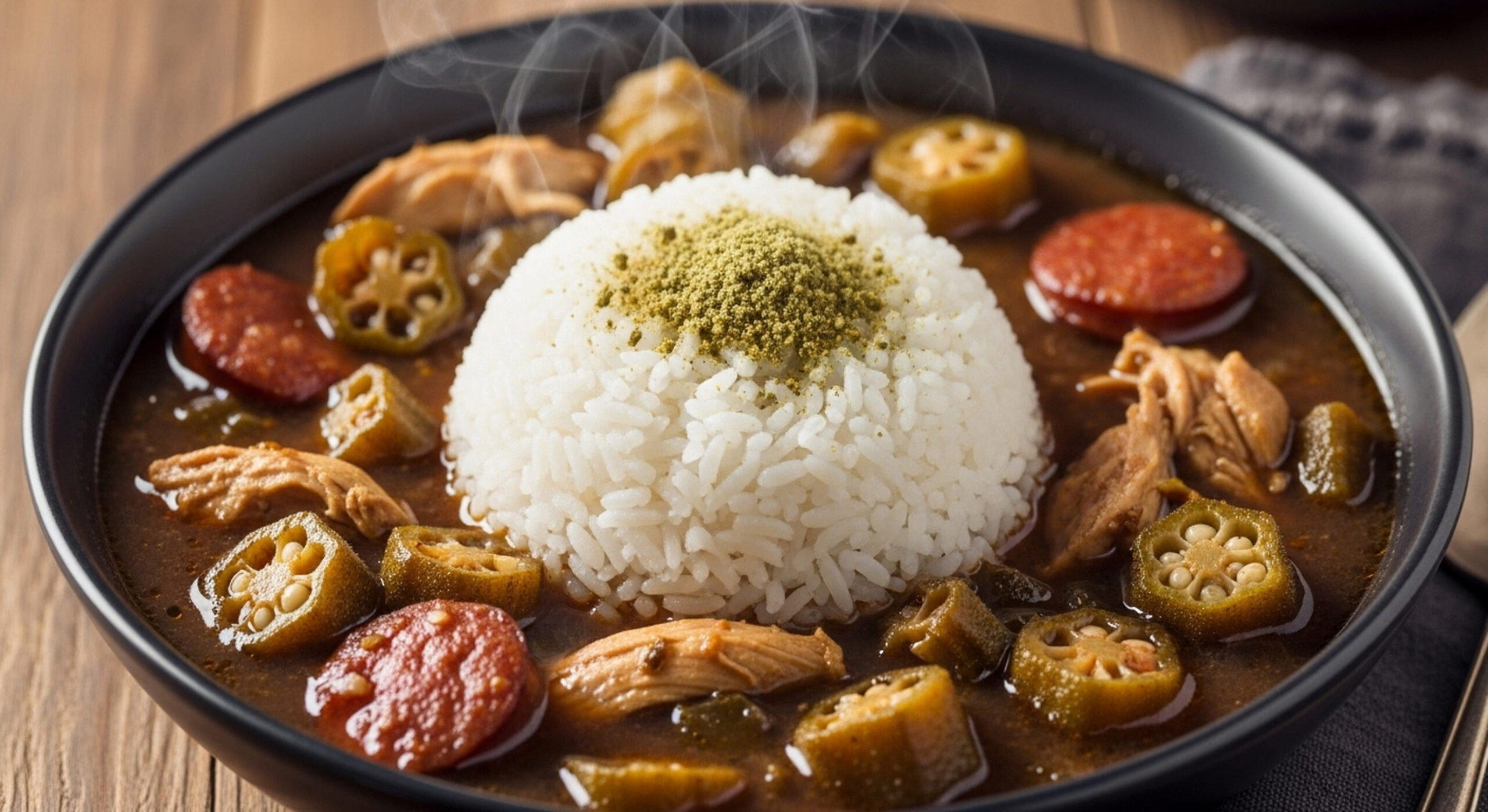
Gumbo is one of the clearest examples of how American cuisine developed through cultural exchange. This Louisiana favorite combines influences from West African, Native American, French, Spanish, and Caribbean traditions.
The dish is famous for its layers of flavor. A carefully prepared roux creates depth, while ingredients like onion, celery, and bell pepper form the foundation. Depending on the version, cooks may add seafood, sausage, chicken, okra, or filé powder.
For home cooks, gumbo is a lesson in patience. The roux cannot be rushed, and the best results come from letting flavors develop slowly.
Macaroni and cheese, the comfort food everyone knows
Macaroni and cheese may feel like a purely American invention, but its history stretches back through European pasta and cheese traditions. In America, the dish became connected with figures such as Thomas Jefferson and James Hemings, whose French culinary training helped shape early versions served in elite households.
Over time, mac and cheese moved from formal dining rooms into everyday kitchens. The boxed version became especially popular after Kraft introduced its packaged macaroni and cheese in 1937.
Every home cook should know how to make a version from scratch. Whether baked with a golden crust or prepared quickly on the stovetop, it is one of the easiest dishes to customize with different cheeses and textures.
Chili con carne, the one-pot favorite
Chili con carne represents the flavors of the American Southwest and the influence of Mexican American and Tex-Mex cooking traditions. While debates continue over its exact origins and whether beans belong in the dish, its popularity in American kitchens is undeniable.
A good chili teaches cooks how to build flavor slowly. Browning meat, layering spices, and allowing ingredients to simmer together creates a dish that often tastes even better the next day.
Hamburger, America’s backyard icon
The hamburger has become one of the world’s most recognizable American foods, but its story involves immigration, innovation, and changing food culture. Its roots trace back to Hamburg steak traditions, while the modern burger developed through competing American claims and commercial settings.
The burger’s simplicity is its strength. A seasoned patty, a good bun, and thoughtful toppings can create endless possibilities. From backyard grills to diner counters, it remains a lesson in how simple ingredients can become iconic.
Hot dog, the ultimate casual classic
The hot dog reflects America’s history of immigration and street food culture. Sausages brought by European immigrants eventually evolved into the portable bun-based meal associated with ballparks, fairs, and city streets.
Hot dogs’ fun comes from regional traditions. Chicago, New York, Detroit, and other places have developed their own styles, proving that one simple food can have many personalities.
Chicken pot pie, the ultimate comfort meal
Chicken pot pie shows how older European cooking traditions adapted to American kitchens. Early American cookbooks included pot pie recipes, including those in Amelia Simmons’s 1796 cookbook, American Cookery.
Today, many home cooks know it as a creamy mixture of chicken and vegetables topped with pastry or biscuits. It remains a favorite because it turns simple ingredients into a warm, satisfying meal.
Pumpkin pie, the dessert that defines American holidays
Pumpkin pie connects Indigenous ingredients, colonial cooking, and American holiday traditions. Pumpkin and squash were important foods among Indigenous communities, and an early version of pumpkin pie appeared in Amelia Simmons’s 1796 American Cookery.
The modern version is familiar: pumpkin, eggs, sugar, dairy, spices, and pastry baked into a creamy seasonal dessert. It has become one of the most recognizable symbols of American holiday tables.
Classic American dishes are not just recipes to memorize. They are lessons in history, creativity, and the simple joy of cooking for others. Mastering these ten dishes gives any home cook a stronger connection to the traditions that continue to shape American kitchens today.