Most people worry about getting older, but few stop to think about how their everyday habits might influence how long they live. The truth is that some of the things we do almost automatically, from sitting on the couch for hours to skipping sleep or reaching for another sugary drink, may have consequences over time.
You do not have to smoke heavily, drink excessively, or avoid exercise completely to develop routines worth reconsidering. Sometimes, the small decisions repeated over several years deserve the most attention.
Research has linked several everyday behaviors and exposures to higher mortality risks. While these findings do not predict exactly how long any individual will live, they offer useful reminders about the importance of looking after ourselves.
Here are 11 habits and lifestyle patterns that could be putting your longevity at risk.
Smoking Cigarettes Even When You Feel Fine
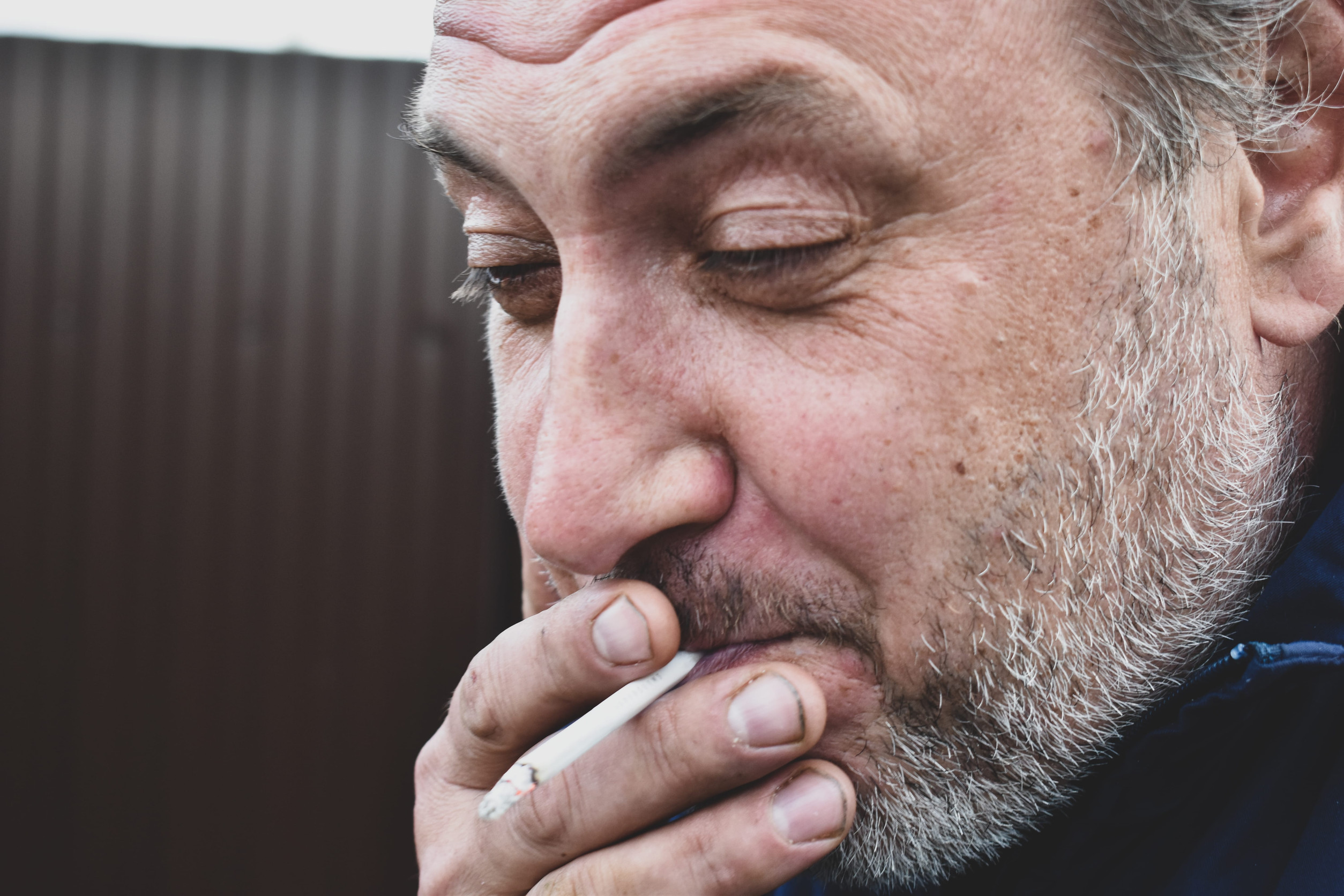
Smoking is one of the clearest examples of an everyday habit associated with a shorter lifespan. Some people continue smoking because they feel healthy and have not experienced any obvious problems. Unfortunately, feeling fine does not mean the damage is not happening.
A 2013 study published in the New England Journal of Medicine examined more than 202,000 American adults and recorded 15,715 deaths. Researchers found that current smokers had approximately three times the all-cause mortality rate of people who had never smoked.
The study also found that persistent smokers lived more than 10 years less, on average, than never-smokers.
The encouraging news is that quitting can make a difference even after years of smoking. A 2024 study published in NEJM Evidence, involving approximately 1.48 million adults, found that the benefits of quitting became apparent within fewer than three years.
If you smoke, seeking help to quit is one of the most valuable steps you can take for your long-term health.
Spending Most of Your Day Sitting Down
Between office work, driving, watching television, and scrolling through social media, it is surprisingly easy to spend most of the day sitting.
The problem is that prolonged sitting often goes hand in hand with insufficient physical activity.
A 2016 study published in The Lancet examined more than one million adults. Researchers found that people who sat for more than eight hours daily and had the lowest physical activity levels had a 59% higher estimated mortality hazard than highly active people who sat for fewer than four hours.
Interestingly, the study also found that people who sat for long periods but maintained high physical activity levels did not show a statistically significant increase in mortality.
This means you do not necessarily need to abandon your desk job. Take short walking breaks, stretch between tasks, and look for opportunities to move throughout the day.
Consistently Sleeping Too Little

Do you regularly sacrifice sleep to finish work, watch another episode, or spend extra time on your phone? You might want to reconsider that routine.
Sleep is an important part of everyday life, yet many people treat it as something they can easily borrow from whenever their schedules become busy.
A 2025 meta-analysis published in GeroScience found that short sleepers had a 14% higher estimated mortality hazard than people who slept about seven to eight hours.
However, the studies used different definitions of short sleep, often around six to seven hours or less. The 14% figure should therefore not be interpreted as an exact risk for everyone sleeping fewer than six hours.
The National Institute on Aging recommends approximately seven to nine hours of sleep for adults.
Try keeping regular sleep hours, creating a relaxing bedtime routine, and reducing screen use before bed. Persistent sleep difficulties may also deserve a conversation with a healthcare professional.
Drinking Sugary Beverages Every Day

That soda with lunch or sweetened drink during your afternoon break might seem like a small pleasure. But when sugary beverages become an everyday routine, your overall consumption can add up.
A 2019 study published in Circulation followed 118,363 American adults for up to 34 years. Researchers recorded 36,436 deaths during the study.
Compared with people who consumed fewer than one sugar-sweetened beverage per month, those who drank at least two servings daily had a 21% higher estimated all-cause mortality hazard.
This does not mean that 21% of people who drink two sodas daily will die early. It is a statistical association between consumption patterns and mortality.
Still, cutting back is a practical place to start. Replace some sugary drinks with water, unsweetened sparkling water, or unsweetened beverages.
Eating Too Many Ultra-Processed Foods
Convenience foods can make life easier, especially with a demanding work schedule. However, relying heavily on packaged snacks, sugary drinks, processed meats, and ready-to-eat meals may affect the overall quality of your diet.
A September 2026 meta-analysis published in Family Medicine and Community Health examined 51 prospective cohorts involving approximately 8.8 million participants across different health outcomes.
Its mortality analysis included nine cohorts and approximately 400,000 participants. Researchers found that people with the highest ultra-processed food consumption had an 18% higher estimated all-cause mortality hazard than those with the lowest consumption.
The researchers rated the mortality evidence as low certainty, so the findings should be interpreted cautiously. Not every packaged food is automatically unhealthy, and different products have different nutritional qualities.
A sensible approach is to make whole foods a regular part of your meals. Vegetables, fruits, beans, nuts, and whole grains are practical options to include more often.
Drinking Too Much Alcohol Regularly
For some people, having a drink after work or enjoying several glasses over the weekend becomes part of their normal routine.
However, regularly consuming large amounts of alcohol is associated with increased mortality risk.
A 2023 systematic review published in JAMA Network Open analyzed 107 cohort studies involving approximately 4.8 million participants.
Researchers found that consuming 45 to 64 grams of alcohol daily was associated with a 19% higher all-cause mortality risk compared with lifetime nondrinkers. At 65 grams or more daily, the estimated risk was 35% higher.
The review also found no statistically significant mortality benefit from low-volume drinking.
Pay attention to how much you actually consume rather than simply describing yourself as a social drinker. Tracking your intake, scheduling alcohol-free days, and seeking support when necessary are useful starting points.
Allowing Social Isolation to Become Normal
Enjoying your own company is perfectly normal. However, regularly withdrawing from meaningful relationships or having very little social contact can be a different matter.
A 2023 meta-analysis published in Nature Human Behavior examined 90 prospective cohort studies involving more than 2.2 million adults.
Researchers found that social isolation was associated with a 32% higher all-cause mortality risk, while loneliness was associated with a 14% higher risk.
These are different experiences. Social isolation involves limited social contact, while loneliness describes the emotional distress of feeling disconnected from others.
You do not need hundreds of friends to maintain meaningful relationships. Regularly checking on family members, meeting friends, joining community activities, or participating in shared-interest groups can help strengthen your social connections.
Avoiding Physical Activity
Being busy does not necessarily mean you are physically active. You might spend an entire day working, completing household responsibilities, and running errands without getting enough purposeful movement.
A 2023 review published in the British Journal of Sports Medicine examined physical activity research covering more than 30 million participants across several health outcomes.
Its mortality analysis included more than 811,000 deaths. Compared with inactivity, approximately 150 minutes of moderate-to-vigorous physical activity weekly was associated with a 31% lower all-cause mortality risk.
The good news is that exercise does not have to mean expensive gym memberships or complicated workout routines.
Walking, cycling, dancing, swimming, and other activities count. The World Health Organization recommends 150 to 300 minutes of moderate aerobic activity weekly, alongside muscle-strengthening activities on at least two days.
Start with what you can manage and gradually build a routine you enjoy.
Neglecting Your Oral Health
Brushing your teeth might seem like a small part of your morning and evening routine, but oral health deserves more attention than simply keeping your smile attractive.
Periodontal disease, commonly known as gum disease, has been associated with increased mortality in several observational studies.
A 2023 meta-analysis published in PLOS ONE examined 12 studies focusing on all-cause mortality and reported a pooled 31% higher mortality risk among people with periodontal disease.
However, this does not prove that forgetting to floss directly increases your risk of dying by 31%. Gum disease can also share risk factors with other conditions, including smoking and metabolic disease.
Brush regularly, clean between your teeth, and seek dental care when possible. Persistent gum bleeding, swelling, or discomfort should not be ignored.
Allowing Psychological Distress to Go Unaddressed
Work pressures, financial difficulties, relationship problems, and family responsibilities can make life stressful. Everyone experiences difficult periods, but persistent psychological distress deserves attention.
A 2012 study published in the BMJ examined 68,222 English adults over an average of 8.2 years. Researchers found that higher psychological distress scores were associated with increased all-cause mortality.
Importantly, the study measured psychological distress rather than people’s ability to manage everyday stress. It does not prove that failing to meditate or practice relaxation techniques directly causes early death.
Nevertheless, looking after your emotional well-being matters. Make time for enjoyable activities, maintain supportive relationships, and seek professional help when distress becomes difficult to manage.
Ignoring Long-Term Exposure to Air Pollution
Not every factor associated with early death is something you can control. Your surroundings can also influence your long-term health.
Air pollution, particularly exposure to fine particles known as PM2.5, has been associated with increased mortality.
A 2017 study published in the New England Journal of Medicine examined more than 60 million American Medicare beneficiaries. Researchers found that each 10 micrograms per cubic meter increase in annual PM2.5 exposure was associated with a 7.3% higher all-cause mortality rate.
The study focused primarily on an older population, and its findings should not be treated as an exact prediction for every individual.
Although avoiding outdoor pollution is not always possible, you can follow local air-quality guidance, avoid heavily trafficked routes when practical, and improve indoor ventilation when outdoor conditions allow.
Small Everyday Changes Can Make a Difference
The biggest lesson from this research is that longevity is influenced by more than genetics and luck. Everyday routines, including how much we move, what we eat, how we sleep, and whether we maintain meaningful relationships, can all matter.
A 2018 study published in Circulation examined more than 123,000 adults and found that people with five low-risk lifestyle factors had substantially lower mortality rates than those with none. Researchers estimated a difference in remaining life expectancy at age 50 of 14 years for women and 12.2 years for men.
These figures were modeled from observational research, not guaranteed extra years for anyone who changes five habits.
You do not have to change everything at once. Start by choosing one habit you can realistically improve. Take a daily walk, get to bed earlier, reduce sugary drinks, or reconnect with someone you have not spoken to in a while.
The goal is not to live perfectly. It is to build healthier routines that you can maintain for years to come.