Five more states are lined up to change what SNAP cards can buy at the checkout in early 2027. Wyoming goes first on February 1, Kansas and Missouri follow on February 15, and Hawaii and Ohio start on April 1, 2027, according to the federal list of approved state waivers updated on Nov. 12, 2026.
Each state picked its own list of off-limits items, so a can of soda or a candy bar that rings up fine in one state may be refused just across a state line. Below is what each of the 5 states plans, and what shoppers and store clerks can expect.
The 5 states and their start dates
The U.S. Department of Agriculture’s page of SNAP food restriction waivers lists the approved plans state by state, with dates and items. For the five states starting next, it shows:
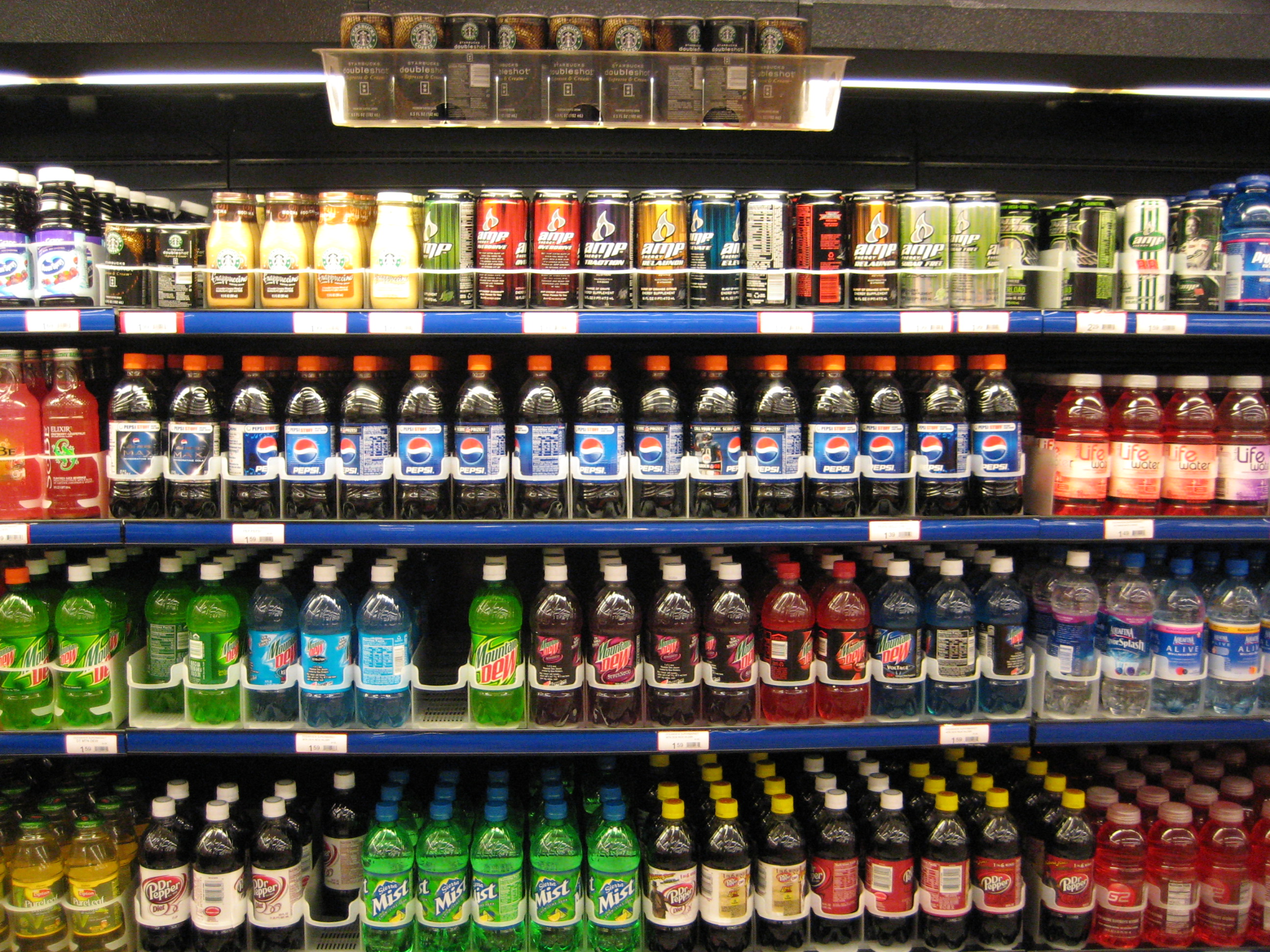
- Wyoming, February 1, 2027: sweetened, carbonated beverages.
- Kansas, February 15, 2027: candy and soft drinks.
- Missouri, February 15, 2027: candy, prepared desserts and certain beverages.
- Hawaii, April 1, 2027: soft drinks.
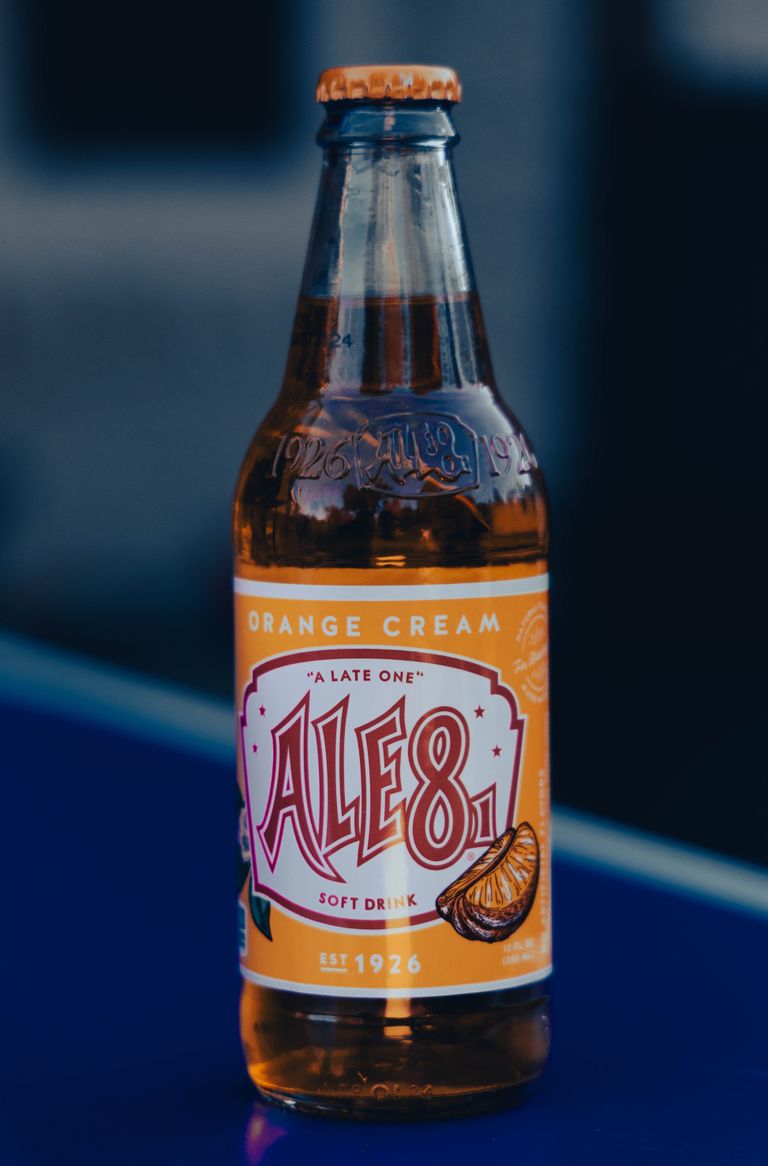
- Ohio, April 1, 2027: sugar-sweetened beverages and all fountain drinks.
Ohio’s start has moved before. The National Association of Convenience Stores, in its state-by-state tracker last updated Sept. 24, 2026, listed the Ohio plan as delayed at the request of the federal agency with no new date. The USDA’s November update now gives April 1, 2027. The Kansas, Ohio and Wyoming plans were among four waivers the USDA approved in early March 2026, Grocery Dive reported, alongside Nevada’s.
Missouri’s plan is the broadest of the group because it reaches into the bakery case. Prepared desserts can include items such as packaged cakes and pastries, depending on how the state defines them. Ohio’s inclusion of all fountain drinks reaches the self-serve soda machines found at gas station counters.
Other dates on the calendar
These five are not the only changes on the way. The same USDA list shows Nebraska adding candy to its restricted items on March 1, 2027, on top of a soda and energy drink limit that begins Dec. 1, 2026. Nevada has a later target of Feb. 1, 2028, for candy and sugar-sweetened beverages.
Twelve states already started earlier: Arkansas, Florida, Idaho, Indiana, Louisiana, Oklahoma, Texas and Utah earlier in 2026, then Montana, North Dakota, South Carolina and Virginia on Nov. 1, 2026. The USDA page lists 23 states in all. Four of them, Colorado, Iowa, Tennessee and West Virginia, are shown as vacated under a June 22, 2026, federal court order, so their restrictions may not move forward.
Families that live near a state line are likely to notice the patchwork first. For households already watching hidden fees that still catch households off guard, a refused item at the register is one more small surprise to plan around.

What SNAP still covers everywhere
Outside those state lists, the national rules stay the same. The USDA’s guide to eligible food items says SNAP covers fruits and vegetables, meat, poultry and fish, dairy, breads and cereals, snack foods and non-alcoholic beverages, plus seeds and plants that grow food for the household. It has never covered alcohol, tobacco, hot foods at the point of sale, or nonfood items such as pet food and paper goods.
That means flour, sugar, butter and baking chocolate stay on the eligible list in every state, including the five starting next year. Home bakers who make their own holiday cookies and cakes can still buy the ingredients with SNAP, even in Missouri, where prepared desserts are on the list. Shoppers who want more ideas for stretching a grocery budget can find some in this roundup of wallet-friendly life hacks.
According to background on the program, about 36.6 million people were enrolled in May 2026, and benefits are loaded onto an EBT card that works at grocery stores, convenience stores and other approved retailers. The program was called the Food Stamp Program until the 2008 farm bill renamed it.
What stores have to sort out
The change lands hardest on checkout systems. The convenience store association says most states have not handed retailers a clear, ready-to-use list of restricted products, so stores have to decide item by item what qualifies. It says retailers have had to update point-of-sale systems and shelf labels and train staff, and that a store can lose its SNAP authorization after two violations.
For shoppers, that can mean a split transaction: SNAP pays for the eligible groceries, and a second payment covers anything on the state’s list. Store clerks in the five states will likely start flagging items in the weeks before each start date. Keeping a short list of what is changing, the same way some households keep track of things that are actually getting cheaper, can make the first few trips easier.
By the 2027 holiday season, menus will show the change too. A Thanksgiving table built around scratch cooking, like the stuffing that tops side-dish lists in 38 states, uses ingredients that stay SNAP-eligible, while a bottle of soda for the table may not, depending on the state. Those planning ahead can also look at quick ways to save money before the new rules arrive.
Dates to keep handy
For quick reference, the USDA list as of Nov. 12, 2026, shows Wyoming on Feb. 1, 2027; Kansas and Missouri on Feb. 15, 2027; Nebraska’s added candy limit on March 1, 2027; Hawaii and Ohio on April 1, 2027; and Nevada on Feb. 1, 2028. Dates have shifted before, so state SNAP offices and the USDA page are the places to confirm before each start.
This article was produced with AI assistance and edited for accuracy against the sources linked above.
Image: SMC at English Wikipedia – Public domain/Wikimedia Commons