Somewhere in the back of nearly every refrigerator door sits a bottle of dressing with a crusty cap and a mystery start date. It came out for one big salad night, went back in the door, and has been riding along ever since, past several grocery runs and at least one holiday.
A storage chart from Kansas State University’s extension service finally puts numbers on it: bottled salad dressing keeps 10 to 12 months unopened in the cupboard, but only 3 months after opening, and it belongs in the refrigerator once the seal is broken. Dressing made from a dry mix has the shortest window of all, at just 2 weeks in the fridge.
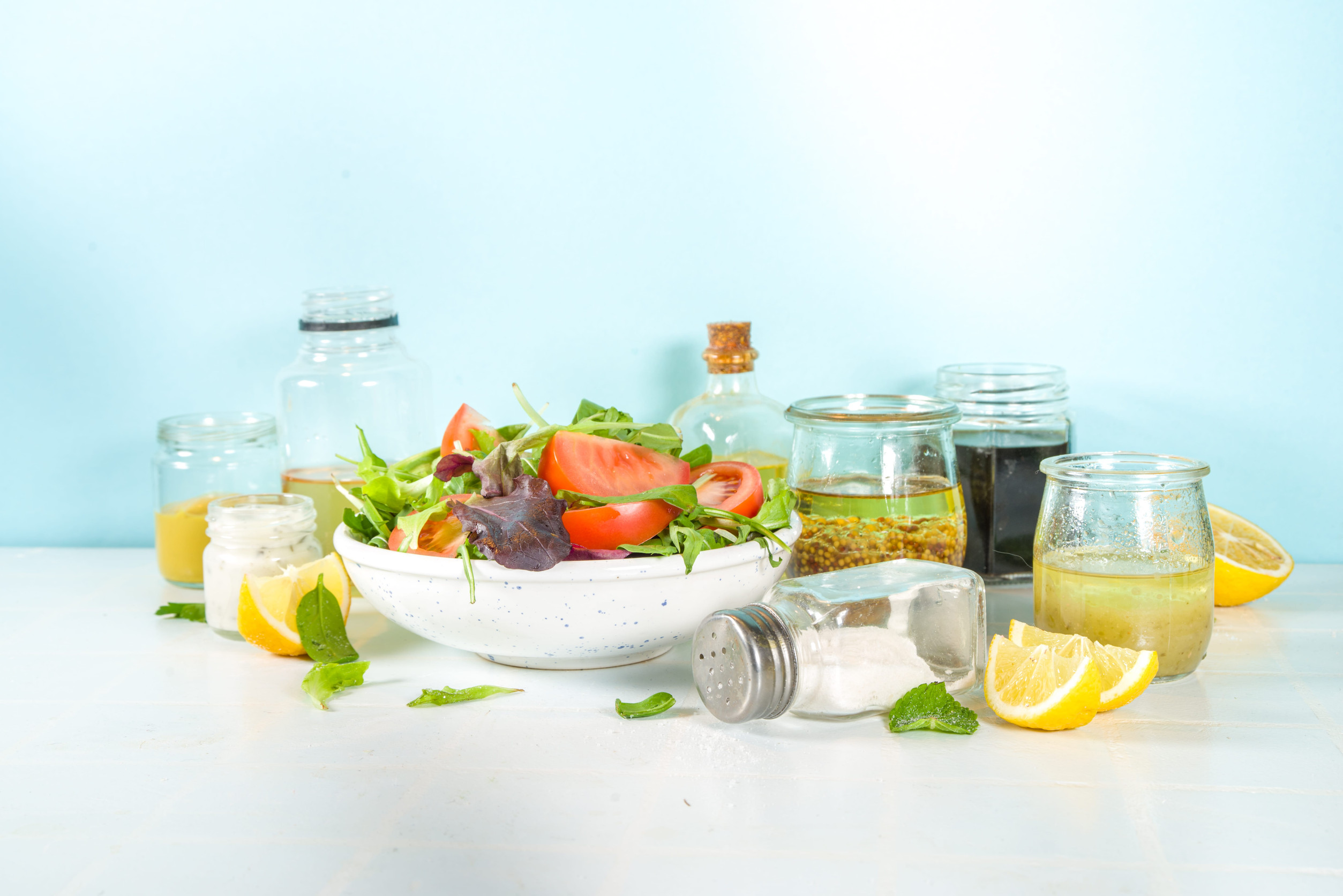
10 to 12 months on the shelf while the bottle stays sealed
The numbers come from K-State Research and Extension’s “Safe Food Storage: The Cupboard” fact sheet, revised in June 2026 by extension associate Karen Blakeslee. The chart lists storage times at 70°F, an ordinary room-temperature pantry, and puts unopened bottled salad dressing at 10 to 12 months.
That long run is possible because a sealed commercial bottle counts as a shelf-stable product. The U.S. Department of Agriculture’s Food Safety and Inspection Service describes shelf-stable foods as those that can be safely stored at room temperature, “on the shelf.” The fact sheet’s general advice applies here too: store foods in a cool, dry, dark spot away from the stove and the sun, check the dates on packages, and use the oldest products first.
For a pantry that holds a backup bottle of Italian or Thousand Island for months at a time, that first-in, first-out habit matters more than any single date. A tidy shelf system, like the ones in these kitchen organization ideas, makes it easier to spot the oldest bottle and reach for it first.
3 months in the fridge once the cap comes off
Breaking the seal changes everything. The K-State chart drops opened bottled dressing to 3 months and adds a plain instruction in its comments column: refrigerate after opening. The same 3-month figure shows up in the FoodKeeper storage brochure, which lists commercial bottled salad dressings at 10 to 12 months in the pantry and 3 months in the refrigerator after opening.
FoodKeeper itself is a federal tool. FoodSafety.gov’s FoodKeeper app was developed by the Food Safety and Inspection Service with Cornell University and the Food Marketing Institute, and it is free on Android and Apple phones for anyone who wants to look up a jar on the spot.
Three months goes faster than it sounds. A bottle opened for a Thanksgiving salad on Nov. 26 would reach its 3-month mark in late February, well before most households finish a family-size bottle of blue cheese. A strip of masking tape and a marker on the cap solves the guesswork, and the pre-holiday fridge and freezer checks before the big Thanksgiving grocery run are a natural time to do it. Dressing is one of many items people keep stocked in the refrigerator, and it is easy to lose track of when each one was opened. Timeless Dishes has also covered opened jars and condiments that belong in the fridge.
Dressing made from a mix lasts only 2 weeks
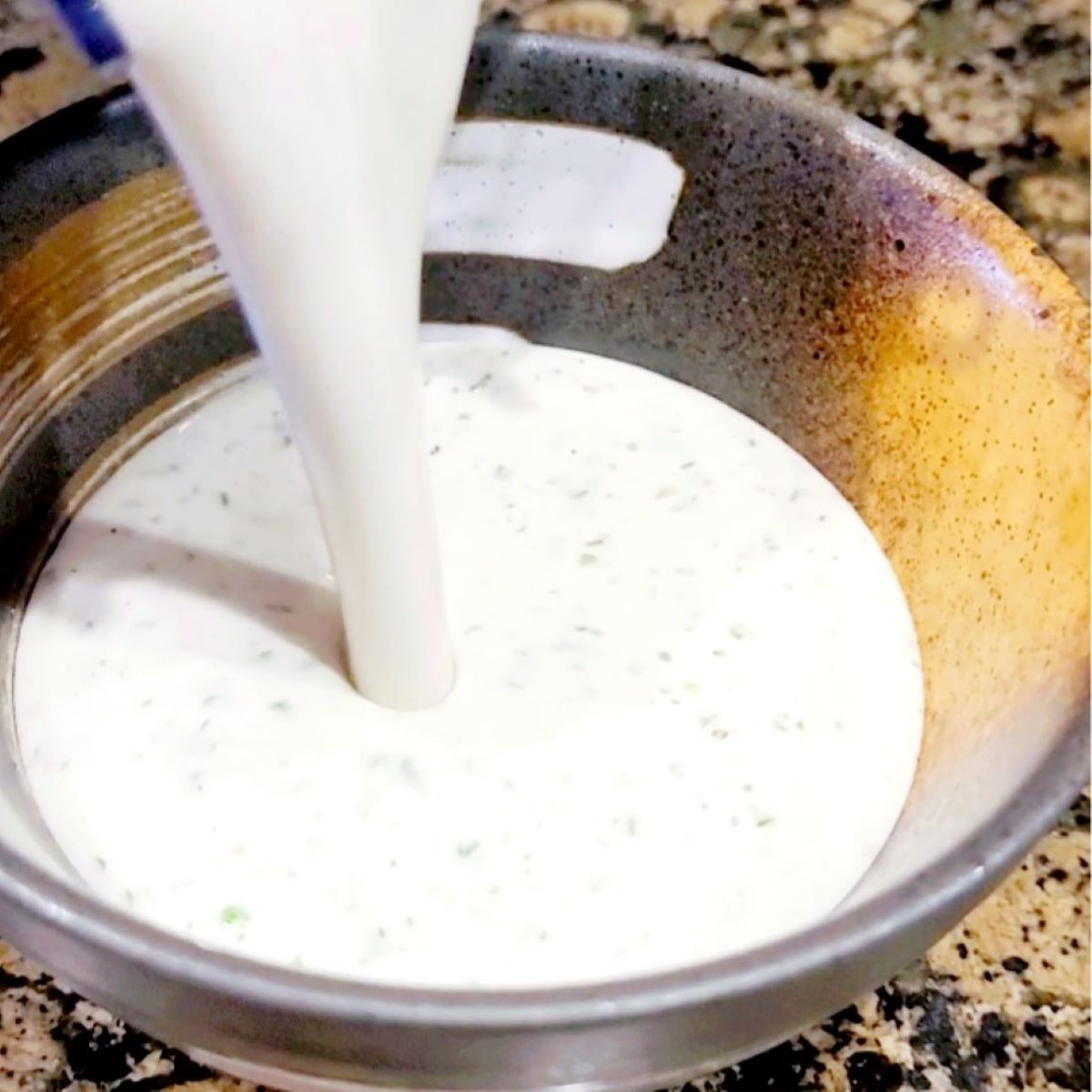
The shortest line in the dressing section belongs to the packet. Dressing made from a mix keeps just 2 weeks, according to the K-State chart, which adds: refrigerate prepared dressing. Once the dry seasoning meets mayonnaise, buttermilk or sour cream at home, the result no longer has the long shelf life of a factory-sealed bottle.
Mix packets have a long history in American kitchens, right alongside the other convenience foods that filled mid-century American kitchens. Ranch dressing traces back to Steve Henson, a plumbing contractor who created the recipe in the early 1950s to feed his work crews in Alaska. He later bought a guest ranch near Santa Barbara, renamed it Hidden Valley Ranch, and by 1957 was selling packages of dressing mix. His mail-order business was thriving by the mid-1960s, the same era that gave the country the slang in this blast from the swinging ’60s.
Ranch has been the best-selling salad dressing in the U.S. since 1992, when it overtook Italian, and the packet versions stayed a pantry fixture for decades. The catch is the 2-week clock: a big batch stirred up for a party should be finished within that window or tossed.
How dressing compares with the rest of the door shelf
The same cupboard chart offers useful company for the dressing bottle. Unopened mayonnaise keeps 3 to 4 months in the cupboard, with a note to refrigerate after opening and check the package date. Vinegar, the backbone of every vinaigrette, lasts 2 years with the bottle kept tightly covered, and the chart notes a slightly cloudy look does not affect quality. Jellies and jams keep 6 to 18 months, refrigerated after opening.
The FoodKeeper brochure fills in the refrigerator side. Opened commercial mayonnaise gets 2 months, opened ketchup, cocktail or chili sauce 6 months, opened bottled barbecue sauce 4 months, and opened mustard 12 months. Against that lineup, opened salad dressing sits in the middle at 3 months, shorter than ketchup and mustard but longer than mayonnaise.
A quick door-shelf sweep before a big grocery trip is a good moment to check those dates and clear out anything past its window.
Reading the dates without wasting a good bottle
Storage charts like these describe how long a food holds its best quality under normal conditions, not a hard switch on a set day. The K-State fact sheet closes its general advice with a simple rule for anything questionable: “When in doubt, throw it out.” A dressing that has separated and will not mix back together, smells off, or shows mold belongs in the trash no matter what the calendar says.
The practical takeaways are short. Keep sealed bottles in a cool, dark cupboard and use them within 10 to 12 months. Move a bottle to the fridge the day it is opened and plan to finish it within 3 months. Plan on packet dressing as a 2-week project. And buy the size the household will actually finish; a giant bottle that ends up in the trash at month four is no bargain.
This article was produced with AI assistance and edited for accuracy against the sources linked above.