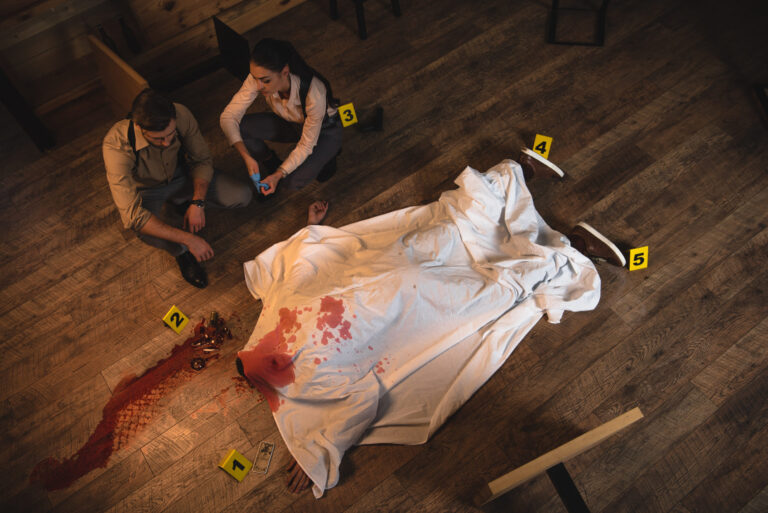
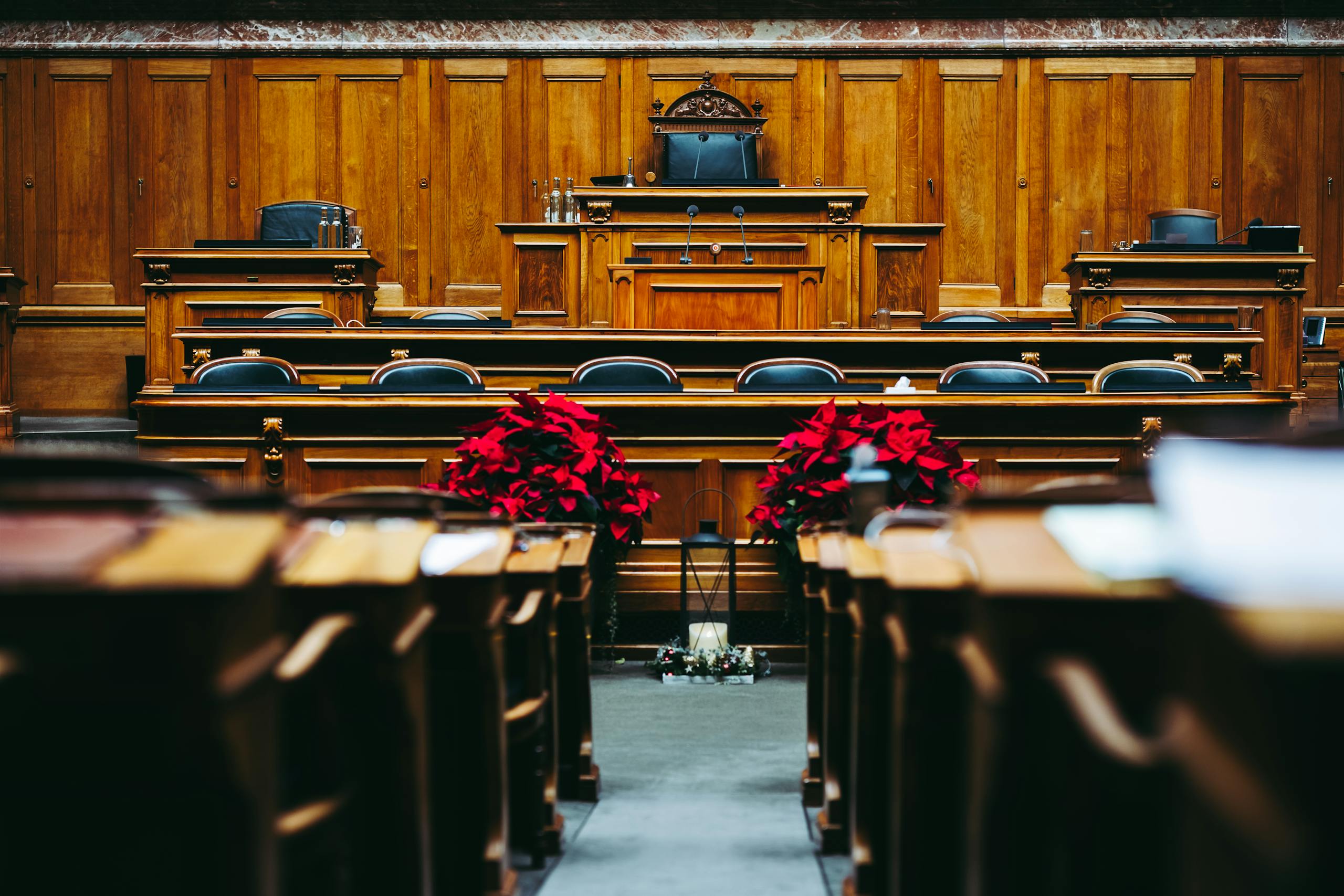
The courtroom was quiet in a way that no concert ever had been.
No bass. No crowd roar. No stage presence, cutting through the noise. Just the sound of a sentence being delivered that would formally close one of hip-hop’s most turbulent public chapters.
Michael Lawrence Tyler, known to millions as Mystikal, was sentenced to 20 years in prison after pleading guilty to third-degree rape in Louisiana. The ruling ends a legal process that stretched across years and reopens long-standing questions about fame, accountability, and how public figures are judged when the spotlight fades into a courtroom.
For an artist once known for explosive energy and a dominant voice in Southern hip-hop, the final moment carried a very different tone: finality.
A Southern Hip-Hop Star Built on Energy, Chaos, and Momentum
Before court records and legal filings defined his public identity, Mystikal was a force in music.
Emerging during the rise of New Orleans rap in the late 1990s, he became one of the most recognizable voices of a generation that pushed Southern hip-hop into the mainstream. His delivery was fast, aggressive, and unmistakable. His presence was designed for impact, not subtlety.
At his commercial peak, Mystikal helped define a sound that dominated clubs, radio stations, and award stages. His music captured the raw intensity of an era when Southern rap was breaking through national barriers and forcing the industry to take notice.
But even as the music career accelerated, his public life became increasingly defined by legal controversy. Over time, the narrative around him shifted from chart performance to court appearances, from hit singles to headlines tied to criminal cases.
The 2022 Case That Reached Its Breaking Point in Court
The case that led to his 20-year sentence began in 2022 in Ascension Parish, Louisiana.
Prosecutors alleged that a woman accused Tyler of attacking her at his home, triggering a series of felony charges that included first-degree rape. At that stage, the case carried the most severe possible consequences under Louisiana law, including a potential life sentence if convicted at trial.
As the legal process unfolded, the case shifted away from trial and toward negotiation. Eventually, Tyler entered a guilty plea to third-degree rape as part of a deal that resolved the more serious charges.
The plea agreement capped the sentence at 20 years in prison. It also eliminated the uncertainty of a jury trial, replacing it with a defined sentencing range that ultimately became the focus of the court’s final decision.
When the judge delivered the sentence, it matched the highest term allowed under the agreement.
Inside the Courtroom: A Victim’s Voice That Became Central
While celebrity cases often orbit around the public figure, the sentencing hearing shifted attention elsewhere.
The woman at the center of the case delivered a detailed statement describing the alleged assault and its aftermath. She told the court about physical violence and lasting emotional impact, urging the judge to impose the maximum sentence permitted under the plea agreement.
Her testimony became one of the most consequential moments of the hearing. It reframed the proceedings from a discussion about fame and legal strategy into something more direct: a survivor speaking to the court about harm and accountability.
In many high-profile cases, victim statements can be overshadowed by media focus on the defendant’s career. In this courtroom, however, her voice played a defining role in shaping the final outcome.
The judge ultimately agreed with the request for maximum sentencing under the plea deal.
A Failed Legal Push to Undo the Guilty Plea
In the days leading up to sentencing, Mystikal’s defense team attempted to withdraw the guilty plea.
They argued that he had not fully understood the consequences of the agreement and suggested that emotional distress influenced his decision when it was entered into. The request effectively sought to reopen the case and reset it toward trial.
The court rejected the motion.
With that decision, the plea remained valid, and the sentencing process moved forward without revisiting the original charges or evidence. That ruling was critical because it removed the last procedural path that could have altered the outcome.
Once the plea stood, the only remaining question was the length of the sentence within the agreed limits.
A Criminal History That Has Followed Him for Decades
This was not Mystikal’s first encounter with the criminal justice system.
In the early 2000s, he served a prison sentence after a sexual battery conviction, a case that also required him to register as a sex offender. That conviction marked an early turning point in his career, interrupting his rise during a period when his music was gaining national traction.
In the years that followed, he remained a public figure but one frequently associated with legal controversy. Some later allegations did not result in convictions, but they contributed to a broader public perception that never fully separated his music from his legal history.
By the time of the 2022 case, that background had already shaped how many observers viewed him, even before any new verdict was reached.
The Collapse of a Comeback Narrative
Mystikal’s career is also a study in interrupted momentum.
Unlike artists whose legal issues come after retirement, his case unfolded during and after active phases of his career. Attempts at musical comebacks were repeatedly complicated by new legal developments, making sustained resurgence increasingly difficult.
At his peak, industry observers saw him as part of a defining Southern rap wave that reshaped mainstream hip-hop. But over time, the comeback narrative gave way to something more fragmented: brief returns overshadowed by court proceedings.
The 20-year sentence effectively ends any remaining expectation of a traditional career revival. Even in a music industry that often embraces second chances, the length of the sentence places him far outside the usual cycle of return tours, collaborations, or late-career reinventions.
Fame, Accountability, and the Limits of Public Memory
Cases involving celebrities often create tension between cultural memory and legal reality.
Fans remember songs, performances, and eras. Courts focus on evidence, testimony, and legal agreements. Those two perspectives rarely align neatly, especially when a public figure’s legacy spans both artistic achievement and criminal allegations.
Mystikal’s sentencing clearly highlights that divide. The courtroom did not weigh his music catalog or cultural impact. It evaluated a guilty plea and imposed a sentence within the legal framework of that agreement.
Outside the courthouse, however, the legacy conversation will likely continue in a very different language, one shaped by nostalgia, controversy, and the difficulty of reconciling the two sides of public life.
A Final Chapter Written Outside the Stage Lights
There will be no encore for this chapter.
No tour announcement. No comeback album rollout. No stage return framed as redemption. Instead, the story now moves into a different timeline entirely, one measured in prison years rather than album cycles.
Mystikal’s name once belonged to a moment in Southern hip-hop when energy, experimentation, and regional sound collided with mainstream attention. Today, it belongs to a court record in Louisiana and a sentence that closes off nearly every remaining path back to that world.
What remains is not performance, but permanence.
And in that permanence, the music becomes something else entirely: memory, separated from the man who made it.