The cooler by the register at a gas station or grocery store is usually packed with tall, brightly colored cans promising a long day’s worth of caffeine. In a growing number of states, shoppers paying with SNAP benefits now have to leave those cans on the shelf or pay for them another way.
Six states now name energy drinks among the items SNAP benefits cannot buy. Montana, North Dakota and South Carolina started their limits on Nov. 1, 2026, while Louisiana began Feb. 18, Florida on April 20 and Arkansas on July 1, 2026, according to state-by-state lists from Newsweek and the U.S. Department of Agriculture. Nebraska has a Dec. 1 energy drink limit planned, but the state says its waiver is still pending federal approval.

How the 6 states got here
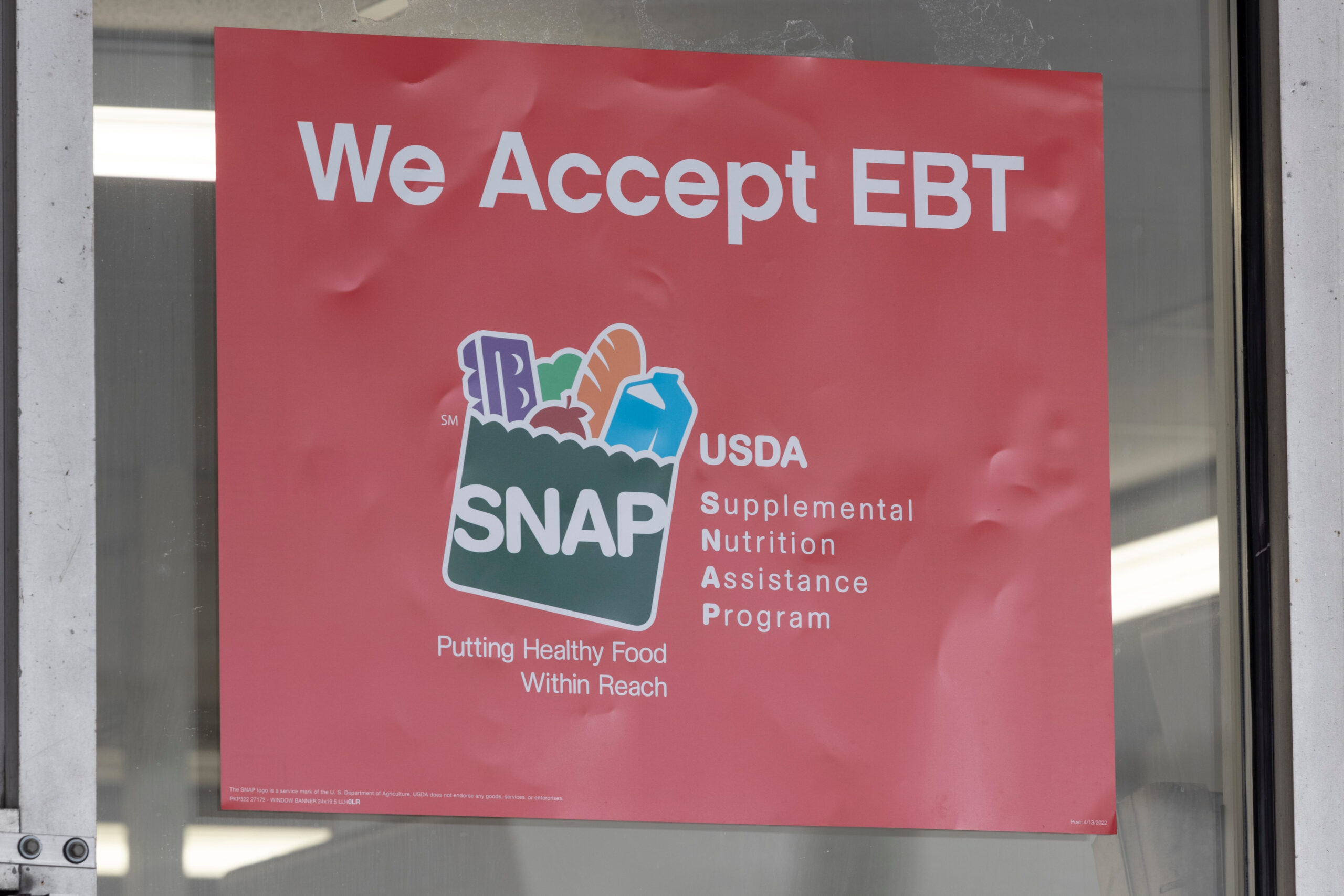
SNAP, the federal food assistance program once known as food stamps, is funded largely by the federal government but run by the states. A state that wants to change which items count as eligible has to ask the USDA for a waiver. The USDA’s SNAP food restriction waiver page, updated Nov. 12, 2026, lists each approved state with its start date and a short summary of what it covers.
Many states on that list target soda, candy or “sweetened” drinks in general. The 6 states in this roundup are the ones whose rules name energy drinks outright as their own category. In the other states, a sugary energy drink may still be caught by a broader sweetened-drink rule, so shoppers there should check their own state’s definitions. The changes come as the program itself is shrinking in some places; this report on nearly 5.5 million fewer Americans receiving SNAP lays out the numbers.
For households already stretching a monthly benefit, every change at the register adds up; these frugal living tips and this guide on how to save money fast cover the everyday side of that math.
Montana, North Dakota and South Carolina: Nov. 1, 2026
The newest group started Nov. 1. In Montana, SNAP can no longer be used for candy, high-sugar beverages, energy drinks and shelf-stable prepared desserts, according to Montana’s state SNAP page. Montana defines an energy drink as a beverage with more than 6 milligrams of caffeine per fluid ounce, or more than 140 milligrams per container, plus at least one added stimulant such as taurine, guarana, ginseng or yerba mate. Coffee and tea drinks are not counted as energy drinks. The prepared dessert piece of the rule is covered in this look at Florida, Missouri and Montana’s dessert limits.
North Dakota’s rule covers sweetened beverages, energy drinks and candy. Its state human services page describes energy drinks, shots and drink mixes with 65 milligrams or more of caffeine per 8 ounces, or added stimulants such as guarana, taurine or ginseng. The state also says out-of-state SNAP shoppers buying in North Dakota must follow North Dakota’s rules.
South Carolina’s version, run by the state Department of Social Services, excludes candy, energy drinks, soft drinks and sweetened beverages. Newsweek reported that the Nov. 1 start went ahead despite a June court ruling that struck down similar waivers in 5 other states.
Road-trippers will notice the difference first at highway stops, where energy drinks line the coolers next to the snacks; anyone mapping out a long drive can see which roadside stops are worth skipping in this list of the worst American tourist attractions.
Louisiana, Florida and Arkansas started earlier in 2026
Louisiana was the earliest of the 6. Since Feb. 18, 2026, SNAP households there have not been able to use benefits for soft drinks, energy drinks or candy, including gum and mints, according to Louisiana’s state SNAP waiver page. The state defines energy drinks as carbonated or non-carbonated beverages with a stimulant such as added caffeine, guarana or taurine, made to raise energy or alertness.
Florida’s limit took effect April 20, 2026. The state’s Department of Children and Families lists 4 categories that SNAP no longer covers: soda, energy drinks, candy and ultra-processed shelf-stable prepared desserts. Montana shares that dessert category, and Missouri plans to add it in 2027.
Arkansas started its rule on July 1, 2026. According to the USDA’s waiver summary, it covers soda, fruit and vegetable drinks with less than 50% natural juice, energy drinks, other sweetened drinks and candy. Arkansas’s juice cutoff means some fruit-flavored drinks that look like juice also fall outside SNAP there.
Nebraska is next, if approved
Nebraska plans to drop soda, soft drinks and energy drinks from SNAP on Dec. 1, 2026, with candy following on March 1, 2027. But Nebraska’s state waiver page says the waiver is still pending USDA approval, and Newsweek reported on Nov. 6 that it was awaiting a federal decision. Until that approval is posted, the Dec. 1 date is a plan, not a rule.
Nebraska was also one of the 5 states whose earlier waivers were struck down by a federal judge in June, along with Colorado, Iowa, Tennessee and West Virginia, Newsweek reported. Tennessee’s plan had also named energy drinks, but the USDA’s page notes it cannot proceed under that ruling.
What SNAP shoppers in these states can still buy
The limits are narrower than they might sound. Montana’s page notes that plain or naturally flavored water, artificially sweetened beverages, milk and milk substitutes, and drinks with more than 50% fruit or vegetable juice are still eligible there. North Dakota keeps 100% juice, plain seltzer, milk and baby formula on the list.
The practical step is simple: before heading to the register, check the state agency’s page for its exact definitions, since a can that rings up in one state may be refused in the next. Energy drinks can still be bought in all 6 states, just not with SNAP benefits.
This article was produced with AI assistance and edited for accuracy against the sources linked above.