Dried fish is one of those pantry items that seems like it could sit on a shelf forever, tucked in a cupboard for soups, stir-fries or a salty snack with rice. That long shelf life is exactly why a package can linger in a kitchen for months after it was bought.
Prime Food Processing LLC of Brooklyn, New York, is recalling 225 cases of 7-ounce “Dried Herring Fish,” lot code 25180, sold to Asian grocery stores in 28 states, according to a notice the U.S. Food and Drug Administration posted on Nov. 23, 2026. The company says the fish was not adequately eviscerated, meaning the insides were not fully removed, which raises the chance of Clostridium botulinum contamination.

The recalled package: item AF4110, lot 25180
The FDA company announcement describes one product. Shoppers should check their pantry for a package that matches these details:
- Product: Dried Herring Fish, sold with no brand name
- Item number: AF4110
- Lot code: 25180
- Expiration date: 12.28.27
- Size: 7 oz. (198 g)
- Packaging: clear plastic with blue trim
Because the product carries no brand name, the item number, lot code and expiration date are the surest way to tell whether a package in the cupboard is part of the recall. The long expiration date, more than a year out, means many packages are likely still sitting in kitchens. Recalls like this one are a good reason to run through these fridge and freezer checks before a big grocery run, when old packages are easiest to spot. Other recent food pulls, such as this Kayem Foods meat recall, have followed the same check-the-label, return-for-refund pattern, and for anyone keeping track of household spending, getting money back on a pantry item is one of the small wins covered in these frugal living tips.
The 28 states where it was sold
According to the FDA notice, the dried herring went to Asian grocery stores in these 28 states: Alabama, Arkansas, California, Colorado, Florida, Georgia, Hawaii, Idaho, Illinois, Indiana, Kansas, Massachusetts, Maryland, Michigan, Minnesota, Missouri, North Carolina, New Jersey, Nevada, New York, Ohio, Oklahoma, Oregon, Tennessee, Texas, Utah, Washington and Wisconsin.
That covers both coasts and a long stretch of the South and Midwest, so a package bought on a trip or picked up by a relative in another state could still end up in a home outside that list. The notice was also carried on the FDA’s food safety recalls feed the same day.
Herring has a long history on holiday tables, from Scandinavian smorgasbords to the Polish Christmas Eve supper, and the season is full of food customs that surprise outsiders, as this list of odd American traditions that confuse the rest of the world shows.
Why uneviscerated fish is a problem
Evisceration is the step of removing a fish’s internal organs before it is dried, salted or smoked. The FDA notice explains that selling uneviscerated fish is prohibited under New York State Agriculture and Markets regulations, because Clostridium botulinum spores are more likely to be concentrated in the organs than anywhere else in the fish.
The issue turned up during routine testing by the New York State Department of Agriculture and Markets, the state agency that oversees food processing, labeling and food safety. The recall began after the product was selected and sent for regulatory testing, and a follow-up investigation traced the problem to an imported product made in Vietnam. The company said no reports tied to the product have come in so far.
Rules on how fish must be prepared before sale differ from place to place, much like the surprising laws and rules about food in other countries that catch travelers off guard.
What to do with a recalled package
The company’s instructions are simple. Anyone who bought the dried herring should return it to the store where it was purchased, along with the uneaten fish and the packaging, for a full refund. The FDA notice does not say to eat, cook or otherwise use the product, so the safest move is to set it aside and bring it back.
Keeping the original package matters here, since the company asks for the packaging to come back along with the uneaten fish, and the lot code and expiration date printed on it are what tie a package to this recall. The notice does not say a receipt is required.
Who to call with questions
Consumers with questions can reach Prime Food Processing LLC at 718-963-2323, Monday through Friday, 9 a.m. to 5 p.m. Eastern time, according to the FDA. The agency also keeps a running list of recalls, market withdrawals and safety alerts that is updated as new notices come in.
Dried fish in the pantry
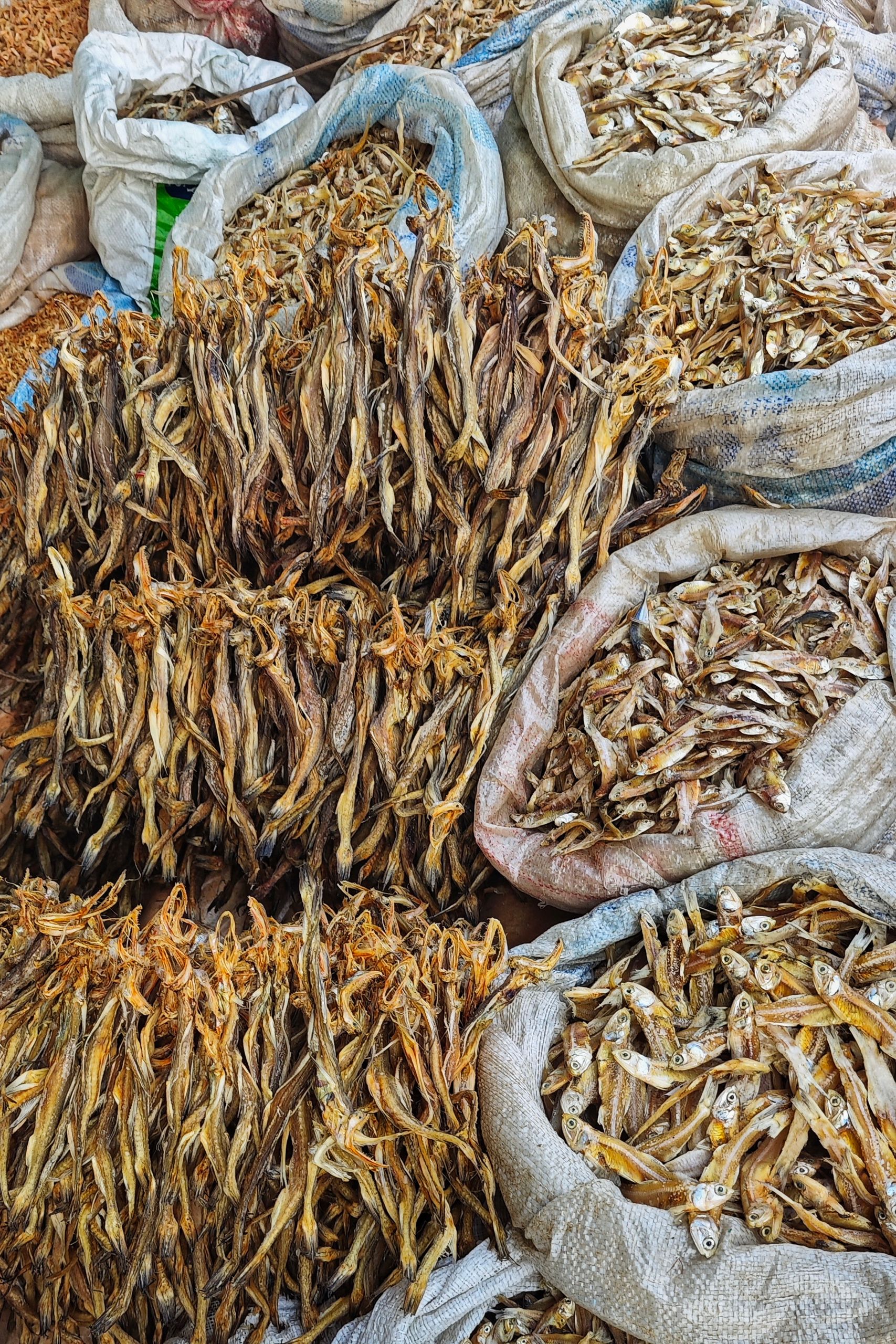
Drying is one of the oldest ways to keep fish, and dried fish can keep for years, which is why it shows up in so many cuisines and so many pantries. Herring is a natural fit: Atlantic herring is one of the most abundant fish species in the world, found in large schools on both sides of the northern Atlantic, and it has been dried, salted and smoked for generations.
For fresh and frozen seafood, the FDA’s seafood buying and storage guide recommends buying fish that is kept refrigerated or on a thick bed of fresh ice, skipping frozen packages that are open, torn or crushed at the edges, and refrigerating seafood at 40°F or below if it will be used within 2 days. For this particular dried herring, though, the only step needed is checking the lot code and taking it back.
This article was produced with AI assistance and edited for accuracy against the sources linked above.