Most teenagers learn to cook a holiday meal by watching a parent or grandparent at the stove. A group of high school culinary students in New York’s Hudson Valley took a much bigger first step this month, cooking for hundreds of older neighbors they had never met.
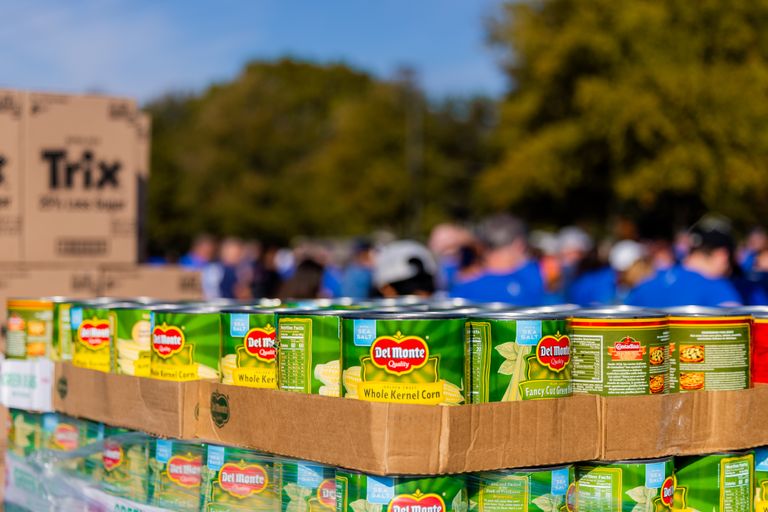
Dozens of culinary students at Orange-Ulster BOCES in Goshen prepared 1,000 Thanksgiving meals for seniors as part of the Regional Food Bank’s holiday distribution on Saturday, November 21, WAMC Northeast Public Radio and Radio Catskill reported on November 19. The meals, including a big batch of stuffing, went to senior citizen residences as part of what the food bank called the nation’s largest single-day Thanksgiving meal distribution.

1,000 meals from a high school kitchen
According to the WAMC report by Kimberly Izar of Radio Catskill, the work happened on the Orange-Ulster BOCES campus in Goshen on Tuesday, November 17. Prep tables were covered with cutting boards and plates, every burner was lit, and pots of water were at a rolling boil as the students worked through the order.
The goal was 1,000 meals for seniors, delivered as part of the food bank’s Thanksgiving effort. BOCES, short for Boards of Cooperative Educational Services, are regional agencies in New York that share programs such as career and technical training among school districts, as the background on BOCES explains. According to WAMC, Orange-Ulster BOCES serves more than 2,300 students from 17 districts and schools in Orange and Ulster counties.
Its culinary arts program teaches students the basics of soups, entrees and desserts in a fast-paced industrial kitchen, the station reported. Preparing a holiday dinner at this scale is a long way from the clever kitchen tricks home cooks rely on for a family of six, and the students had to plan for it from the start.
The trickiest part: stuffing for a crowd
About a dozen of the students were assigned to stuffing, the side dish that anchors so many Thanksgiving plates. A Middletown High School student working on that station told WAMC that the hardest part was managing the boiling water. With everyone trying to use the burners at once, she said, the kitchen got cramped and crowded, so the team had to work around each other’s timing, keep their spacing and juggle several pots while the water and seasonings came to a boil. The fix was teamwork: careful scheduling of who used which burner and when, so that every tray of stuffing came together on time for packing and delivery.
That is a familiar problem in any home kitchen on Thanksgiving morning, multiplied many times over. Stuffing, or dressing, varies widely across American regions, from cornbread versions in the South to bread-and-sage styles in the Northeast. Holiday dishes like this one are part of the odd American traditions that confuse the rest of the world, and for many of the seniors receiving these meals, the flavors call back decades of family dinners and the foods from the ’60s most boomers loved.
Cooking for a large group also comes with food safety rules. The federal FoodSafety.gov safe minimum temperature chart lists 165°F for stuffing, casseroles and reheated leftovers, a useful number for any cook turning out a big batch.
The idea started in August
Culinary instructor Casey Posadas told WAMC that the student-led project had been in the works since August. As soon as Posadas brought the idea to the rest of the culinary team, the instructor said, the team was immediately on board and wanted to take part.
School projects like this one tend to stick with students long after graduation. Other community groups took on similar work this season, including Las Vegas police officers who packed Thanksgiving meals for more than 600 families, as craftingyourhome.com reported, and a Georgia mother who planned to start cooking at 5 a.m. on Thanksgiving to feed hundreds for free in a tire shop parking lot.

A distribution meant to reach 100,000 people
The students’ meals were one piece of a much larger operation. Bill Fioravanti, executive vice president of the Regional Food Bank, told WAMC that the November 21 distribution was expected to reach 100,000 residents across 23 counties in New York. In the Hudson Valley alone, the food bank expected to serve about 40,000 residents at 15 distribution sites, including in Sullivan, Orange, Ulster and Dutchess counties.
Fioravanti described families forced to choose between feeding their households, buying gas, keeping the lights on or getting something special for their children, and said demand was as high as ever. The distribution started at 10 a.m. on a first-come, first-served basis, with meals also delivered directly to senior residences, according to the station’s report, which Radio Catskill also published.
What the students take away
For the teens at Orange-Ulster BOCES, the project offered something a classroom recipe cannot: the pressure of a real deadline, a real crowd and real people waiting on the food. Learning to share a crowded stovetop, keep a dozen cooks in sync and turn out the same dish 1,000 times are the skills that carry into restaurant kitchens and catering jobs.
For the seniors who received those meals the weekend before Thanksgiving, the result was simpler. It was a holiday meal, stuffing included, cooked by young people in their own corner of New York who spent their week helping more neighbors sit down to a Thanksgiving dinner.
This article was produced with AI assistance and edited for accuracy against the sources linked above.
Image: John Freeman – CC BY 2.0/Wikimedia Commons