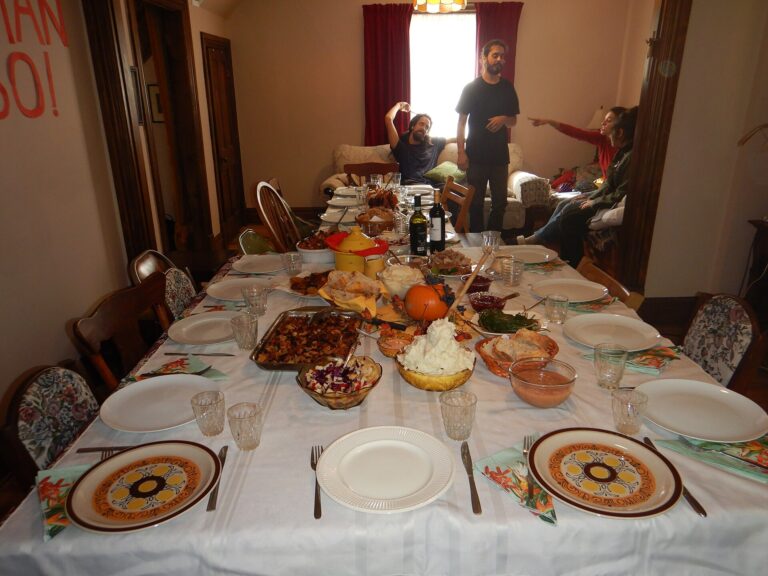
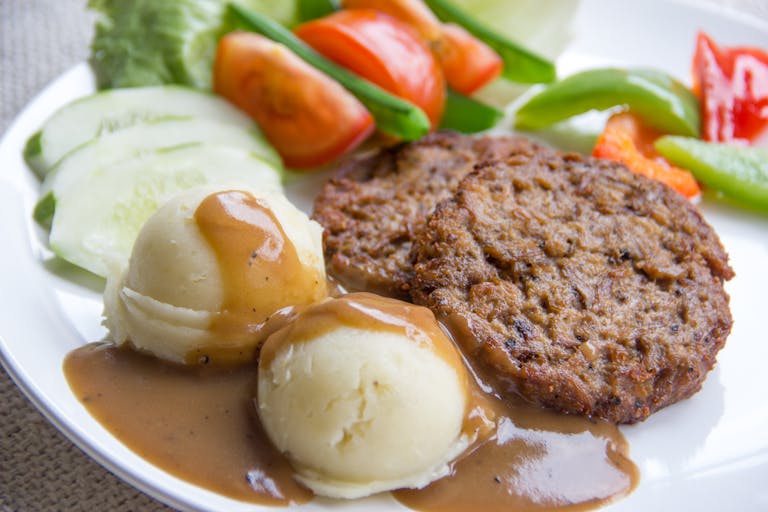
Somewhere between soccer practice, late shifts and a phone buzzing beside every plate, the old-style family dinner has become a little harder to pull off. Plenty of households still try, though, and some of the rules grandparents swore by are getting a second look.
A Nov. 26 list from YourTango names 8 old-fashioned dinner rules families keep, from thanking the cook even when the meal is not a favorite to keeping TV and phones off until everyone is done. Writer Zayda Slabbekoorn rounds them up with input from psychotherapist F. Diane Barth, and most of them cost nothing but a little consistency.
1. Family Meals at Home Come First
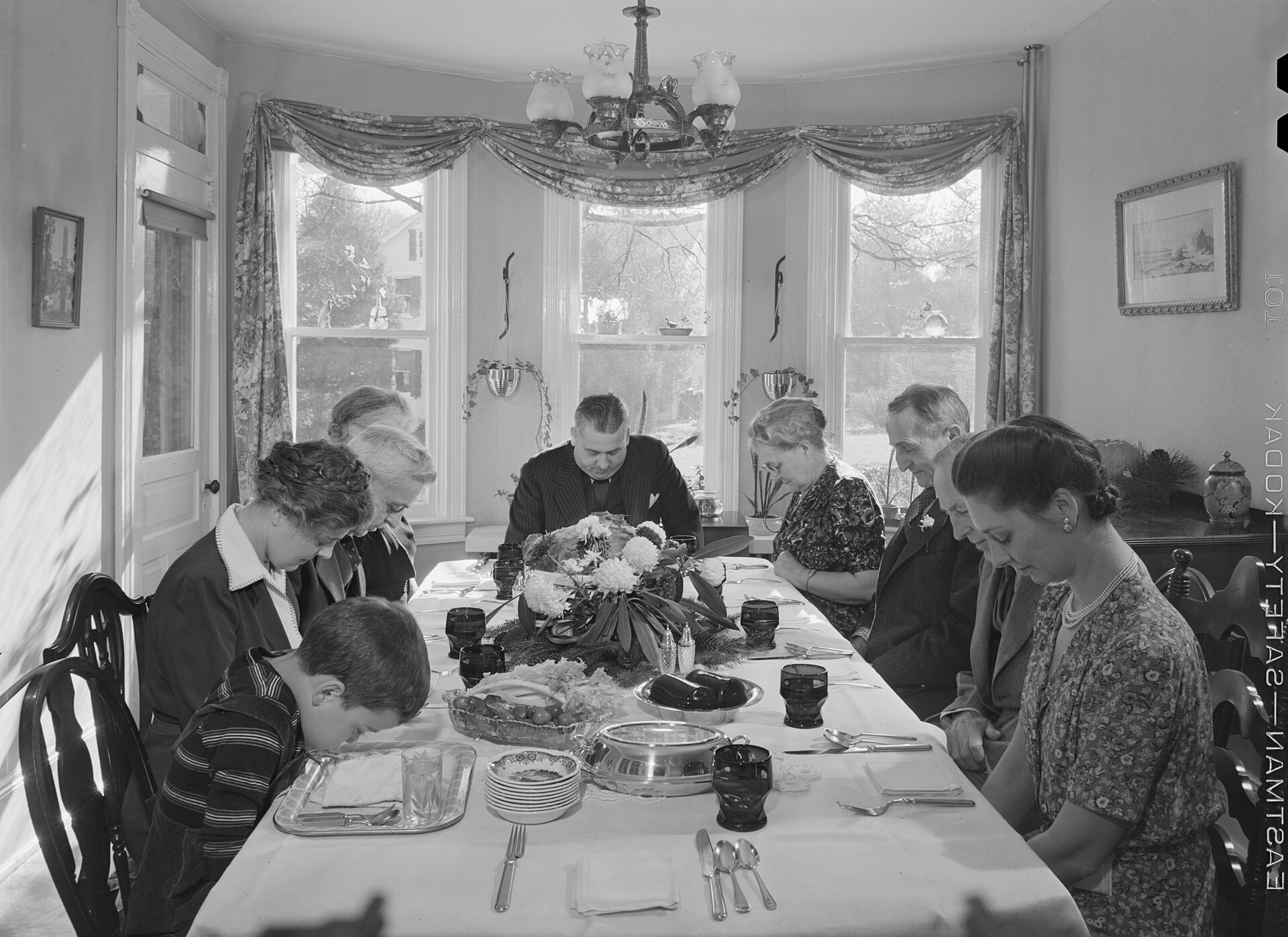
The first rule in the YourTango piece is the simplest: even on busy nights, or when siblings are bickering, families who keep this rule make an effort to get everyone to the table. The point is time together, not a perfect meal.
Barth adds a welcome dose of realism. In her view, families do not need the pressure of a nightly sit-down dinner. She suggests starting smaller, by bringing one habit, such as telling stories, to an occasional meal, even when only part of the family is home. Groups like The Family Dinner Project make the same pitch, built around “food, fun and conversation,” with a nightly dinner idea and a budget program for making a week of dinners for less than $7 per person. Households that already manage it tend to share a few routines, like the ones in this look at 4 habits of families that eat a weekly dinner together.
2. Everyone Has a Job at Mealtime
YourTango points back to kids of the 1960s, 1970s and 1980s, who often had a set role at home and knew better than to wander off from the kitchen table without helping clear it. That generation’s slang may have faded, as this roundup of 1960s slang words shows, but the after-dinner chore list stuck around in many homes.
The jobs can be small: setting forks, filling water glasses, scraping plates or loading the dishwasher. Some families find the cleanup goes faster when it happens right away, a habit shared by the people in this list of people who wash the dishes right after dinner.
3. TV and Phones Stay Off Until Everyone Is Done
This is the rule most likely to start an argument in 2026. YourTango cites research in the Journal of Experimental Social Psychology finding that phones at the dinner table can make a shared meal less enjoyable and get in the way of face-to-face conversation. Etiquette guides land in the same place: the Wikipedia overview of table manners notes that phones are generally kept on silent and out of sight, and that a diner who must take a call should excuse themselves and step away.
Plenty of other once-standard rules have quietly faded, as this list of 15 old-school etiquette rules that have disappeared lays out. The no-screens rule is one many families are trying to bring back.
4. ‘Please’ and Thanks Instead of Reaching
The fourth rule covers basic manners: asking for the potatoes to be passed instead of stretching across a sibling’s plate. YourTango cites experts at Michigan State University, who note that every family’s idea of good manners looks a bit different, but kids still have to learn them somewhere. Etiquette writers quoted in the Wikipedia entry on American etiquette draw a line between etiquette, the memorized protocol, and manners, which they describe as an expression of care for other people’s feelings. The broader guide to North American table manners notes that the same habits matter well beyond home, at business meals with clients and co-workers, which makes the family table a good place to practice them.
These customs can look a little formal to visitors, much like the other American traditions that confuse the rest of the world, but “pass the rolls, please” travels well.
5. Try Something New, Without the Pressure
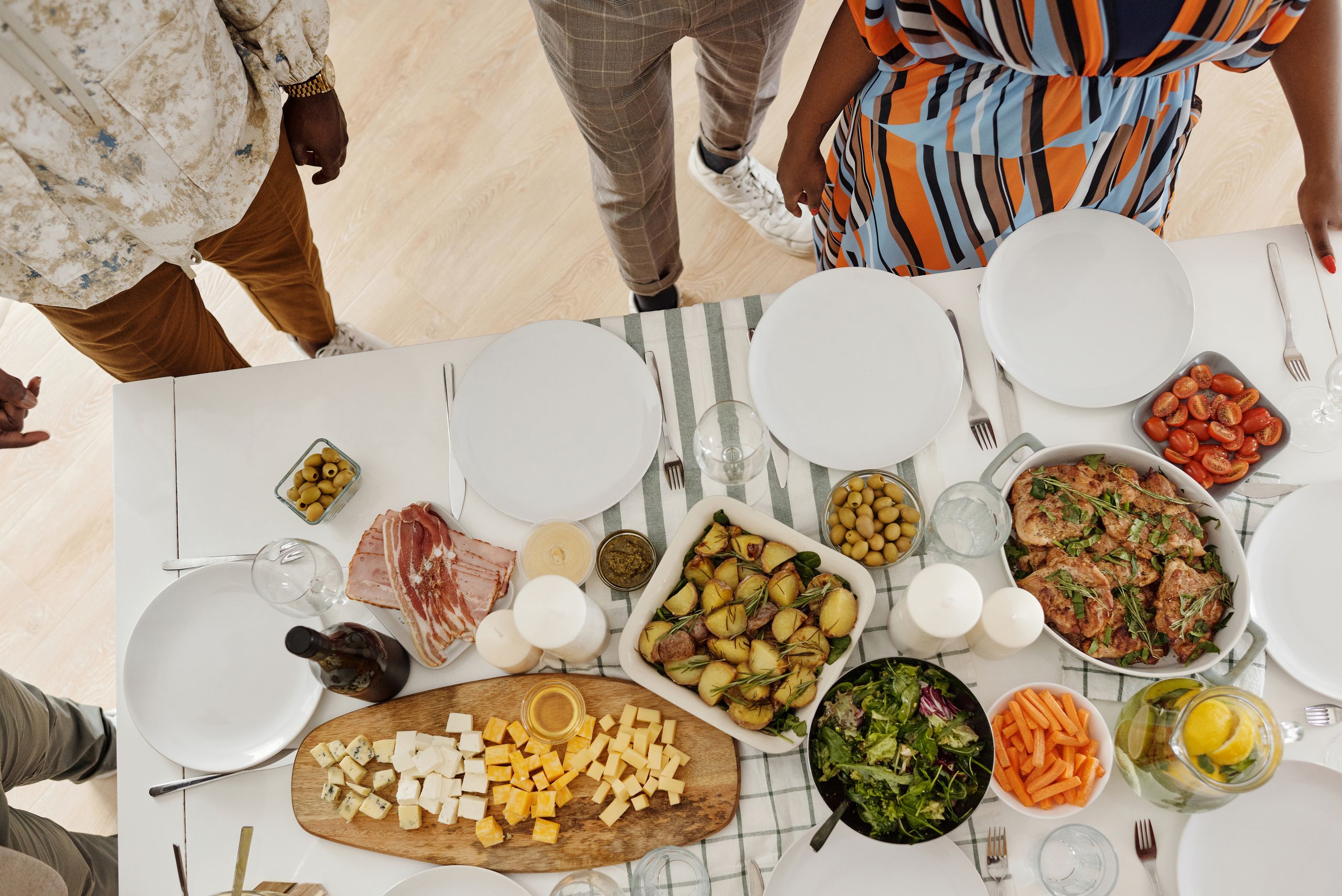
Instead of the old “clean the plate” order, YourTango’s version asks kids to try a bite of something new, with no pressure to like it. Parents who take a spoonful of the unfamiliar dish themselves set the tone. A child who tries roasted Brussels sprouts and decides against them has still followed the rule.
6. Thank the Cook, Even When It Is Not a Favorite
This is the rule that grandparents tend to remember most. When someone has spent an hour making dinner, the first comment at the table should not be a complaint. In YourTango’s telling, a child who dislikes the meal is not forced to finish it, but is still expected to thank the cook. It is the same courtesy guests show a holiday host, and it costs almost nothing.
7. A Well-Rounded Plate, Without Judgment
The seventh rule keeps the focus on a varied, everyday family meal rather than on any one food. In YourTango’s framing, good parents do not judge what anyone puts on their plate or turn dinner into a lecture about it. In practice, that looks like a few dishes on the table, everyone serving themselves, and no commentary on second helpings.
8. Kids Help Make the Meal
The final rule may be the most practical. Even if children are not cooking the whole dinner, YourTango says giving them a real job in the kitchen builds a sense of ownership and responsibility. Young kids can wash produce or stir a pot; older ones can follow a recipe start to finish. The payoff shows up years later, when a young adult in a first apartment can put together a meal without calling home.
Why These Rules Keep Coming Back
None of the 8 rules requires a fancy table or a big budget. They ask for time, a few chores and some patience, which may be why they keep resurfacing every holiday season. For families who see each other most at Thanksgiving and Christmas, even one or two of them, such as phones off and a word of thanks for the cook, can change the feel of the meal.
This article was produced with AI assistance and edited for accuracy against the sources linked above.