A holiday grocery run can easily stretch a receipt past the length of a forearm, and few shoppers read every line before leaving the store. New York’s attorney general says that habit is worth changing this season.
In a Nov. 24, 2026, consumer alert, Attorney General Letitia James told holiday shoppers to check their receipts and make sure the prices charged match the prices on the shelf. She noted that New York law requires stores to charge the lowest advertised, written, posted or marked price, and that state and local rules require stores to score at least 98% on price-accuracy inspections.
The Lowest Posted Price Is the Price
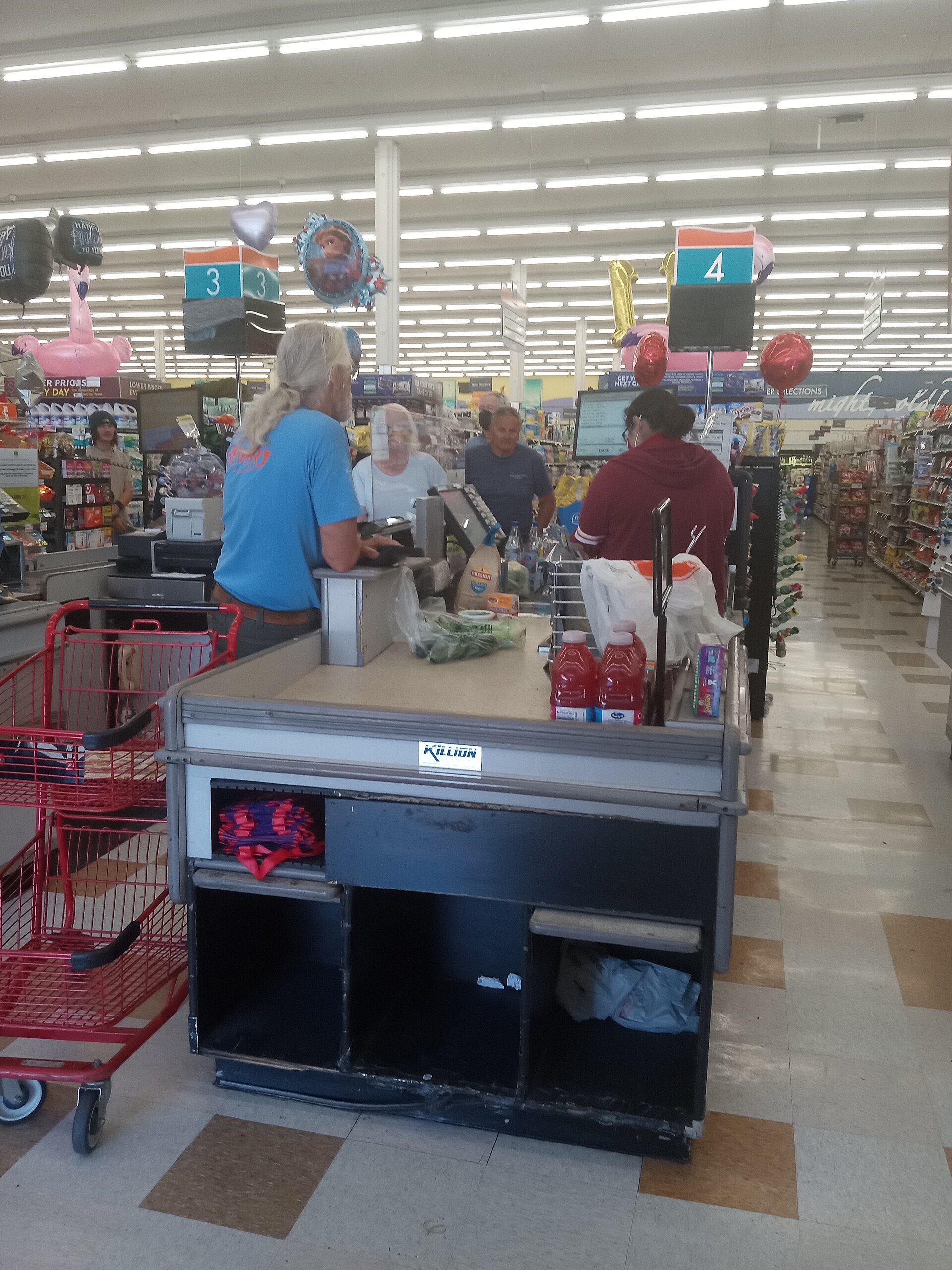
According to the attorney general’s release, New York law requires retail stores to make sure the price charged for an item is equal to the lowest advertised, written, posted or marked price offered. In grocery terms, if the shelf tag says a can of cranberry sauce is $1.99 and the register rings it up at $2.49, the shelf price is the one the store is supposed to honor.
That rule matters most in the busiest weeks of the year, when sale tags change often, endcaps fill with holiday baking supplies and digital coupons pile up. Shoppers who build careful lists, like those described in this look at people who write a grocery list before every trip, are already halfway there, since they know what each item should cost.
What the 98% Score Means
The 98% figure comes from price-accuracy inspections done by weights and measures officials. James’ alert says state and local laws require stores to score at least 98% on those inspections. The national model for these checks is Section V of NIST Handbook 130, published by the National Institute of Standards and Technology, which sets out how inspectors test price accuracy in stores.
Under that procedure, an inspection must reach 98% accuracy or higher to pass. On a 100-item sample, that means at most two errors. NIST’s procedure counts both overcharges, where the register price is higher than the lowest posted price, and undercharges, where it is lower, although it says intentional undercharges the store can document do not count as errors.
Weights and measures work has a long history. As Wikipedia’s overview of weights and measures explains, standard units and official oversight help buyers and sellers trust the measurements behind every sale. Today that oversight extends to the scanners at the checkout.
How Scanner Errors Happen
Packaged grocery items ring up through a barcode. According to Wikipedia’s entry on the Universal Product Code, the UPC identifies a product, and the store’s own system supplies the price. That means a mismatch typically comes from a shelf tag or sale price that was not updated in the system, not from the barcode itself.
Holiday weeks bring more of those changes: weekly circulars, loyalty-card prices, multi-buy deals and seasonal markdowns. A quick scan of the receipt before leaving the parking lot can catch a sale price that did not ring up.
Holiday meat and deli counters add another wrinkle. Wikipedia notes that items such as meats, fresh fruit or vegetables that are packaged in the store get a store-assigned item number, with part of the code carrying either the weight or the price. A spiral ham, a wrapped wedge of cheese or a tray of cut fruit priced by weight at the counter is worth matching against the label, since a wrong weight or price on the sticker carries straight through to the register. The same goes for a turkey breast or a party tray ordered ahead for pickup. Frugal shoppers who use tactics like these clever frugal living tips can add a receipt check to the routine.
What to Do About an Overcharge
The attorney general’s guidance is straightforward: consumers who believe they were charged more at the register than the price marked elsewhere in the store should file a complaint with her office. New Yorkers can file a complaint online, and the office’s consumer helpline is 1-800-771-7755.
Shoppers can often settle a single mistake at the customer service desk first, with the receipt and a photo of the shelf tag in hand. A pattern of overcharges, though, is exactly what inspections and complaints are meant to catch. Rules vary by state, so shoppers outside New York should check their own state’s consumer protection office.
Pay-Later Loans, Subscriptions and Fee-Padded Websites
The receipt tip was one of the tips in James’ Nov. 24 alert. She also urged shoppers to read buy-now-pay-later loan terms carefully, to review subscription renewal and cancellation terms, which New York law requires to be clearly disclosed, and to be wary of “bargain” websites that add hefty delivery, processing or subscription fees. She warned about emails promising “Free Gift Cards” or “Exclusive Holiday Deals,” which are often phishing attempts, and advised comparing prices across retailers when shopping online.
Big holiday shopping trips are part of the season’s rhythm, one of the American traditions that confuse the rest of the world. A minute spent reading the receipt is a small habit that protects the grocery budget, much like the steady routines of people who never let leftovers go to waste. Families watching costs closely may also like this list of things that are actually getting cheaper.
This article was produced with AI assistance and edited for accuracy against the sources linked above.