A buffet warmer looks like it is doing its job as long as the food on it feels warm. But “warm” and “hot enough” are not the same thing, and federal food safety guidance draws a firm line between the two.
The U.S. Food and Drug Administration says hot foods on a buffet should be held at an internal temperature of 140°F or warmer, and it warns that some warmers only hold food at 110°F to 120°F. Before the holiday party, the agency says, hosts should check the product label to make sure a warmer can actually reach 140°F.

The 110°F to 120°F Warning
The warning appears in the FDA’s consumer guide Serving Up Safe Buffets, under a section called “Take Temperatures.” The agency says to serve or keep food hot in chafing dishes, slow cookers and warming trays, then adds a caution: be aware that some warmers only hold food at 110°F to 120°F, so check the label to confirm the warmer can hold foods at 140°F or warmer.
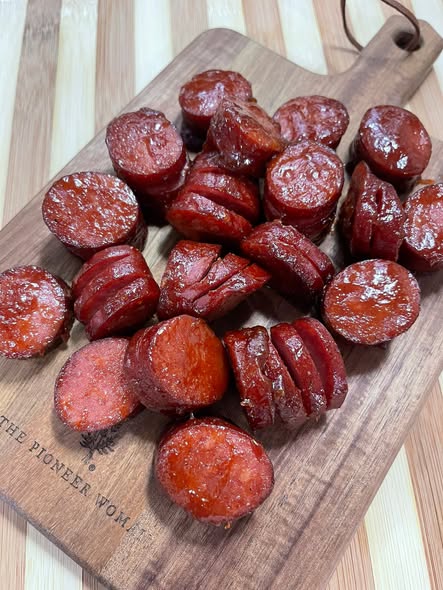
That gap matters because food at 110°F still feels pleasantly warm on the plate. A dish of meatballs or a tray of mac and cheese can seem fine to guests while sitting well below the temperature the FDA sets for hot holding. The only way to know is a food thermometer, the agency says.
140°F Is the Line for Hot Party Food
The FDA’s guide is direct: hot foods should be kept at an internal temperature of 140°F or warmer. The University of Nebraska-Lincoln’s holiday food safety tips use the same number, telling hosts to keep cooked foods hot at 140°F or higher with chafing dishes, slow cookers and warming trays on the buffet table.
The FDA’s wider guidance places the temperature range between 40°F and 140°F as the zone where food safety problems build quickly, which is why hot food needs to stay above it and cold food below it. A holiday spread with several warm dishes, like the classic spreads in these foods many boomers loved, needs equipment that can hold that line for hours.
Long, graze-all-evening holiday open houses are part of what makes American holiday traditions so distinctive, and they are also where warmers get pushed hardest. The cold side of the table has its own number: the FDA says cold foods should stay at 40°F or colder, and the UNL guide suggests nesting cold dishes in bowls of ice or using small trays that are replaced often. Planning both sides ahead is a habit of people who host every year.
Candle Warmers, Electric Trays and Slow Cookers
Buffet warmers come in several styles. According to Wikipedia’s entry on the chafing dish, the classic version is a serving pan on a stand with a burner and fuel beneath it, used to keep buffet dishes warm. Decorative versions sold for home parties often use small tealight candles instead of fuel canisters, and electric warming trays and soup kettles plug into the wall.
The FDA does not name which styles fall short; it simply says to read the label. Utah State University Extension professor Kathleen Riggs offered a practical benchmark in a holiday buffet column: if hot foods are not in a container keeping them steaming hot with electric power, an insulated chest or a canned-fuel burner, it is very difficult to keep them at a safe temperature for more than 30 minutes.
A slow cooker, a countertop electric appliance built to simmer food for hours, is one of the warmers the FDA lists. Many have a “warm” setting meant for holding food after it is cooked. Hosts can check that setting with a thermometer before the party starts, and a countertop roaster or toaster oven like those compared in this guide to freeing up the oven can help keep extra dishes hot.

Heat It First, Then Hold It
Warmers are built to hold heat, not to bring cold food up to temperature. The FDA’s guide says egg dishes, such as quiches or souffles, can be refrigerated and served later but should be thoroughly reheated to 165°F before serving. The UNL guide likewise says cooked leftovers should be reheated to 165°F, measured with a food thermometer, and that sauces, soups and gravies should be brought to a boil.
In practice, that means cooking or reheating each dish fully on the stove or in the oven, then moving it to the warmer to stay at 140°F or above. Hosts who keep extra pans in an oven set to 200°F to 250°F, as the FDA suggests, can swap them onto the warmer as the first round runs low.
A Trial Run Before Guests Arrive
A simple trial run takes the guesswork out. Fill the warmer with a hot dish, let it sit for a while and check the food in a few places with a thermometer. If it settles in the 110°F to 120°F range the FDA warns about, the warmer is better used as a serving piece for room-temperature food, and the hot dishes need another plan.
The fallback is the FDA’s 2-hour rule: perishable food that is not being kept hot or cold should be thrown out after 2 hours at room temperature, or after 1 hour above 90°F. Testing equipment before the doorbell rings saves food that would otherwise end up in the trash, something people who never let leftovers go to waste would appreciate.
This article was produced with AI assistance and edited for accuracy against the sources linked above.