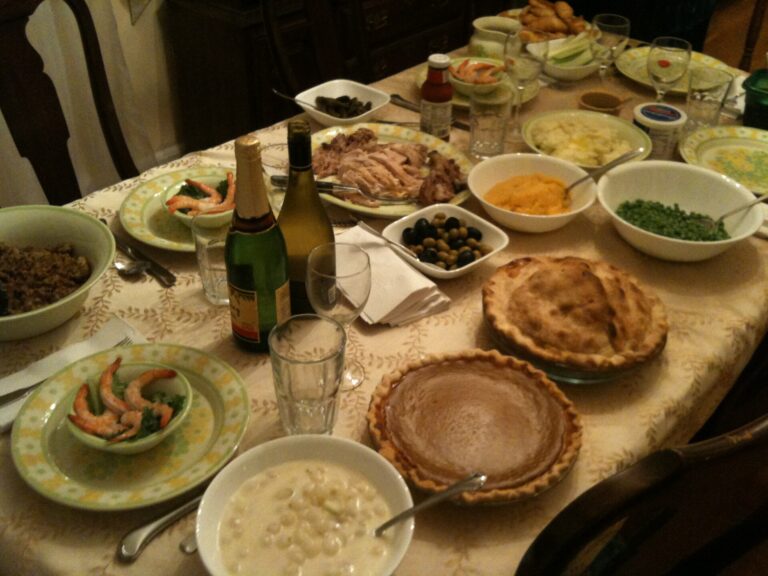
The day after Thanksgiving, millions of people head back to work or out to the stores with a sandwich built from last night’s turkey. It is one of the best meals of the year, but a lunch bag sitting in a warm car or a break room for hours is not the place for it to lose its chill.
The U.S. Department of Agriculture’s Food Safety and Inspection Service says any packed lunch with perishable food needs at least 2 cold sources. Here are the agency’s bag-lunch rules, applied to the leftover turkey sandwich.

Pack 2 Cold Sources, Top and Bottom
The USDA’s guide to keeping bag lunches safe says to pack at least two cold sources with perishable food, whatever kind of bag or box is used. The agency lists two frozen gel packs, each no smaller than 5 by 3 inches, or one gel pack plus a frozen juice box or frozen bottle of water.
Placement matters too. The USDA suggests freezing gel packs overnight and putting one on top of the food and one underneath. A frozen water bottle does double duty: it keeps the turkey cold all morning and is thawed enough to drink by lunch.
The agency also says insulated, soft-sided lunch bags or boxes are best for keeping food cold. A plain paper bag offers little protection on its own, which is why the cold sources matter so much. For anyone stretching the holiday budget into the weekend, packing lunch is one of the easiest wallet-friendly habits that actually make a difference, and it fits neatly with other clever frugal living tips for the most expensive stretch of the year.
Start With Leftovers That Were Chilled Fast
A safe sandwich starts with turkey that went into the refrigerator promptly. The USDA’s leftovers guidance says cooked food should be refrigerated within 2 hours, and large amounts should be divided into shallow containers so they cool quickly.
Cooked poultry keeps 3 to 4 days in the refrigerator, according to the federal cold food storage chart, or 2 to 6 months in the freezer. Turkey from a Thursday dinner is good for sandwiches through about Monday. Cooks who hate to waste a scrap, like the people in this look at what people who never let leftovers go to waste have in common, often freeze some slices right away for later.
That timing lines up neatly with the holiday weekend. Many retailers open early on Black Friday, as this roundup of Walmart and Target Black Friday reopening times shows, so a sandwich made Thursday night may spend a long Friday in a tote bag or a car. Planning the cold sources the night before keeps that from becoming a problem.
Make It the Night Before, Pack It in the Morning
The USDA says preparing lunch the night before is fine, as long as cooked foods like meats and salads stay chilled in a refrigerator at 40°F or below. The bag itself should be packed just before heading out the door.
That makes a Thanksgiving-night sandwich assembly line practical. Slice the turkey, spread the cranberry sauce, wrap each sandwich and refrigerate them. Holiday travelers heading home on Friday can do the same, whether the drive passes some of the American tourist stops that rank among the worst or just a string of highway rest areas. In the morning, drop a sandwich into an insulated bag between 2 frozen packs. The agency also recommends washing hands with soap and warm water for 20 seconds before handling food that will be packed.
The FDA recommends keeping an appliance thermometer in the refrigerator to make sure it stays at 40°F or below, as explained in its guide to refrigerator thermometers.

Watch the 2-Hour Rule on Shopping Days
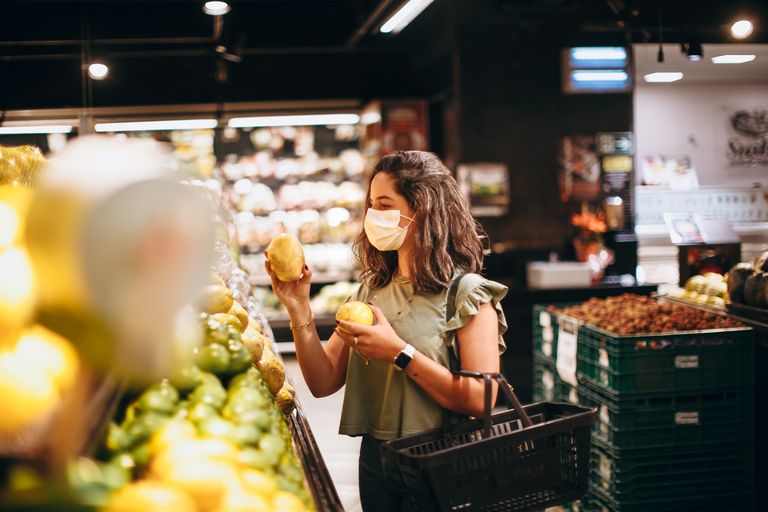
Black Friday is one of the busiest shopping days of the year, according to the history of Black Friday, and long lines can mean long hours away from a refrigerator. The USDA says perishable food should not sit at room temperature for more than 2 hours, or 1 hour when it is above 90°F.
Shoppers bringing a sandwich along for a day of store-hopping, or travelers on a long drive home, should keep the bag closed and out of direct sun. A car parked in a sunny lot can warm up fast even in late November. A sandwich packed without cold sources starts that clock the moment it leaves the refrigerator, which is one more reason the USDA insists on the 2 frozen packs.
At Work: Refrigerate, Reheat to 165°F, Toss the Rest
If there is a refrigerator at work, the USDA says to put perishable items in it on arrival. If the whole insulated bag goes in, leave it open so cold air can circulate.
For anyone warming leftover turkey with gravy in the break-room microwave, the agency says to cover the food so it heats evenly and to reheat leftovers to at least 165°F, checked with a food thermometer. Hot food packed in an insulated container should stay at 140°F or above. The USDA suggests filling the container with boiling water, letting it stand a few minutes, emptying it and then adding piping-hot food.
Finally, the USDA says to pack only as much perishable food as will be eaten at lunch, and to throw away leftover food, used packaging and paper bags afterward rather than reusing them. Following those steps keeps the day-after-Thanksgiving sandwich one of the best lunches of the year, and it usually costs far less than a food-court meal at the mall.
This article was produced with AI assistance and edited for accuracy against the sources linked above.
Image: stu_spivack – CC BY-SA 2.0/Wikimedia Commons