When grown children come home for a holiday dinner, old roles can return before the turkey is carved. Family therapists say parents can head off much of that tension with a few changes, starting with not assuming a grown child still loves the dish they asked for at age 10.
That advice comes from an AARP guide to coping when old family dynamics disrupt holiday visits, built on interviews with a Stanford University clinical professor and a Northwestern University marriage and family therapist.

Why Grown Kids Slip Back Into Old Roles at the Table
According to AARP’s guide to holiday family dynamics, when everyone packs into a parent’s or grandparent’s house, family members of every age tend to fall, or get dragged, into their childhood roles. Adults with careers and children of their own can be made to feel like kids again, and that creates conflict.
The holiday meal concentrates all of it. Thanksgiving is the largest eating event in the United States, measured by retail food and beverage sales, according to Wikipedia’s entry on Thanksgiving dinner, and most families repeat the same dishes and seating year after year. Many families have quirks of their own, and plenty of them show up on this list of strange Thanksgiving traditions everyone pretends aren’t weird.
For many households, the holiday table also carries faith and family values that matter deeply to parents, and readers interested in that side of family life may find this look at common misconceptions about living the Christian life worth a read. The therapists’ advice is about making room for everyone at the same table.
Stop 1: Skipping the Conversation Before the Visit
The AARP guide’s first tip for parents is to talk ahead of time. Before grown children and their families arrive, parents should have an honest, two-way conversation about what everyone hopes to get out of the visit, including basic questions like whether the family wants a big dinner and whether it is all right to invite the neighbors.
That is also the moment for parents to share their own expectations. A grown child who knows the plan for the meal, the start time and who else is coming is far less likely to feel ambushed at the table. Guests have their own part to play, too, and the Emily Post Institute still recommends 8 Thanksgiving guest manners for anyone heading to someone else’s house. Some people simply need a breather at big gatherings, and those who drift to the edges often share a few traits of guests who gravitate to a quiet corner.
Stop 2: Assuming a Grown Child Still Loves the Same Dish
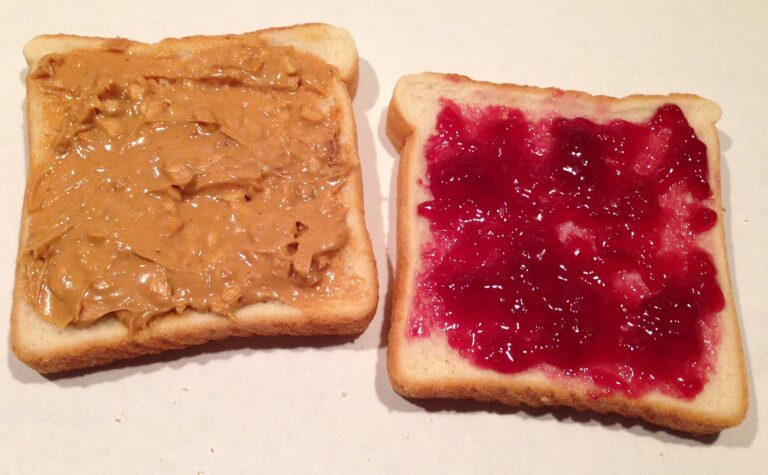
People grow and change, the guide says, and that includes parents’ own children. As its example, AARP notes that an adult son may no longer eat the peanut-butter-and-jelly sandwiches he loved as a kid. Parents are encouraged to keep an open mind and get to know their children as adults, rather than focusing on who they were when they were young.
At the holiday table, that can mean asking about favorite dishes instead of assuming, and not taking it personally if a grown child skips the green bean casserole they once begged for. Families who miss the old favorites can always revisit the foods from the ’60s most boomers loved at another meal.
Erin Cassidy-Eagle, a Stanford University clinical professor, told AARP that the way a request is made makes a world of difference. Enlisting family members in a change, and acknowledging they are coming from a good place, gives people the benefit of the doubt.

Stops 3 to 5: Picking Sides, Forcing Togetherness and Giving Advice
Stop picking sides. It is easy to get pulled into arguments between siblings, according to the guide. Mudita Rastogi, a clinical professor and licensed marriage and family therapist with the Family Institute at Northwestern University, calls taking sides “triangulating,” and says it can make conflict worse. The term traces back to family systems theory, as Wikipedia’s entry on triangulation explains. Instead, parents can empathize and offer support without endorsing what is being said.
Stop scheduling every minute together. When the entire family has to do every activity as a group, the guide says, it is a recipe for conflict. One-on-one time with different family members, such as a coffee run or a walk after the meal, gives relationships room to grow.
Stop handing out unsolicited advice. Cassidy-Eagle told AARP that the number one thing adult children want from their parents is approval. They do not want guidance or critiques; they want to hear they are doing a good job, and even well-intentioned advice can come across as criticism.
What Grown Kids Can Do, Too
The AARP guide gives adult children their own homework. Ahead of the gathering, they can tell parents and siblings which topics they will not discuss at the dinner table, such as politics or childhood embarrassments.
Rastogi recommends designating a support person, someone to text or call when a break is needed, who has agreed in advance to help talk them down.
The therapists’ larger point is that a holiday dinner works best when everyone at the table is seen as the adult they have become. A short conversation before the visit, an open mind about the menu and a little less advice can go a long way toward a meal that people want to come home for again.
This article was produced with AI assistance and edited for accuracy against the sources linked above.
Image: Evan-Amos – Public domain/Wikimedia Commons