Holiday baking season has a way of turning up forgotten tubs of frosting. One sits behind the flour from last year’s birthday cake, another half-used one hides in the back of the fridge, and a box of frosting mix waits on a high shelf for a cookie project that never happened.
Kansas State University’s cupboard storage chart sorts them out. Canned frosting keeps 10 to 12 months in the pantry, while frosting mix keeps 8 months, and once a can is opened, the leftovers belong in the refrigerator. Cake mixes, by comparison, are listed at 12 to 18 months.
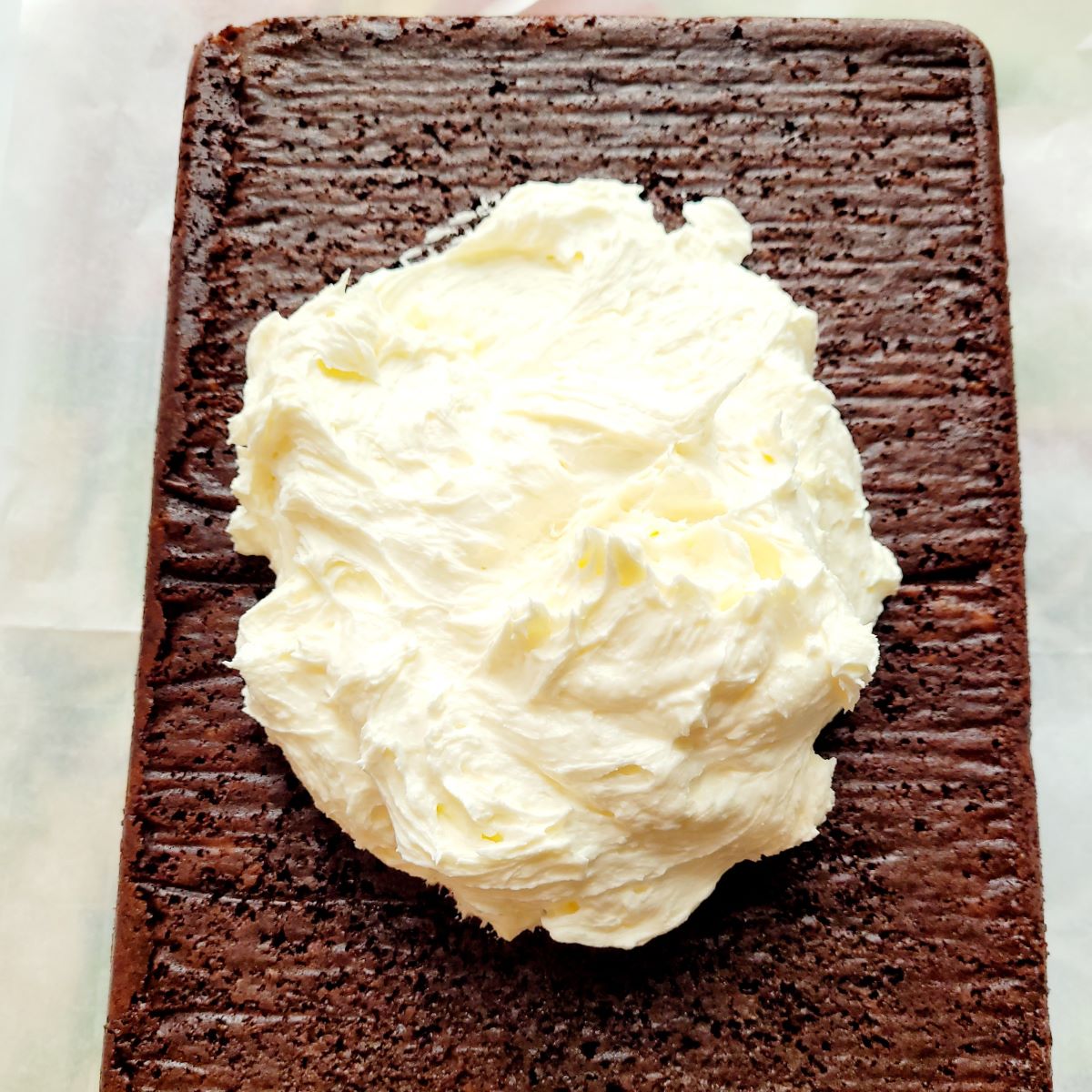
Canned frosting: 10 to 12 months, unopened
The K-State Research and Extension chart “Safe Food Storage: The Cupboard”, revised in June 2026 by Karen Blakeslee, an extension associate in the university’s Department of Grain and Food Science, lists canned frosting at 10 to 12 months when stored at 70°F. Its one-line instruction is simple: store leftovers in the refrigerator.
North Dakota State University Extension’s food storage guide gives the same 10 to 12 months for unopened frosting and adds the next step. Once opened and refrigerated, frosting is listed at 2 to 3 weeks. That window is worth writing on the lid with a marker, since a half-used tub can easily get pushed behind the leftovers, especially in December, when the fridge fills up fast with dough for the Christmas cookies families bake every December.
These times are about quality on the shelf. The K-State chart notes that how long a food lasts in the cupboard depends on the type of food, the storage temperature, the packaging and where the cupboard is. A tub kept in a warm spot next to the oven will not hold up as well as one in a cool corner.
Frosting mix: 8 months on the shelf
Dry frosting mix sounds like it should last longer than the ready-made kind, but the K-State chart lists it at 8 months, a few months shorter than canned frosting. The same chart lists pie crust mix at 8 months, and biscuit, brownie and muffin mixes at 9 months.
Frosting, at its simplest, is sugar plus a liquid or fat. A basic icing, as the Wikipedia entry on icing explains, is powdered sugar, also called confectioners’ sugar, mixed with water, while buttercream beats fat into the sugar. A dry mix only works if it stays dry, which is one more reason the chart’s general advice to keep pantry foods in a cool, dry, dark place matters for a box that may sit through a humid summer.
A tidy shelf helps here. Grouping all the baking mixes together, oldest in front, makes it easier to spot the box that has been sitting since spring, an idea that shows up in these kitchen organization ideas, these clever storage hacks for every inch of space and these best practices for seasonal storage. Boxed mixes have a long history on those shelves, as this look at convenience foods that filled mid-century American kitchens shows, right next to the kitchen staples grandmothers kept within arm’s reach. For the rest of the baking shelf, Timeless Dishes also covered how long sugar and honey keep in the pantry.

Cake mixes outlast both: 12 to 18 months
The frosting’s usual partner keeps the longest of the three. K-State lists cake mixes at 12 to 18 months, kept cool and dry, while a purchased cake is listed at just 1 to 2 days, with a note to refrigerate it if it has whipped cream or custard filling. NDSU adds buttercream frostings to that list of fillings that call for the refrigerator.
Those boxed mixes come from a small group of big brands. The Wikipedia entry on cake mix notes that General Mills owns both Betty Crocker and Pillsbury, while Conagra Brands owns Duncan Hines. It also notes that Betty Crocker and Pillsbury mixes shrank from 18.25 ounces to 15.25 ounces, a reminder to check a favorite recipe’s box size before baking.
Boxed mixes and ready-made frosting have been part of American kitchens for generations, and plenty of families still keep a box or two on hand for last-minute birthdays and bake sales. With an 18-month ceiling on mixes and a 12-month ceiling on canned frosting, a cake mix bought alongside a tub of frosting will usually outlast it on the shelf.
Where the pantry tub should live
K-State’s general rules for the cupboard apply to every can and box on the baking shelf. Store foods in a cool, dry, dark place away from heat sources such as appliances and the sun. Keep food away from cleaning chemicals. Check the dates on packages and use the oldest products first, and look over packages for damage while they are in storage.
That means the cabinet right above the stove or next to the dishwasher is a poor home for frosting and mixes. A lower cabinet on an inside wall usually stays cooler and steadier. For holiday bakers, a quick check of the frosting and mix supply before the grocery run can save buying a duplicate, and it shows which older box should be used first.
A quick check before the cookies go out
Before opening an older tub, check the date on the package and look the container over. K-State advises checking packages for damage during storage, and it closes its list of cupboard tips with a plain rule: when in doubt, throw it out. The chart also reminds shoppers that a long shelf life is not a reason to stock up, advising buying only what can be used so the food stays at its best quality.
For anything not on the cupboard chart, the USDA’s FoodKeeper app lists storage times for pantry, refrigerator and freezer foods. For frosting, though, the numbers to remember are short ones: 10 to 12 months for an unopened can, 8 months for a box of mix, and a spot in the fridge for whatever is left after the last cupcake is done.
This article was produced with AI assistance and edited for accuracy against the sources linked above.
Image: Neil Conway from Oakland – CC BY 2.0/Wikimedia Commons