The week before Thanksgiving, the grocery cart fills up fast: a turkey, a bag of potatoes, cranberries, a stack of pie shells and, for many families, a pack of paper plates so nobody has to wash dishes at midnight. For households paying with SNAP, not everything in that cart rings up the same way.
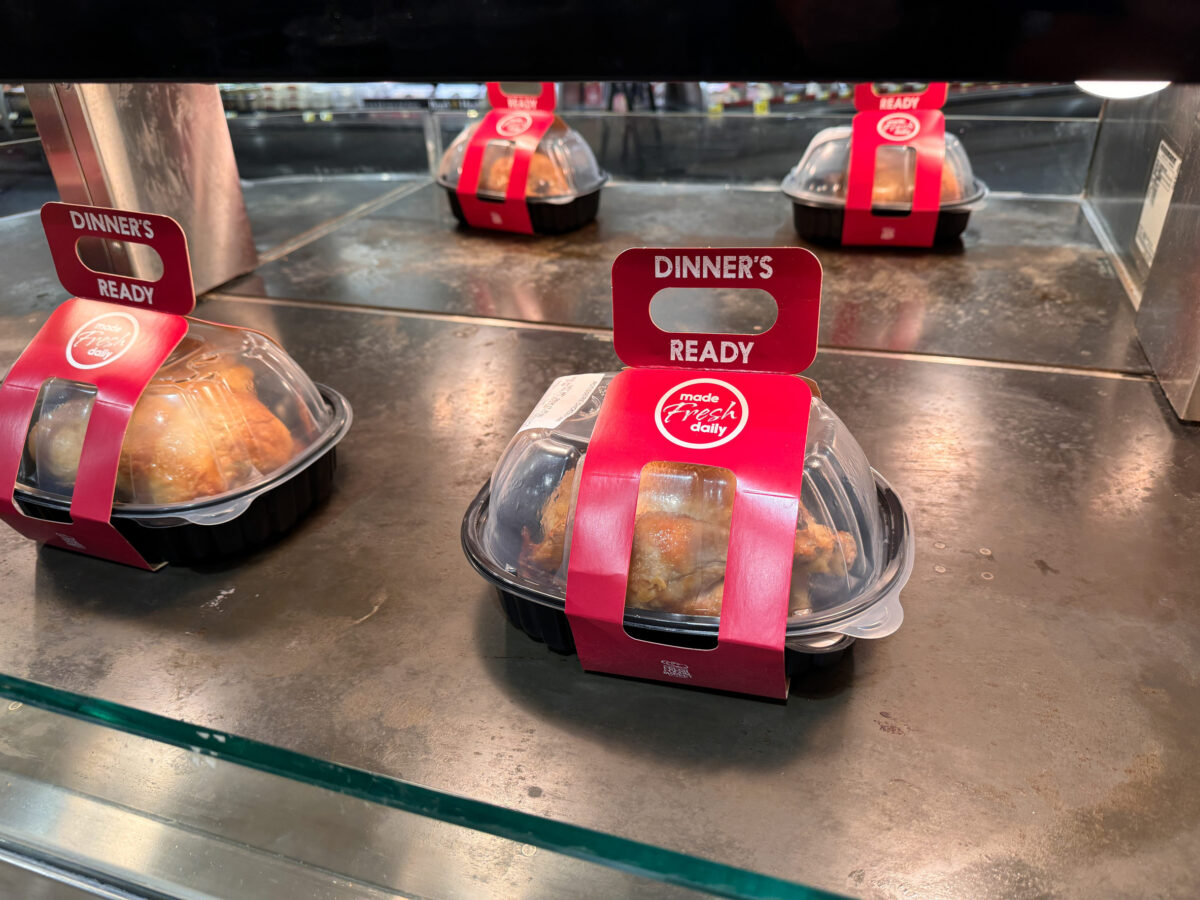
The U.S. Department of Agriculture’s list of what SNAP can buy, updated Nov. 4, 2026, comes down to 7 rules. A hot rotisserie turkey or chicken from the deli warmer is out because it is hot at the point of sale, and paper plates are out because they are a nonfood item, while the raw turkey, the potatoes and even a pot of sage for the stuffing are all eligible.
Rule 1: Food That Is Hot at the Register Is Not Eligible
USDA’s eligible food items page says plainly that SNAP cannot buy “foods that are hot at the point of sale.” That covers the rotisserie chicken or turkey breast kept under heat lamps, hot sides from a deli bar and a ready-to-eat holiday dinner handed over warm. By that same wording, an item sold cold from a refrigerated case, such as a chilled cooked chicken or a cold deli platter, falls under the regular food categories instead.
There is one exception. A handful of states run the Restaurant Meals Program, which lets certain SNAP clients buy prepared meals at approved restaurants. Every member of the household has to be 60 or older, receive disability payments, or lack permanent housing, or be the spouse of someone who qualifies. USDA lists Arizona, California, Illinois (Cook and Franklin counties only), Maryland, Massachusetts, Michigan, New York, Rhode Island and Virginia, which Timeless Dishes broke down in its look at the 9 states with the program.
Rule 2: Paper Plates, Foil and Dish Soap Are Out
SNAP does not cover nonfood items. USDA names pet food, cleaning supplies, paper products, other household supplies, hygiene items and cosmetics. For Thanksgiving, that means paper plates, napkins, foil pans, plastic wrap, trash bags and dish soap all have to go on a separate payment. Splitting the order at the register, food first and supplies second, keeps the card total from coming up short in an awkward moment.
It helps to price the whole meal before the trip. The sister site craftingyourhome.com tracked the cost of Thanksgiving dinner by state in 2026, and its fridge and freezer checks before the grocery run keep a big haul from going to waste. Frenz Hub’s list of quick ways to save money and its roundup of budget foods that even the wealthy eat have more ideas for stretching a tight month.
Rule 3: Beer, Wine, Liquor and Tobacco Do Not Qualify
Alcohol and tobacco are never eligible, so the bottle of wine for the table or the beer for the football game is a separate purchase. Non-alcoholic drinks are a different story: USDA lists non-alcoholic beverages among the foods SNAP can buy, which includes sparkling cider and juice, though a growing number of states now limit soda and candy. Timeless Dishes keeps a running list of the 12 states that limit soda or candy with SNAP.
Turkey dinners with a pitcher of cider and a game on in the next room are one of the odd American traditions that confuse the rest of the world, and only the food part of that picture is a SNAP purchase.
Rule 4: Pharmacy-Aisle Products Are Excluded
Anything from the pharmacy shelf is off the list, including pills, capsules and over-the-counter remedies. USDA’s test is the label on the package: a product that carries a “facts” panel for pills and powders instead of the standard Nutrition Facts panel does not qualify. Ordinary groceries with a Nutrition Facts label, from canned pumpkin to cream cheese, are fine.
Rule 5: No Live Animals, With 3 Exceptions
SNAP cannot buy a live animal, which is unlikely to come up on a typical Thanksgiving run. USDA carves out 3 exceptions: shellfish, fish removed from the water and animals slaughtered before pickup from the store. Live lobsters or oysters for a coastal holiday table count, and so does a fresh turkey from a farm that is processed before the family picks it up.
Rule 6: Nothing With Cannabis or CBD
Foods and drinks that contain controlled substances, including cannabis and CBD, are not eligible, no matter what else is in them. That covers CBD-infused drinks, gummies and baked goods, even when they are sold in a grocery aisle next to ordinary snacks.
Rule 7: The Thanksgiving Basics Are All Covered
Everything that makes up a classic holiday meal is eligible: fruits and vegetables; meat, poultry and fish; dairy products; breads and cereals; snack foods and non-alcoholic drinks. That includes the frozen turkey, the ham, the stuffing mix, butter, cream, cranberries, sweet potatoes, rolls and the ingredients for pie. USDA’s retailer guidance on accessory foods shows that cooking oils, butter, broth, spices, baking powder and vanilla extract are all food items too, even if they are not counted as staples, and its staple foods guide, updated Nov. 13, 2026, lists items like canned beans, eggs and peanut butter.
One rule is easy to miss. Seeds and plants that grow food for the household are eligible, so a potted rosemary, sage or thyme plant from the produce section can go on the card and keep supplying herbs long after the holiday.
SNAP, the federal program long known as food stamps, sets this list of eligible items nationally, though some states add their own soda and candy limits. Households that are unsure whether they qualify for benefits at all can check USDA’s SNAP eligibility page, which walks through income and resource limits. With those 7 rules in mind, the Thanksgiving grocery run becomes a matter of two piles at checkout: food on the card, everything else on a separate payment.
This article was produced with AI assistance and edited for accuracy against the sources linked above.