At most grocery checkouts, shoppers tap or insert a card with a chip. Many SNAP households still swipe a magnetic stripe and punch in a PIN, the same basic setup used since paper food stamps went away, and that stripe is exactly what card skimmers target.
That may change nationwide. Chip EBT cards are already in use in 8 states, and the U.S. Department of Agriculture is taking public comments through December 22, 2026, on a proposed rule that would require chip and tap-to-pay SNAP cards in every state.
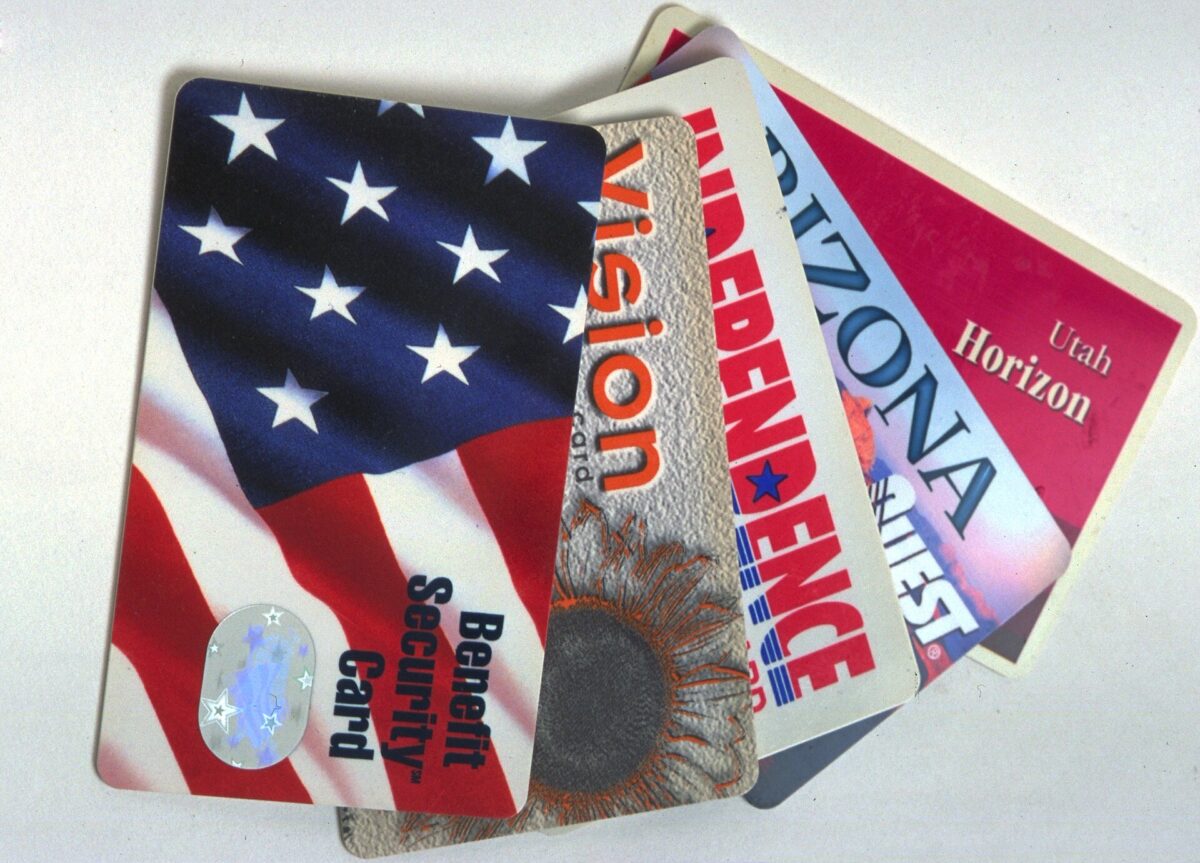
The 8 States Already Using Chip EBT Cards
According to a Nov. 4 report by Route Fifty, which covers state and local government, chip EBT cards are now in use in Alabama, California, Maryland, Massachusetts, Michigan, New Jersey, Oklahoma and Virginia. Work on modernized cards is underway in other states, including Arkansas, Maine, New Mexico, New York, Oregon and Pennsylvania, the report says.
New Jersey is one of the newer additions. The state’s Department of Human Services announced in July that SNAP and Work First New Jersey cardholders in Cumberland, Essex and Mercer counties would get chip cards first, followed by every other county after a pilot of about four weeks. Benefits move to the new card automatically, but cardholders have 90 days to activate it. The new cards also add an expiration date and a 3-digit security code, much like a bank card.
New York is next in line. Gov. Kathy Hochul’s office says chip-based SNAP cards will start going out in early 2027, with about 2 million new cards expected. For anyone who has never thought much about how the chip differs from the stripe, a beginner’s guide to how credit cards work covers the basics, and a closer look at what the federal chip-card proposal would mean for households walks through the stakes.
What the USDA Proposal Would Require
The proposed rule, published in the Federal Register on Oct. 23, 2026, would require state SNAP agencies to move to EBT cards with an electronic chip and near-field communication, the technology behind tap-to-pay. The rule notes that every SNAP agency has kept issuing magnetic-stripe cards protected by PINs since the switch from paper coupons, and that criminals have turned the same skimming and cloning techniques once aimed at credit and debit cards onto EBT cards.
If the rule is finalized, states would have two years from its publication to make the change. The Department estimates one-time costs of roughly $283 million combined for states, the federal government, households and businesses in fiscal 2028 and 2029, plus ongoing costs starting at $12 million in fiscal 2030.
For SNAP households, the stakes are measured in groceries. Prices on everyday staples keep shifting, as a look at grocery prices that may surprise Americans in 2026 shows, so a stolen month of benefits means a real gap in the pantry. Building even a small emergency fund is one cushion against that kind of shortfall, though it is hard to do on a tight food budget.
The rule also points out that U.S. stores moved to chip cards widely starting in 2015, when liability for non-chip transactions shifted to retailers, so many SNAP households already know how to tap or insert a card. The late switch is one more quirk to file alongside the odd American traditions that confuse the rest of the world.
Why Skimming Pushed the Change
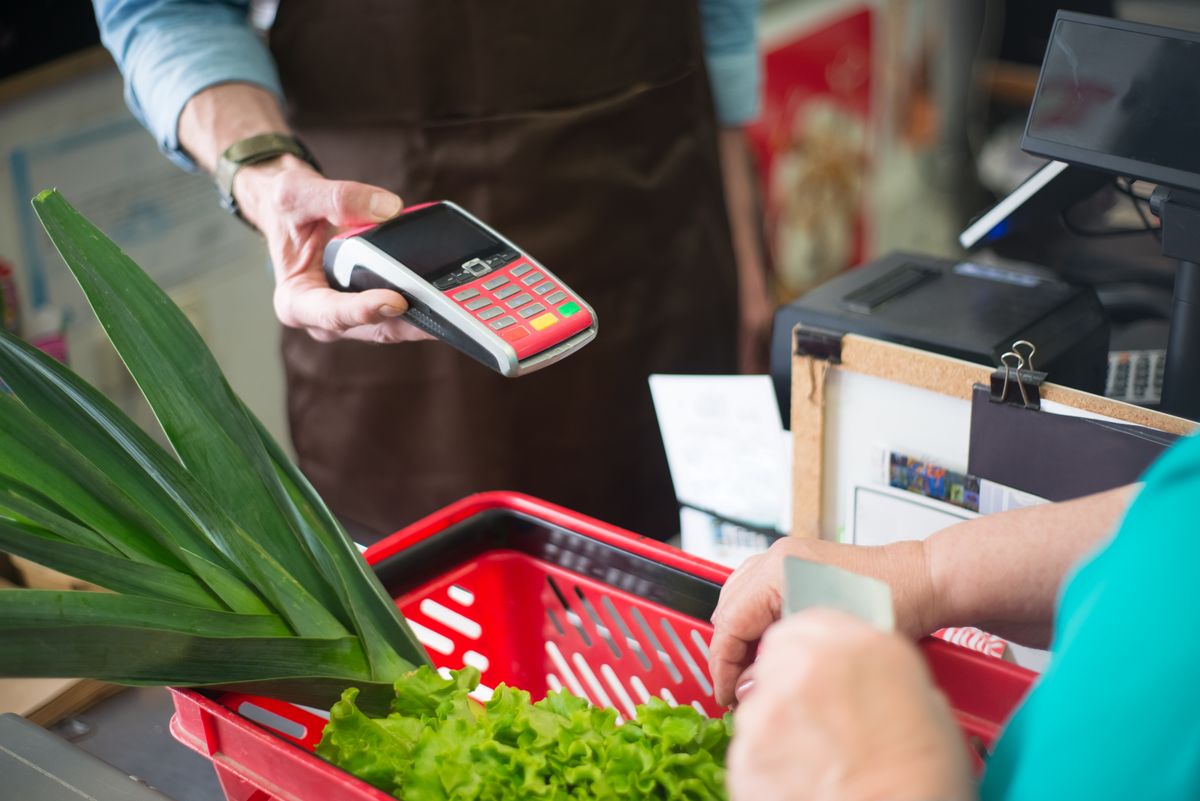
Skimming devices hidden in checkout card readers copy the data on a magnetic stripe and capture PINs, and thieves can then use that data to drain the account, the rule explains. Federal reimbursement for stolen SNAP benefits ended in December 2024, Route Fifty reports, and states reported replacing more than $360 million in benefits for 753,929 claims as of the second quarter of fiscal 2025. Only California and Maryland now run state-funded programs to replace stolen benefits, according to the same report.
That loss lands hard at the grocery store, where SNAP dollars already have to stretch, and a theft can leave a household with an empty card in the middle of the month. Until chip cards arrive, Timeless Dishes has covered the PIN steps the USDA recommends against card skimming.
Who Supports It and Who Is Worried
The National Grocers Association, which represents independent grocers, supports moving every state to the chip standard, according to Grocery Dive. Grocers would need checkout equipment that can read the new cards, and the USDA has noted that many point-of-sale machines already accept chip and tap payments.
States, on the other hand, are watching the bill. Route Fifty reports that federal funding for SNAP administration dropped from 50% to 25% on Oct. 1, leaving states to cover 75% of the cost of switching cards, and the United Council on Welfare Fraud called the plan an unfunded mandate.
How to Comment Before December 22
The comment period is open to anyone, including SNAP households, grocers and state agencies. The Federal Register notice says written comments must be received on or before December 22, 2026, and can be filed through the federal eRulemaking portal at regulations.gov under docket FNS-2025-0137, or by mail. The Department specifically asks whether the two-year timeline is long enough and whether it would be effective against benefit theft.
Nothing changes for SNAP cards in the other states yet. The rule is still a proposal, and the USDA will review comments before deciding on a final version.
This article was produced with AI assistance and edited for accuracy against the sources linked above.