School lunch in the 1970s was a different experience from grabbing a sandwich or a packaged snack between classes today. Cafeterias served hot meals, scooped mashed potatoes, mystery meat dishes, and desserts that students either loved or tried their best to avoid. The menus were shaped by tight school budgets, government nutrition programs, and the idea that children needed a filling meal to get through the afternoon.
Some dishes have disappeared from regular school menus, while others still bring back memories for anyone who attended school during the decade. Here are seven foods that would have looked perfectly at home on a 1970s cafeteria lunch tray.
Sloppy Joes Were a Cafeteria Favorite
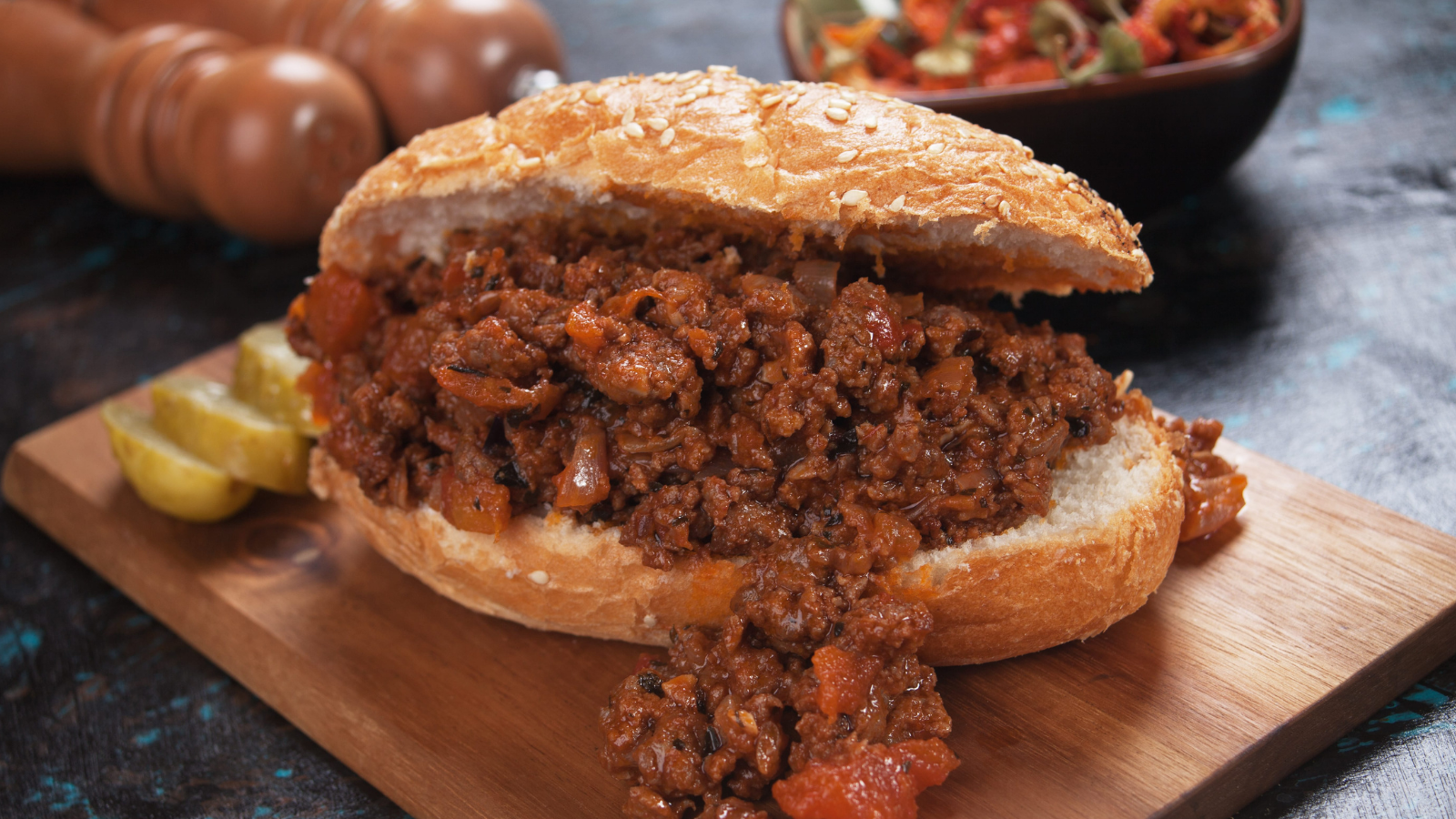
Few school lunches were as messy as a Sloppy Joe. The dish featured seasoned ground beef cooked in a tomato-based sauce, usually served inside a soft hamburger bun. Students could expect plenty of sauce, which meant keeping a few napkins nearby was practically part of the meal.
Sloppy Joes were relatively inexpensive to prepare in large quantities, making them a practical choice for school kitchens. They were also filling and easy to serve, two qualities cafeteria workers appreciated.
Salisbury Steak Came With Plenty of Gravy
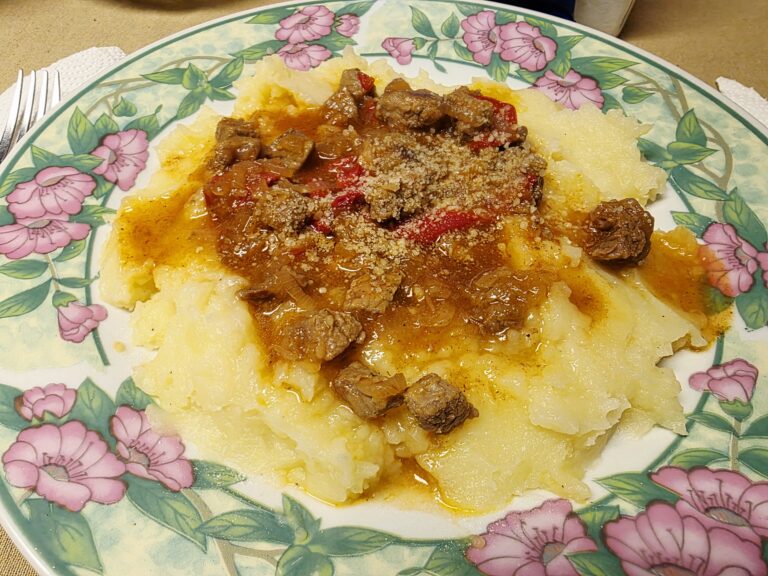
Salisbury steak was another familiar sight on school lunch trays. Despite its fancy-sounding name, it was essentially a seasoned ground beef patty served with brown gravy, often alongside mashed potatoes and vegetables.
The dish became popular in American institutional kitchens because ground beef was affordable and could be prepared in large batches. For students who enjoyed gravy-covered meals, it was a welcome lunch. Those who disliked vegetables probably had a different opinion.
Macaroni and Cheese Made Lunchtime Better
A generous scoop of macaroni and cheese could turn an ordinary cafeteria lunch into something worth looking forward to. Made with elbow macaroni and a creamy cheese sauce, it was served as either a main dish or a side.
School kitchens often relied on economical ingredients and large preparation trays to feed hundreds of children. The result was sometimes softer and less cheesy than homemade versions, but that did not stop students from going back for seconds when they could.
Fish Sticks Were a Regular Friday Meal
Friday fish sticks were familiar to generations of American schoolchildren. These breaded pieces of fish were usually baked or fried and served with tartar sauce, ketchup, or a squeeze of lemon.
Fish sticks became popular in American homes and institutions after frozen food technology made fish easier to process, store, and prepare. Their convenience made them particularly useful for busy school cafeterias. A serving of fish sticks with vegetables and a dinner roll was a fairly typical combination.
Peanut Butter and Jelly Sandwiches Saved Busy Lunch Days
Not every cafeteria meal involved a hot entree. Peanut butter and jelly sandwiches offered schools a simple, affordable option that could be prepared ahead of time and served without much fuss.
The combination of peanut butter and sweet jelly between slices of bread was especially popular with younger students. Some cafeterias served it with fruit, milk, or crackers to make a more complete lunch. For children who disliked the day’s hot meal, a PB&J could feel like a small victory.
Tuna Noodle Casserole Made Use of Simple Ingredients
Tuna noodle casserole was a practical way for school kitchens to feed large groups without spending too much. It typically combined canned tuna, cooked noodles, cream-based soup, and vegetables, with some recipes adding breadcrumbs or crushed crackers on top.
The ingredients were inexpensive, easy to store, and suitable for preparing in large baking dishes. Its creamy texture made it a familiar comfort food in many American households, and school cafeterias adopted similar recipes. It was one of those meals that could divide a lunch table between enthusiastic eaters and children who preferred anything else.
Chocolate Pudding Was the Sweetest Part of Lunch
After a tray of meat, vegetables, and bread, chocolate pudding gave students something to look forward to. It was commonly served in individual cups or scooped into small dishes, sometimes with a dollop of whipped topping.
Pudding was relatively inexpensive to prepare and easy to portion for large groups. It also made a convenient cafeteria dessert without requiring complicated baking. For many students, getting chocolate pudding meant the lunch period ended on a pretty good note.
School Lunches Have Changed, but the Memories Remain
The 1970s cafeteria menu was built around affordable ingredients, filling portions, and meals that school kitchens could prepare for hundreds of students. Some dishes were genuinely popular, while others became the subject of lunchtime jokes and childhood complaints.
Today, school menus often include more variety and greater attention to dietary requirements, but plenty of familiar classics remain. And for anyone who remembers those old lunch trays, a Sloppy Joe or a square of cafeteria macaroni and cheese can still bring back an entire school day.